
Real estate has long been synonymous with slow, paper-intensive processes, but technology is rapidly changing that reality. Digital tools and automation are simplifying tasks that used to require in-person meetings and stacks of documents. These advances are already shifting how properties are developed, managed, financed and traded, and they’re reshaping investor behavior and everyday industry operations.
Tokenized Ownership Markets

Credit: Canva
Fractional ownership is not new, but blockchain and tokenization make it far more accessible and efficient. Real estate assets can be split into digital tokens that function like shares, enabling smaller investors to buy into projects that would otherwise be out of reach. By lowering barriers to entry and increasing liquidity, tokenized markets could unlock large pools of capital; some analysts believe trillions in property value could be tokenized over the coming decade.
AI-Driven Property Valuation

Credit: Canva
Historically, pricing relied largely on local expertise and comparable sales. Today, artificial intelligence analyzes vast datasets—ranging from infrastructure updates to consumer behavior—and produces faster, more consistent valuations. Firms that adopt these AI tools report productivity improvements because agents spend less time compiling reports and more time on client strategy, negotiation and relationship-building.
Virtual Reality Home Exploration

Credit: Canva
Virtual tours have evolved from simple stitched-together photos to immersive, 3D walkthroughs that prospective buyers can explore at their convenience. These virtual experiences let people inspect and revisit properties multiple times before an in-person visit, speeding decision-making and expanding the pool of buyers who can evaluate homes remotely.
Smart Contracts Replacing Paper Deals

Credit: Canva
Traditional transactions often involve multiple intermediaries and lengthy paperwork. Smart contracts embed deal terms into code, automating transfers once predefined conditions are satisfied. This reduces delays, lowers administrative costs and decreases dependence on third parties such as escrow services, while creating clearer, auditable transaction records.
Digital Twins For Property Management

Credit: iStockphoto
The concept of digital twins—virtual replicas of physical assets—migrated from manufacturing to real estate. Developers and facility managers can simulate a building’s performance years into the future and monitor energy use, environmental conditions and wear in real time. These models enable predictive maintenance, optimize operations and help planners make better-informed decisions before and after construction.
Crypto-Backed Real Estate Financing

Credit: Pexels
Investors holding cryptocurrencies or other digital assets increasingly use those holdings as collateral for property loans rather than selling them to free cash. Crypto-backed financing lets borrowers unlock liquidity while keeping their portfolios intact, and lenders gain access to new forms of collateral. This model introduces flexibility not typically available through traditional mortgage products.
Autonomous Construction Robotics

Credit: iStockphoto
Construction is adopting robotic systems that handle repetitive, precision-dependent tasks. Automated bricklaying units and other machines can complete large sections of structures in a fraction of the time required by manual labor, following digital blueprints to reduce errors and mitigate labor shortages. These technologies are being trialed on large projects and could materially shorten build timelines for future housing developments.
Self-Healing Building Materials

Credit: Canva
Innovations in materials science are producing building components that repair themselves. For example, concrete mixed with specialized bacteria can precipitate limestone when cracks form, sealing gaps before they expand. If adopted widely, self-healing materials could extend asset lifespans, reduce long-term maintenance costs and improve resilience for infrastructure and large-scale developments.
AI-Powered Brokerage Platforms

Credit: Canva
Brokerages are increasingly using AI to handle routine tasks like answering initial inquiries, filtering leads and recommending pricing strategies based on market signals. These platforms enable continuous, data-driven support so agents can focus on closing deals and advising clients, improving responsiveness and operational efficiency.
Floating Cities And New Land Supply
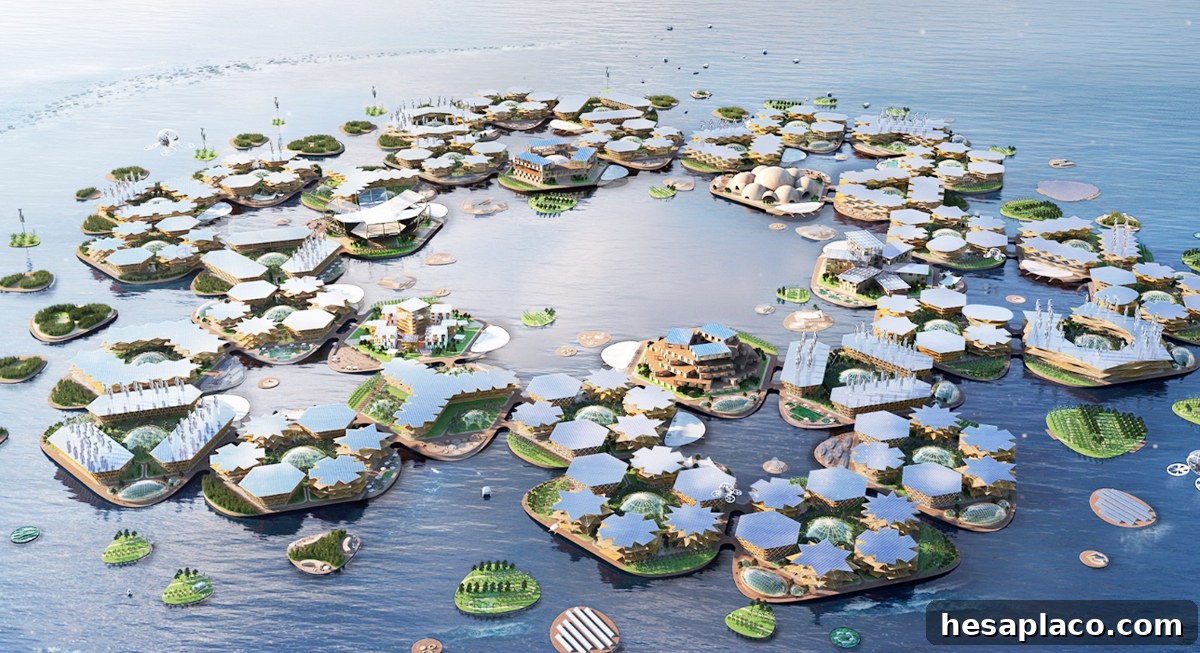
Credit: Reddit
Growing urban density and limited land availability have driven interest in unconventional solutions, including ocean-based developments. Concepts like modular, floating communities are moving from concept to early-stage projects and are receiving attention from city planners and international organizations. With climate change and population growth pressuring traditional urban planning, floating developments are being examined as a potential long-term option for expanding housing and commercial space without exhausting existing land.
Across all these developments, the common theme is increased efficiency, transparency and access. Technology is not replacing the need for expertise in real estate, but it is changing how professionals add value—shifting focus from paperwork and manual tasks to analysis, client service and strategic decision-making. As these tools and practices mature, they will continue to redefine risk, opportunity and scale in the property markets.