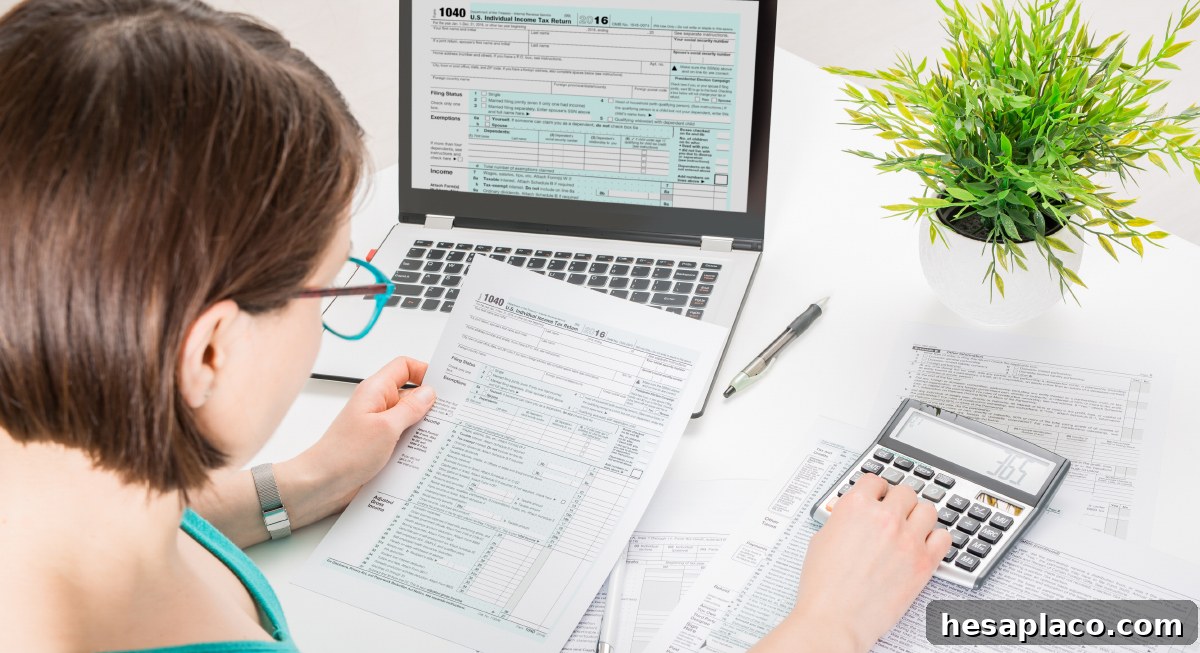
Tax season doesn’t wait. Whether you’re swamped, running late, or pretending the mail doesn’t exist, deadlines arrive on schedule. One moment you’re relaxed with your coffee; the next you’re sorting receipts and wondering whether payments received through apps like Venmo qualify as taxable income. Missing a deadline can trigger penalties, interest, and a lot of unnecessary stress. This guide outlines the key tax dates for 2026 and what they mean so you can stay on track.
April 15, 2026 — The Primary Filing Deadline

Credit: iStockphoto
For most taxpayers, April 15, 2026, is the deadline to file your 2025 federal tax return or to request a six-month filing extension using Form 4868. Remember: an extension grants extra time to submit your return, not to pay taxes due. Any unpaid balance must be paid by April 15 to avoid penalties and interest charges. Mark the date on your calendar, and if you think you’ll need help, arrange a preparer or set aside time well before the deadline.
June 15, 2026 — Extended Filing Window for Americans Abroad

Credit: Getty Images
U.S. citizens and resident aliens living and working abroad automatically receive a two-month extension to file their 2025 federal tax return, moving the deadline to June 15, 2026. No Form 4868 is required for this automatic extension; instead, taxpayers should attach a statement to their return indicating eligibility for the foreign-residence extension. Be aware that interest on any unpaid taxes still starts accruing on April 15. If June 15 falls on a weekend or legal holiday, the deadline shifts to the next business day.
Filing Time Matters — Know the Exact Cutoff

Credit: pexels
The IRS accepts e-filed returns until 11:59 p.m. local time on April 15, 2026. That local-time rule applies whether you file electronically yourself or through a tax professional. Even a minute past the cutoff can render your return late, so plan to complete and submit your filing well before the final hour. Filing electronically gives you immediate confirmation of receipt, which is useful proof in case the IRS questions whether you filed on time.
Disaster Relief and Special Extensions

Credit: pixabay
When the federal government designates an area as a disaster zone, the IRS typically extends filing and payment deadlines for affected taxpayers. The specific relief dates vary by event and are announced by the IRS when a disaster is declared. If you live in an impacted area, check the IRS announcement for the exact deadlines that apply to you rather than assuming the standard April 15 timeline remains in effect.
Practical tips to avoid last-minute problems:
- Gather documents early: W-2s, 1099s, interest and dividend statements, and receipts for deductible expenses should be collected well before filing day.
- Consider electronic filing: E-filing is faster, reduces errors, and provides immediate proof of submission.
- Plan for payment: If you expect to owe taxes, arrange payment by the deadline to minimize penalties and interest. Explore IRS payment options if needed.
- Know your status: If you live abroad or are impacted by a declared disaster, confirm any special deadlines that might apply to you.
- Ask for help early: If your return is complex, contact a tax professional in advance to avoid scheduling bottlenecks near the deadline.
Staying organized and aware of these key deadlines will reduce the stress of tax season and help you avoid costly penalties. Keep your records handy, file on time or request an appropriate extension, and pay any taxes owed by the applicable due date.