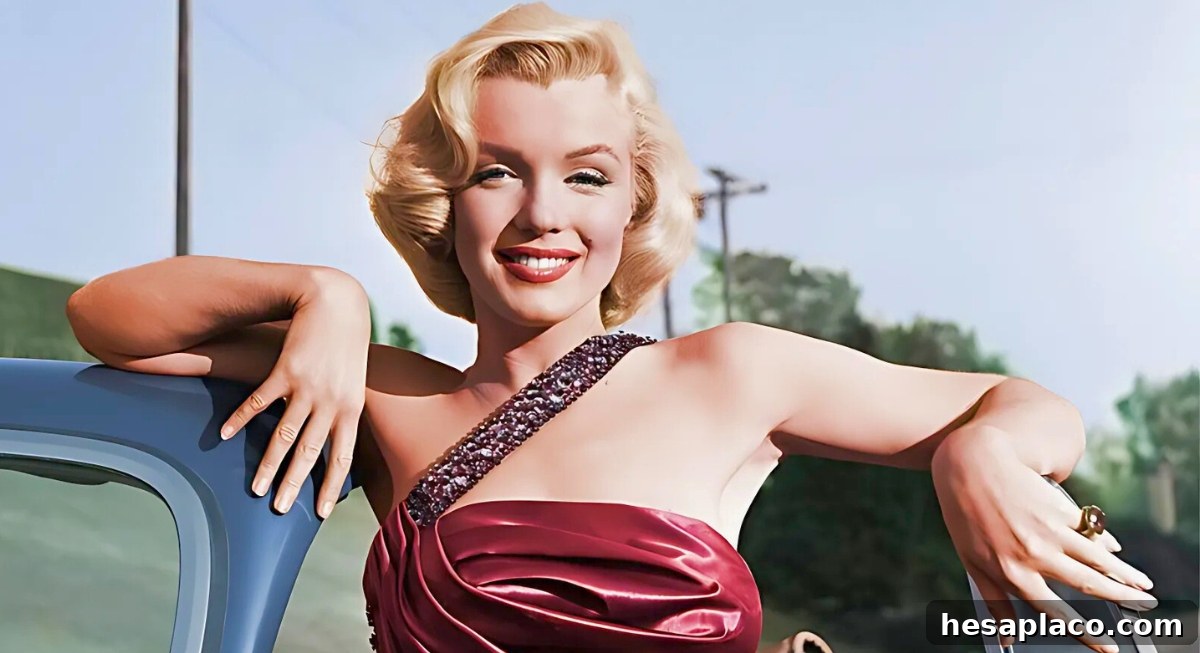
You know how some figures grow even more famous after they pass away? That’s exactly what happened with Marilyn Monroe. Behind the glamour and iconic photographs lies a complex story of finances, missed protections, and legal battles that continue to attract attention decades later.
The Estate Marilyn Monroe Left Was Surprisingly Modest
Credit: Facebook
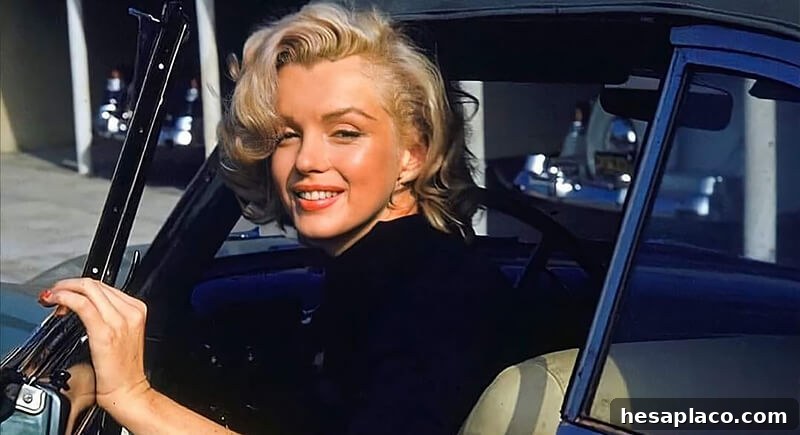
When Marilyn Monroe died in 1962, her assets were valued at roughly $800,000 — equivalent to approximately $7 million today. She lived lavishly and was generous with friends and causes, and by the time her estate was administered it had been reduced to about $370,000. The final figure surprised many who expected a far larger legacy.
Most of Marilyn’s Rights Went to Her Acting Coach
Credit: flickr
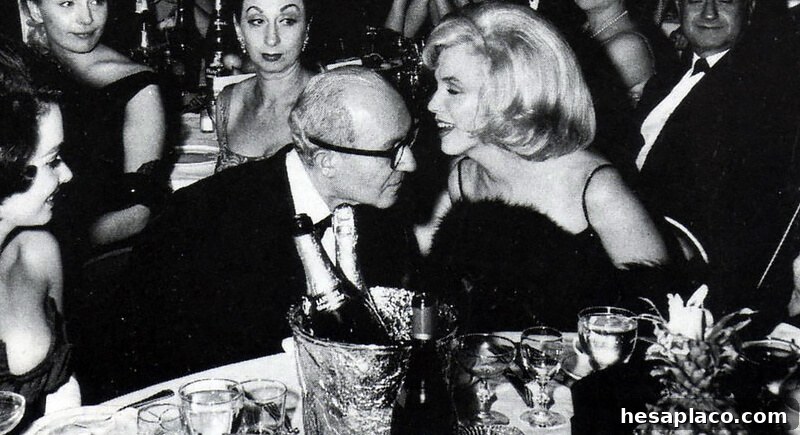
Lee Strasberg, her longtime mentor and confidant, inherited 75 percent of Marilyn’s intellectual property rights. That grant included the authority to license her name, likeness, and image — assets that had not been fully trademarked or legally protected during her lifetime. As a result, control over Monroe’s commercial identity passed largely into Strasberg’s hands.
Her Psychiatrist Received a Meaningful Bequest
Credit: Facebook
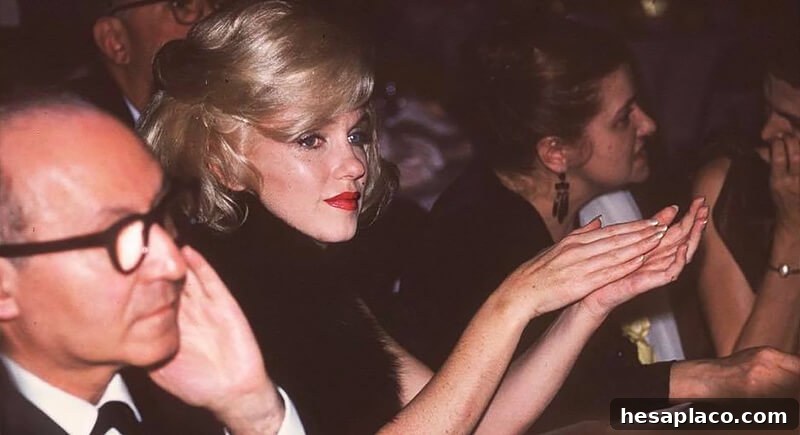
Psychiatrist Dr. Marianne Kris was bequeathed one quarter of Marilyn’s estate. When Dr. Kris died in 1980, her share passed to the Anna Freud Centre in London, an organization focused on children’s mental health. Marilyn’s decision reflected both her personal struggles and a desire to support mental health causes.
An Unfamiliar Widow Became the Steward of a Global Icon
Credit: Instagram
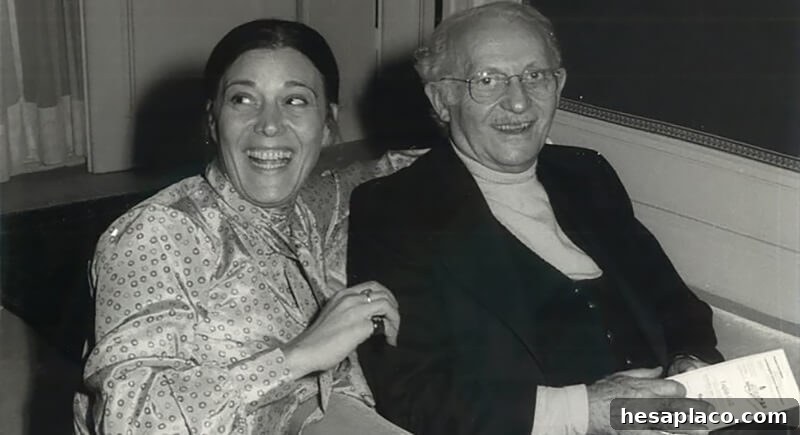
After Lee Strasberg’s death, his third wife, Anna Strasberg, inherited the rights he had received from Marilyn. Although Anna never met Monroe personally, she managed the estate for decades, negotiating licensing agreements that transformed Monroe’s image into a widely recognized commercial brand.
A Brand Management Company Now Oversees Commercial Rights
Credit: Instagram
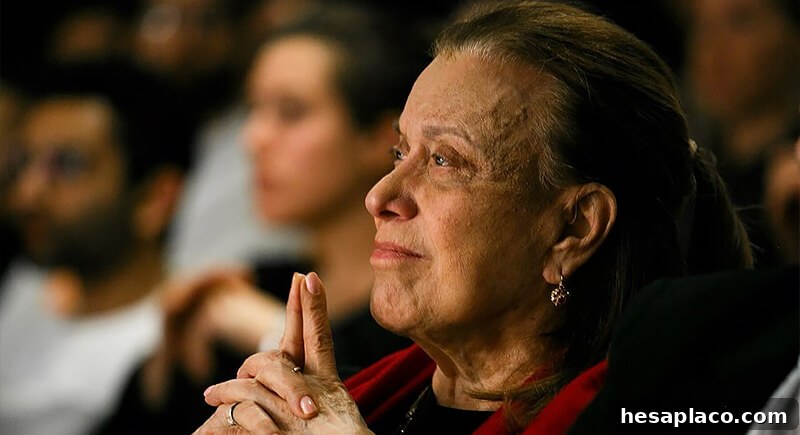
In 2011, Anna Strasberg sold her interest in Monroe’s estate to Authentic Brands Group, a company that manages numerous celebrity estates. The transaction, reported at an estimated $20–$30 million, placed licensing, merchandising, and other commercial uses of Marilyn’s image under a corporate structure aimed at maximizing revenue and reach.
The Estate Still Generates Millions Annually
Credit: Facebook
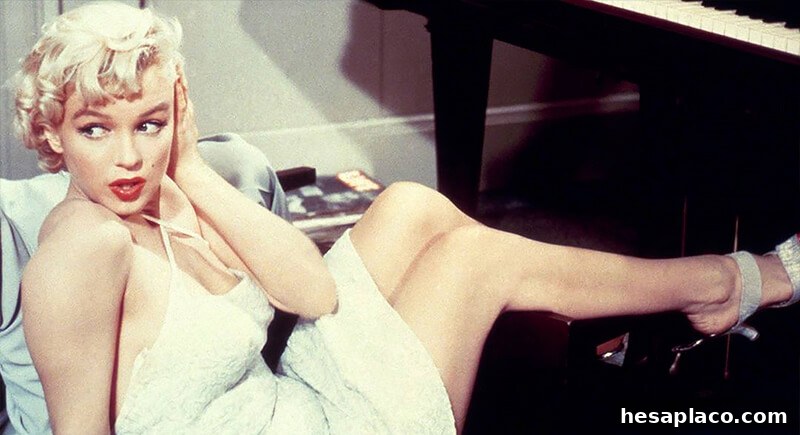
Decades after her death, Marilyn’s estate remains one of the most lucrative among deceased celebrities. Revenue streams include fashion collaborations, branded merchandise, endorsements, and licensing deals that keep her image visible across multiple markets.
The Official Cause of Death Still Draws Public Interest
Credit: Facebook
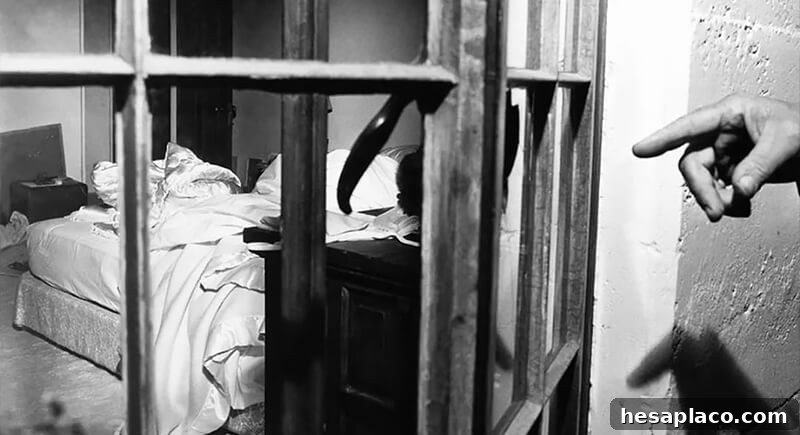
On August 5, 1962, Marilyn was discovered dead in her Brentwood home. The coroner concluded the cause was acute barbiturate poisoning and ruled it a probable suicide. Although investigators reported no evidence of foul play, the circumstances of her death have continued to fuel public speculation and fascination.
Her High-Profile Connections Fueled Conspiracy Theories
Credit: Reddit
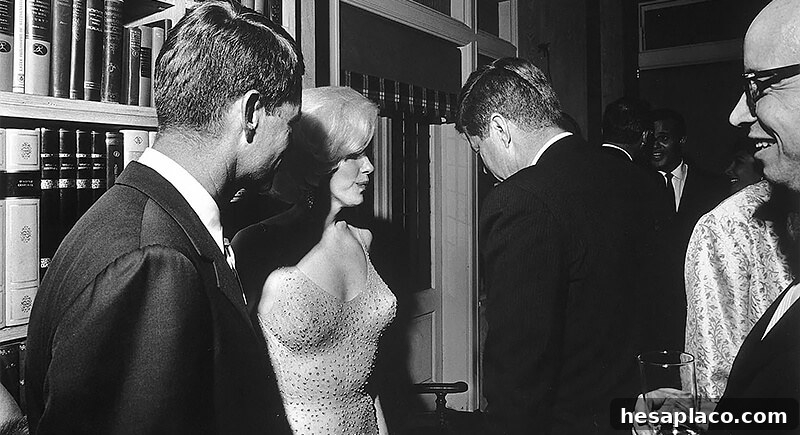
Rumored relationships with President John F. Kennedy and Attorney General Robert Kennedy have long fed theories about Marilyn’s final days. While official investigations attributed her death to a drug overdose, her associations with powerful figures contributed to persistent doubts and alternative narratives.
Legal Ambiguities Complicated Control Over Her Image

Credit: Facebook
Courts later found that New York law at the time did not extend a right of publicity beyond Marilyn’s death, weakening her estate’s exclusive claim to her likeness in some jurisdictions. That legal gray area allowed others in certain states to use her image without the estate’s permission, complicating efforts to maintain strict control over her commercial identity.
Her Personal Items Sold for Millions at Auction
Credit: flickr
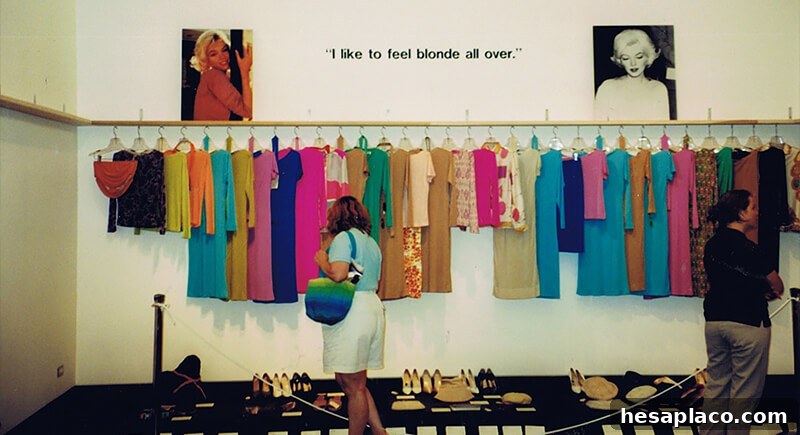
In 1999, Christie’s auction of Marilyn Monroe’s personal effects fetched more than $13 million. Memorabilia including clothing, makeup, and handwritten notes drew intense interest from collectors and fans, demonstrating the enduring emotional and financial value attached to her possessions.
The Brentwood Home Was Nearly Lost to Demolition

Credit: Facebook
The Brentwood house where Marilyn spent her final days almost faced demolition in 2023. Preservationists campaigned to save the property, and the Los Angeles City Council ultimately designated it a historic landmark. The house remains a poignant, personal symbol tied to the end of her life.
Marilyn’s Estate Serves as a Cautionary Tale for Estate Planning
Credit: Facebook
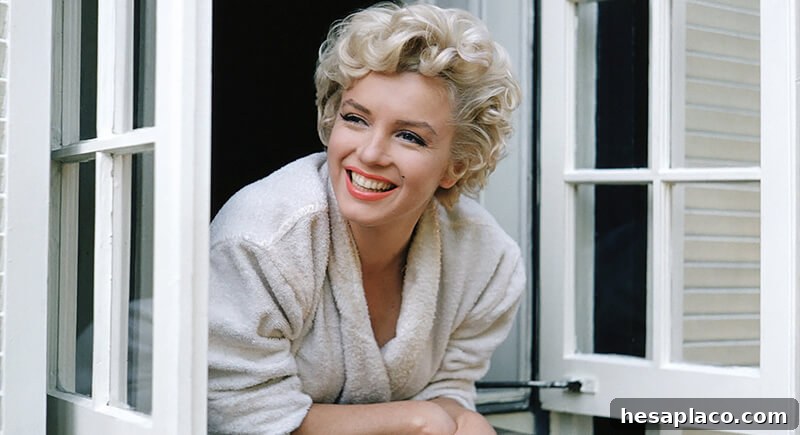
Estate attorneys often cite Marilyn’s case when discussing the consequences of failing to protect intellectual property and establish clear estate plans. Because she did not create a living trust or secure posthumous publicity rights in advance, control over her likeness passed to people and organizations outside her immediate circle.
The Estate Fought to Protect Her Digital Likeness

Credit: Facebook
In 2014, a dispute arose over plans to use a digital recreation of Marilyn in a virtual tour. The estate challenged unauthorized digital reproductions, arguing they violated Monroe’s posthumous rights and dignity. The case underscored the growing need to address how celebrity images are reproduced and monetized in the digital era.
Major Brands Leveraged Marilyn’s Timeless Image
Credit: Facebook
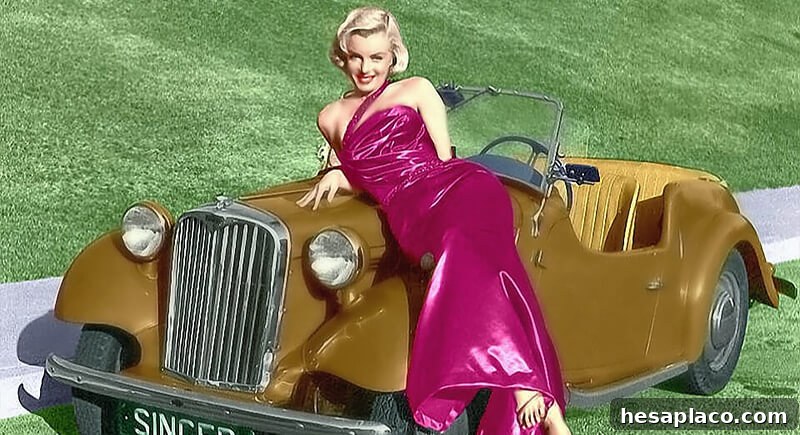
Under Anna Strasberg’s stewardship and later through Authentic Brands Group, Monroe’s likeness has been licensed for campaigns and products ranging from perfumes to automotive promotions. These deals introduced Marilyn to new audiences while keeping her image ubiquitous in advertising and merchandise.
Her Cultural Presence Endures Across Fashion and Film
Credit: Facebook
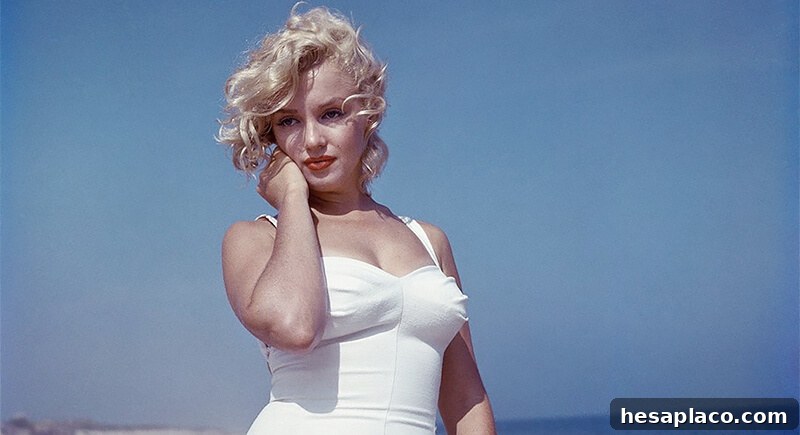
Partnerships with fashion houses, documentary filmmakers, and museums have kept Marilyn’s image in public view. These placements help preserve her status as a cultural icon while generating ongoing interest in her life and work.
A Preservation Controversy Erupted Over Her Famous Gown
Credit: Youtube
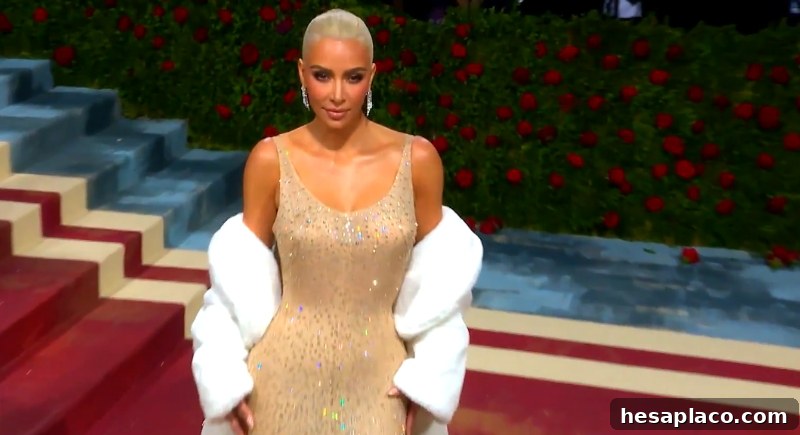
When a high-profile celebrity wore Marilyn’s “Happy Birthday, Mr. President” dress to a major event in 2022, collectors and historians expressed alarm online about fabric stress and missing embellishments. Although the custodian of the dress denied that significant damage occurred, the incident highlighted how fragile and contested items connected to Monroe’s legacy can be.
An AI “Digital Marilyn” Sparked Ethical Debate
Credit: Facebook
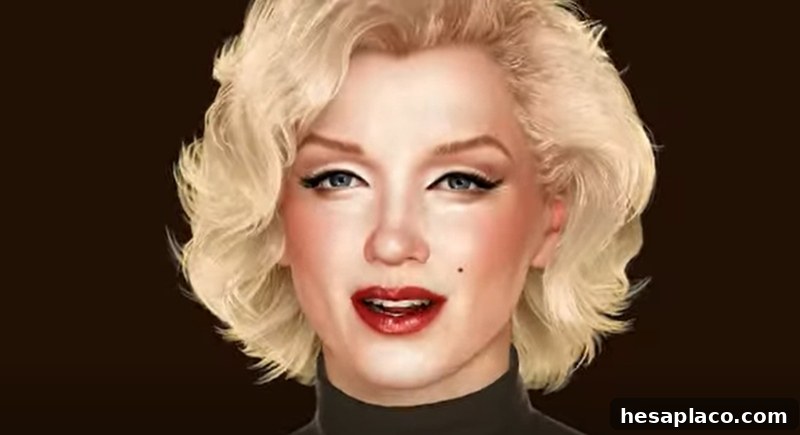
Licensing deals have enabled the creation of an AI-generated Marilyn intended for commercials, entertainment projects, and virtual appearances. The concept divided opinions: some fans found it disconcerting to see a simulated version of someone who cannot consent, while others viewed it as an evolution of celebrity branding. The debate emphasized the ethical challenges of recreating deceased personalities for profit.