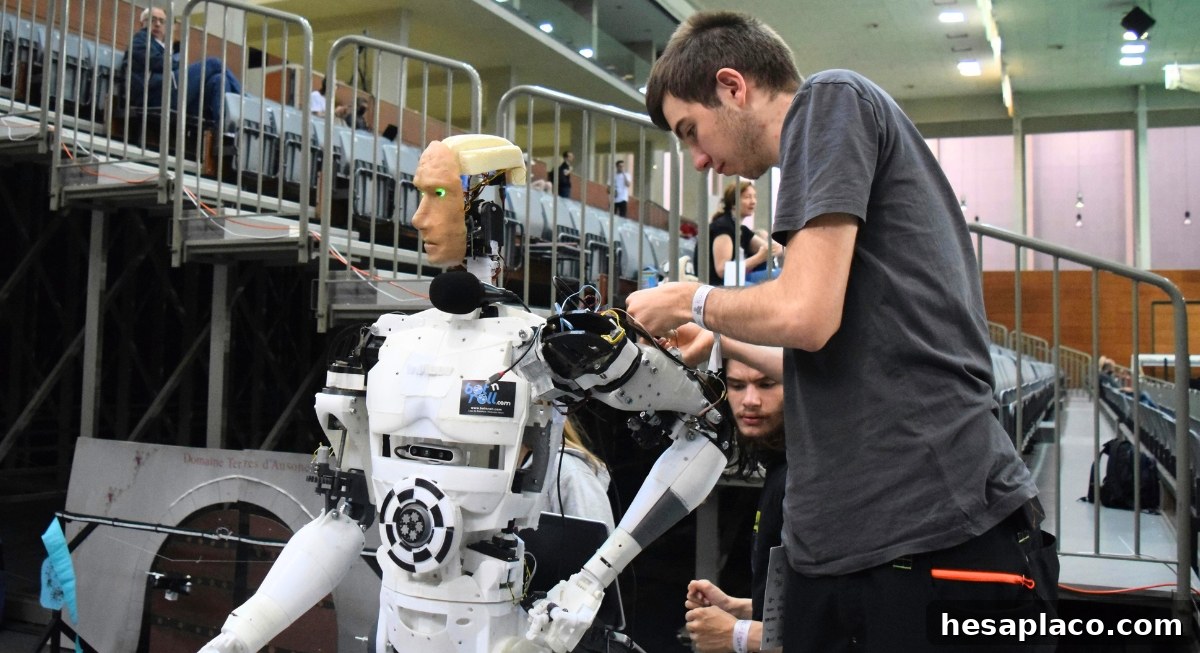
The headlines make it sound like robots are coming for everything—and to some extent, they are. A 2019 Brookings report estimated that about a quarter of U.S. jobs were at high risk of automation, particularly in food preparation, administrative roles, and transportation. Yet while machines will increasingly handle routine tasks, they will also create entirely new career paths, as has happened with past technological shifts.
Consider how uncommon careers once became mainstream: ten years ago few people studied drone logistics or influencer marketing. The job market is evolving rapidly. Those who cultivate creativity, empathy, strategic thinking, and adaptable technical skills will be best positioned for the opportunities ahead.
AI Personality Designer

Credit: Pressmaster
By the mid-2030s, virtual assistants and chatbots won’t just be functional—they’ll have personalities tailored to users’ preferences. AI personality designers will craft digital personas for brands, households, or specific moods, blending psychology, storytelling, and conversational design to create agents people feel comfortable interacting with.
Synthetic Food Developer

Credit: Canva
Lab-grown meats, precision fermentation, and advanced plant-based products are only the beginning. Synthetic food developers combine culinary art with biotechnology to design foods that are flavorful, nutritious, and environmentally sustainable. This field offers the chance to invent new protein sources and alternative food systems without relying on conventional agriculture.
Drone Traffic Controller
Credit: Canva
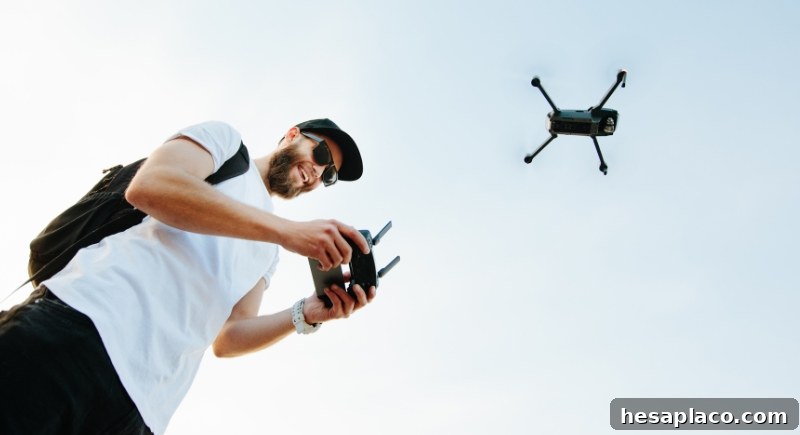
Urban airspaces will get crowded with delivery drones, air taxis, and autonomous aircraft. Drone traffic controllers will manage that movement—preventing collisions, coordinating routes, and integrating low-altitude air traffic with city infrastructure. The role will blend air traffic management, urban planning, and real-time systems coordination.
Genetic Health Designer
Credit: Getty Images
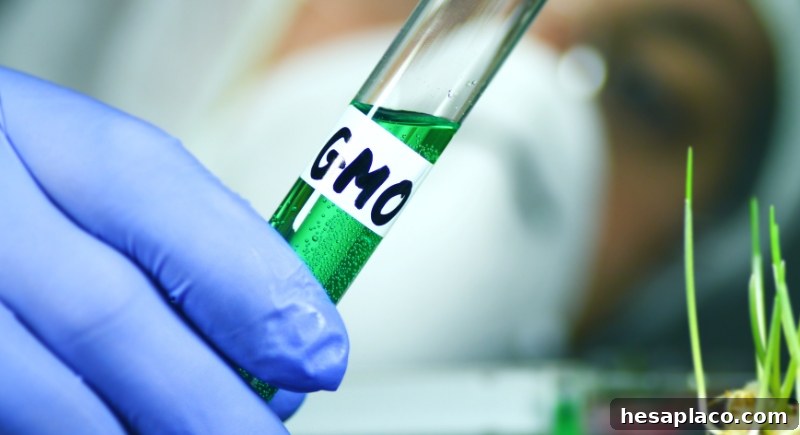
As gene-editing technologies like CRISPR advance, demand will grow for advisors who can guide individuals and families through medical, ethical, and risk-based decisions. Genetic health designers will consult on preventive strategies and personalized interventions, helping people weigh benefits, limitations, and long-term implications.
Reality Content Editor

Credit: Canva
With AI producing increasingly convincing images, audio, and video, reality content editors will be responsible for verifying, labeling, and correcting digital media before it reaches the public. Their work will help maintain trust in information ecosystems by identifying manipulated content and ensuring transparency in media production.
Climate Adaptation Analyst

Credit: Getty Images
As extreme weather patterns become more frequent, climate adaptation analysts will help cities, businesses, and communities prepare and respond proactively. They will combine environmental science, risk assessment, and urban planning to design resilient infrastructure and emergency-preparedness strategies that reduce vulnerability before crises occur.
Virtual Habitat Curator

Credit: pexels
Whether the metaverse endures or evolves into another immersive platform, virtual habitat curators will design digital spaces for work, education, entertainment, and socializing. This role blends interior design, game design, and user experience to create environments that are functional, engaging, and accessible—everything from floating libraries to persistent shared worlds.
Digital Currency Advisor

Credit: Canva
As both decentralized cryptocurrencies and centralized digital currencies gain traction, individuals and organizations will need expert guidance. Digital currency advisors will help clients with secure transactions, tax implications, blockchain integration, and long-term financial planning, while staying current on evolving regulations and policy shifts.
Neural Interface Technician
Credit: Getty Images
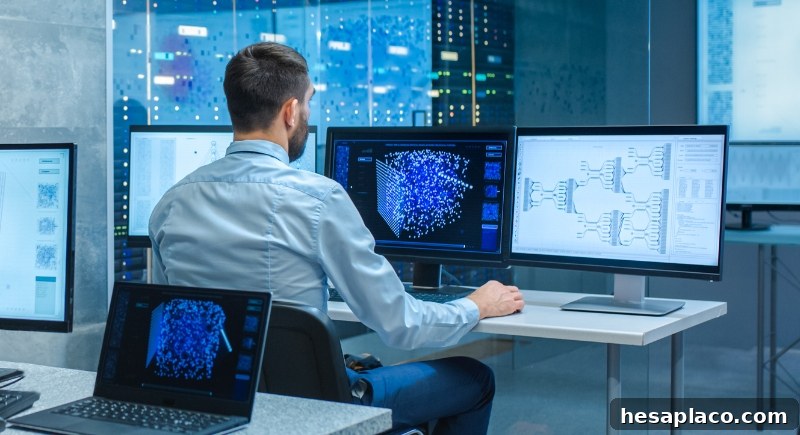
As brain-computer interfaces become more common for medical treatments, accessibility tools, and productivity enhancements, neural interface technicians will install, calibrate, and maintain these systems. The role will merge bioengineering, electronics, and hands-on technical support to ensure safe and effective neural-device operation.
Digital Privacy Consultant

Credit: pexels
In a highly connected world, people and organizations will need help protecting their digital lives. Digital privacy consultants will perform personalized audits, remove or limit exposure of sensitive data, and advise on strategies to reduce surveillance and manage digital footprints.
Virtual Celebrity Manager

Credit: studioroman
Virtual influencers—digital personas created by teams or algorithms—are already influencing culture and commerce. Virtual celebrity managers will handle PR, branding, content strategies, and partnerships for these nonhuman stars, treating the persona’s image and audience engagement with the same care given to human clients.
Environmental Health and Safety Manager

Credit: Getty Images
Workplace safety will grow to include climate-related risks and environmental responsibilities. Environmental health and safety managers will monitor air quality, track emissions, manage green waste, and plan for climate adaptation. As companies pursue ESG goals, the role will expand to include sustainability reporting and forecasting operational risks.
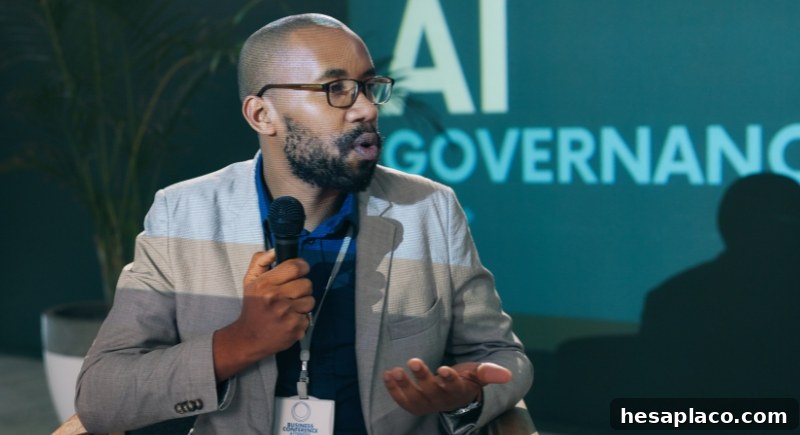
AI Ethics Officer
Credit: Peopleimages.com
As AI systems are embedded across industries, organizations will need roles dedicated to ethical oversight. AI ethics officers will ensure fairness in algorithms, protect data privacy, and maintain compliance with evolving legal and societal standards to align technology with human values.
Sustainable Building Consultant

Credit: Canva
Demand for green infrastructure will drive the need for consultants who specialize in energy-efficient, resource-conserving, and climate-resilient buildings. These experts evaluate materials, water systems, solar integration, and indoor air quality, collaborating with architects, engineers, and policymakers to meet emissions and resilience goals.
Healthcare Data Analyst

Credit: Getty Images
Healthcare is becoming increasingly data-driven. Healthcare data analysts will integrate electronic health records, wearable data, genomic information, and other sources to generate insights that improve diagnoses, predict risks, and tailor treatments. They will also ensure that AI-driven models align with medical reasoning and ethical standards.
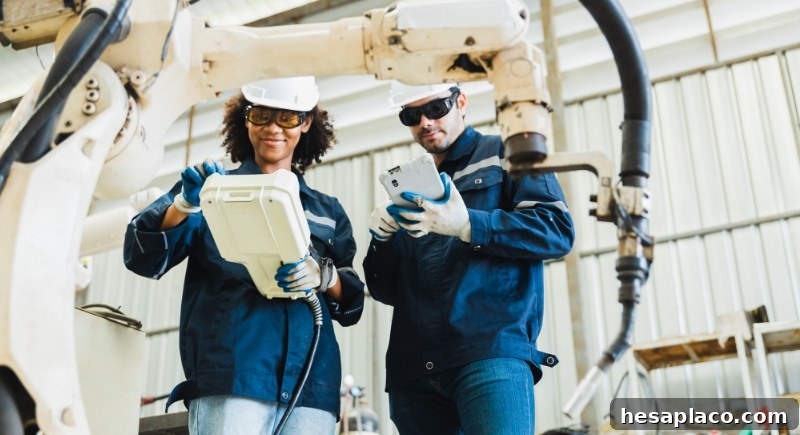
Robotics Technician
Credit: Khwanchai Phanthong’s Images
As automation expands, skilled technicians will be needed to maintain and repair robots across industries—from warehouse automation to medical assistants and agricultural drones. Robotics technicians will combine electronics, mechanics, programming, and AI calibration, along with communication skills to support colleagues who rely on these systems daily.
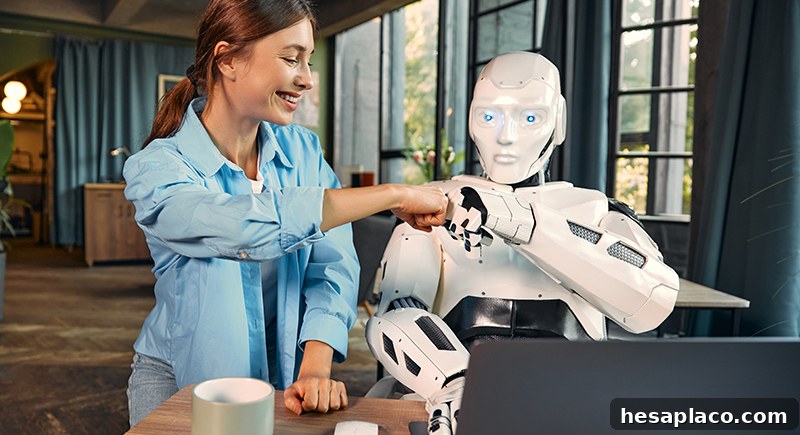
Human-Machine Teaming Manager
Credit: iStockphoto
Integrating human talent with intelligent systems requires thoughtful coordination. Human-machine teaming managers will optimize workflows, resolve friction between people and tools, and foster trust in automation so teams can collaborate productively without feeling sidelined.
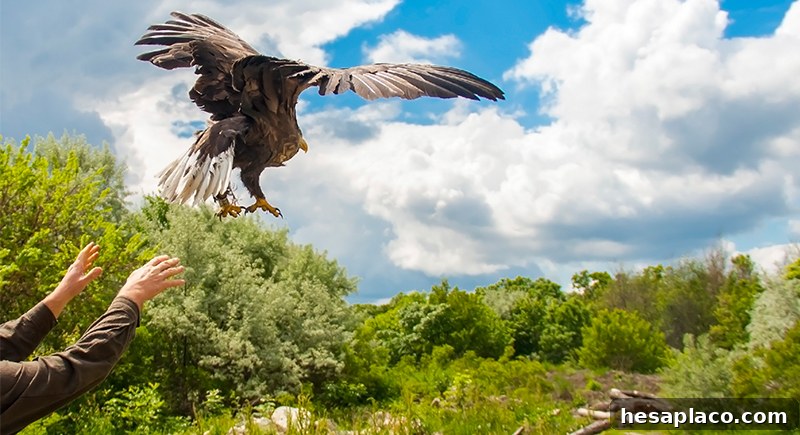
Rewilding Strategist
Credit: iStockphoto
Restoring natural ecosystems will demand intentional planning and local collaboration. Rewilding strategists design interventions to bring landscapes back to health: reintroducing species, adjusting land use, and building ecological systems that can thrive independently. This work combines ecology, long-term planning, and community engagement to rebuild resilient environments.
Across these emerging roles, common themes appear: interdisciplinary skills, ethical judgment, creativity, and the ability to work with advanced technology. Preparing for the future of work means embracing continuous learning and focusing on uniquely human strengths that complement automation rather than compete with it.