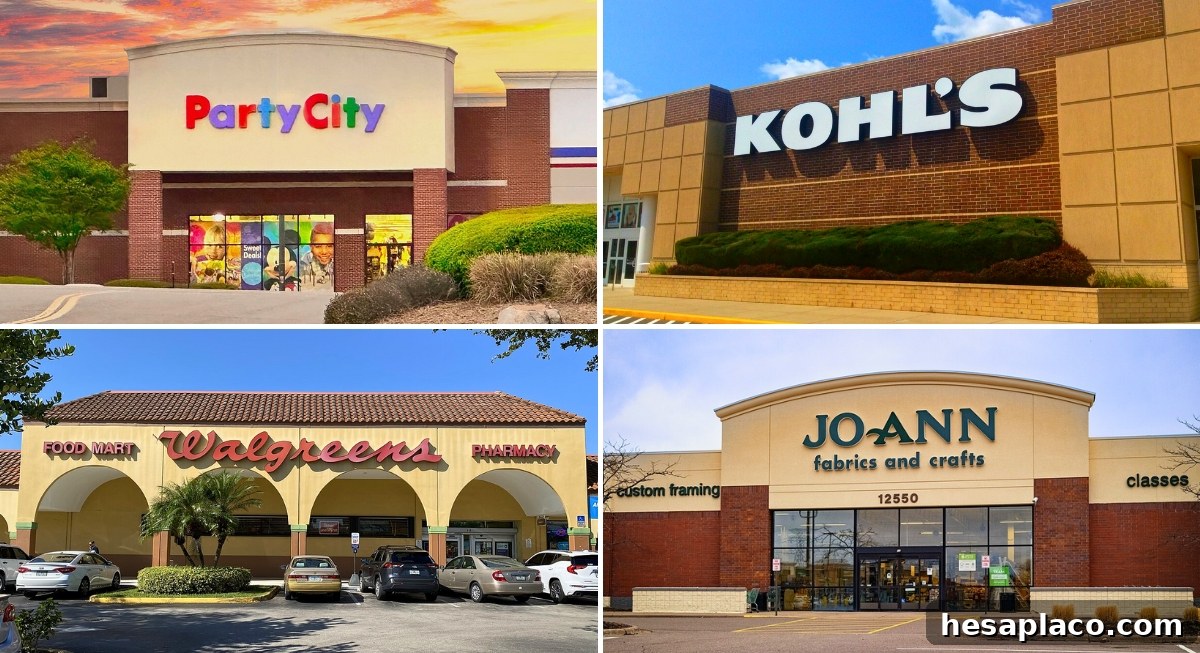
For many people, certain stores were woven into daily life — the places families visited for basics, small treats, or familiar weekend routines. Today, several long-standing favorites are shrinking or closing as shopping habits evolve. Some brands still exist, but their presence is thinning, and it’s increasingly clear that the era they defined is fading.
JCPenney
Credit: Wikimedia Commons
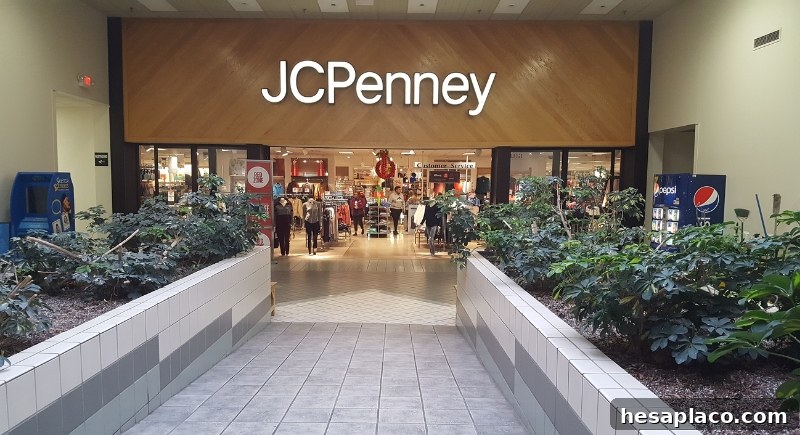
Once synonymous with school-picture outfits, home linens bought with a stack of coupons, and a bustling catalog counter, JCPenney has been steadily closing locations. The gradual loss of anchor stores has left many malls with empty spaces and quieter corridors. The brand survives, but the nostalgic elements — the familiar escalators and catalog counters — are becoming harder to find.
Macy’s
Credit: Wikimedia Commons
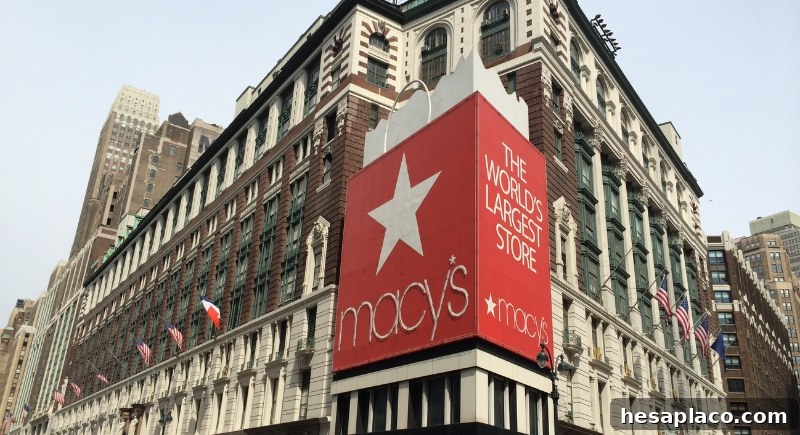
For generations, Macy’s was the go-to for wedding registries, gift wrapping, and spectacular holiday window displays that became family traditions. Now the company is scaling back, closing dozens of locations and consolidating shoppers toward a smaller number of flagship stores. The once-sprawling department store experience is being reduced to a smaller, more concentrated presence.
Big Lots
Credit: Wikimedia Commons
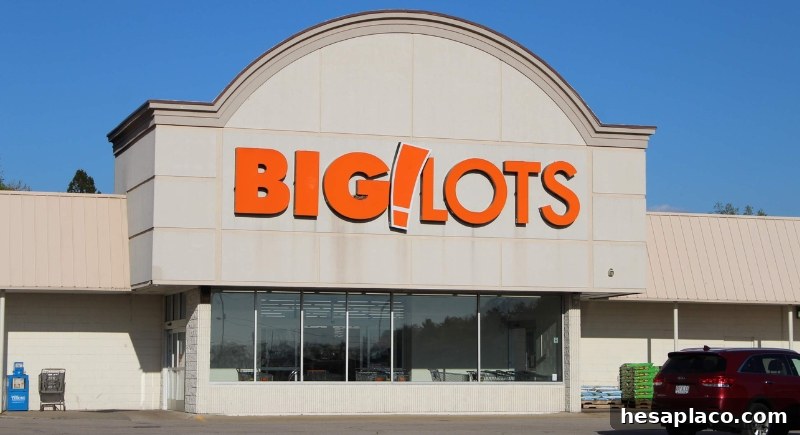
Known for its eclectic mix — where patio umbrellas might sit beside cereal boxes — Big Lots has been shrinking after putting hundreds of leases up for sale. Bargain hunters who depended on the thrill of unpredictable aisles are finding entire regions without a nearby Big Lots. Those accidental discoveries now often require a much longer drive.
Rite Aid

Credit: Wikimedia Commons
Neighborhood routines changed when Rite Aid entered bankruptcy and began closing many of its pharmacies. Communities that relied on quick prescription refills, late-night medicine runs, or impulse purchases now have to find alternatives. The familiar blue signs that once marked convenient corner stores are disappearing from many neighborhoods.
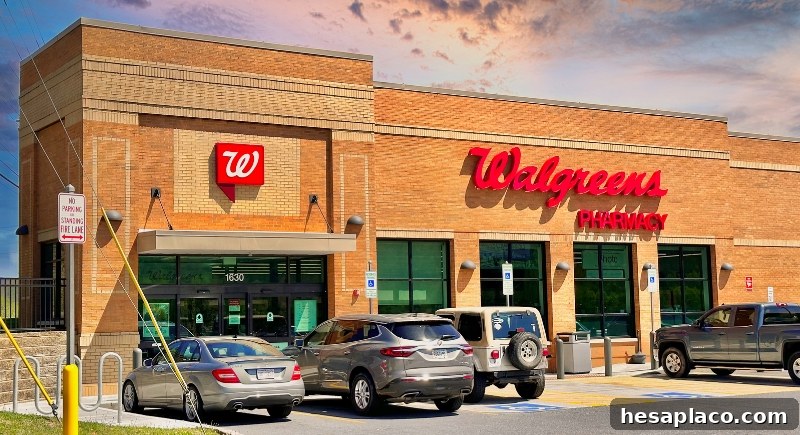
Walgreens
Credit: Wikimedia Commons
Errands built around convenience are changing as Walgreens closes hundreds of stores. The chain that once seemed to have multiple locations on the same block is thinning out. Picking up toothpaste, snacks, or last-minute greeting cards now often requires more advance planning than it used to.
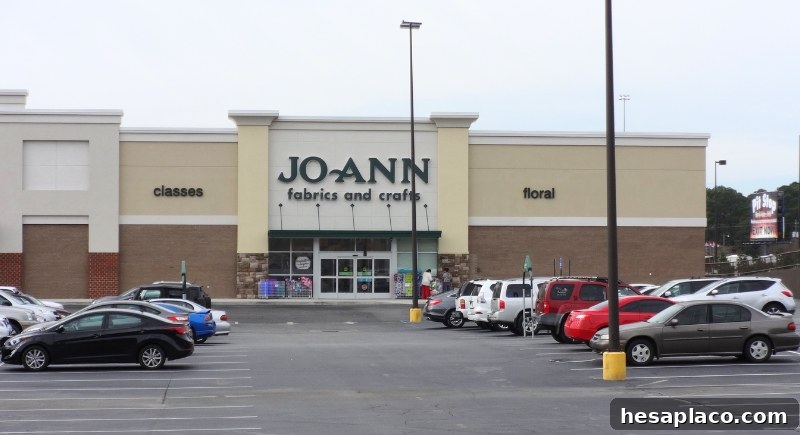
Joann Fabrics and Crafts
Credit: Wikimedia Commons
Craft enthusiasts felt Joann’s contraction personally. A longtime destination for sewing patterns, yarn, and general craft supplies, Joann filed for bankruptcy and announced large-scale closures. Estimates suggest several hundred to more than 800 stores will close, while roughly 350 locations remain open — a substantial reduction that reshapes local crafting communities.
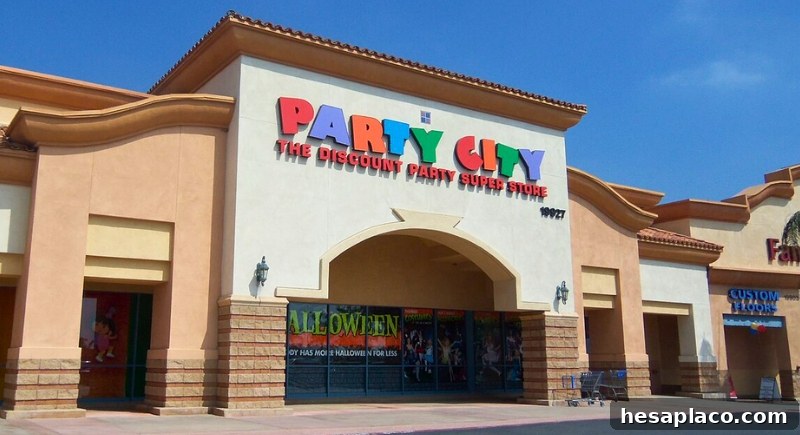
Party City
Credit: Wikimedia Commons
People who relied on Party City for last-minute balloons, themed plates, and Halloween costumes are facing a nationwide wind-down. The chain that made it easy to improvise a party or costume at the last minute is fading, leaving planners to prepare further in advance. What used to be a frantic, fun dash the night before now requires more coordination.
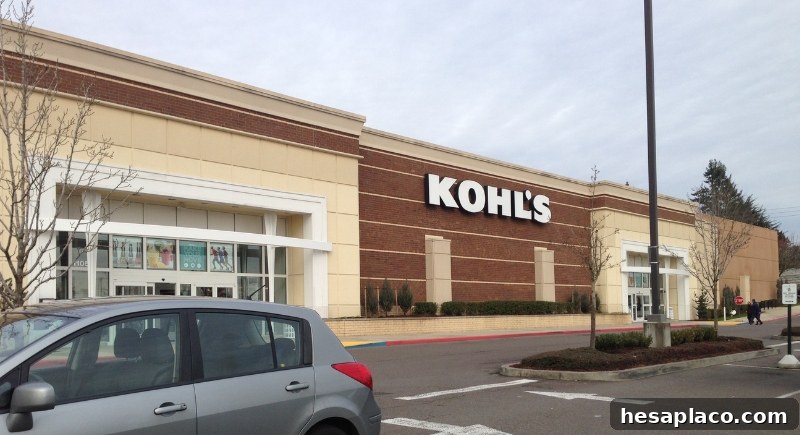
Kohl’s
Credit: Wikimedia Commons
Kohl’s remains broadly operational, but recent closures have altered how many shoppers access the store. Regular customers who incorporated Kohl’s Cash and in-store deals into their routines are discovering that nearby locations may close. While Kohl’s continues to operate at scale, unplanned visits and quick trips are becoming less reliable for some communities.
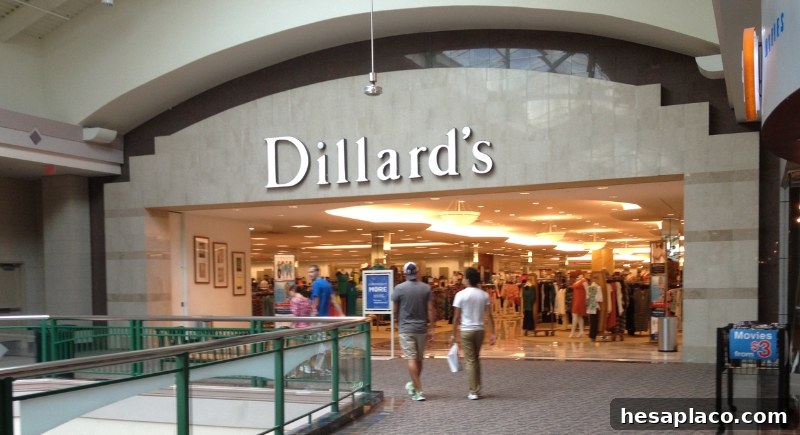
Dillard’s
Credit: Wikimedia Commons
Some Dillard’s closures went largely unnoticed by casual shoppers, as the rest of the chain continued operating normally. Still, loyal customers were often the first to notice missing home departments or closed escalators. The contraction has been subtle enough that the impact is most deeply felt by regular patrons.
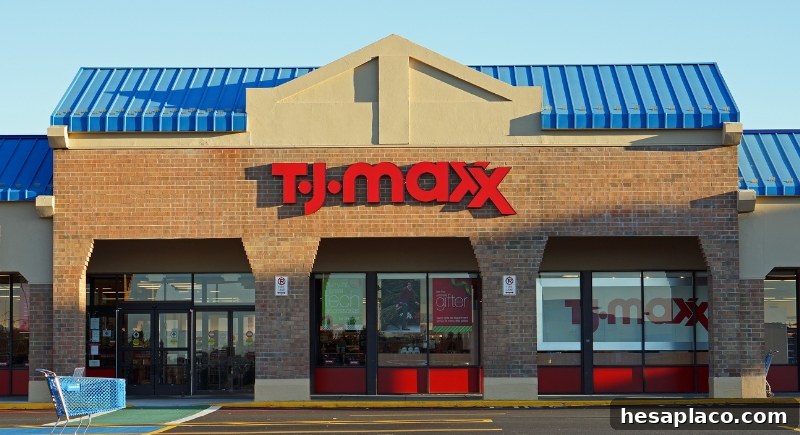
T.J. Maxx
Credit: Wikimedia Commons
Shoppers in Boston were surprised when a flagship T.J. Maxx announced its closing. The store had been a favorite for bargain hunters and those who enjoyed finding unexpected designer pieces. Although the chain overall remains successful, the loss of this popular location marks the end of a special spot many shoppers considered especially fun to browse.
As these closures and downsizings continue, the retail landscape will keep shifting. Some chains will adapt by focusing on fewer, larger stores or on bolstering online offerings, while others may gradually disappear from neighborhoods that once relied on them. For shoppers, the change means planning ahead more often and appreciating the stores that remain close by.