Many well-known companies didn’t begin with elaborate plans. They often emerged from side projects, experiments, or modest ideas their founders never expected to become major ventures. What started as a quick fix, a late-night hobby, or even a joke sometimes resonated with people and spread far beyond the original circle. The stories below illustrate how casual beginnings can spark innovations that reshape entire industries.
Groupon
Credit: Wikimedia Commons
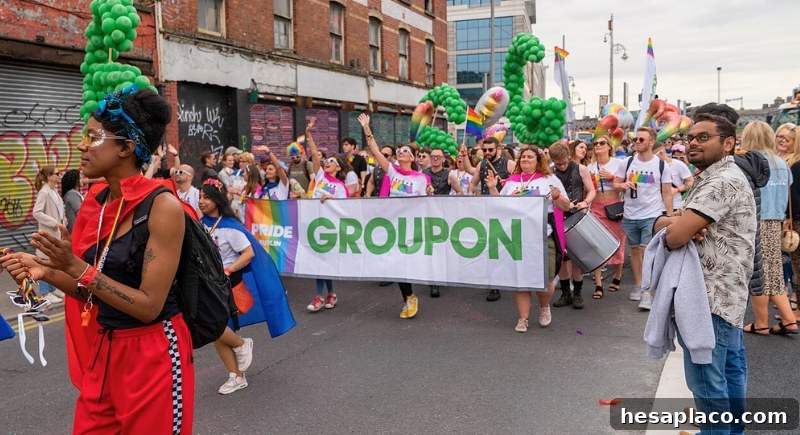
Groupon began as a small experiment called “The Point,” a platform intended to let people coordinate around causes or collective actions. As a side idea, the founders tried offering group discounts just for fun. That experiment quickly found an audience and grew into a major company, sparking the daily-deals phenomenon and changing how local businesses marketed to customers.
Cards Against Humanity
Credit: Instagram
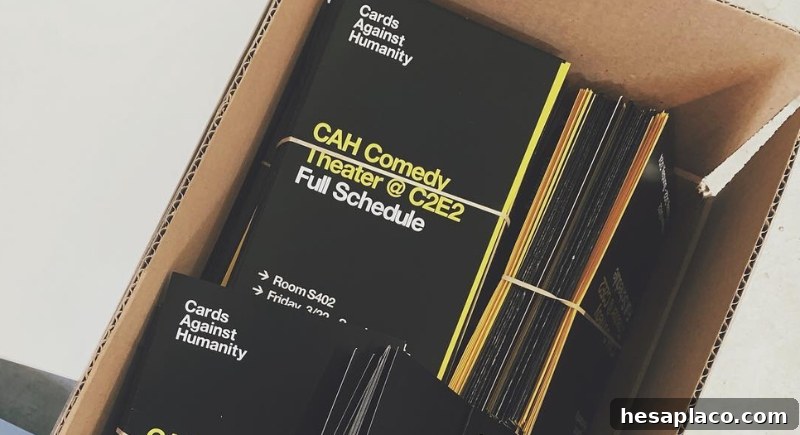
Cards Against Humanity started as a party game created to liven up a New Year’s Eve celebration. The creators later uploaded a free version online, expecting only a handful of downloads. Instead, its irreverent, dark humor found a wide audience and turned the game into one of the most recognizable party titles worldwide.
Slack
Credit: pexels
Slack didn’t start as a workplace tool. Its creators were building an online game called Glitch and developed an internal chat system to coordinate the team. When the game failed to attract a large audience, the communication tool outlived the project. Released on its own, the chat platform became one of the most widely adopted applications in modern offices.
Credit: pexels
Twitter grew out of Odeo, a struggling podcast startup. One team member proposed a side project: a simple service for short status updates. Named twttr, it was not the company’s main focus, just a lightweight experiment. As Odeo faded, twttr continued to gain users and eventually surpassed the original business in importance and cultural impact.
YouTube

Credit: Canva
YouTube was originally conceived as a dating site where people would post videos introducing themselves. The concept didn’t attract users in that form, so the founders opened the platform to any kind of video content. Once people began uploading a wider variety of clips, the site evolved into a new form of entertainment and a hub for creators worldwide.
FedEx
Credit: pixabay
FedEx founder Fred Smith first outlined the concept for overnight shipping in a college paper. His professor doubted the idea, but Smith pursued it anyway and launched a company based on that vision. Facing near failure at one point, he famously gambled his company’s last funds in Las Vegas and won enough to continue—an unlikely turn that helped build a global logistics leader.
Credit: pexels
When Reddit launched, its founders created fake accounts and posted content to give the site the appearance of activity. That early seeding piqued real users’ curiosity and helped kickstart discussions. Over time, authentic contributors joined, and Reddit grew into one of the internet’s largest platforms for news, humor, and countless specialized communities.
Yellow Pages

Credit: Wikimedia Commons
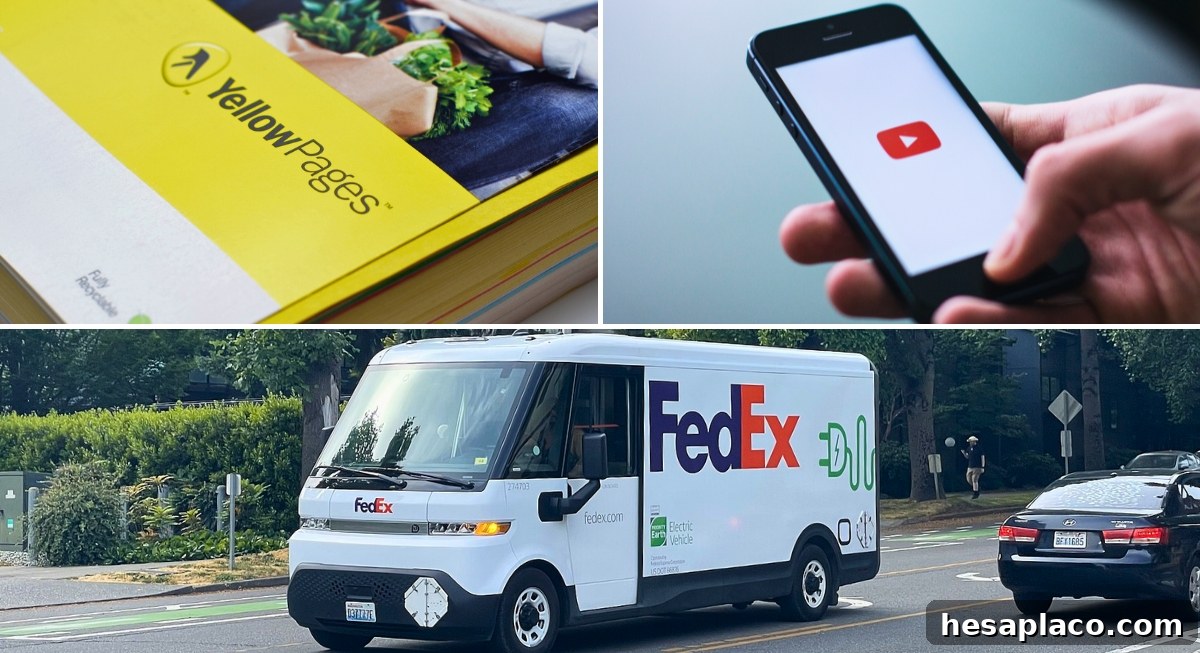
The Yellow Pages were born from a simple printing mistake in 1883: a printer ran out of white paper while producing a telephone directory and used yellow paper instead. The color made the listing stand out, and the idea quickly caught on. What began as an accident became the international standard for business directories for decades.
Ben & Jerry’s

Credit: Wikimedia Commons
Ben Cohen and Jerry Greenfield took a $5 correspondence course on ice-cream making and opened a small shop in a renovated gas station for fun. Their imaginative flavors, relaxed branding, and commitment to quality made the shop a local favorite, and the brand eventually expanded into an internationally recognized company known for both its products and social activism.
Craigslist
Credit: Wikimedia Commons
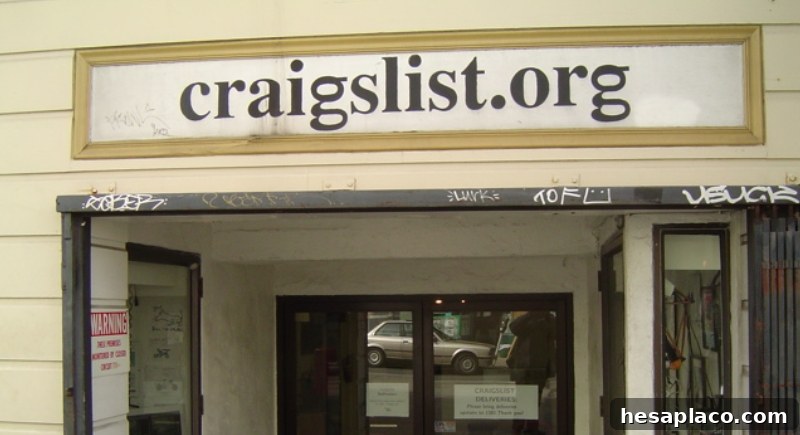
Craig Newmark started Craigslist as a simple email list to inform friends about local events. The list gradually shifted into a place for people to post classifieds—items for sale, job listings, and services. Despite its minimalist design and lack of heavy monetization, Craigslist became one of the web’s most enduring and useful resources for local communities.

Credit: Wikimedia Commons
Instagram evolved from an app called Burbn, which tried to combine many features—check-ins, games, and photo sharing. The founders noticed users primarily loved sharing photos, so they stripped the product down to that core function. The result was a clean, focused app that transformed how people capture and share moments online.
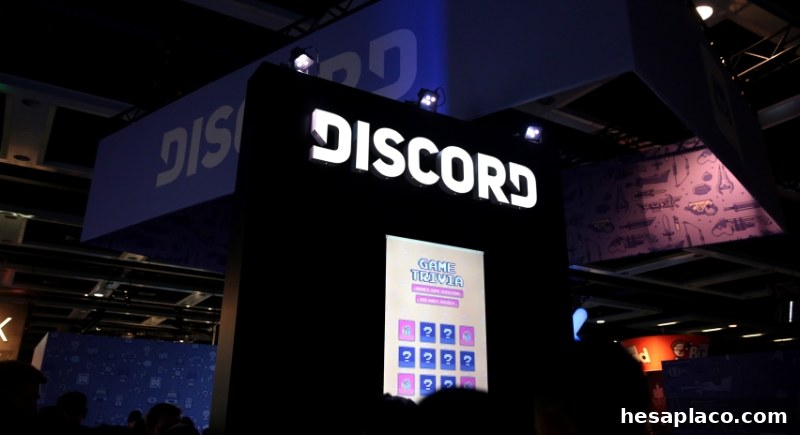
Discord
Credit: Wikimedia Commons
Discord began as a voice and text chat solution built for gamers who needed reliable, low-latency communication. Its superior audio quality, easy setup, and invite culture helped it grow quickly beyond gaming circles. Today, Discord hosts millions of communities spanning hobbies, education, work, and social groups, all centered around conversation and organization.
Spanx

Credit: Instagram
Spanx started with a practical experiment: Sara Blakely wanted a smoother silhouette under her clothes, so she cut the feet off a pair of pantyhose to create a makeshift undergarment. Friends were skeptical, but the idea solved a common problem. Blakely refined the concept, launched a product line, and built a business that redefined shapewear and empowered a new approach to everyday apparel.