
Some jobs slowly drain the life out of you; others simply stop making sense. Maybe you’re chronically tired, stuck in the same place, or just done with the daily grind. If you find yourself daydreaming about quitting more often than you actually focus on work, that’s a clear sign. Work shouldn’t feel like a countdown every day.
These signals are loud—like a nudge you shouldn’t ignore. Take a look at them.
You’re Constantly Exhausted and Emotionally Flat

Credit: pexels
No amount of sleep or an easier-looking week on paper seems to help. Your body and mind feel like they’re stuck in power-save mode. Simple tasks take extraordinary effort, and weekends fail to restore you. When recovery never comes and every day requires more effort, burnout may no longer be temporary—it’s settled in.
Your Role Has Shifted Without Your Input

Credit: pexels
One day you’re focused on strategy and long-term goals; the next, you’re updating spreadsheets and covering client calls you didn’t sign up for. If responsibilities shift drastically without discussion, or your skills go unused, it’s a sign you’ve been reshuffled rather than supported.
You’ve Hit a Ceiling With No Way Up

Credit: Canva
Career plateaus aren’t always obvious. But when your role stays the same despite requests for growth, or promotions pass you by without explanation, the message is clear. Without a visible path upward, staying only delays your development and closes new doors.
You’re Doing More Work for the Same Pay

Credit: Canva
After layoffs or restructuring, your workload may double while your salary stays the same. If you’re covering others’ responsibilities, running initiatives unofficially, or doing managerial tasks without compensation, you’re being taken for granted. Extra responsibility without reward rarely ends well.
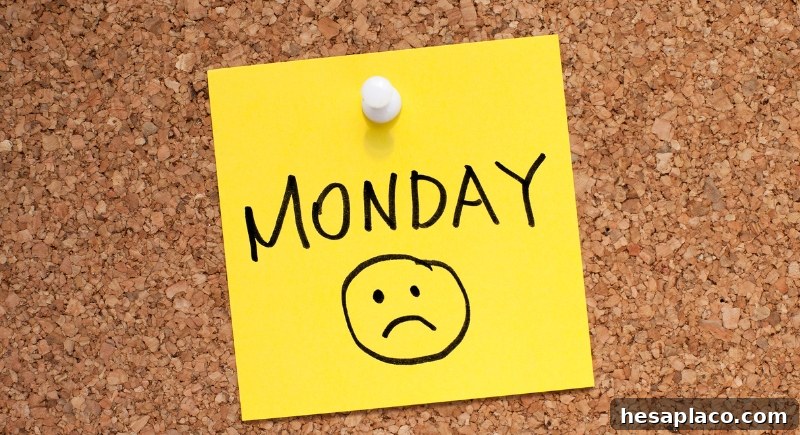
You Dread Monday Before Sunday Even Ends
Credit: Getty Images
Being mildly unhappy about Monday is one thing; having your weekend taken over by dread by Saturday night is another. When anticipatory anxiety hijacks your free time, it erodes your ability to rest and enjoy life outside work.
You No Longer Believe in the Work

Credit: Getty Images
At first you believed in the mission, or at least respected it. Now it’s background noise. Leadership changes, shifting priorities, or a disconnect with values can strip meaning from your work. When your “why” fades, so does engagement—tasks become chores rather than choices.
Your Job Is Affecting Your Physical Health

Credit: pexels
Tight shoulders, stomach problems, migraines, insomnia, or a persistent sense of physical depletion are warning signs. Your body often signals that something is wrong before your mind fully processes it. Trading health for a paycheck is never a sustainable choice.
You Feel Unseen or Undervalued

Credit: Getty Images
When your hard work goes unnoticed, ideas vanish without acknowledgment, and feedback is nonexistent, motivation dwindles. A workplace doesn’t need to be hostile to be harmful—feeling invisible is often the clearest warning that the environment isn’t supporting you.
Work Has Taken Over Your Personal Life

Credit: Canva
When boundaries become suggestions and your team expects round-the-clock availability, the line between work and life gets erased. Constant accessibility and pressure to prioritize work over personal time lead to lost balance and dwindling patience.
You’ve Withdrawn From Colleagues

Credit: Getty Images
Declining invites, keeping your camera off in meetings, or avoiding conversations you once enjoyed are small but meaningful signs. Withdrawal often precedes formal resignation; it’s a quiet form of quitting that reflects deeper dissatisfaction.
The Workplace Culture Feels Hostile

Credit: Canva
Not every workplace is warm and fuzzy, but when passive-aggression fills emails, cliques steer decisions, and meetings feel like minefields, the culture is toxic. Favoritism, fear, and silence create an environment that’s hard to fix from your desk.
Your Manager Is Creating More Stress Than Support

Credit: pexels
Good managers guide and support; bad ones micromanage, disappear, or constantly reroute your work. If you dread meetings, anticipate criticism, or rewrite messages out of fear, your manager may be undermining your well-being. Leadership matters more than job description.
Your Company Isn’t Investing in Your Future

Credit: Dragon Images
Training budgets disappear, conferences get canceled, and promises of mentorship or stretch projects turn into vague “someday” replies. If your employer talks about growth but repeatedly delays or withdraws support, that’s a lack of real commitment. Your career deserves tangible investment, not empty promises.
You’re Thinking About Other Jobs Constantly

Credit: Canva
Spending more time researching openings, networking, or mentally rehearsing resignation conversations than focusing on your current work is a sign the desire to leave has taken root. That planning often means you’re farther along in the decision-making process than you realize.
You’ve Started Fantasizing About Quitting

Credit: Canva
The idea of quitting has become more than a fleeting thought—you’ve mapped out your resignation email, chosen an exit playlist, or rehearsed your goodbye in your head. When the idea of leaving brings comfort instead of panic, the decision may already be made; the remaining step is taking action.