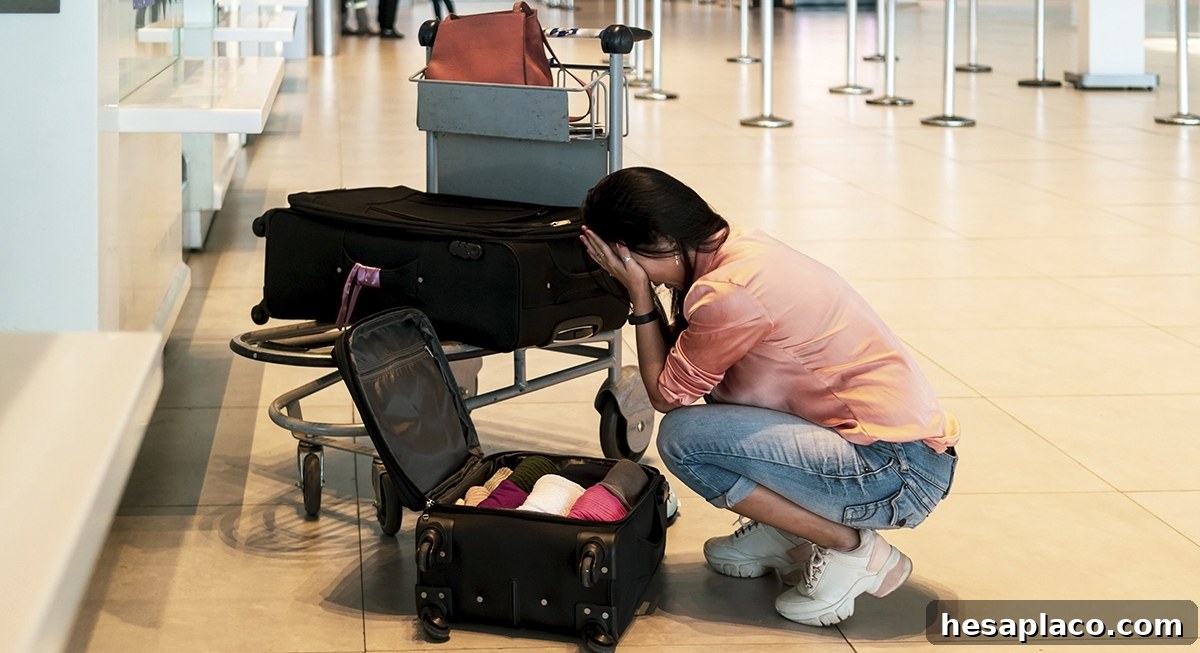
Airports can overwhelm even the most organized travelers. Moving quickly through unfamiliar terminals, focusing on departure times and navigating constant announcements increases the chance of forgetting items. Lost-and-found offices receive thousands of belongings every year, and the same items appear repeatedly. Below are the things most commonly left behind and why it happens, plus simple steps to reduce the risk.
Cell Phones
Credit: Getty Images
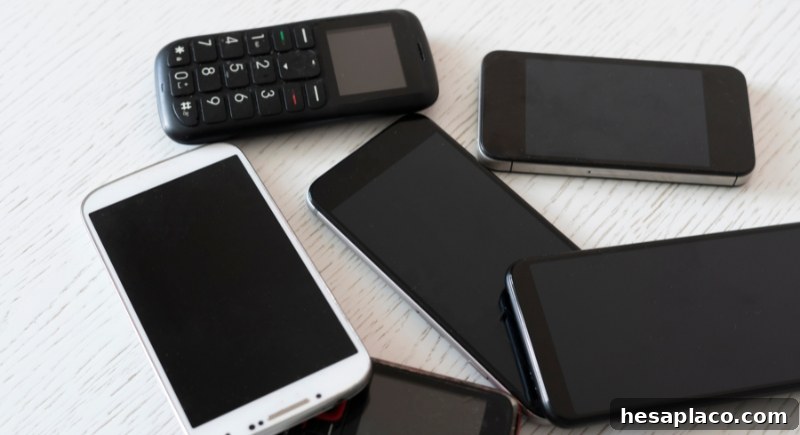
Cell phones top the list. They are often left at charging stations when passengers forget chargers still in the socket, or on seating during hectic boarding calls. Phones rarely carry obvious identifying details, so adding a visible label, a unique case, or activating device tracking makes recovery far easier.
Passports
Credit: Getty Images
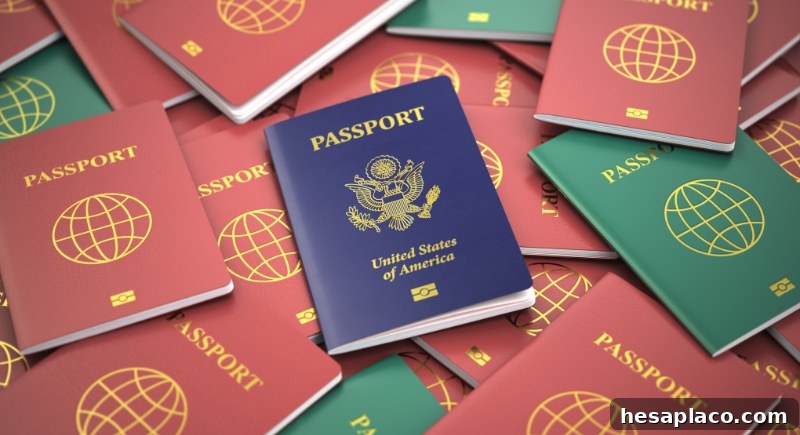
Passports are handled repeatedly before boarding, and each exchange raises the chance they’re misplaced. Travelers commonly leave them on counters after showing them to staff or tuck them temporarily into folders and forget. Without a passport, you cannot board international flights, and missed connections can be costly and stressful.
Laptops
Credit: iStockphoto
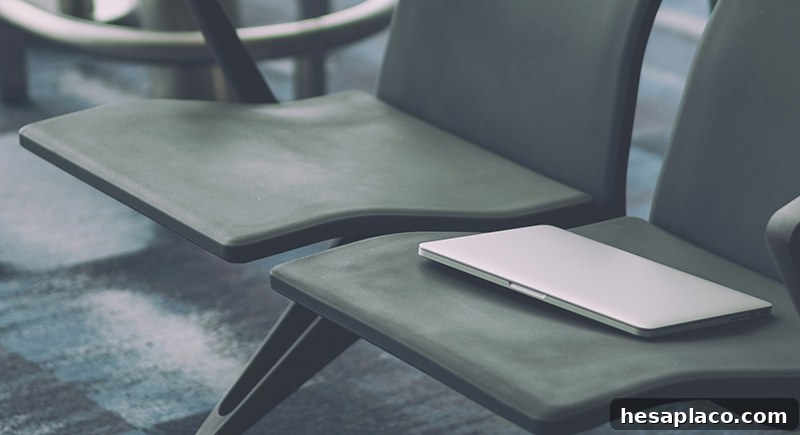
People often work at gate seating areas or food courts and then dash to board, leaving laptops behind. To prevent this, pack devices immediately after use or keep them in sight when moving from a seating area to the gate.
Keys

Credit: Getty Images
Keys commonly disappear during security screening when passengers scatter pocket contents into trays. Attaching keys to a small carabiner or keeping them in a secure pocket reduces the chance they’re left behind. Lost-and-found staff often sort mixed collections of car fobs, house keys and locker keys.
Headphones

Credit: freepik
Headphones and wireless earbuds are frequently removed while grabbing a drink or preparing documents and then forgotten on counters. Because cases and earbuds usually lack personal markings, airports end up with bins full of anonymous pairs waiting for owners to claim them.
Books

Credit: pexels
Books are often set down while passengers hunt for boarding passes and then left behind. After a holding period, many airports donate unclaimed books to local programs, which gives the stories a new home but leaves the original owner without their copy.
Tablets and E-readers

Credit: iStockphoto
Tablets and e-readers often contain work files, saved tickets, maps and reading material. Misplacing one can disrupt plans and be expensive to replace mid-trip. Storing devices in a single zippered compartment after use reduces the chance of forgetting them.
Luggage
Credit: Getty Images
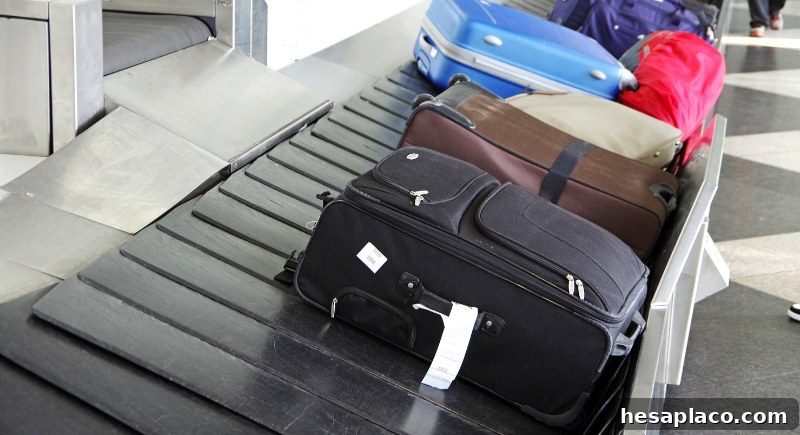
Carry-on bags can be left behind in crowded areas where passengers repack after screening. Airport staff report finding suitcases near cafés and restrooms. Unclaimed luggage is stored for a time and then often sent to specialized facilities where contents are sorted and resold.
Sunglasses

Credit: Canva
Prescription or expensive sunglasses are commonly removed when handling documents or eating and then left behind. Because they can be both costly and essential, keeping them in a designated case or pocket helps prevent loss.
Jackets and Coats

Credit: Getty Images
Passengers frequently remove outer layers after entering warm terminals and drape jackets over seats or counters, then forget them when boarding. A stitched-in label or a contact card in a pocket increases the chance of reunion with the owner.
Shoes

Credit: iStockphoto
Unclaimed shoes are often donated to charities after a standard holding period. Lost-and-found areas show shelves of single sneakers and unmatched pairs, particularly slip-ons and casual shoes left near security checkpoints.
Travel Adapters
Credit: Getty Images
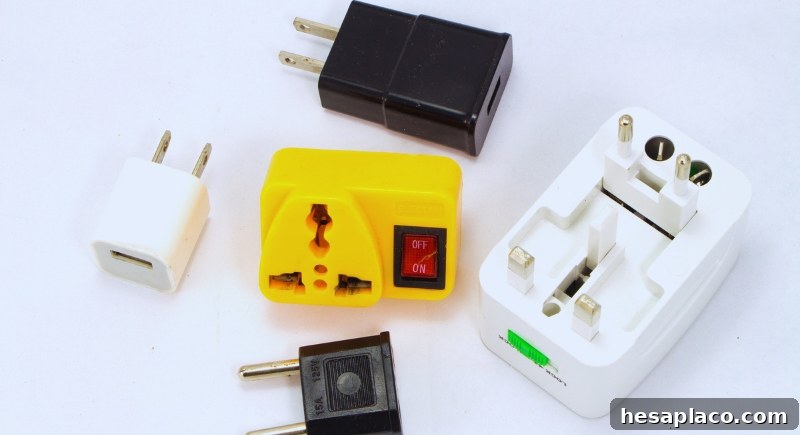
Small travel adapters are surprisingly common in lost-and-found collections. Often left near floor charging stations or outlets, they are hard to trace because they lack personal identifiers. Keeping them clipped inside a bag compartment helps prevent accidental loss.
Car Seats and Walkers
Credit: iStockphoto
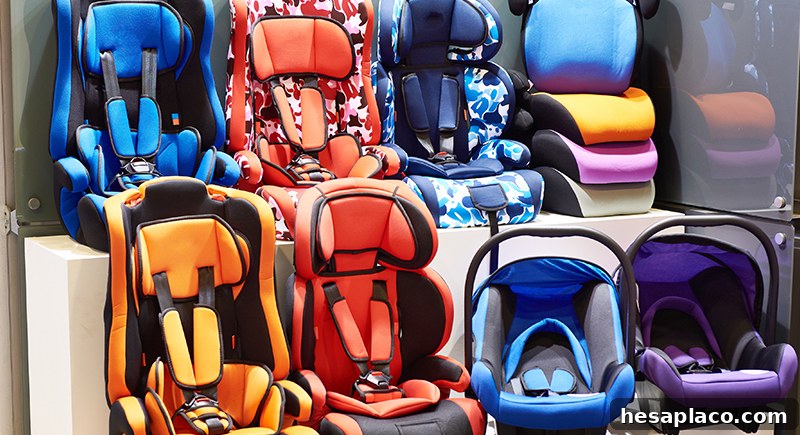
Large items like car seats and walkers sometimes get left behind during stressful transfers or after gate checks. Losing essential equipment can create serious challenges on arrival, so double-check belongings before leaving a gate or vehicle.
Wallets

Credit: Canva
Wallet loss is especially disruptive because it contains money, IDs and travel cards. Fortunately, many wallets include identification that allows staff to locate owners. Wallets are commonly found on restroom counters, under lounge chairs or in security bins.
Jewelry

Credit: Getty Images
Small valuables like rings, bracelets and necklaces often end up in security trays or lounge chairs after being removed for comfort or to pass through scanners. To avoid leaving jewelry behind, place items in a clearly labeled pouch whenever you remove them.
These common losses share a pattern: hurried movement, distractions and multiple handoffs. Simple habits—storing essentials in designated pockets, labeling important items, and pausing for a quick inventory before leaving a seating area or gate—greatly reduce the odds of becoming part of the lost-and-found statistics.