
What do bananas, cloud servers, cartoon mice, and luxury cars have in common? They’ve all been touched by the wave of layoffs sweeping 2025. Even companies long perceived as untouchable are shrinking headcounts — often dramatically — as they adapt to new market realities.
Most reductions are driven by the need to reallocate resources to artificial intelligence, abandon outdated business lines, or reassure investors. Below are notable examples that illustrate how these forces are reshaping corporate staffing and operations.
UPS Cuts Jobs Amid Shift Away From Amazon
Credit: Wikimedia Commons
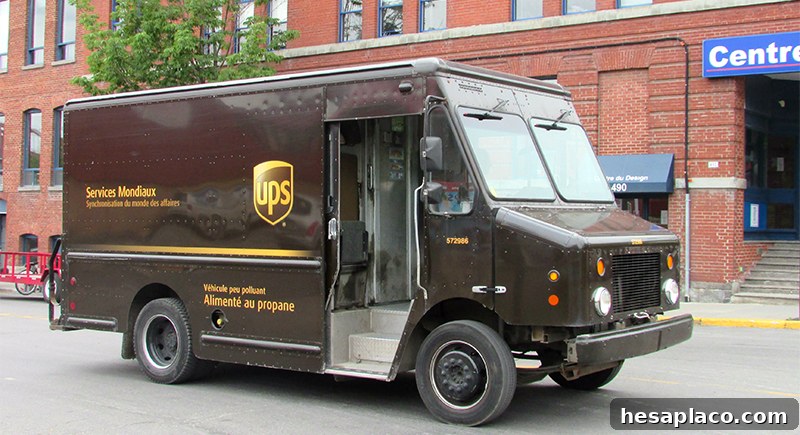
UPS announced broad downsizing that includes roughly 20,000 role eliminations, the closure of several facilities, and an aggressive push toward automated sorting hubs. The move reflects a strategic pivot away from business tied to Amazon and toward more automated, capital-intensive logistics. Labor groups, including the Teamsters, have expressed deep concerns about the long-term impact on delivery workers.
Meta Targets Low Performers in Another Round

Credit: Wikimedia Commons
Following earlier restructurings, Meta implemented another round of cuts equating to about 10% of its workforce. CEO Mark Zuckerberg is redirecting many remaining employees into AI-focused roles, creating leaner, engineering-driven teams centered on generative AI and long-term “superintelligence” research.
Nissan Announces More Layoffs and Seven Factory Closures

Credit: pixabay
Facing weak global sales and intense competition in the electric vehicle market, Nissan unveiled a major consolidation plan that includes cutting about 11,000 positions and closing seven factories worldwide. The restructuring aims to stabilize the company’s finances and streamline production for a rapidly evolving automotive landscape.
Disney Trims Hundreds of Roles in Marketing and Development

Credit: Wikimedia Commons
As part of an ongoing corporate overhaul, Disney has reduced headcount across marketing, corporate operations, and entertainment development teams. The intent is to streamline content production and distribution, prioritize streaming profitability, and protect theatrical margins amid shifting consumer habits.
Johns Hopkins Faces Largest Job Cut in Its History

Credit: Wikimedia Commons
After a sudden funding shortfall approaching a billion dollars due to reduced external aid, Johns Hopkins announced the largest workforce reduction in its history: more than 2,000 positions across medical and public health divisions. The cuts highlight financial vulnerability in even well-established research and healthcare institutions.
Microsoft Lays off Employees in Cost-Reduction Effort

Credit: flickr
Microsoft carried out targeted workforce reductions as part of a cost-reduction effort and strategic reorientation. The company is trimming areas tied to traditional cloud services overhead while channeling resources toward AI development and critical hardware infrastructure to stay competitive in a fast-changing tech environment.
Starbucks Cuts Corporate Roles in Business Overhaul

Credit: flickr
Starbucks eliminated about 1,100 corporate and administrative positions at its Seattle headquarters to reduce managerial complexity and streamline decision-making. The company emphasized that front-line store baristas were not the focus of these cuts; the changes target corporate overhead and back-office functions.
Adidas to Shrink Germany Headquarters Workforce

Credit: flickr
Adidas announced an internal restructuring that trims staff at its Herzogenaurach headquarters by roughly 9%. The reorganization aims to flatten layers of management and reduce corporate complexity, allowing the company to move faster on product, marketing, and global strategy execution.
Hudson’s Bay to Close All Stores

Credit: Wikimedia Commons
Canada’s historic department store chain Hudson’s Bay announced it will close all remaining stores, ending a long retail legacy. Plagued by mounting debt and prolonged declines in foot traffic, the company laid off its remaining workforce of about 8,300 employees as it wound down operations.
Chevron to Cut Jobs During Acquisition Transition

Credit: flickr
As Chevron integrates oil producer Hess, the company announced plans to eliminate up to 8,000 positions tied to overlapping roles and duplicated functions. The consolidation is intended to capture significant cost synergies and streamline operations across the combined organization.
Ally Trims Positions in Selective Restructuring

Credit: Wikimedia Commons
Ally Financial cut roughly 500 corporate positions to better align its cost structure with business priorities. At the same time, the bank redirected hiring and investment into higher-growth areas such as consumer digital banking and technology to support future expansion.
The United Nations Secretariat to Slice Roles

Credit: pexels
Facing major member-state funding shortfalls and an enforced budget reduction of about 20%, the UN Secretariat announced the elimination of roughly 6,900 roles across headquarters and field operations. The cuts disproportionately affect international development and administrative staff.
Chiquita Says Its Goodbyes to Employees Amid Panama Protests

Credit: Wikimedia Commons
Prolonged civil unrest and widespread supply chain disruptions in Panama forced Chiquita to scale back operations, resulting in the elimination of about 5,000 agricultural and logistics jobs. The situation underscores how political and social instability can rapidly translate into significant labor-market consequences.
Workday Trims Jobs to Double Down on AI Investment
Credit: Wikimedia Commons
Workday cut approximately 1,750 roles worldwide as part of a strategic pivot to free capital for investments in generative AI tools and global expansion. Management framed the reductions as necessary to accelerate product innovation and position the company for long-term growth in AI-driven enterprise software.
Porsche to Gradually Eat Up Jobs Through 2029

Credit: flickr
To avoid abrupt mass layoffs, Porsche announced a phased reduction of about 3,900 positions through natural attrition, contract non-renewals, and a hiring freeze stretching to 2029. The automaker is responding to softening global demand for luxury electric vehicles while minimizing public backlash and operational disruption.
Oracle Cuts Thousands During AI Buildout

Credit: Wikimedia Commons
Oracle has reported substantial workforce reductions tied to a major investment in AI infrastructure. Public tallies vary, with different reports citing anything from hundreds to several thousand affected roles, but the clear pattern is the same: heavy spending on AI has coincided with staff reductions as Oracle reshapes its cost base and organizational priorities.
Dell Shrinks Again in Hardware Reset

Credit: Wikimedia Commons
Dell has reduced its workforce as part of a broader hardware-and-operations reset. While specific numbers vary across reports, the company confirmed a decline from roughly 108,000 employees to about 97,000 after several rounds of cuts, hiring slowdowns, and reorganizations aimed at prioritizing AI-focused projects.
Across industries, 2025’s layoffs reflect deeper strategic shifts: companies are reallocating capital to AI, streamlining operations, and responding to changes in consumer demand and geopolitical risk. For affected workers, the short-term toll is severe; for businesses, the moves are intended to create leaner structures that can compete in a rapidly evolving global economy.