
The first person to reach billionaire status within an industry is often the one who masters the unglamorous but essential operations: supply chains, contracts, pricing power, and distribution. Examining who became the industry’s first billionaire shows how wealth concentrates as industries mature and how control behind the scenes—rather than mere visibility—creates durable value.
Oil — John D. Rockefeller
Credit: Wikimedia Commons
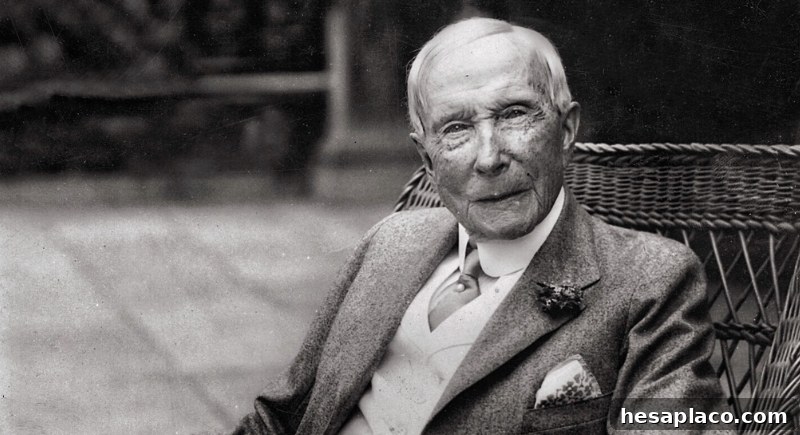
John D. Rockefeller amassed his fortune by stabilizing and vertically integrating the oil industry. Instead of chasing the glamour of new wells, he focused on refining, securing railroad transport, and negotiating long-term supply contracts. By locking in lower costs and predictable pricing, Standard Oil undercut competitors who relied on speculation. Rockefeller’s rise to billionaire status reflected decades of methodical control over how oil was refined, transported, and sold.
Cryptocurrency — Cameron Winklevoss and Tyler Winklevoss
Credit: Wikimedia Commons
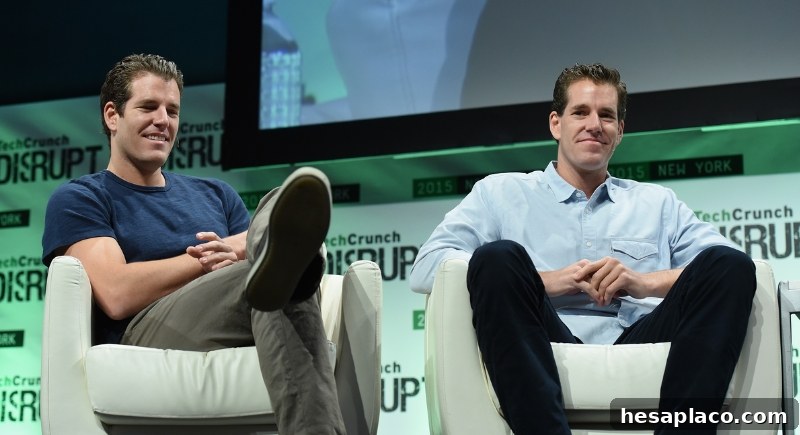
When Bitcoin was still widely dismissed, the Winklevoss twins treated it as a long-term scarce asset and accumulated substantial holdings early. They then helped make access easier for a broader public by building infrastructure—most notably the Gemini exchange. Their wealth illustrates a pattern in digital assets: early accumulation of scarcity combined with creating platforms that expand access.
Automobiles — Henry Ford
Credit: Wikimedia Commons
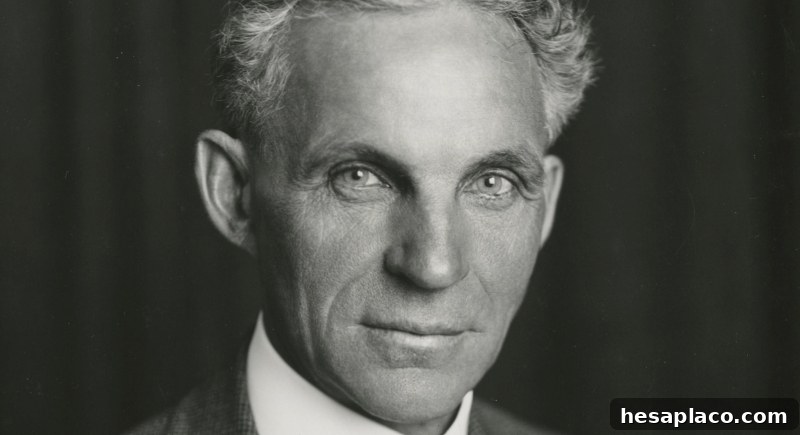
At the start of the 20th century, automobiles were expensive and rare. Henry Ford transformed manufacturing by reorganizing factories for speed, repetition, and cost-efficiency. The shift to mass production made cars affordable for ordinary workers and unleashed huge demand. Ford’s personal wealth followed as the manufacturing and distribution system he built scaled across the nation.
Software — Bill Gates
Credit: Wikimedia Commons
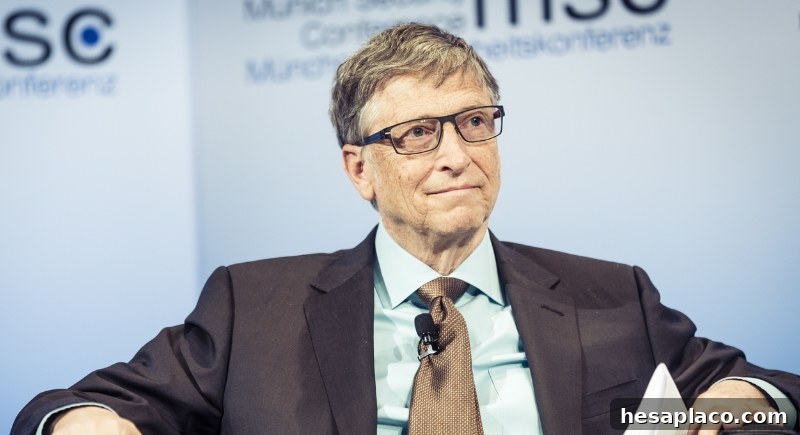
When personal computers arrived incomplete, an opportunity emerged that many overlooked: the software that made machines useful. Bill Gates recognized that licensing operating systems to manufacturers would create recurring revenue every time a PC was sold. Microsoft’s licensing model meant each new computer expanded the company’s revenues, and as computers multiplied across homes, schools, and offices, that model generated enormous wealth.
Retail Internet — Jeff Bezos
Credit: Wikimedia Commons
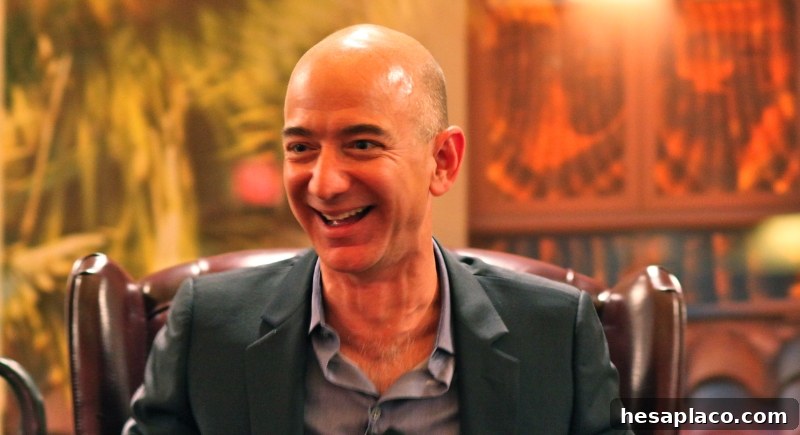
Jeff Bezos invested heavily in fulfillment centers, warehouses, and delivery systems when many competitors prioritized short-term profit. He used books as an initial product category to prove a broader model: control logistics and inventory depth, and customers will come for fast, reliable delivery. Once consumers expected quick shipping and a massive selection, Amazon’s logistical advantage became a durable moat, leading to Bezos’s accumulation of vast wealth.
Social Media — Mark Zuckerberg

Credit: Wikimedia Commons
Facebook became dominant not by charging users but by gaining unstoppable momentum. Mark Zuckerberg reached billionaire status as Facebook spread through colleges, workplaces, and families faster than competitors could respond. Each additional user increased the platform’s value and made it harder for people to leave; attention followed, and advertising monetized that attention.
Luxury Goods — Bernard Arnault

Credit: Wikimedia Commons
Bernard Arnault created value by assembling heritage brands under a single corporate umbrella while allowing each to retain its distinct identity. Instead of competing solely on production scale, he scaled ownership and brand stewardship, showing that exclusivity and perceived rarity can be extended globally without eroding demand.
Sports Branding — Michael Jordan

Credit: Wikimedia Commons
Michael Jordan’s player salary alone did not create billionaire wealth—his brand did. By turning his name into a global business and retaining control over the Jordan Brand, he transformed a reputation for athletic excellence into long-term equity. Jordan’s example shifted sports economics: top athletes increasingly monetize and control their own image, licensing, and business ventures rather than simply earning on-field paychecks.
Music — Taylor Swift

Credit: Wikimedia Commons
Historically, record labels captured the bulk of music industry profits, but Taylor Swift shifted that balance by asserting control over her recordings, touring logistics, and direct fan distribution. Owning her work and monetizing large-scale tours—such as the highly lucrative Eras Tour—allowed her to capture revenue streams that once flowed primarily to labels and intermediaries.
Creator Platforms — MrBeast

Credit: Wikimedia Commons
While many creators chase ad revenue, MrBeast built an integrated content and business model that funnels audience attention into repeatable revenue streams: branded products, sponsorships, and large-scale production ventures. By owning and directing his audience, he compounds value across businesses designed to endure beyond any single platform’s fluctuation.
Across these examples, a pattern emerges: the first billionaires in an industry are rarely the flashiest or the most public-facing innovators. They are the operators who control the plumbing—distribution, contracts, supply, and pricing—and thereby convert growth into concentrated, lasting wealth.