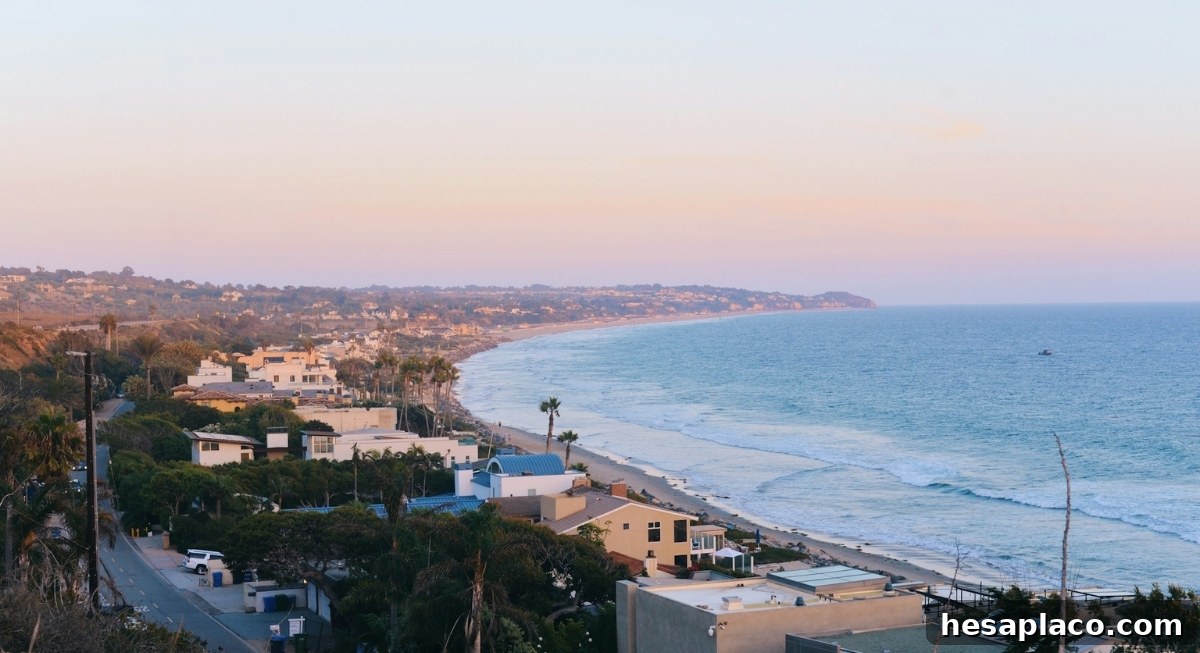
Kanye West’s entry into real estate has been as unpredictable and headline-grabbing as his music career. He has converted mansions into stark, minimalist retreats and acquired expansive Wyoming ranchlands with visions of a self-sustaining Yeezy compound. Yet his stewardship of the Malibu residence designed by renowned architect Tadao Ando became one of the most controversial episodes of his property ventures.
West bought the Ando-designed Malibu house for $57.3 million in 2021. Almost immediately, he embarked on dramatic alterations that stripped the home of the elements that made it celebrated: windows, doors, plumbing, and electrical systems were removed, leaving the house as a bare concrete shell. The property, once admired for its seamless concrete planes, thoughtful openings and sweeping ocean views, was transformed into an uninhabitable structure that sparked widespread debate about artistic respect, preservation and personal expression.
A Bold Vision That Sparked Outrage
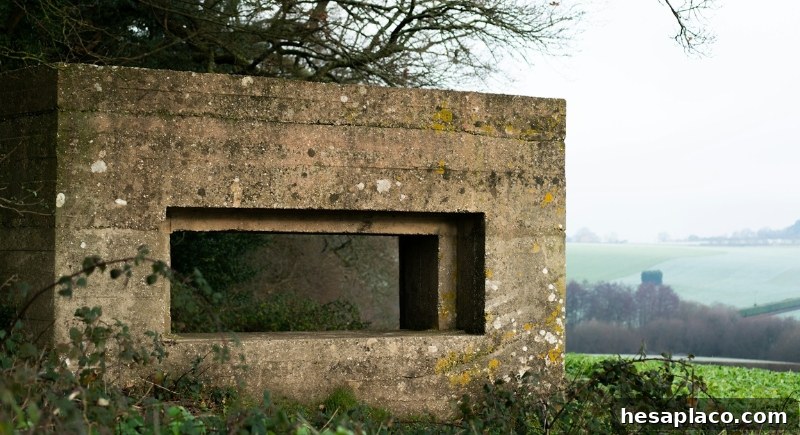
Image via Unsplash/Ben Collins
The Malibu home, completed in 2013, had been widely recognized as a signature example of Ando’s minimalist approach: clean concrete surfaces, precise geometry and deliberate openings that framed the Pacific Ocean. West’s removals—eliminating the features that connected interior to exterior and the utilities that made day-to-day living possible—led to accusations that he had willfully damaged an architectural landmark. Critics from design communities and members of the public saw the project as a disregard for cultural and artistic heritage, while supporters framed it as an extreme expression of personal vision and security-driven modification.
From Ambitious Listing to Steep Loss
Following the alterations, West listed the property in early 2024 for $53 million despite its unfinished and uninhabitable condition. The absence of basic utilities and the radical changes to the home’s design made it hard to find a buyer. He later reduced the asking price to $39 million, and ultimately sold the house to developer Steven “Bo” Belmont for $21 million—realizing a $36 million loss relative to his 2021 purchase price.
Belmont, CEO of Belwood Investments, purchased the property with the intent to restore much of its original functionality and appeal. He announced plans to invest roughly $5 million in repairs and upgrades aimed at reinstating major features such as plumbing, electrical systems and ocean-facing windows—efforts intended to respect the home’s architectural origins while updating it with contemporary amenities.
The Challenges of Reinstating a Masterpiece
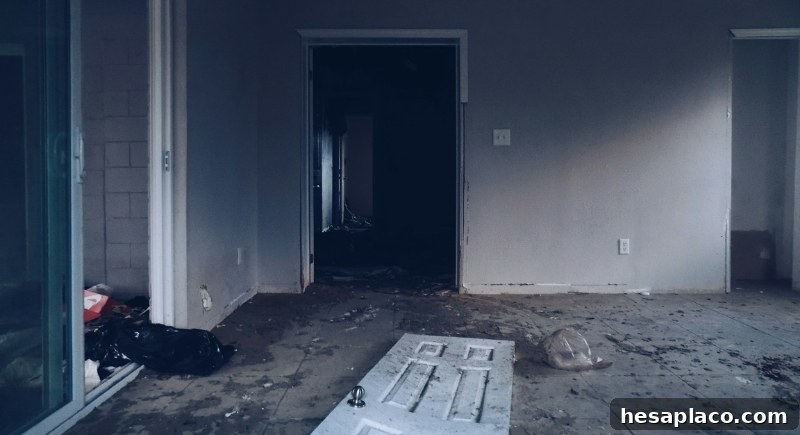
Image via Unsplash/Alexis Montero
Belmont’s restoration efforts focused first on making the structure habitable—reinstalling plumbing and electrical systems, repairing the roof and addressing structural concerns. His team emphasized preserving the architectural integrity while introducing necessary modern upgrades. The aim was to revive the house’s original connection to the coast by reestablishing the large openings and finishing the interior to a marketable standard.
Even with those improvements, the property’s history and the extent of ongoing work complicated resale. Belmont relisted the home at $39 million but found it difficult to attract buyers willing to meet that price while renovation work continued.
A Failed Contract and Further Price Adjustments
At one point, luxury developer Andrew Mazzella emerged as a prospective buyer, and the two parties reportedly negotiated a sale in the $30 million to $34 million range. That agreement ultimately collapsed, returning the house to the market. In response, Belmont reduced the asking price by $4.1 million, lowering the listing to $34.9 million as renovations pressed on. Yet without a completed sale, the property remained an unfinished project, its ultimate fate uncertain.
West’s Ongoing Real Estate Moves
Image via Unsplash/Orbital 101 Studio
After parting with the Malibu property, West purchased a $35 million mansion in Beverly Hills, signaling a continued focus on high-end real estate despite the costly outcome in Malibu. His portfolio now reflects a pattern of ambitious, sometimes polarizing, moves—projects that can capture public attention and raise complex questions about ownership, artistic legacy and the market’s tolerance for radical renovation.
The Malibu saga underscores how celebrity-driven renovations can clash with market expectations and preservation concerns. What began as an assertive act of personal design evolved into a cautionary tale about value, stewardship and the practical realities of restoring a compromised architectural gem.