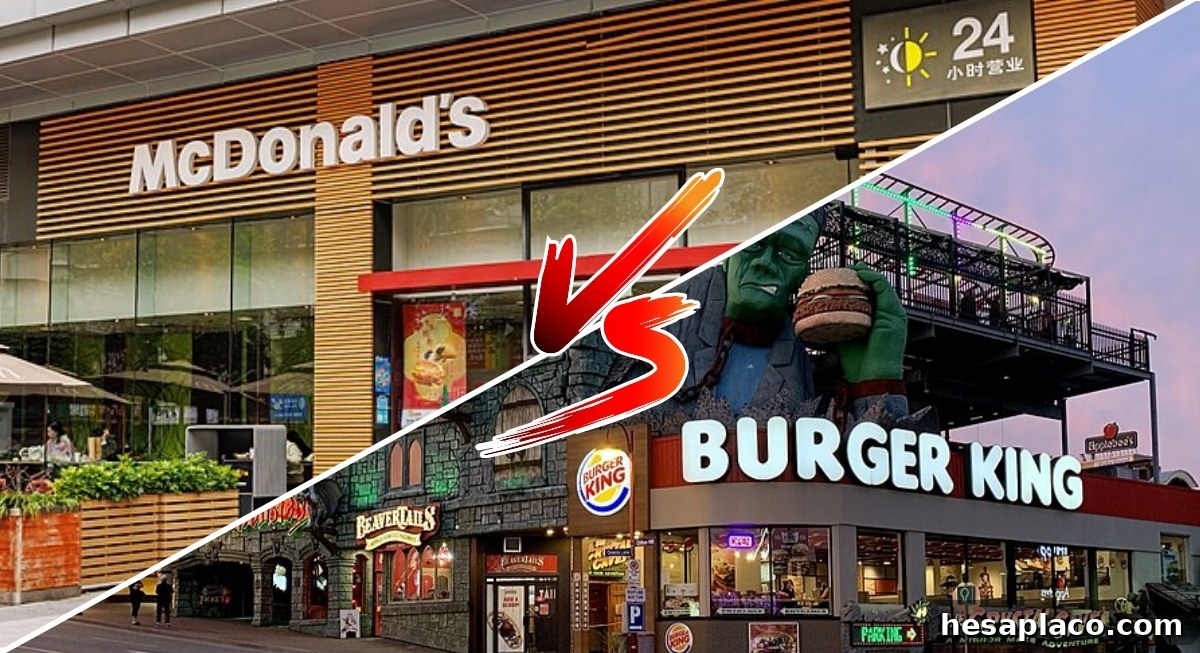
If you think fast food rivalries are only about burgers, you’re missing most of the story. Chains compete over chicken sandwiches, pizza styles, sauces, regional specialties, drive-thru speed, and social-media bragging rights. Some battles play out in television ads, others in limited-time menu drops or long-standing local loyalties. Below are 15 rivalries that keep America’s fast food scene lively, sometimes contentious, and often unexpectedly entertaining.
McDonald’s vs. Burger King
Credit: flickr
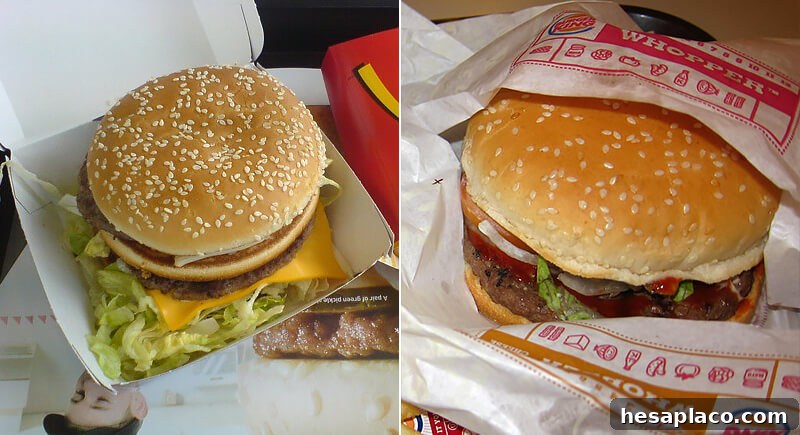
Since the 1950s, McDonald’s and Burger King have been headline rivals. Burger King introduced the Whopper in 1957; McDonald’s responded with the Big Mac a decade later. Their decades-long ad wars included pointed jabs, counter-slogans, and occasional executive poaching. Despite Burger King’s marketing flair and loyal fans, McDonald’s remains the dominant global brand with tens of thousands of locations worldwide.
Popeyes vs. Chick-fil-A
Credit: Reddit/flickr
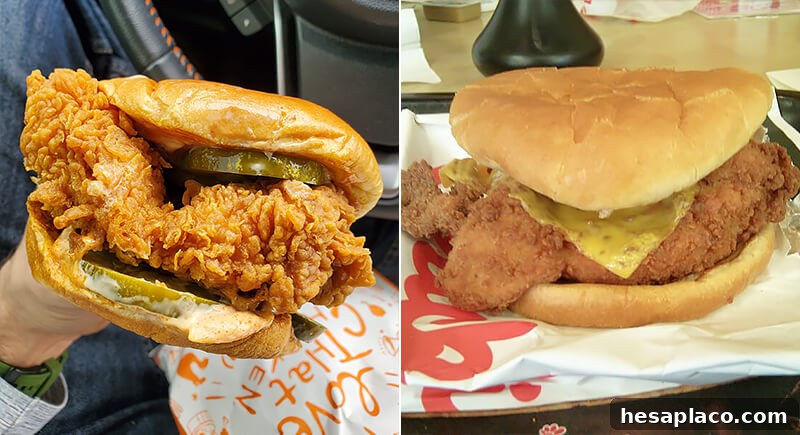
Popeyes ignited the modern “chicken sandwich wars” when it launched a crunchy, Cajun-seasoned chicken sandwich in 2019. The item sold out fast and drove a significant sales spike, pushing competitors to develop their own premium chicken sandwiches. Chick-fil-A, known for its devoted customer base and closed-on-Sundays model, retained strong market share, but Popeyes’ viral success proved how online buzz can rapidly reshape the category.
Pizza Hut vs. Domino’s
Credit: Facebook
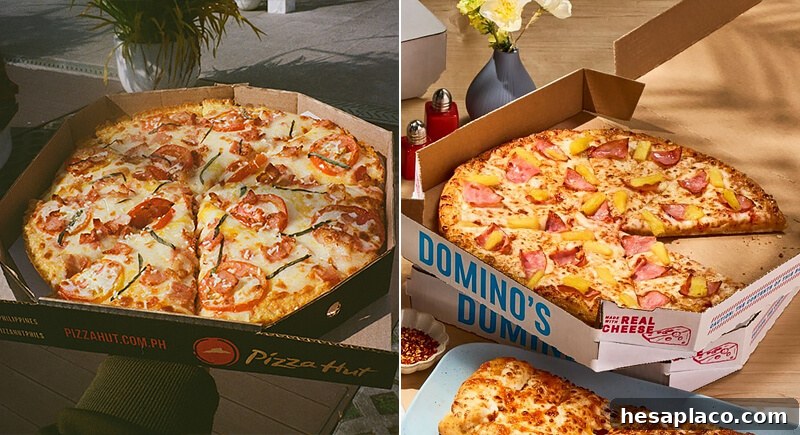
Pizza Hut once dominated delivery with stuffed-crust innovations and large, shareable pies. Domino’s transformed the category by overhauling its recipe, investing heavily in online ordering and delivery technology, and emphasizing speed and convenience. By focusing on apps and logistics, Domino’s overtook Pizza Hut in sales, while Pizza Hut retained a reputation for dine-in, family-friendly locations. The rivalry remains intense as both adapt to changing consumer habits.
Dunkin’ vs. Krispy Kreme
Credit: Instagram/Reddit
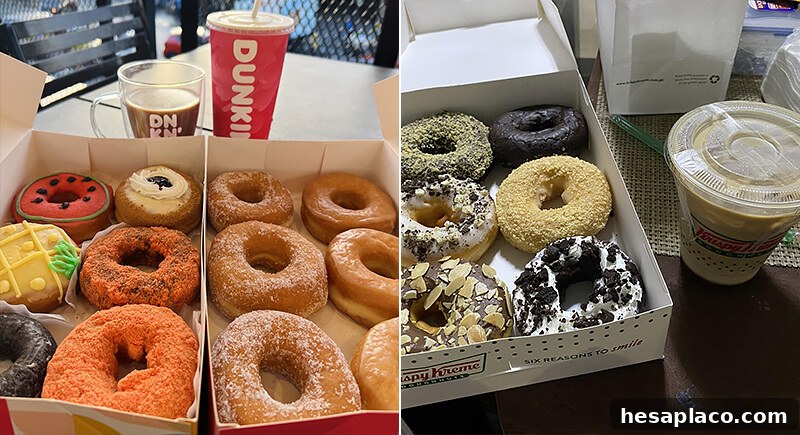
Dunkin’ and Krispy Kreme appeal to different priorities. Krispy Kreme draws crowds when its “Hot Now” sign signals fresh, sugary doughnuts straight from the line. Dunkin’ focuses on coffee and a broad breakfast menu—donuts, bagels, and sandwiches—positioning itself as an all-day beverage and light-meal brand. Dunkin’ has expanded more widely, while Krispy Kreme leverages nostalgia and strategic retail partnerships to stay visible.
Zaxby’s vs. Bojangles
Credit: flickr
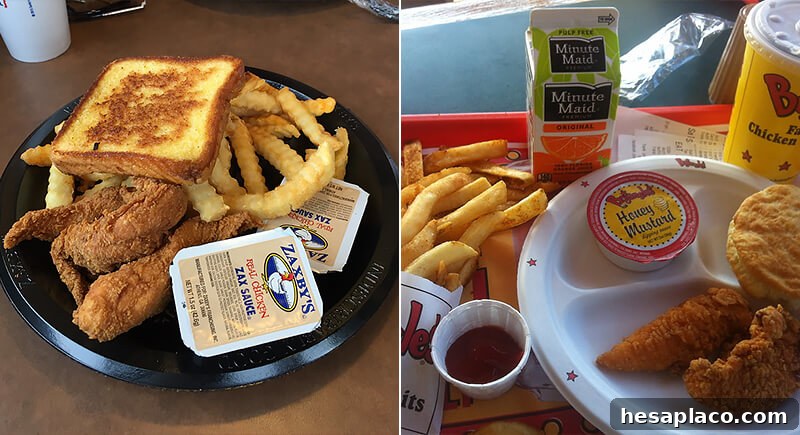
Zaxby’s and Bojangles are Southern icons with overlapping menus but distinct identities. Zaxby’s emphasizes chicken fingers and a variety of sauces, while Bojangles builds its reputation on plate lunches, fried chicken, and flaky biscuits. Both grew from regional roots and expanded along similar paths, appealing to customers who want comfort food with a Southern twist.
Chipotle vs. Moe’s Southwest Grill
Credit: flickr/Facebook
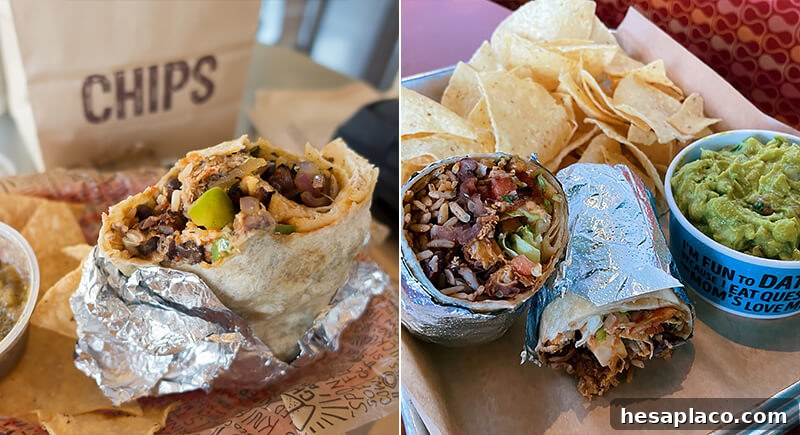
Chipotle’s streamlined assembly-line service and focus on ingredient transparency contrast with Moe’s louder, more playful atmosphere, where free chips and salsa are standard. Moe’s once outscored Chipotle in certain customer polls, but Chipotle’s consistent brand image and operational scale helped it regain dominance. Both brands appeal to fans of fast-casual Tex-Mex, but they do it very differently.
KFC vs. Popeyes
Credit: Reddit
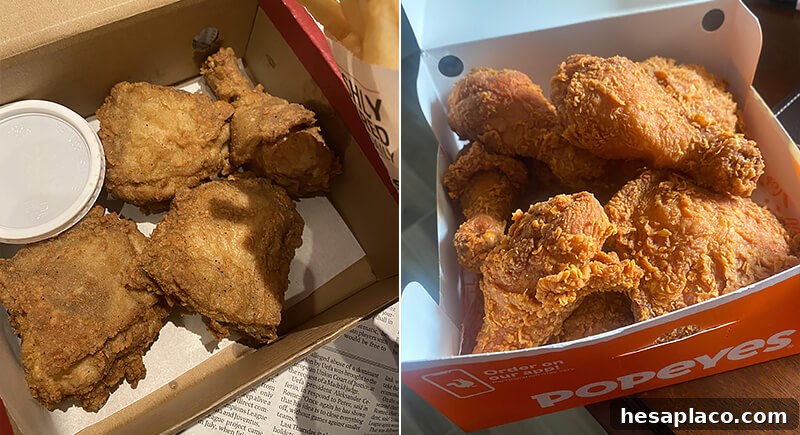
Both KFC and Popeyes are fried-chicken specialists, but they draw from different flavor traditions. KFC’s signature is its secret “11 herbs and spices,” while Popeyes leans into bold Cajun-inspired seasoning and extra-crispy breading. KFC remains the larger global chain, but Popeyes has carved out a strong brand personality and continues to grow internationally, leveraging viral menu moments and bold marketing.
Whataburger vs. In-N-Out Burger
Credit: Facebook/Reddit
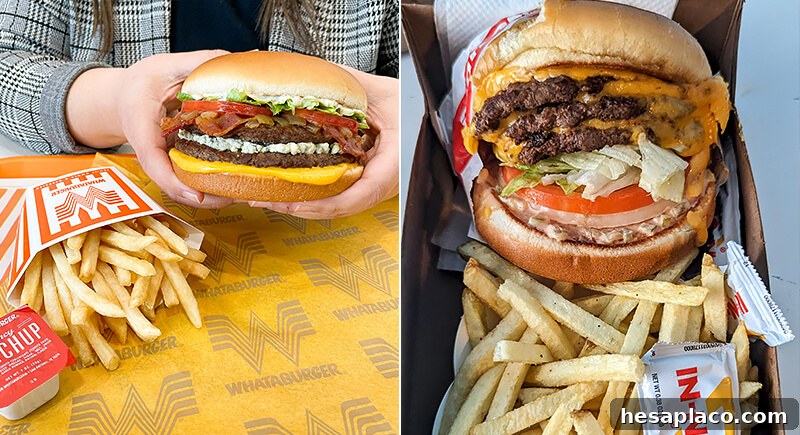
In Western states, especially Texas and Arizona, the debate between Whataburger and In-N-Out can get passionate. Whataburger’s fans praise its customizable options—extra jalapeños, toasted buns, and more—while In-N-Out devotees treasure the simple, consistent menu and cult-favorite secret items like “Animal Style.” Both chains inspire fierce loyalty and long lines on weekends.
Subway vs. Jimmy John’s
Credit: flickr/Reddit
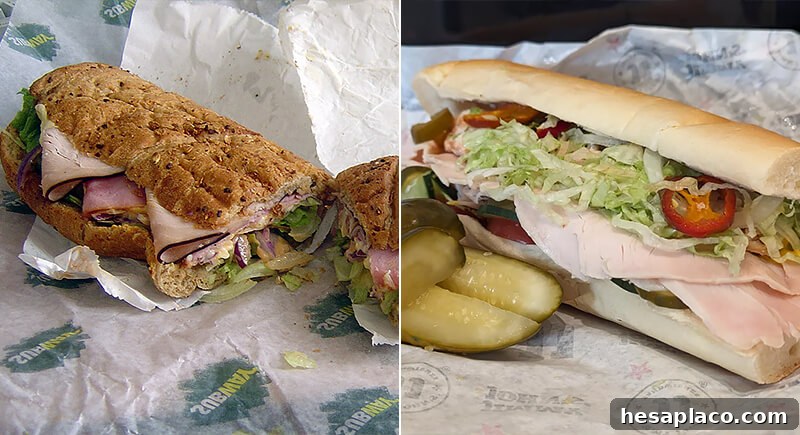
Subway grew by offering countless sandwich combinations and a ubiquitous footprint, while Jimmy John’s built a reputation on speed and a pared-down menu. Subway still has more locations overall, but closures in recent years have narrowed the gap in some markets. Jimmy John’s “freaky fast” delivery promise keeps it a reliable option for quick lunches.
Taco Bell vs. Del Taco
Credit: Reddit
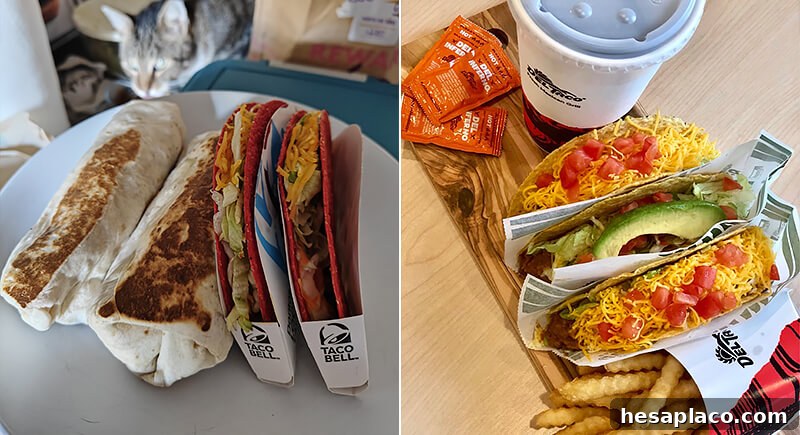
Taco Bell and Del Taco share historical ties: Taco Bell’s founder once employed Del Taco’s founder before Del Taco launched its own concept. Taco Bell expanded into a massive national footprint, while Del Taco remained more regionally focused in the West. Recent ownership changes and menu investments have given Del Taco renewed momentum as it challenges Taco Bell’s fast-Mex dominance in select markets.
Dairy Queen vs. Carvel
Credit: Reddit
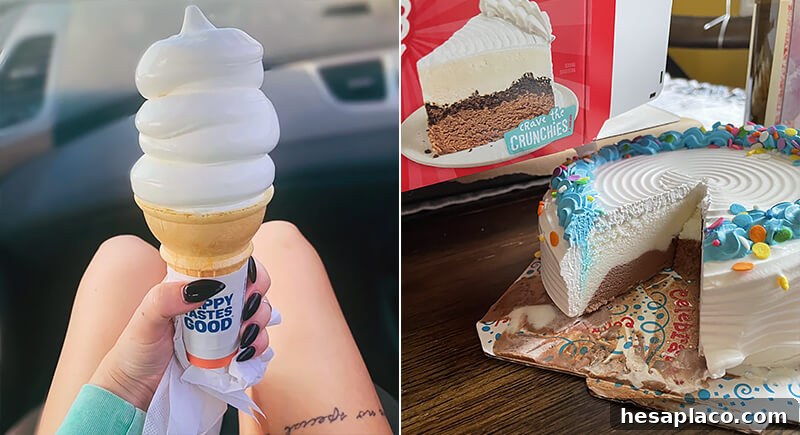
Both Dairy Queen and Carvel stake claims to soft-serve innovation, though Carvel’s early patents and ice cream cake offerings have made it a nostalgic brand for many. Dairy Queen expanded broadly with a “Grill and Chill” model and signature treats like the Blizzard, while Carvel remains cherished for ice cream cakes and old-school charm. Each holds a distinct place in the frozen-dessert market.
White Castle vs. Krystal
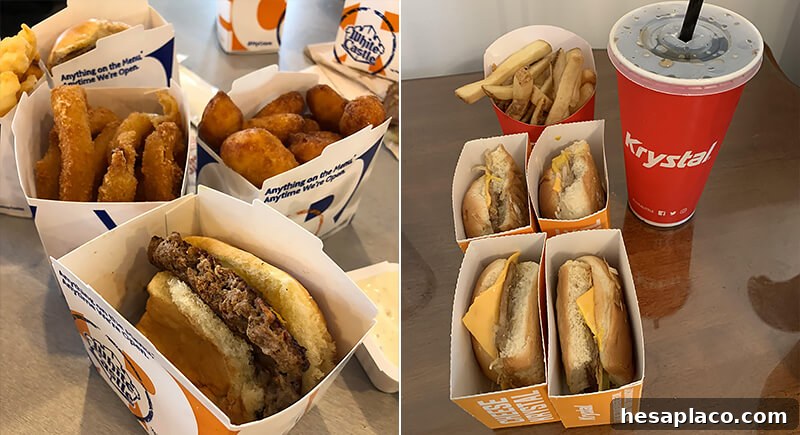
Credit: Reddit
White Castle and Krystal both serve small sliders that have inspired regional followings. White Castle’s steamed, square sliders are a staple in the Midwest and Northeast; Krystal’s griddled version is more common in the South. Each chain has navigated expansion challenges differently, and both maintain devoted customers who prize their unique take on the mini-burger.
McDonald’s vs. Jollibee
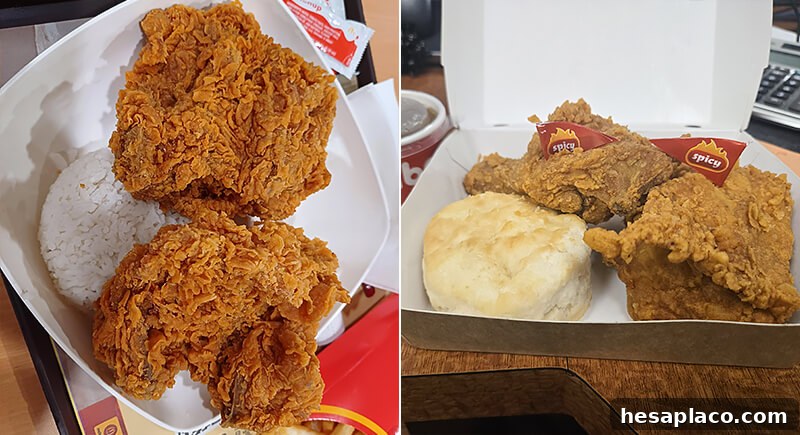
Credit: Reddit
In the Philippines, McDonald’s faced an unusual challenge from Jollibee, a homegrown chain that tailored its menu to local tastes with items like sweet-style spaghetti and uniquely seasoned chicken. Jollibee’s cultural resonance and deep local knowledge helped it outperform McDonald’s in its home market and later expand internationally, showing how localization can trump size in many markets.
Subway vs. Blimpie
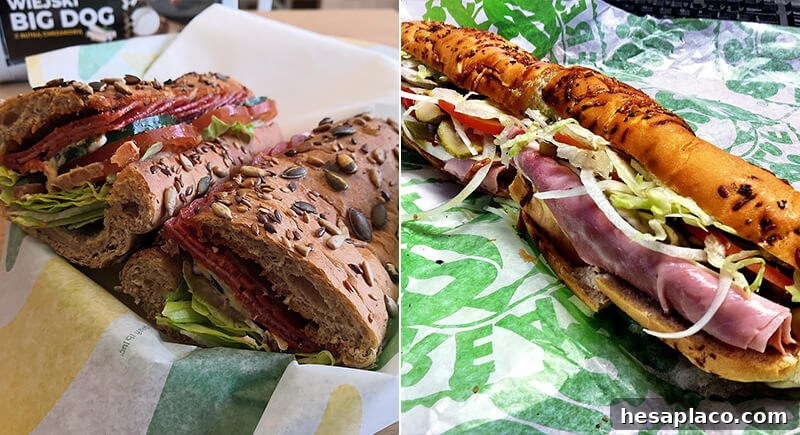
Credit: Reddit/flickr
Blimpie actually predated Subway, but internal challenges and slower expansion limited its growth. Subway’s aggressive franchising allowed it to scale rapidly and dominate the submarine sandwich market. Blimpie saw growth spurts—particularly in mall food courts—but today it operates far fewer U.S. locations while Subway remains the larger brand globally.
Arby’s vs. Roy Rogers
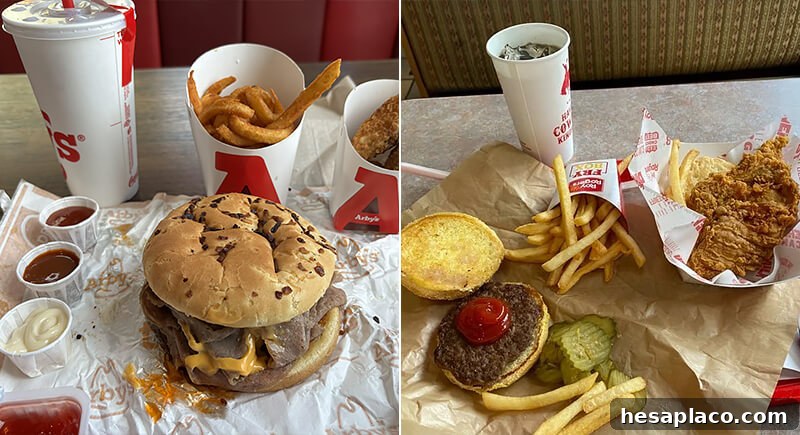
Credit: Reddit
Arby’s and Roy Rogers once led the roast-beef sandwich wars. Arby’s experimented with eclectic menu additions and memorable ad campaigns, while Roy Rogers held on to a Western-themed experience and offered self-serve topping bars at some locations. Roy Rogers is now rarer and mostly regional, but it retains a loyal following; Arby’s keeps innovating and remains a national presence.