Grocery prices are rising, and tariffs are a major factor. Trade disputes and higher duties on imported food have a direct effect on everyday staples, but the fallout goes beyond the supermarket shelf: restaurants, food manufacturers, and supply chains all feel the impact. Below are some of the foods hit hardest and why your grocery bill keeps climbing.
Avocados
Credit: Getty Images
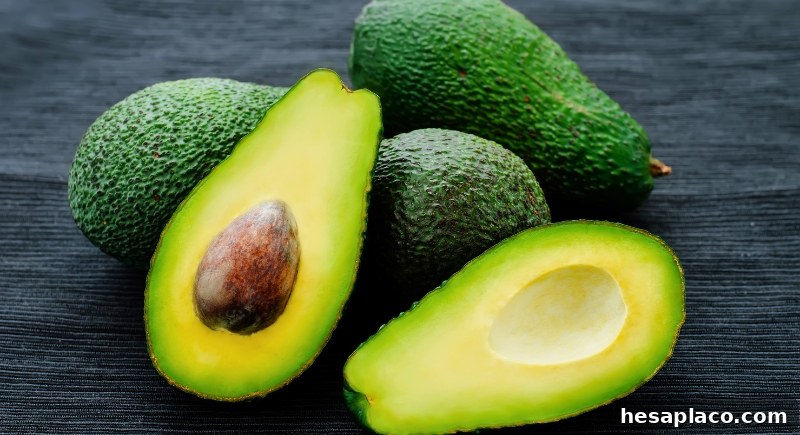
The United States imports roughly 90% of its avocados, mostly from Mexico. Higher tariffs on Mexican imports have pushed prices up, which means guacamole, avocado toast, and fresh avocados are costing consumers more at the store and at restaurants.
Rice
Credit: Getty Images
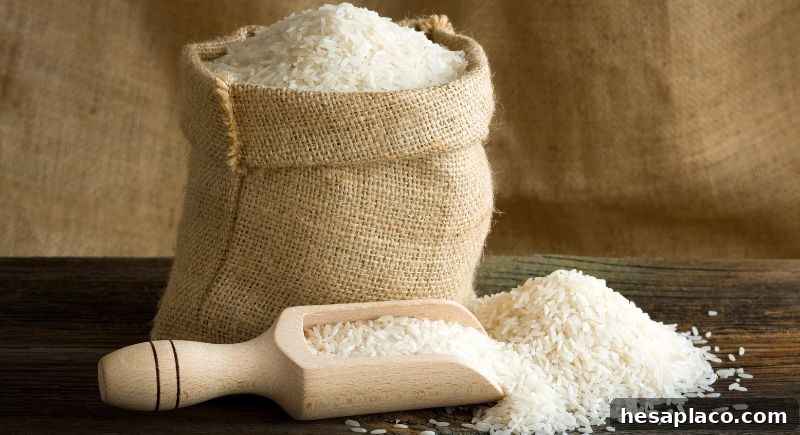
Export restrictions from major producers have reduced global rice supplies and driven up prices. Countries that limit rice exports cause ripple effects in global markets, so rice-based meals become more expensive for households and restaurants that rely on inexpensive staples.
Strawberries
Credit: pexels
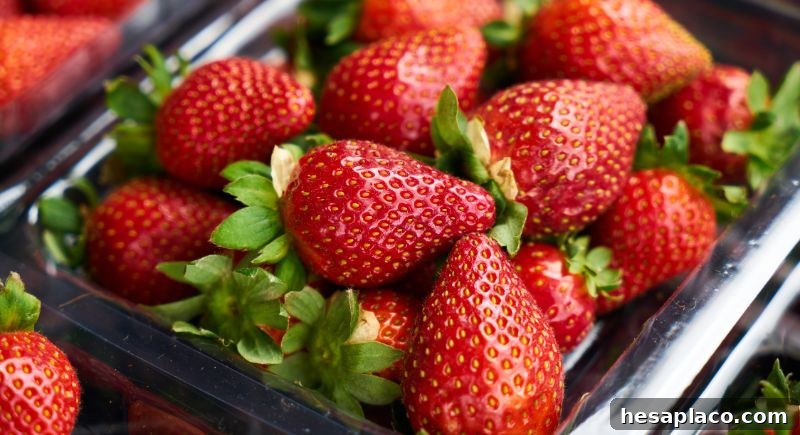
Outside of the U.S. summer season, many fresh strawberries come from Mexico. Tariffs on those imports raise wholesale costs and lead to higher retail prices, affecting smoothies, desserts, and fresh produce purchases.
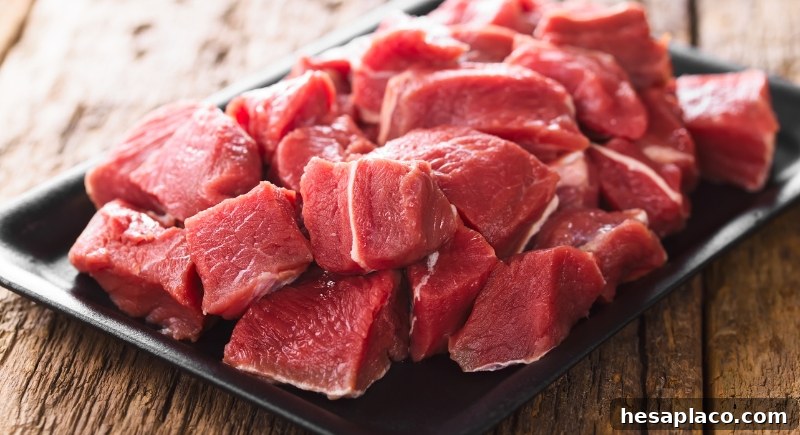
Beef
Credit: Canva
Retaliatory tariffs from trading partners have limited export markets for U.S. beef. Producers shift supply domestically, and the imbalance combined with higher production costs pushes retail and restaurant prices up, making steaks and burgers costlier for consumers.
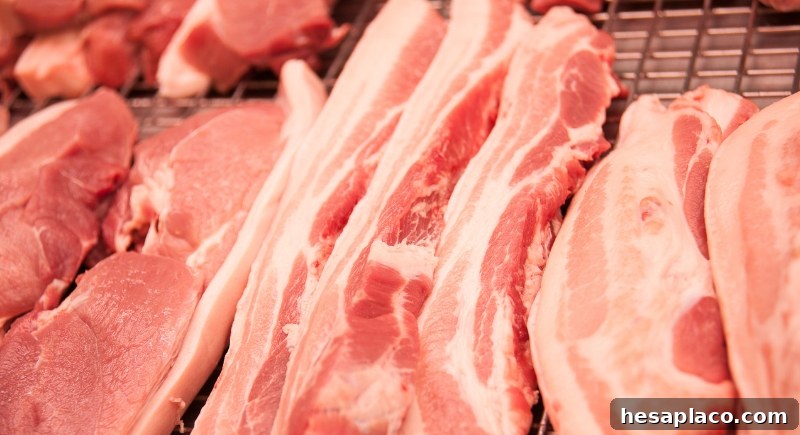
Pork
Credit: Getty Images
Tariffs that limit exports reduce options for sellers and can create domestic surpluses or increased storage and processing costs. Those factors, along with feed and transport expenses, contribute to higher pork prices for consumers.
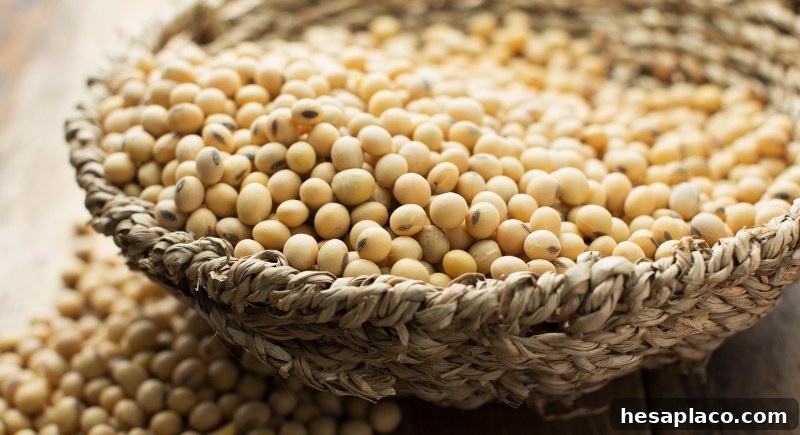
Soybeans
Credit: Canva
Soybeans are a foundational crop for many products and livestock feed. When major buyers impose tariffs, soybean markets become volatile. Rising soybean prices affect not only soy-based foods but also the cost of meat through more expensive animal feed.
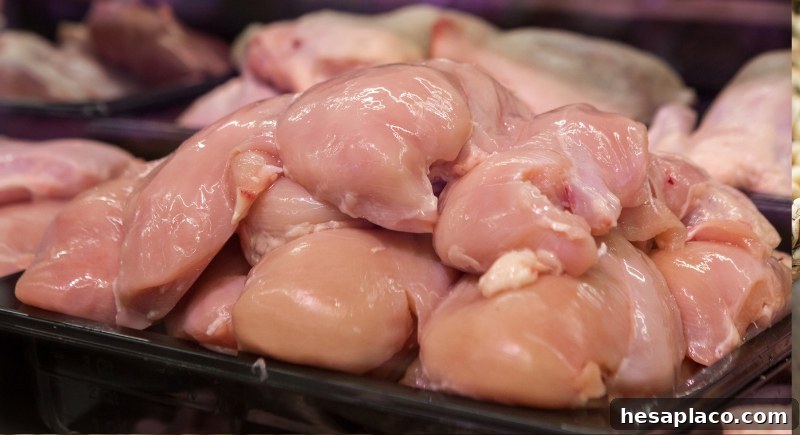
Chicken
Credit: pexels
Longstanding trade measures such as the so-called Chicken Tax and ensuing trade tensions have reshaped supply chains. Disruptions and protective tariffs can raise costs for poultry producers, translating into higher prices at retail and in restaurants.
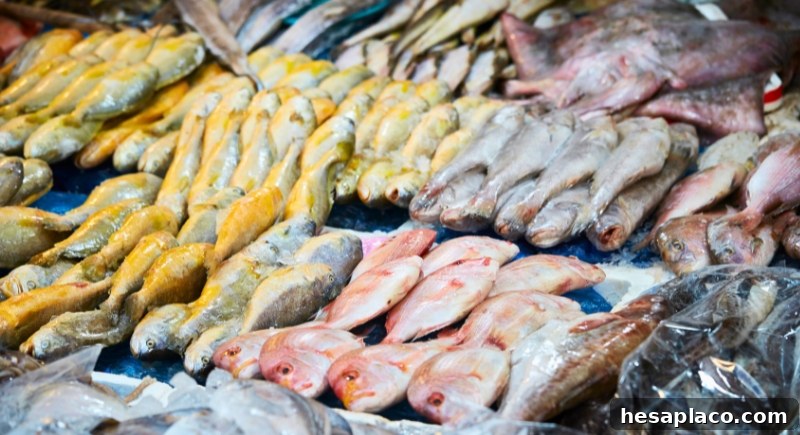
Seafood
Credit: Getty Images
Tariffs on aquatic products have reduced demand from some foreign buyers and increased the cost of exports. That pressure, combined with higher shipping and input costs, drives up prices for seafood items like fish fillets, shrimp, and sushi-grade products.
Cocoa
Credit: Getty Images
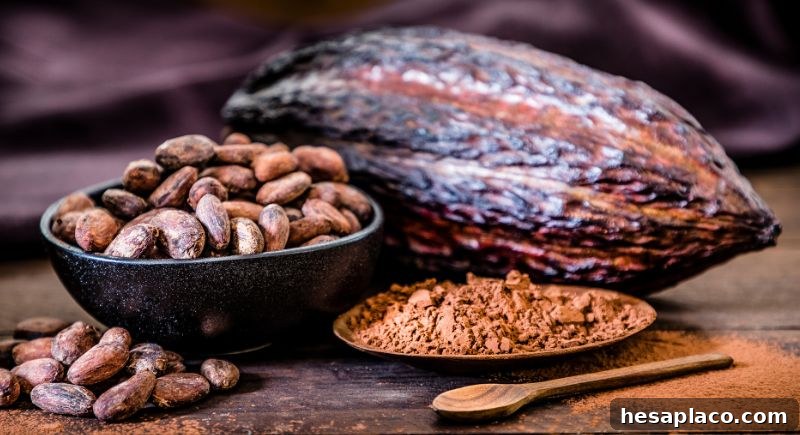
Cocoa prices have been affected by a mix of climate-related crop problems in major producing countries and trade policies. Lower yields from droughts or disease, combined with tariffs and export controls, increase costs for chocolate makers and consumers.
Corn
Credit: pixabay
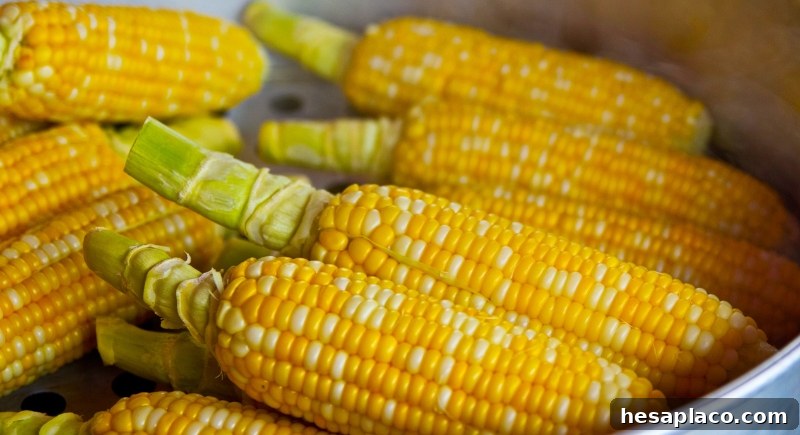
Corn is used in a wide range of products, from cereals to sweeteners and animal feed. Price swings in the corn market ripple through many food categories, raising costs for corn-based goods and ingredients that rely on corn derivatives.
Orange Juice

Credit: Getty Images
Orange juice prices have risen as a result of both trade policies limiting imports and weather-related losses that reduced domestic harvests. Hurricanes, disease, and other climate impacts have shrunk supply, so consumers are paying more for OJ.
Eggs
Credit: Getty Images
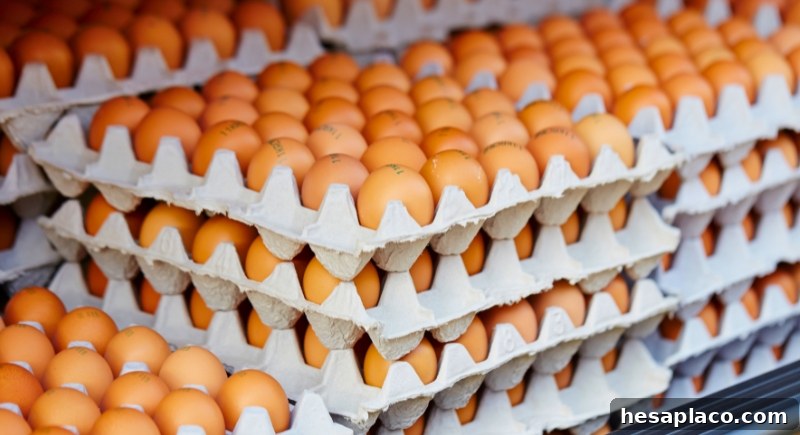
Avian flu outbreaks and trade restrictions have sharply reduced egg supplies at times, lifting prices for both retail buyers and foodservice operators. Restaurants have responded by raising menu prices for egg-heavy dishes.
Oats
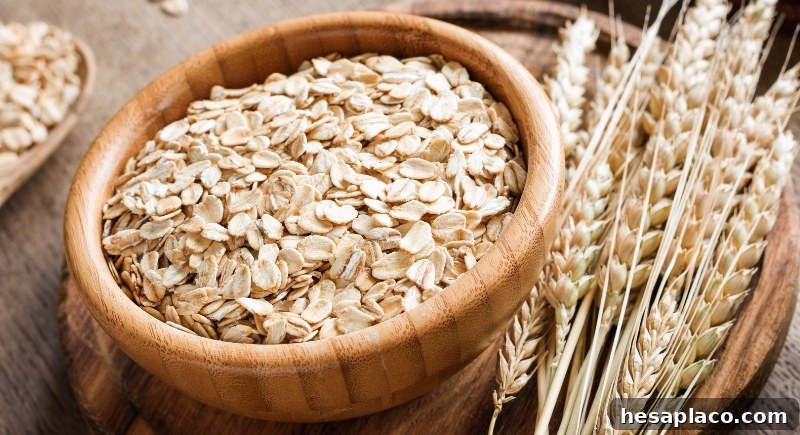
Credit: Getty Images
Reduced planting, adverse weather, and supply constraints have tightened the oat market. With less available crop, products like oatmeal, granola, and oat milk have seen price increases, affecting breakfast tables and plant-based alternatives.
Fresh Tomatoes
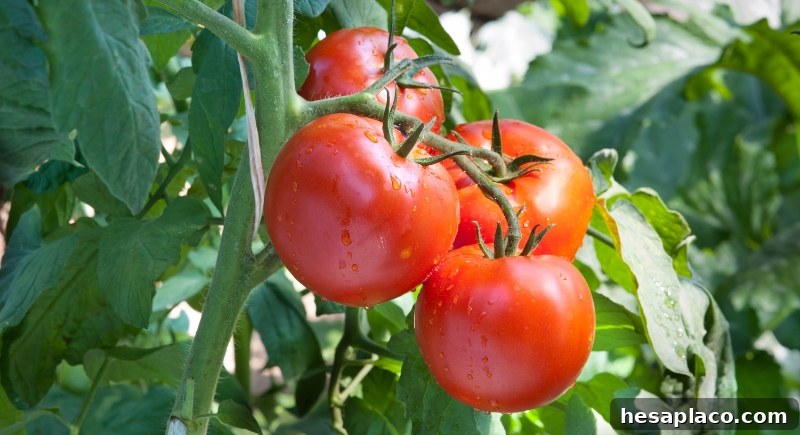
Credit: Getty Images
Like avocados, a substantial share of fresh tomatoes comes from Mexico. Tariffs on those imports raise consumer prices, affecting fresh salsa, sauces, sandwiches, salads, and even canned tomato products that use imported inputs.
Dairy Products
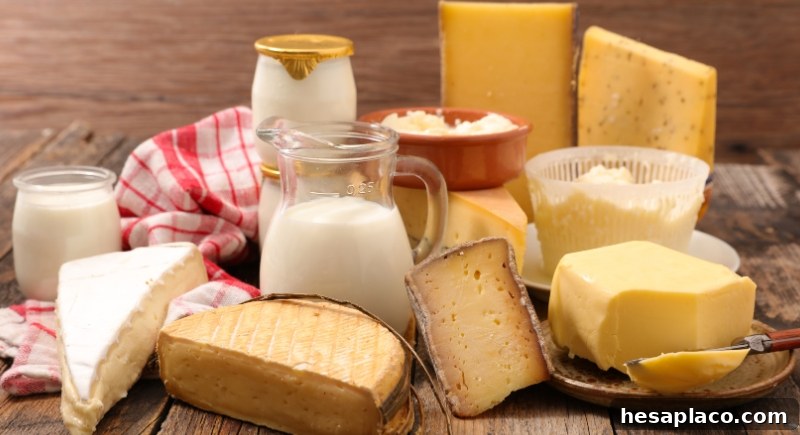
Credit: Getty Images
Tariff protections in some countries, such as Canada, limit how much dairy can be competitively imported, tightening global trade flows. That reduced trade flexibility can contribute to higher prices for milk, cheese, butter, and other dairy products.
Frozen Foods
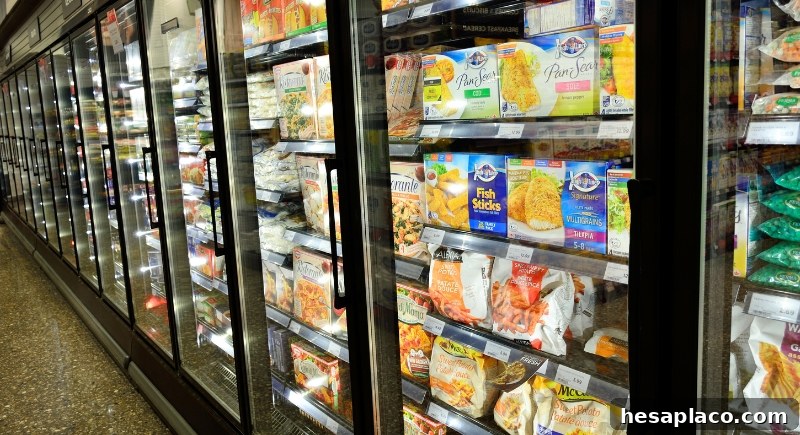
Credit: pixabay
Many frozen fruits, vegetables, and ready meals rely on imports or cross-border supply chains. Tariff increases make these products more expensive to import and distribute, so the cost of frozen staples and convenience foods is rising.
Tea

Credit: pixabay
With a significant share of tea imports originating in countries that face higher duties, tariffs add to the cost of black, green, and herbal teas. A tariff increase can push retail prices up for consumers who buy packaged teas or order specialty blends at cafes.
Olive Oil

Credit: Getty Images
Much of the world’s olive oil comes from Europe, and trade disputes that raise duties on those exports increase costs throughout the supply chain. Those higher input costs are passed to distributors and ultimately to shoppers, making olive oil pricier than before.
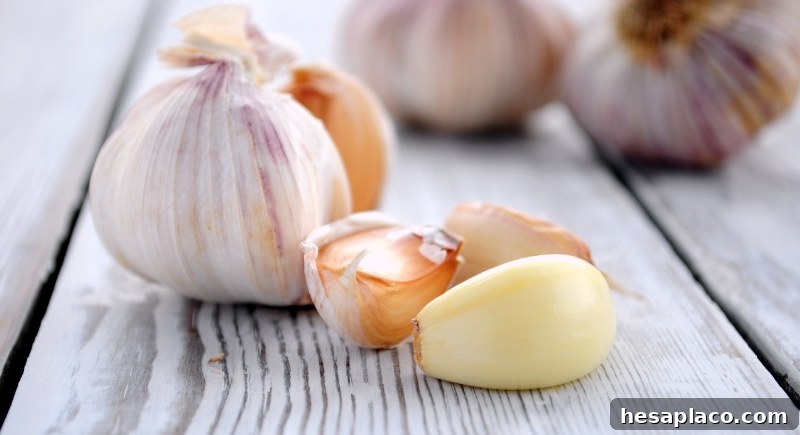
Garlic
Credit: Getty Images
A large portion of garlic sold in U.S. supermarkets is imported, and longstanding tariffs and anti-dumping duties have raised import costs. That affordable, everyday ingredient is gradually becoming more expensive as those added costs filter to the consumer level.
Tariffs are not the sole cause of food-price inflation—weather events, disease, supply-chain disruptions, and input costs like fuel and labor also matter—but they are a powerful driver. When import duties rise, costs flow through the system from producers to processors to retailers and restaurants, and consumers ultimately absorb the difference at checkout.