Becoming a self-made millionaire requires years of discipline, patience, and careful planning. When wealth accumulates, most people do not squander it on ostentatious cars or flashy jewelry. Instead, they make deliberate choices about where to invest both money and attention. Below are areas where self-made millionaires commonly spend significant funds without hesitation, prioritizing long-term value, performance, and time savings.
Personal Coaches and Strategists

Credit: dashapetrenkophotos
Successful entrepreneurs and executives frequently hire specialized strategists for critical moments—whether planning a business exit, shaping a public image, or negotiating high-stakes deals. These niche experts provide targeted insight that generic advice cannot, helping to avoid costly mistakes and identify opportunities others might miss.
Luxury Sleep Essentials

Credit: pexels
Quality sleep is a consistent priority for high achievers. Beyond a good mattress, many invest in sleep optimization technologies—cooling systems, advanced trackers, and circadian lighting—to maximize restorative rest. Deep, consistent sleep improves focus, reduces stress, and speeds recovery, so it’s treated as an essential daily investment.
Reliable, Long-Lasting Cars

Credit: pexels
While some enjoy driving, many self-made millionaires prioritize reliability and total cost of ownership over status. They choose vehicles known for durability and invest in regular maintenance so the cars remain dependable for years rather than frequently chasing trends or image purchases.
Children’s Education

Credit: pixelshot
Investing in a solid education for children is a common priority. Whether paying for private schools, enrichment courses, or specialized tutors, many top earners see these expenses as a way to reduce future debt and expand opportunities. Planning often starts early, through savings vehicles and targeted programs that build long-term advantage.
Outsourcing Everyday Tasks

Credit: pixabay
Beyond cleaners or grocery delivery, some hire lifestyle managers to handle scheduling, repairs, appointments, and even gift planning. Delegating these small but persistent responsibilities clears mental bandwidth, allowing more time for high-priority work, family, or recovery.
Preventive Health and Diagnostics

Credit: Getty Images
Many wealthy individuals invest in preventive health: comprehensive blood panels, whole-body scans, and personalized nutrition plans informed by genetics. With biofeedback tools and expert analysis, they treat their bodies as high-performance systems to maintain energy, resilience, and long-term health.
Thoughtful Professional Wardrobes

Credit: Getty Images
Appearance remains important in many business contexts. High earners often spend on tailored clothing and quality shoes—pieces that fit well, last longer, and convey authority. They tend to buy fewer items of higher quality rather than chase fast-fashion trends.
Powerful Technology and Automation

Credit: Getty Images
While having an up-to-date laptop helps, automation and smart tools are more valuable. Many use software to schedule meetings, manage finances, and automate repetitive tasks. Some also use AI to draft communications or organize workflows, improving productivity at scale.
Books and Continuous Learning

Credit: Getty Images
Lifelong learning remains common among the wealthy. They often read daily—business biographies, strategy books, and curated summaries—and subscribe to educational services that broaden their thinking. Regular reading and study help them stay informed and adaptable.
Collectibles with Potential Appreciation

Credit: pexels
Some choose to build collections—vintage watches, fine art, or limited-edition sneakers—that can serve as tangible, inflation-resistant assets when selected carefully. While collectibles carry risk, they can complement a diversified portfolio when buyers research markets and focus on long-term value.
Experience-Based Gifts

Credit: travnikovstudio
Many prefer giving experiences over material items—surprise trips, private dinners with hired chefs, or unique adventures. These gifts create lasting memories and often carry more emotional value than physical goods.
High-Fidelity Audio
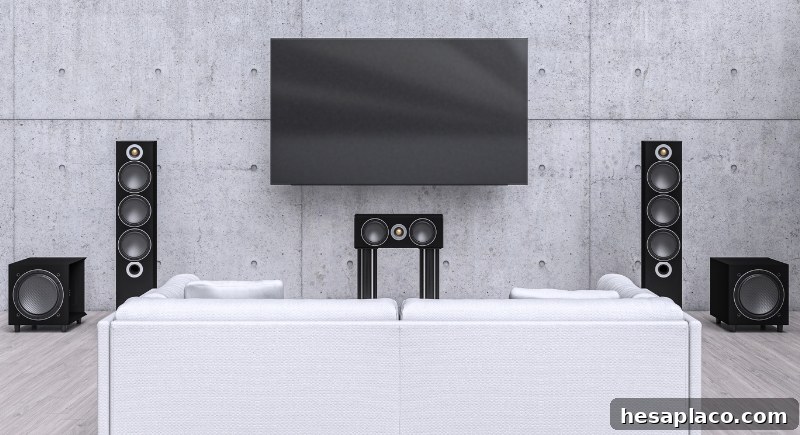
Credit: Tiero
Clear sound matters for focus and relaxation. Some invest in premium speakers or noise-canceling headphones to reduce distractions and enhance concentration. Quality audio can improve the environment for both work and downtime.
Customized Travel and Learning Trips

Credit: Getty Images
Affluent travelers often design trips around learning or deep cultural experiences, hiring local guides or experts to curate meaningful itineraries. Rather than many shallow getaways, they may prefer fewer, more transformative journeys that inspire ideas or clarity.
Practical Home Improvements

Credit: CGI STUDIO
Rather than always seeking grand estates, many prioritize comfort where they spend the most time. Practical upgrades—smart thermostats, air purifiers, ergonomic furniture, and massage chairs—support long workdays and overall well-being, making daily life more sustainable.
Expert Financial Advice

Credit: Getty Images
Even with strong business acumen, self-made millionaires rarely manage finances alone. They assemble teams of advisors for taxes, investments, and estate planning. Professional guidance reduces costly errors and helps preserve and grow wealth efficiently over the long term.