
When a person dies, their social media profiles, cloud storage, and email accounts do not vanish instantly. Instead, these digital footprints linger in a patchwork of platform policies, privacy protections, and legal uncertainties. Each service applies its own rules, which means families and executors often face a confusing, time-consuming process to preserve, access, or delete a loved one’s online presence. Below is a clear summary of how major platforms and services typically handle accounts after death.
Facebook Memorial Pages
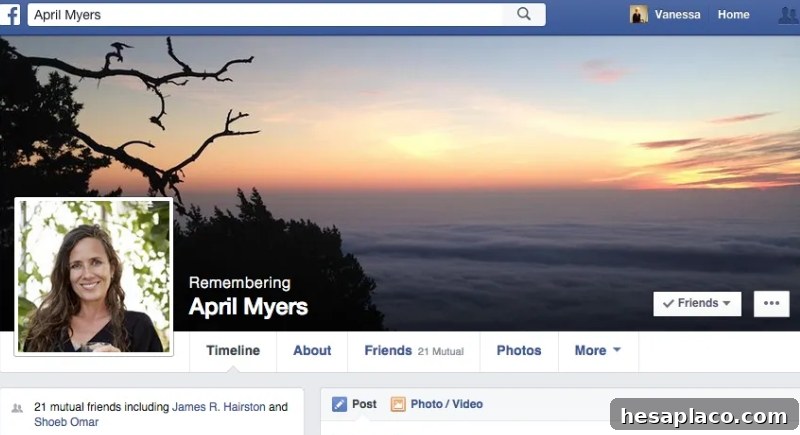
Credit: Facebook
Facebook offers a memorialization option that keeps a profile visible but locked. Friends can leave tributes, and a predesignated legacy contact may update a profile photo or manage certain features, but no one can log in as the account holder or send new messages. This is a platform-controlled state rather than a legal transfer of ownership—more like a digital monument than a transferable asset.
Apple’s Legacy Contact

Credit: Wikimedia Commons
Apple provides a Legacy Contact feature that allows a designated person to access certain data—photos, notes, and other files—if the account owner enabled it beforehand. Without that setup, families typically must obtain court orders and complete identity verification to gain access. Strong security measures that protect living users can make accessing data after death cumbersome unless advance arrangements were made.
Cloud Storage Services

Credit: iStockphotos
Cloud services like Google Drive and Dropbox treat accounts as personal and generally nontransferable. Family members cannot simply sign in and retrieve files without legal proof of authority. Even when presented with documentation, providers often limit what can be accessed or offer downloadable archives instead of full account control. Statutes such as RUFADAA give executors some rights to request data, but platform policies determine how those rights are implemented in practice.
Instagram’s Rules

Credit: Wikimedia Commons
Instagram lets a relative or close friend request that an account be memorialized by providing proof of death. Memorialized profiles remain visible and searchable so followers can revisit posts, but no new content can be added and private messages remain inaccessible. U.S. law does not automatically grant heirs rights to social media accounts, so outcomes depend on Instagram’s verification procedures and internal policies.
Twitter’s Deletion Approach
Credit: pexels
Some platforms do not offer memorialization. Twitter (X) typically deletes an account after receiving a valid request and reviewing a death certificate. Deletion removes tweets, photos, and account history from public view. This approach prioritizes privacy, but it also means years of public content can vanish without an easy backup for family members.
YouTube and Copyrighted Videos

Credit: pexels
YouTube differs because videos are treated as copyrighted works. A channel may continue to receive views, but families cannot automatically log in to manage it. Google requires legal documentation to consider requests and sometimes only offers the option to remove content rather than grant full access. While copyright law can allow heirs control over creative works, lacking passwords or prior permissions makes asserting those rights difficult.
Email Accounts Are Tricky

Credit: Getty Images
Gaining access to a deceased person’s email is often complicated. Google offers an “Inactive Account Manager” that allows a user to designate someone to receive data if the account becomes inactive, but this must be set up in advance. Other providers, like Outlook, usually require court orders before releasing content. Privacy protections and laws can keep inboxes sealed despite instructions in a will.
Digital Music Libraries

Credit: pixelshot
Digital music collections are usually offered under license rather than sold as transferable property. Services such as Apple Music and Spotify typically forbid transferring accounts or playlists to heirs. While songs downloaded to a device may still be playable, the underlying account and subscription rights generally expire with the user according to service agreements.
Online Gaming Profiles

Credit: pexels
Gaming accounts and in-game purchases are commonly nontransferable. Major platforms like Steam and PlayStation prohibit account transfers or resale, and using a deceased person’s login details may violate terms of service. This can leave digital items and achievements effectively inaccessible to family members even when credentials are known.
Subscription Services

Credit: iStockphotos
Streaming services operate on a straightforward payment model: when payments stop, accounts typically lapse. Services like Netflix and Hulu will suspend access when billing fails, causing watchlists and personalized settings to be lost. Because these accounts are governed by subscription agreements rather than property laws, they rarely qualify as inheritable assets.
AI Chatbots and Digital Replicas

Credit: Getty Images
Some companies are developing AI tools that reconstruct a deceased person’s conversational style using their posts, messages, and recordings. These “digital replicas” raise complex ethical and legal questions: who controls the data, who consents to its reuse, and how long should the information be retained? Currently, few specific laws address these services, leaving regulators and families to grapple with privacy and consent issues as the technology evolves.
Legal Documents vs. Platform Terms

Credit: Getty Images
A will can specify who should manage digital accounts, but platform terms of service often take priority and may not honor those instructions. This mismatch surprises many families and highlights the importance of combining traditional estate planning with the account-specific tools major providers offer—such as legacy contacts, inactive account managers, and preauthorized access options.
Financial Accounts Online

Credit: Getty Images
Banks and financial apps operate under strict federal and state regulations. To access or close accounts, families generally must submit official documents—death certificates, letters testamentary, or court orders. Additional obstacles like two-factor authentication tied to a deceased person’s device can further complicate access. Still, because these services are legally regulated, persistence and proper paperwork usually lead to resolution.
Photos on Social Platforms

Credit: Reddit
Images uploaded to social networks often persist even after accounts are deleted. Backups, cached copies, and content stored on other servers can keep photos accessible behind the scenes. Terms of service typically grant platforms broad rights to use uploaded images, so families rarely gain full ownership. Public galleries may be downloadable if credentials are available, but private albums are typically protected for privacy and legal reasons.
Planning a Digital Will

Credit: Canva
Creating a digital will is a practical way to manage your online legacy. This document can list accounts, indicate where credentials are stored, and state preferences for deletion, memorialization, or transfer. While a digital will may not override platform terms, combining it with each provider’s legacy tools helps ensure smoother transitions. Communicating plans to trusted relatives and securely storing necessary access information can prevent confusion and help protect sentimental or valuable digital content.