Fast-food restaurants and courtrooms might seem like separate worlds, but they intersect far more often than you’d expect. Over the years, customers have taken major chains to court for everything from burns and unexpected bones to missing ingredients and misleading advertising. Some lawsuits grew from genuine harm; others reflected consumer frustration or opportunism. Below is a selection of some of the oddest and most notable legal cases that have touched the fast-food industry.
A Sandwich With an Unexpected Crunch
Credit: Wikimedia Commons
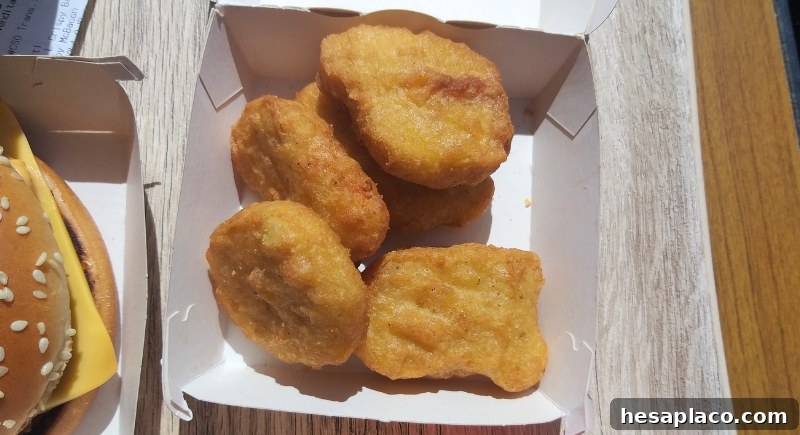
In Florida, a man bit into what he believed was a McNugget and struck a hard object that cracked a tooth in two places. He described the center as feeling like “biting a rock.” The object inside measured close to an inch, and the man sued McDonald’s for $1.1 million, even calling for a nationwide recall. Whether driven by real injury or an overreaching claim, the case highlighted concerns about foreign objects in prepared food and the potential dental damage they can cause.
That Tuna Test Didn’t Help
Credit: Reddit
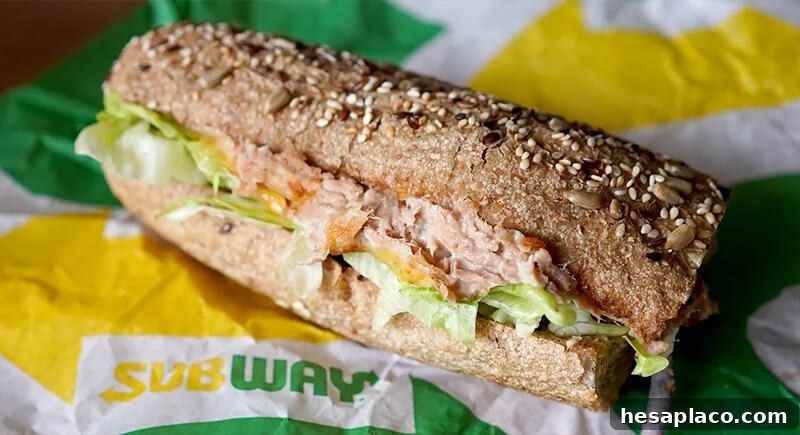
Two California customers sued Subway in 2021 after lab tests reportedly showed no detectable tuna in the chain’s tuna sandwiches. Subway rejected the findings and launched a high-profile public response, including resources to explain its tuna sourcing and preparation. The dispute became as much about public perception and brand trust as it was about scientific testing and labeling.
When a Sandwich Had a Side of Knife
Credit: Reddit
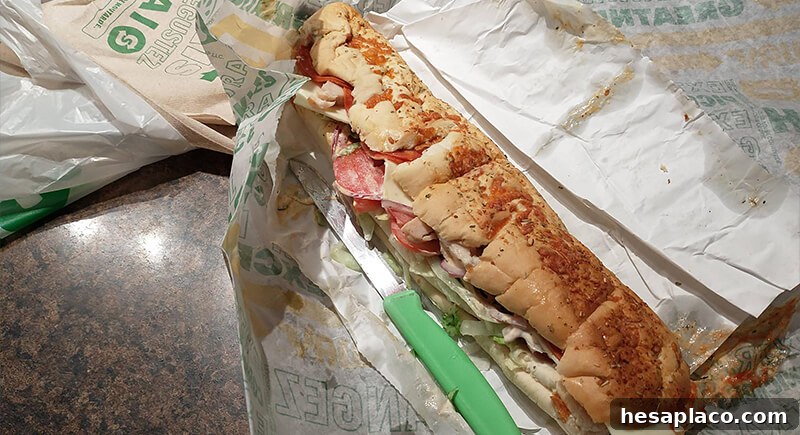
In 2008 a New York man bit into a Subway sandwich and discovered a serrated knife embedded in the bread, with the plastic handle partially melted into the loaf. After Subway failed to respond to his complaint, he sued. The court ruled in his favor, and he received approximately $20,000 in damages. Cases like this underline the importance of quality control in food preparation.
Happy Meals Made Him Unhappy
Credit: Reddit
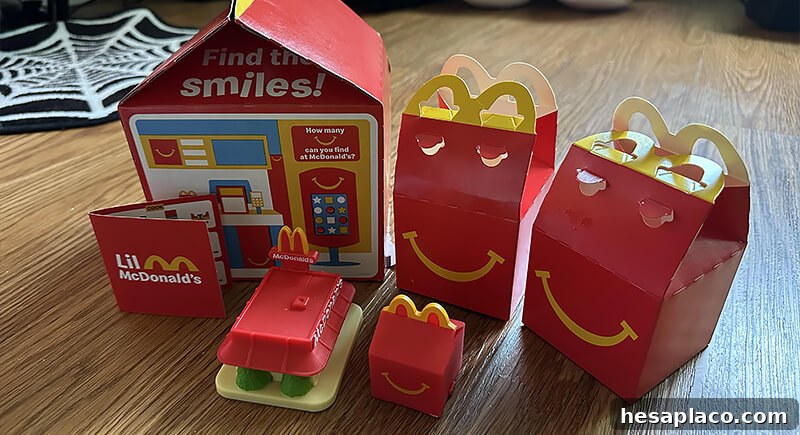
In Quebec, a father sued McDonald’s over the placement and display of Happy Meal toys, arguing the setup pressured children to ask their parents to buy the toys. He maintained that the toys were shown at a child’s eye level in a way that amounted to targeted advertising, which conflicts with Canadian rules limiting marketing directed at children. The case drew attention to how toy displays and in-store marketing influence purchasing behavior among families.
Price Tag Trouble Over 20 Cents
Credit: Wikimedia Commons
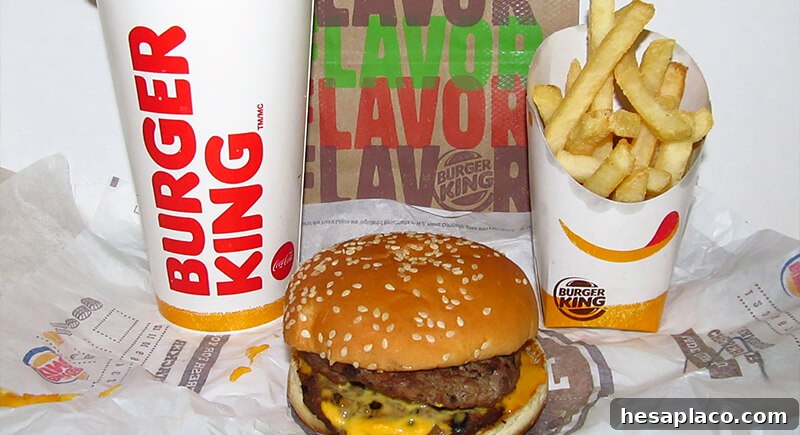
A New York woman filed a lawsuit claiming Burger King owed her $100 after discovering that a large soda cost 89 cents at one location but only 69 cents at another. Her complaint included compensation for the extra effort she claimed was required to find the cheaper price. Though the amount at issue was small, the suit highlighted disputes over inconsistent pricing between franchise locations.
Finger Found in Chili Wasn’t What It Seemed
Credit: Reddit
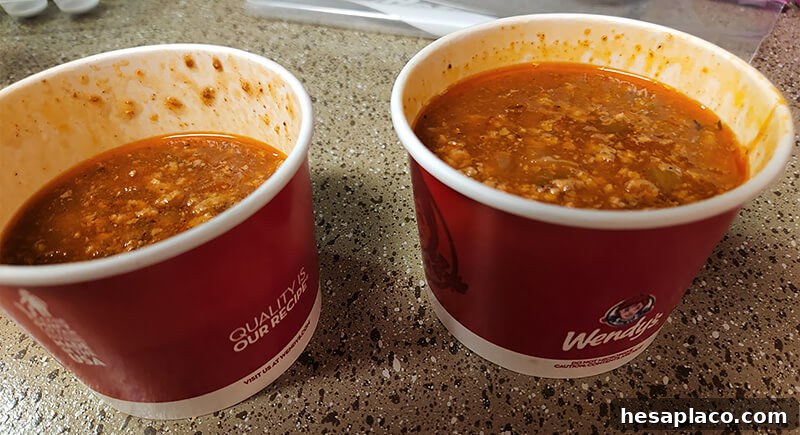
One of the most infamous fast-food scandals involved a woman who claimed she found a human finger in her Wendy’s chili. Investigators discovered she had planted the finger herself and even boiled it to make it look authentic. The hoax led to criminal charges and prison time, showing how fraudulent claims can escalate into serious legal consequences.
Choking on Chicken and Suing Over a Spork
Credit: Tripadvisor
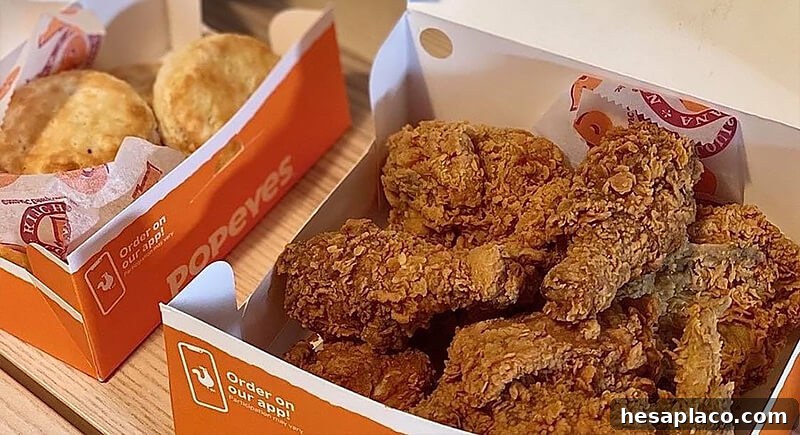
An attorney in Mississippi sued Popeyes after claiming that the absence of a plastic knife forced him to eat with his hands, resulting in an incident where he choked and needed emergency surgery. His lawsuit sought changes to ensure adequate utensils for customers. The case underscored questions about reasonable expectations for utensils and whether their absence could be linked to severe injury.
Coffee Case That Wasn’t a Joke
Credit: Reddit
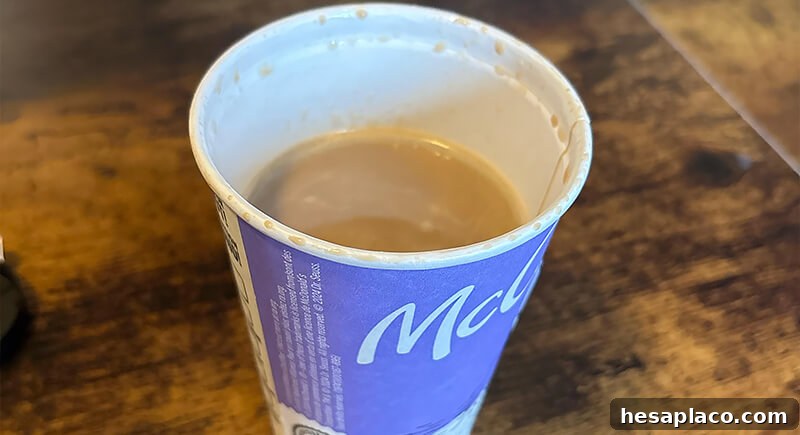
The 1992 case of Stella Liebeck versus McDonald’s remains one of the most widely discussed fast-food lawsuits. After spilling hot coffee on her lap, Liebeck suffered severe third-degree burns that required grafting and weeks of medical care. She initially received a low settlement offer from McDonald’s and ultimately pursued the case in court, resulting in a sizable award. The incident brought national attention to product safety, warning labels, and corporations’ responsibility to address known hazards.
When Bread Wasn’t Really Bread
Credit: Reddit
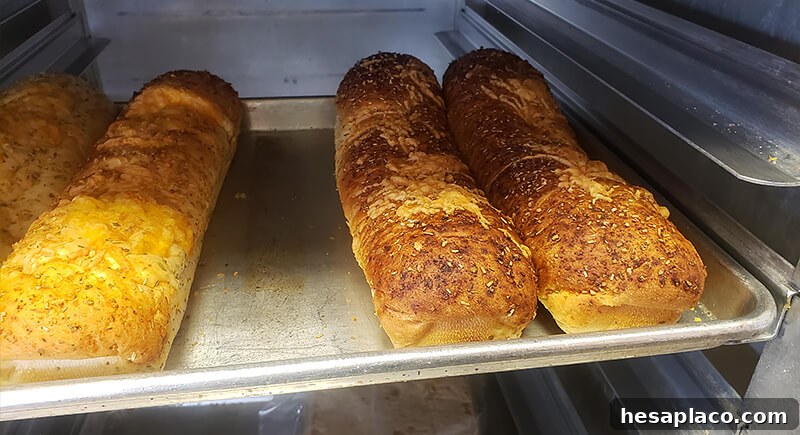
In Ireland, Subway faced a legal challenge when the courts determined in 2020 that its sandwich rolls contained enough sugar that they no longer met the legal definition of “bread.” Subway defended its recipe but the ruling had practical implications for taxation and food labeling, illustrating how ingredient formulas can trigger regulatory scrutiny.
Too Much Ice, Too Little Coffee
Credit: Reddit
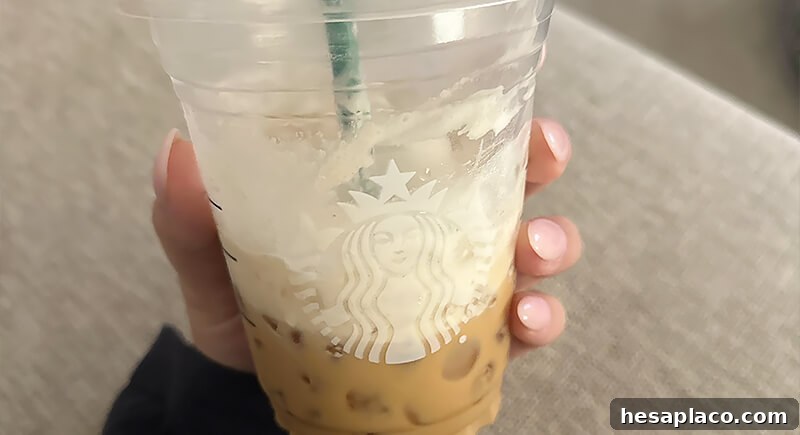
Starbucks was sued by a customer who argued iced beverages contained so much ice that the actual quantity of coffee or tea was substantially less than the advertised size. A federal judge dismissed the suit, reasoning that a reasonable customer would expect an iced drink to include ice. The decision reflected the balance courts strike between consumer expectations and marketing representations.
Not Enough Chicken in the Bucket
Credit: Reddit
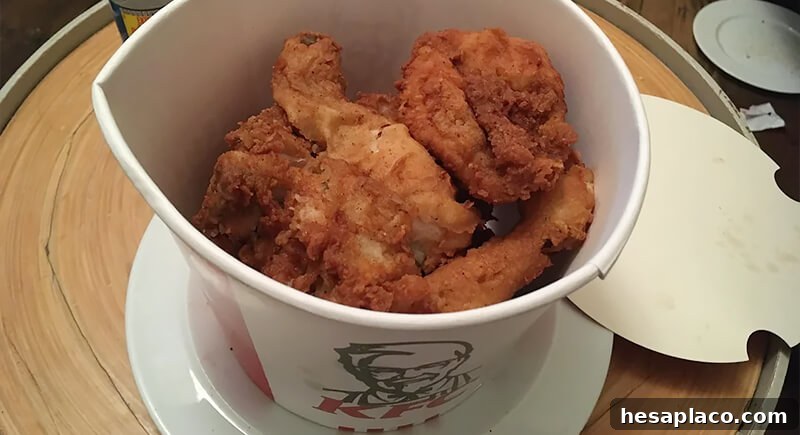
A New York woman accused KFC of false advertising after receiving a bucket of chicken that did not match the overflowing image shown in promotional material. She claimed the product could not feed a family as advertised. KFC offered store credit, but the plaintiff rejected that resolution. The dispute highlights how advertising imagery and real-world product portions can lead to disagreements over consumer expectations.
The Cheese Charge Controversy
Credit: Reddit
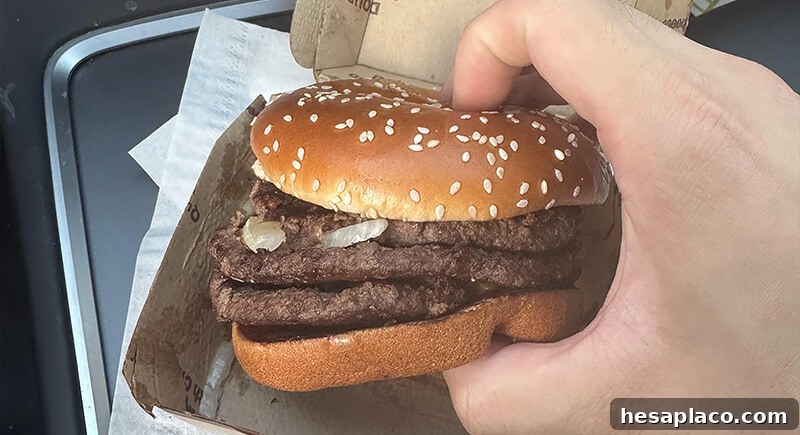
In 2018 a Florida couple sued McDonald’s seeking 90 cents they believed they were overcharged. They argued removing cheese from a Quarter Pounder should reduce the price, because cheese-free burgers had previously been listed at a lower price point. Their suit touched on menu pricing practices and whether customers should pay for optional ingredients they do not receive.
The Not-So-Angus Ad War
Credit: Reddit
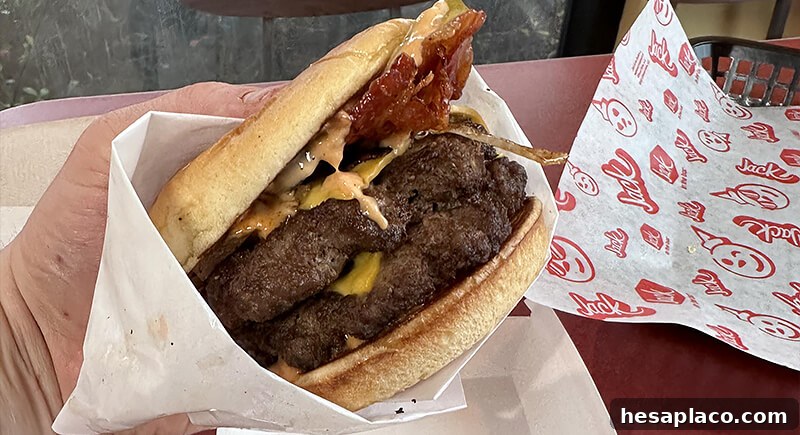
Jack in the Box ran a tongue-in-cheek campaign mocking the use of “Angus” in rivals’ advertising, implying competitor burgers were made from lesser cuts. Carl’s Jr. objected to the innuendo, but a court declined to block the ads. The two companies settled privately afterward. The episode underscores how advertising copy and competitive jabs can spill into litigation when brands take offense.
Taco Shell Idea Allegedly Stolen From Prison
Credit: Reddit
In 2013, a Colorado inmate claimed Taco Bell had used his idea for Doritos Locos Tacos after he wrote to the company from prison describing taco shells made from Doritos. Taco Bell denied the allegation, stating the product had been in development internally well before any letter was received. The case illustrates the difficulties of proving idea theft, especially when large companies have independent development processes.
No Fruit in the Fruit-Flavored Donuts
Credit: Instagram
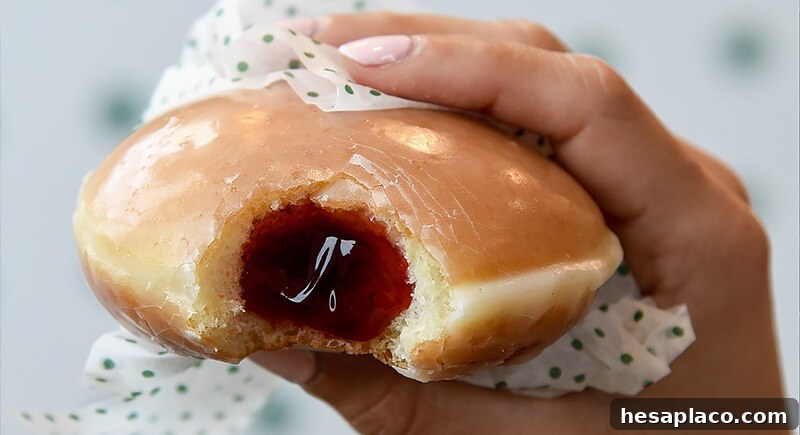
In California, a customer sued Krispy Kreme after learning that fruit-flavored donuts, such as the “Glazed Raspberry Filled,” relied on artificial flavoring rather than real fruit. He sought $5 million, arguing that some varieties of the chain’s products did contain real juice while others used synthetic flavors, potentially misleading customers. The suit raised questions about labeling transparency and the expectations consumers have for products advertised with fruit-forward names.
These cases showcase the wide variety of legal disputes that can arise around fast-food chains: genuine safety incidents, advertising and labeling controversies, pricing fights, and even hoaxes. While some claims result in meaningful changes to safety policies or clearer labeling, others serve as cautionary tales about opportunistic litigation or the limits of consumer expectations. Either way, they reveal how closely food service, brand management, and the legal system are intertwined.