Thrift stores can be treasure troves for well-made clothing, useful appliances, and unique finds at a fraction of the price. Buying secondhand also helps reduce waste and extends the life of products. However, a bargain doesn’t always equal a smart purchase. Some items carry hidden safety risks, others come with costly repair needs, and a few cannot be cleaned or restored to a safe, sanitary condition. Savvy thrift shoppers know that the real skill is recognizing what to leave behind. The following items are generally best avoided, even if the price seems attractive.
Car Seats
Credit: Facebook
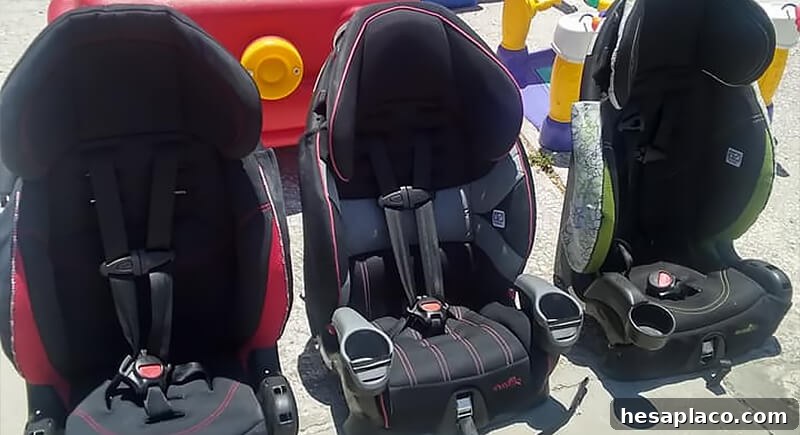
Car seats are one of the clearest examples of items you should not buy used. Safety organizations, including the American Academy of Pediatrics, warn against purchasing secondhand seats because their history is often unknown. A seat involved in even a low-speed crash may no longer offer full protection, and damage from an impact can be invisible. Many car seats are also subject to recalls, and most have expiration dates after which the materials and safety performance can’t be guaranteed.
Cribs and Baby Furniture
Credit: Reddit
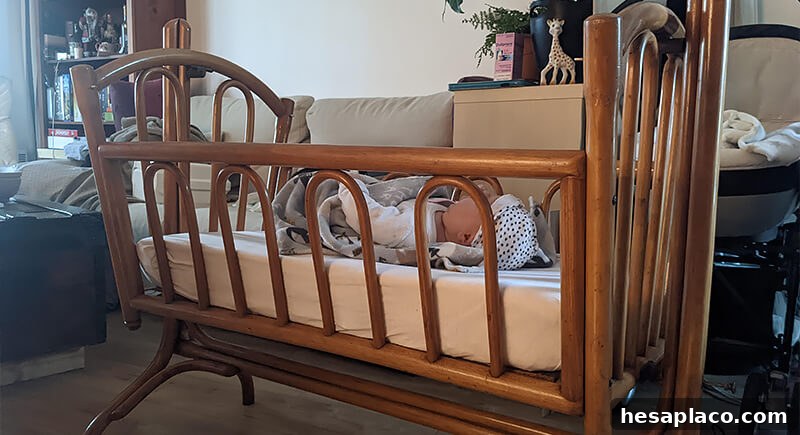
While vintage cribs and nursery furniture can look charming, safety standards for infant products have changed considerably. Older cribs may have slats spaced too far apart, missing or weakened hardware, or painted finishes that contain lead. Consumer safety rules evolve frequently, so many older models simply don’t meet current requirements designed to protect infants.
Helmets
Credit: Reddit
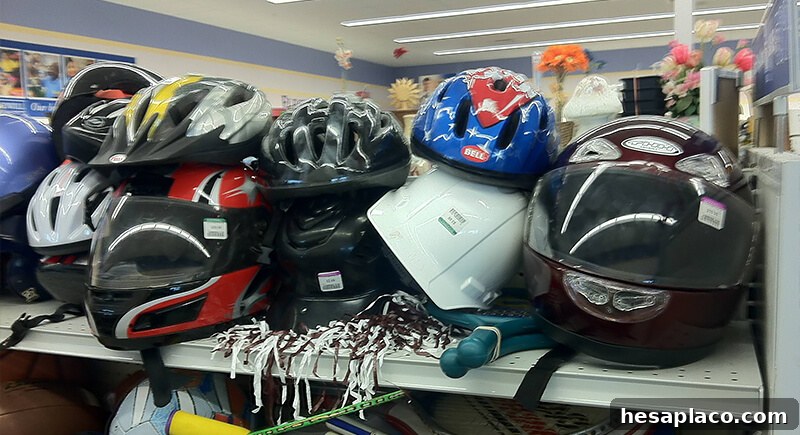
Experts generally recommend replacing helmets every three to five years. When buying a used helmet, there’s no way to know whether it has been involved in a crash or how long it has been in use. Helmets rely on foam layers that compress on impact; even if the outer shell looks intact, the internal structure may have been compromised and no longer absorb shocks effectively. Protective gear can’t be restored once its impact-absorbing properties are damaged.
Mattresses
Credit: Getty Images
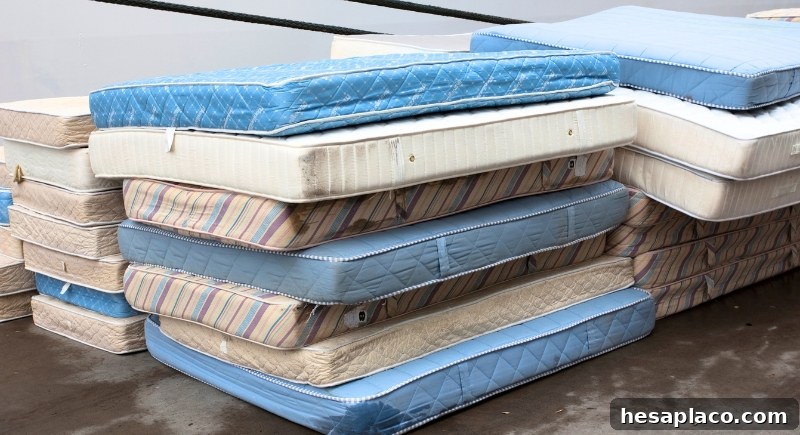
A used mattress may appear clean, but it can hide dust mites, mold, bacteria, and accumulated allergens that aren’t easy to remove. Mattresses are difficult to sanitize thoroughly, and many health experts recommend buying new for hygiene reasons. Additionally, mattresses lose structural support over time, which can degrade sleep quality and contribute to back pain, making a secondhand mattress a poor long-term investment.
Old Electrical Appliances
Credit: Reddit
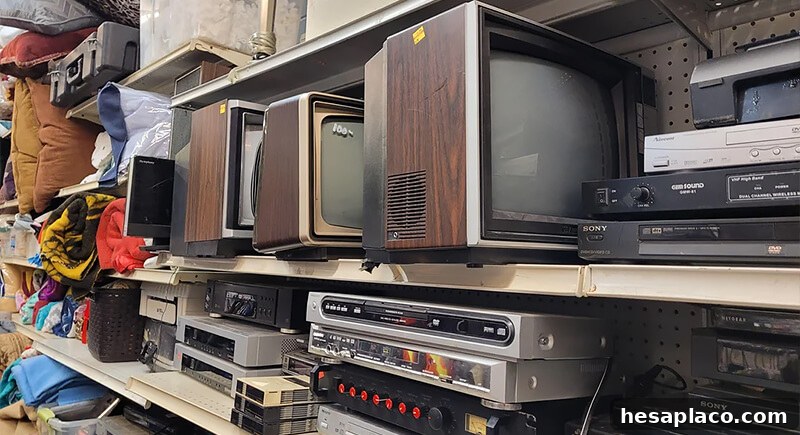
Vintage electrical appliances can be appealing for style, but internal components age. Insulation wears out, wiring becomes brittle, and corrosion can affect connections—each of which can create fire or shock risks. An appliance that powers on in a store may still have hidden faults that surface with regular home use. Small kitchen gadgets, lamps, and older electronics are particularly risky if their wiring or internal parts haven’t been professionally inspected or replaced.
Scratched Nonstick Cookware
Credit: Reddit
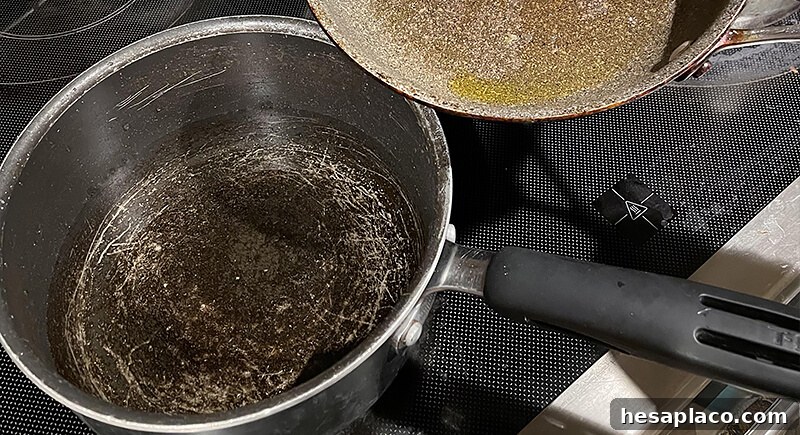
Nonstick cookware depends on a protective coating to keep food from sticking. When that coating is scratched, chipped, or heavily worn, the underlying metal can leach into food and the nonstick surface may begin to break down. Over time, particles or degraded coating materials can end up in meals. It’s usually safer to replace worn nonstick pans with new ones rather than risk contamination from an extensively used thrift-store skillet.
Wooden Cutting Boards

Credit: Canva
Wooden cutting boards are porous and absorb liquids and microscopic food particles. While this can give them a “well-used” look, it also makes them difficult to disinfect completely. Knife cuts create grooves where bacteria can hide, and a thrift shopper has no reliable way to know how the board was previously used or maintained. Unless a wooden board is intended for decorative use, it’s typically better to buy a new cutting surface for food prep.
Rugs With Hidden Odors
Credit: Getty Images
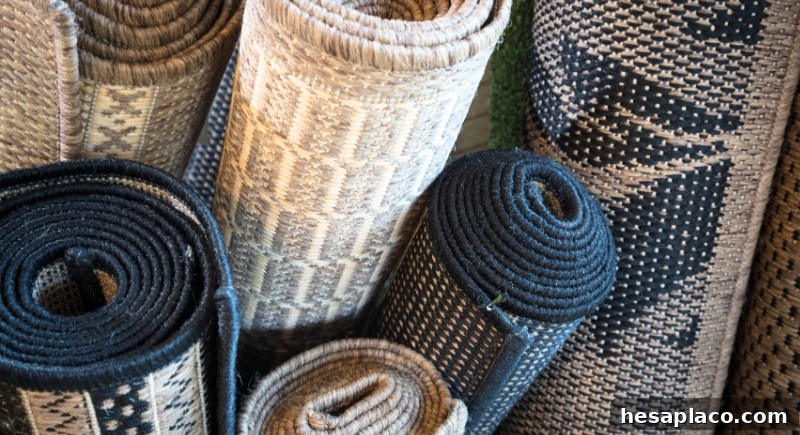
Unless you’re dealing with an antique rug worth professional restoration, most thrift-store rugs prove more trouble than they’re worth. Rugs can trap deep-seated odors and stains—pet urine, smoke residue, and mildew are common—and removing these often requires professional cleaning that can be expensive. Professional rug cleaning can cost hundreds of dollars, quickly eliminating any savings from the initial purchase.
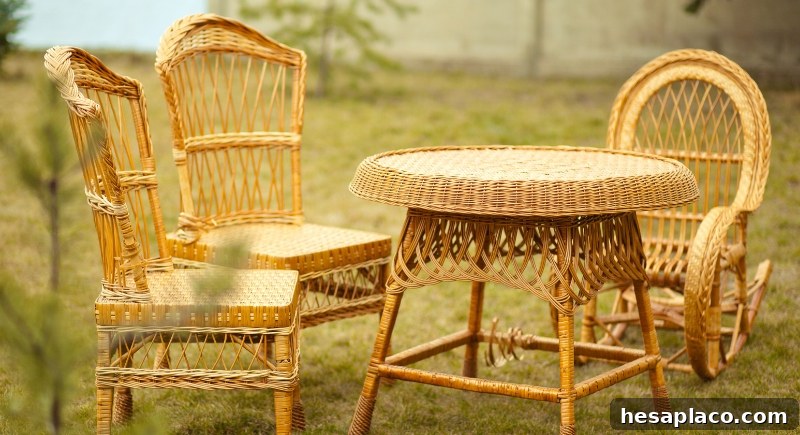
Wicker or Rattan Furniture With Damage
Credit: Getty Images
Wicker and rattan furniture often appears in thrift stores because woven fibers weaken with age. When strands crack or break, repairs require specialized techniques and can be costly. Minor damage tends to spread, so a chair that seems a bit loose in the store may become unstable with regular use. For long-term durability, it’s usually better to avoid heavily worn woven furniture unless you plan to invest in professional restoration.
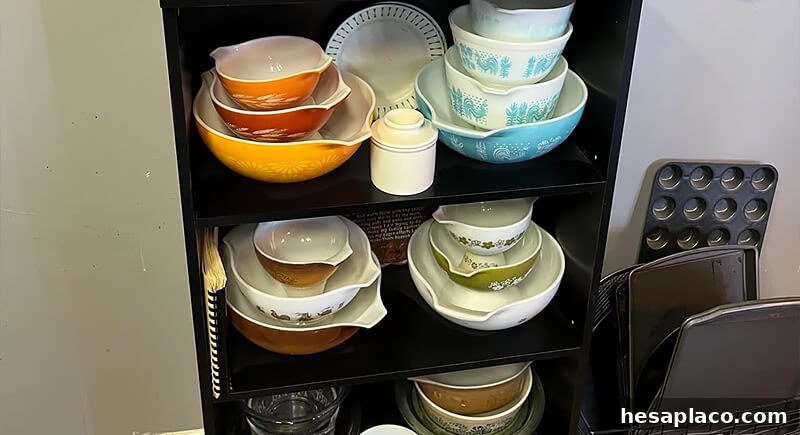
Vintage Dishware With Decorative Paint
Credit: Reddit
Vintage plates and glassware can be attractive as decor, but using them for food and drink carries potential risks. Many decorative pieces made before the 1970s were manufactured under standards that allowed lead or other hazardous substances in glazes and paints. Chips or cracks that develop over time can increase the risk of exposure, so it’s safest to use vintage dishware only for display rather than serving food.