
Choosing where to spend your retirement is a significant decision. You want an affordable, safe place that supports your interests and lifestyle. With 50 states to consider, the options can feel overwhelming. A recent study evaluated states based on affordability, healthcare, crime rates, weather, and access to amenities to identify the best places for retirees. Below are 15 top-ranked states, each offering a distinct combination of lifestyle, comfort, and value.
Sunshine State Bliss: Florida
Credit: Wikimedia Commons
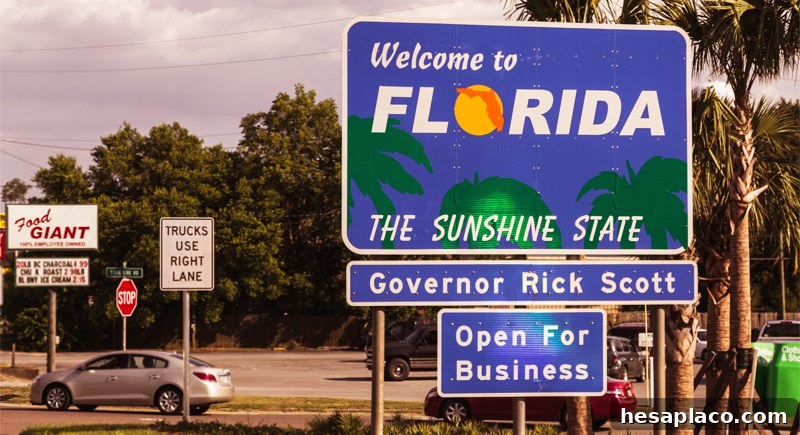
Florida remains a top choice for many retirees thanks to its warm climate, extensive beaches, and abundant recreational options—there are over a thousand golf courses across the state. The lack of state income tax and generally affordable living in many areas make retirement funds stretch further. The coastal lifestyle appeals to those who enjoy boating, beach walks, and outdoor clubs. Keep in mind that hurricane season is a factor to consider when planning for property and personal safety.
Southern Charm on a Budget: Georgia
Credit: flickr
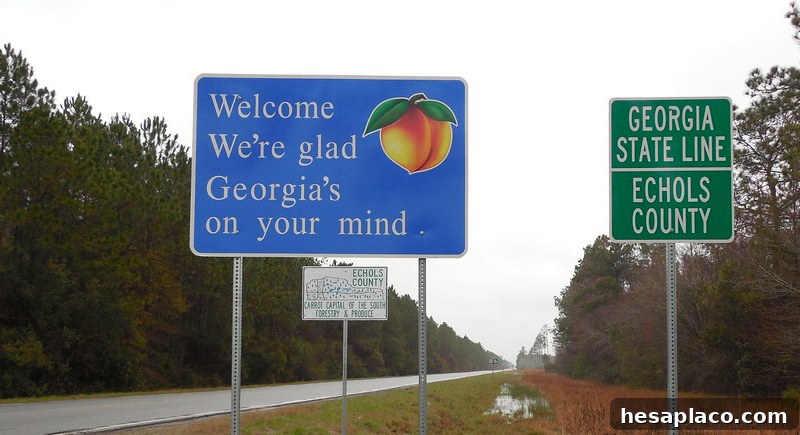
Georgia offers Southern hospitality with an affordable cost of living. From the coastal charm and historic streets of Savannah to the scenic Appalachian foothills, the state has diverse landscapes and cultural attractions. Cities such as Atlanta provide strong healthcare options and cultural amenities, while smaller towns deliver tight-knit communities and slower pace—ideal for retirees seeking balance between activity and tranquility.
Four Seasons of Beauty: North Carolina
Credit: flickr
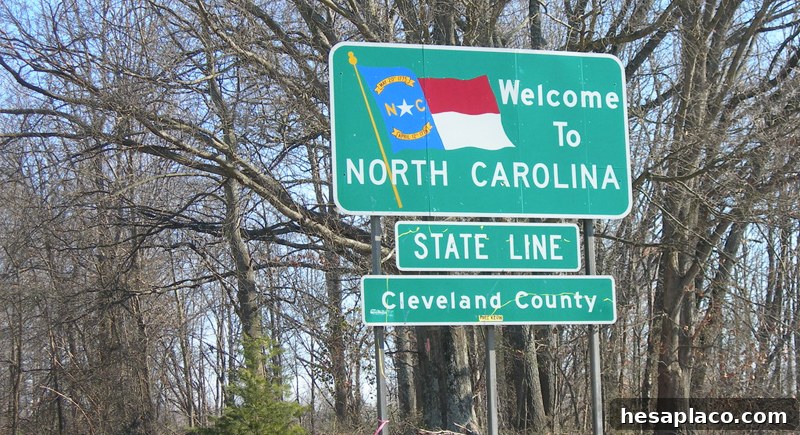
North Carolina suits retirees who appreciate seasonal variety. The state combines a scenic coastline with barrier islands and the Blue Ridge Mountains inland, offering beach days and mountain retreats within reach. A moderate cost of living and numerous retirement communities make North Carolina attractive for those who want outdoor activities, cultural events, and healthcare services without the high costs of some other regions.
History and Low Taxes: South Carolina

Credit: flickr
South Carolina blends historic charm with coastal living. Cities like Charleston offer rich history, walkable historic districts, and dining scenes, while destinations such as Hilton Head provide relaxed beachside living. The state’s relatively low cost of living and absence of state income tax in many retirement scenarios help retirees preserve income, and many coastal and inland communities have established senior services and social activities.
Outdoor Adventure Awaits: Arizona

Credit: Wikimedia Commons
Arizona is ideal for active retirees who prefer dry, sunny weather and plenty of outdoor recreation. The state offers iconic natural sites like the Grand Canyon and Saguaro National Park, as well as numerous golf courses and hiking trails. A dry climate can be beneficial for certain health conditions, and many retirement communities cater to an active, outdoor-focused lifestyle. The cost of living is competitive in many areas, and there’s no state income tax on Social Security benefits in some circumstances.
Music City Magic and More: Tennessee

Credit: Wikimedia Commons
Tennessee combines cultural vibrancy with natural beauty. Nashville and Memphis offer music, museums, and dining, while the Great Smoky Mountains provide abundant outdoor recreation. Tennessee’s cost of living is generally lower than the national average, and the state does not tax wage income in the same way some others do, which can be advantageous for retirees depending on their income sources. Communities across the state offer strong volunteer networks, senior centers, and healthcare services.
History and Close to the Capital: Virginia
Credit: Wikimedia Commons
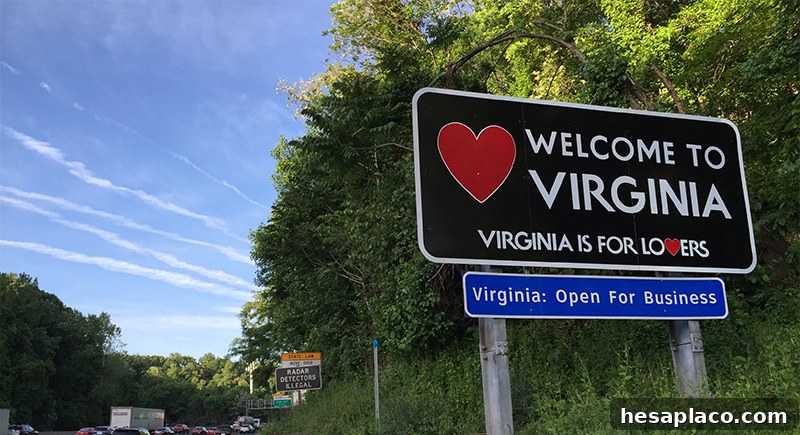
Virginia provides a mix of historic sites, coastal scenery, and mountain retreats. From Colonial Williamsburg and Monticello to the Chesapeake Bay and the Blue Ridge Parkway, the state offers diverse settings for retirement. Proximity to Washington, D.C. gives access to museums, cultural events, and medical centers. Retirees often find a range of housing options, quality healthcare, and communities oriented toward active, engaged senior living.
Rocky Mountain Majesty: Colorado

Credit: Wikimedia Commons
Colorado appeals to retirees who favor an active, outdoor lifestyle amid dramatic mountain scenery. Skiing, hiking, biking, and fishing are easily accessible, and cities like Denver and Boulder offer cultural, dining, and healthcare amenities. The state’s cost of living can be higher in popular mountain and urban areas, but many retirees appreciate the combination of wellness-focused communities and excellent medical facilities.
Lights, Camera, Action! Nevada

Credit: flickr
Nevada offers a unique mix of entertainment and natural landscapes. Las Vegas provides year-round shows, dining, and leisure options, while the state’s parks, lakes, and desert scenery offer outdoor adventure. Nevada’s taxation policies, including no state income tax for many residents, make it attractive from a financial standpoint. Small towns and suburban areas across the state provide quieter retirement alternatives to the bustling entertainment centers.
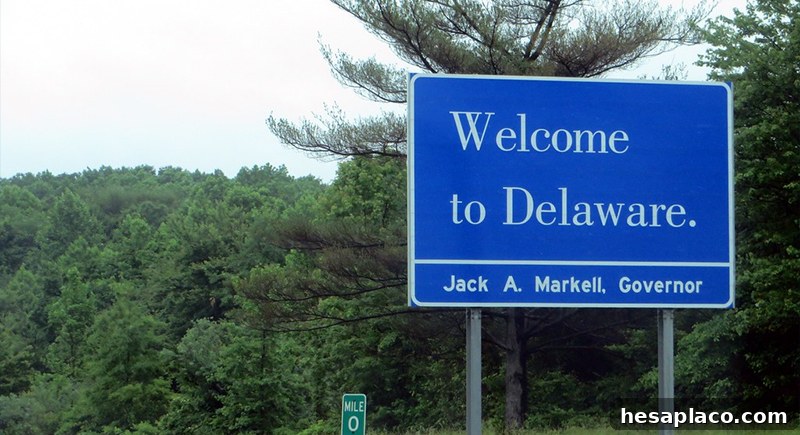
Small-Town Charm and History Buffs’ Paradise: Delaware
Credit: flickr
Delaware may be small, but it offers historic towns, serene coastal areas, and a strong sense of community. The state’s manageable size means short drives to beaches, cultural attractions, and healthcare facilities. Delaware can be appealing for retirees seeking quieter, walkable towns with accessible services and a slower pace of life, along with financial perks that can accompany retirement budgets.
Chesapeake Charm and Close to D.C.: Maryland

Credit: flickr
Maryland combines coastal living with proximity to national cultural resources. The Chesapeake Bay region is a draw for boating and seafood lovers, while western Maryland offers lakes and forested hills. Close access to Washington, D.C. means museums, performing arts, and specialized medical centers are within reach. Retirees often find a wide range of neighborhoods, from historic small towns to suburban communities with strong healthcare and service infrastructures.
Lobster Rolls and Lighthouses: Maine

Credit: flickr
Maine captures a classic New England retirement experience with rocky shores, working harbors, and iconic lighthouses. Quaint coastal towns serve fresh seafood and host seasonal festivals, while inland areas offer hiking, kayaking, and scenic drives. With a slower lifestyle and strong community ties, Maine appeals to retirees who value natural beauty and a quieter pace. Note that heating and winter maintenance are important considerations in the colder months.
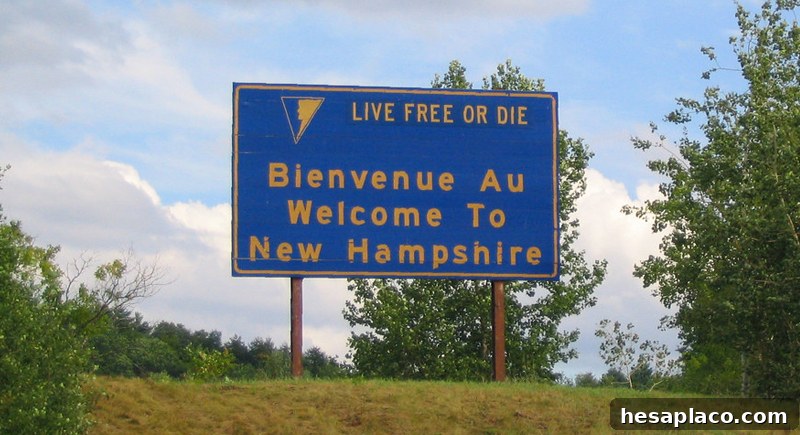
Live Free or Die and Four Seasons: New Hampshire
Credit: flickr
New Hampshire offers four distinct seasons, low crime rates, and a strong community focus. The White Mountains and Lake Winnipesaukee create natural backdrops for year-round recreation, from summer boating to winter skiing. For retirees who prefer independence and an active lifestyle in scenic surroundings, New Hampshire provides varied settings and services without a state income tax on certain retirement incomes.
Wide-Open Spaces and Affordability: South Dakota

Credit: Wikimedia Commons
South Dakota presents wide-open landscapes, national landmarks, and a lower cost of living that can appeal to budget-conscious retirees. Attractions such as Mount Rushmore, the Badlands, and the Black Hills offer scenic drives, hiking, and outdoor programs. Many rural and small-town communities emphasize neighborly connections, and the state’s tax approach can help preserve retirement income.
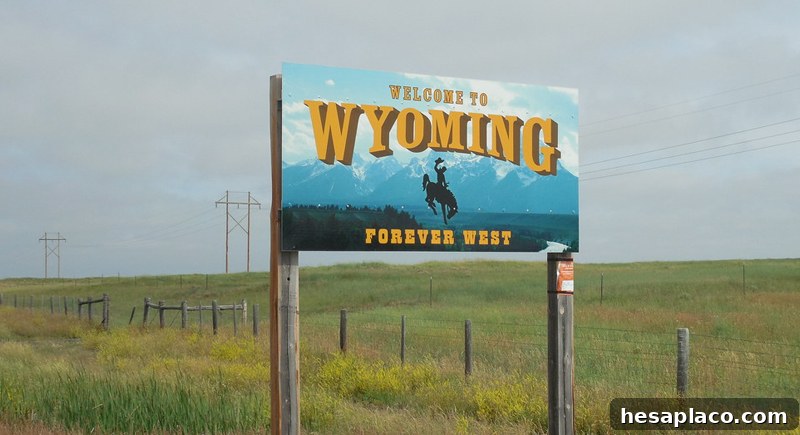
Yellowstone Majesty and Untamed Beauty: Wyoming
Credit: flickr
Wyoming is a haven for retirees who value unspoiled wilderness and outdoor recreation. With Yellowstone and Grand Teton National Parks nearby, opportunities for wildlife viewing, hiking, and fishing are abundant. Towns like Jackson Hole offer cultural amenities and winter sports, while more remote communities provide solitude and close ties to nature. The state’s low population density and favorable tax environment make it attractive for those seeking an adventurous, nature-centered retirement.