If you were ever stuck with an Amazon Prime subscription you didn’t intend to buy, you may be entitled to a refund. Amazon has reached a major settlement over how it enrolled and processed cancellations for Prime memberships, and eligible U.S. customers could receive up to $51. Below is what the settlement means, who may qualify, and how to check your eligibility before the deadline.
The Settlement That Reshaped Prime Enrollment
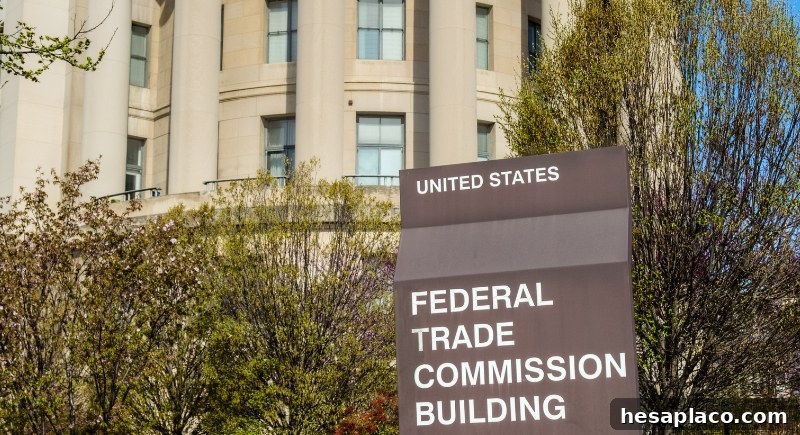
Image via Getty Images/Dwight Nadig
In late 2025, the Federal Trade Commission (FTC) concluded a long-running case that resulted in one of its largest consumer settlements, totaling $2.5 billion. The FTC alleged Amazon used “dark patterns”—design elements intended to steer users into choices they might not fully understand—leading to millions of customers being signed up for Prime without clear consent, and making cancellation needlessly difficult. Amazon agreed to the settlement without admitting wrongdoing. Of the $2.5 billion settlement, $1.5 billion is allocated for refunds to eligible customers, while the remaining $1 billion covers penalties. The effort could affect roughly 35 million Americans and ranks among the biggest refund programs tied to an online subscription service.
Who May Receive a Refund

Image via Canva/Nzewi Confidence
Refunds target U.S. Prime members who enrolled in Prime or attempted to cancel between June 23, 2019 and June 23, 2025. The FTC identified specific “challenged” enrollment pages that may have obscured what customers were agreeing to. If your membership began on one of those pages, or you experienced difficulty canceling during that period, you could be eligible. The maximum payout per account is $51, roughly equivalent to half a year of a Prime subscription.
Automatic refunds will be issued first to accounts that were barely used—defined as three or fewer Prime uses in a year. If you are eligible in that group, the refund should be returned to your account or card by December 24 or 25, 2025. A second wave covers customers who used Prime more frequently but still qualify; those individuals will receive claim instructions from a third-party administrator around January 23, 2026, and must submit claim forms by July 23, 2026 to receive payment.
How to Check If You Qualify
The quickest way to confirm eligibility is to sign in to your Amazon account and review the “Memberships & Subscriptions” section for sign-up and cancellation activity within the qualifying dates. Official notices will typically come from an @amazon.com or @ftc.gov email address; if you receive such a message, keep it, since it may include claim details or instructions for receiving a refund.
The FTC will also post official updates about the refund program at ftc.gov/amazon-refunds, where you can verify eligibility and submit claims once the claims process opens. When possible, refunds will be issued to the original payment method; if that method is no longer available, refunds may be sent by check.
Changes Amazon Must Make Going Forward
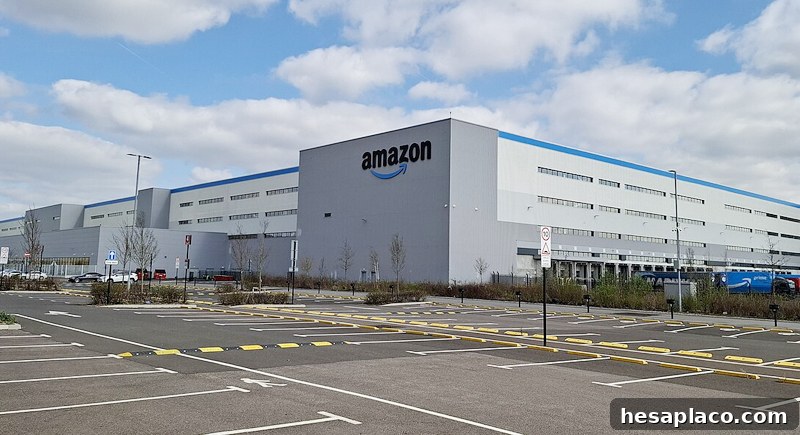
Image via Wikimedia Commons/Auledas
As part of the settlement, Amazon must make sign-up and cancellation processes clearer. That includes labeling options more plainly—buttons like “Decline Prime,” simplified cancellation flows, and clearer disclosures about automatic renewals. The company is also required to provide annual compliance reports to the FTC so regulators can monitor whether the changes are being maintained.
These updates are intended to reduce confusion and make it simpler for customers to opt out if they choose. Amazon maintains it seeks clarity in its interfaces, but the FTC found the previous practices problematic; the mandated changes aim to restore consumer trust and avoid future enforcement actions.
What This Means for Consumers
For many people, a refund of up to $51 may not be life-changing, but the settlement highlights increased scrutiny of how major tech companies design subscription flows and handle cancellations. It underscores that even large platforms must follow consumer protection rules. If you use Amazon, it’s worth checking your account for any unexpected Prime enrollments or cancellation attempts within the covered dates—doing so could result in a refund you didn’t know you were owed.