Remote work has loosened the link between where people earn a living and where they choose to live, and many U.S. towns and small cities are embracing that change. Rather than competing for employers, these communities are marketing themselves to people who already have jobs by offering cash incentives, housing assistance, coworking access and other practical benefits that make relocation easier. While the headline dollar amounts grab attention, the real appeal is often a slower pace, lower living costs and a daily routine that feels sustainable year-round. Below are 10 cities that have designed programs to attract remote workers and new residents in 2026.
Bentonville, Arkansas
Credit: Wikimedia Commons
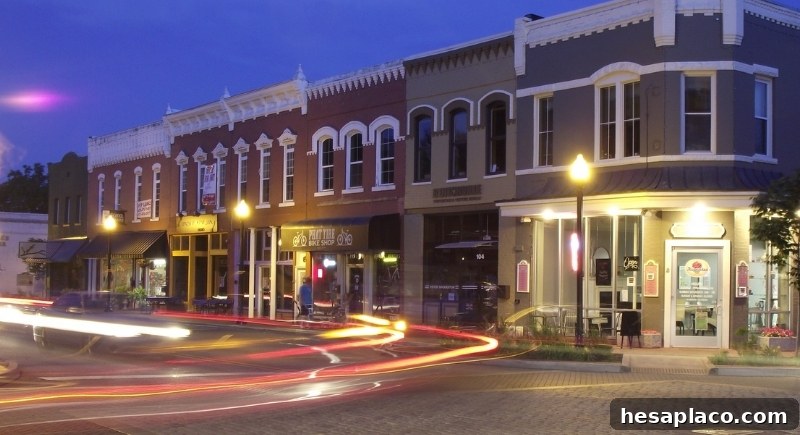
Bentonville’s relocation offers are commonly described as up to $10,000, with added perks like bike incentives and access to the Crystal Bridges Museum of American Art. The city has invested in miles of bike and walking trails that link neighborhoods to offices, cafés and cultural sites. Many remote workers moving from larger metro areas point to shorter commutes and more time outdoors as transformative. Bentonville’s population growth over the past decade suggests the strategy is drawing new long-term residents.
Tulsa, Oklahoma
Credit: Getty Images
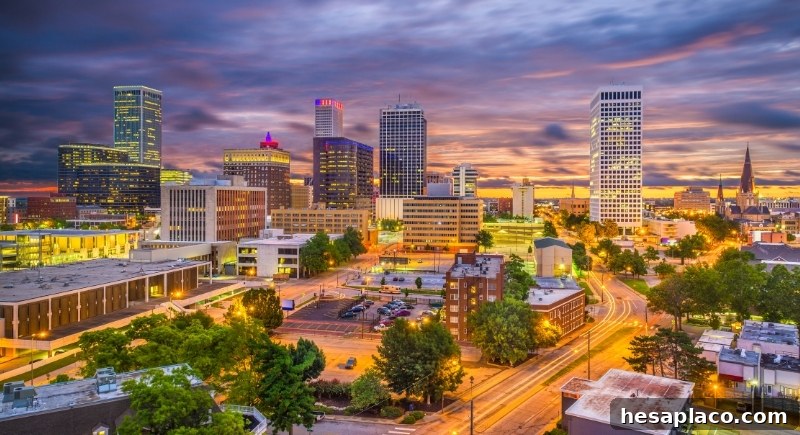
Tulsa’s program centers on a $10,000 grant paid in installments and a year of coworking access to help new arrivals build networks without long commutes. Broadband speeds in the city frequently exceed 250 Mbps, which supports video-heavy remote jobs. Program data show high retention, indicating that most participants stay beyond the program’s minimal requirements and become part of the local community.
Topeka, Kansas
Credit: Getty Images
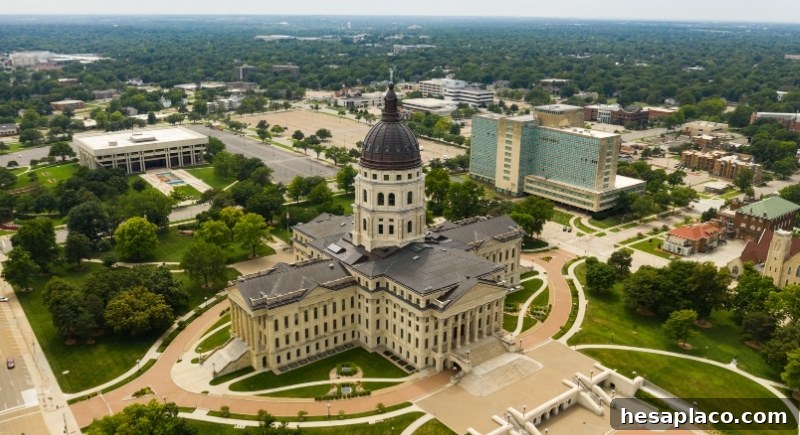
Topeka’s Choose Topeka initiative offers up to $15,000 for homebuyers and about $5,000 for renters, helping salaries go further in a market where housing costs sit well below the national median. The program targets long-term settlement, and many applicants are families seeking predictable monthly expenses. Fiber internet covers large portions of the city, enabling full-time remote work and reliable connectivity.
Morgantown, West Virginia
Credit: Canva
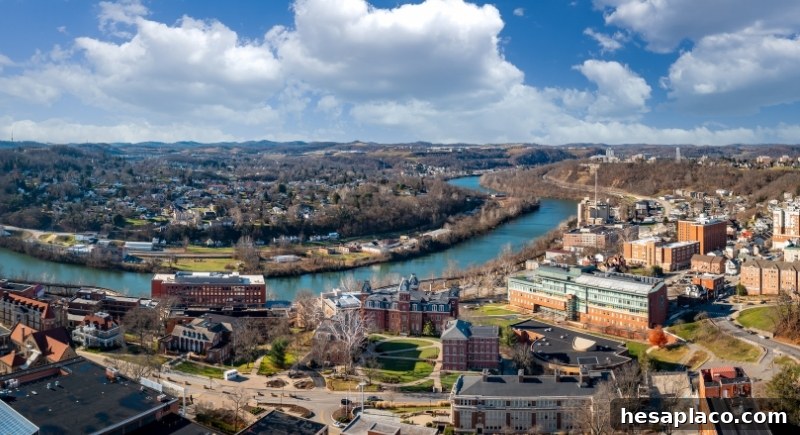
Morgantown’s Ascend WV program pairs cash incentives—up to around $12,000—with outdoor credits that highlight the region’s natural assets. With West Virginia University nearby, the city retains a lively college-town atmosphere that keeps cafés and coworking spots busy on weekdays. Trails and rivers lie minutes from downtown, narrowing the distance between work and recreation for residents who value an active lifestyle.
Bemidji, Minnesota
Credit: Wikimedia Commons
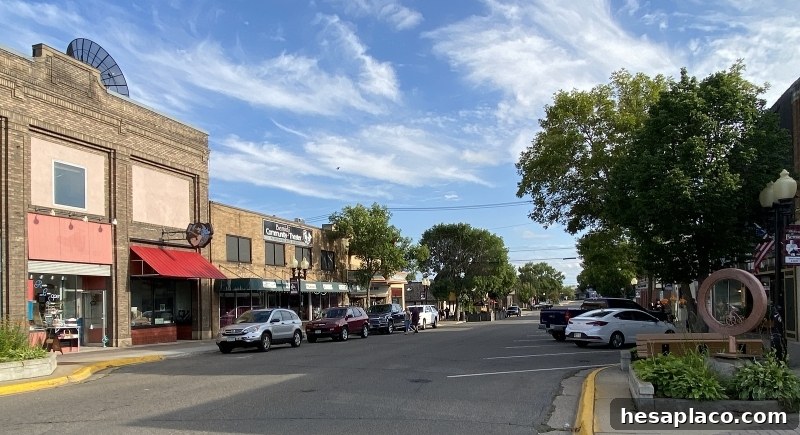
Bemidji offers up to $5,000 and coworking credits for remote workers who relocate. The town centers around Lake Bemidji, where walking paths and public access become part of daily life across seasons. Winters are cold—January highs average around 20°F—so the area typically attracts people who enjoy or tolerate severe winter weather. Newcomers often say the slower pace and quieter setting help them concentrate and maintain work-life balance.
Newton, Iowa
Credit: Wikimedia Commons
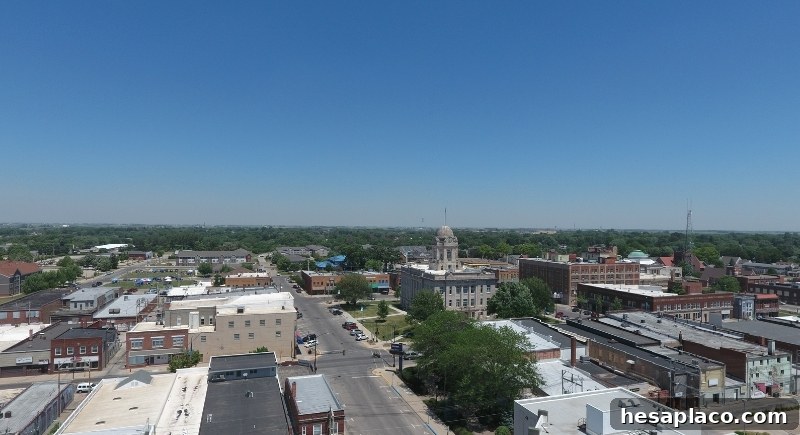
Newton stands out for citywide symmetrical fiber internet with speeds up to 2 Gbps—an exceptional feature for a town of its size. The relocation program is linked to a new housing development intended to foster long-term stability after a period of manufacturing job decline. Remote workers frequently cite simpler daily routines, shorter local travel times and predictable schedules as key benefits. The city also offers a $10,000 incentive for home purchases to support new homeowners.
Rochester, New York
Credit: Getty Images
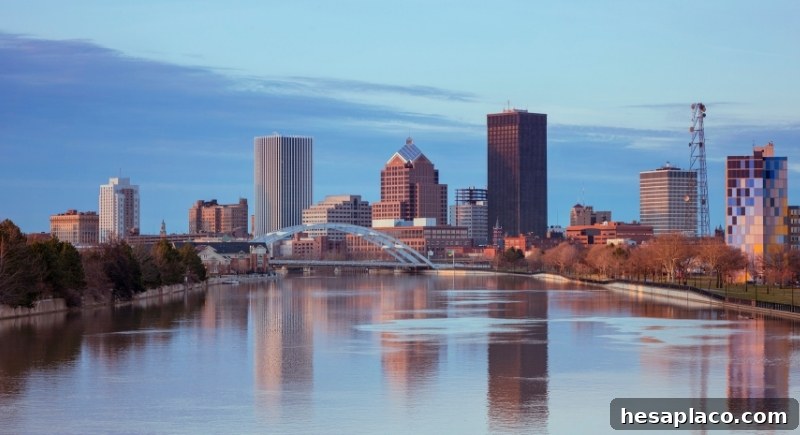
Rochester promotes closing-cost assistance up to $9,000 to encourage home purchases. Median home prices remain substantially lower than those in many coastal metros, supporting homeownership goals for incoming workers. The local economy includes a diverse mix of tech, research and creative jobs, which draws talent from outside the region. Many remote workers who relocate here report clearer boundaries between work hours and personal time.
Montpelier, Vermont
Credit: Getty Images
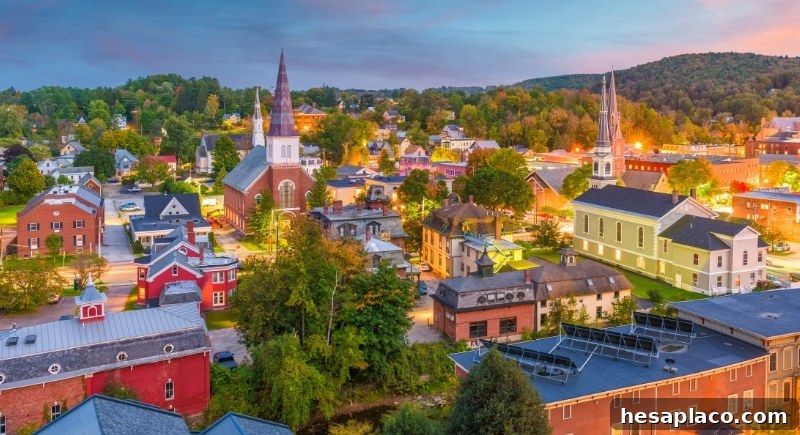
Montpelier focuses on smaller grants and home-office support, with an emphasis on community engagement. Incentives come with expectations of participating in local groups and events that help newcomers integrate. Vermont’s winter season slows daily life and often reshapes work routines, which some remote workers appreciate for the steady pace and consistency of a small state capital.
Paducah, Kentucky
Credit: Getty Images
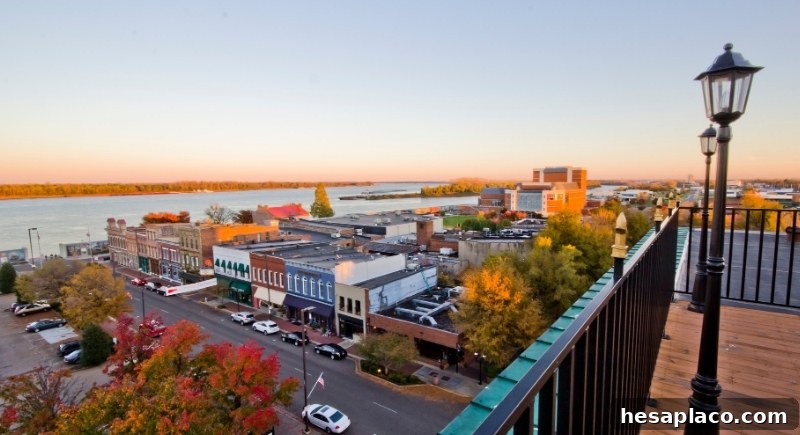
Paducah’s relocation incentives, roughly $6,500, help offset moving expenses for new residents. The arts-focused downtown—home to attractions like the National Quilt Museum—and a walkable riverfront make the city appealing to people who value creative culture and easy access to public spaces. Housing costs are well below the national average, which reduces financial pressure for newcomers. Neighborly connections and community interactions are frequently cited reasons people choose to stay.
Helena, Montana
Credit: Photospirit
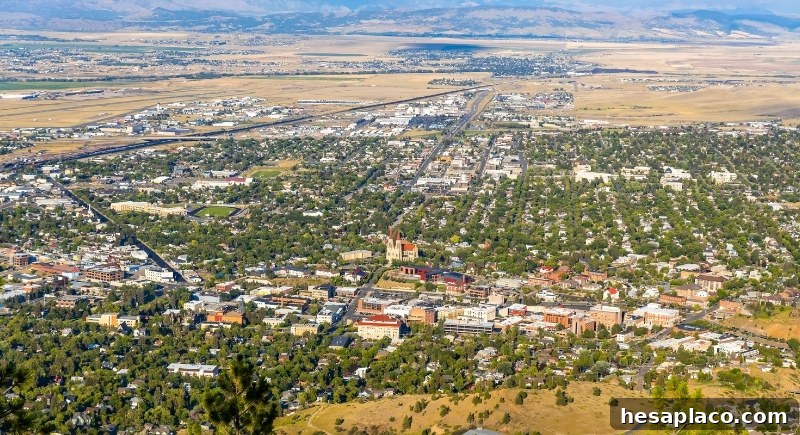
Helena offers modest moving assistance—often around $2,500 or more—to help newcomers with relocation costs. For many applicants, the surrounding mountains, abundant public lands and outdoor recreation are the primary draws rather than the cash incentive. Average commute times in Helena are typically under 15 minutes, supporting flexible workdays and fewer daily distractions. Remote workers often report improved focus and productivity after moving to the area.