Money moves the world—until it stops. Throughout history, financial crises have sparked panic, toppled fortunes and reshaped economies. Below is a concise, SEO-friendly overview of the most dramatic market collapses and economic breakdowns that left lasting impacts on societies around the globe.
Tulip Mania (1637)

Credit: flickr
In 17th-century Holland, tulip bulbs became a speculative craze and a symbol of status. At the peak, some rare bulbs sold for as much as a craftsman’s yearly income. Between December 1636 and February 1637 prices soared—then collapsed as buyers failed to honor contracts. The abrupt crash wiped out investors and became one of the earliest recorded market bubbles.
The South Sea Bubble (1720)
Credit: flickr
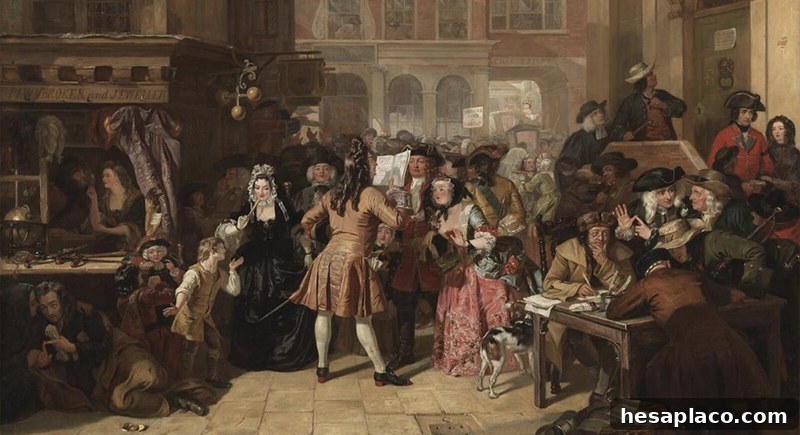
The South Sea Company promised vast profits from trade with South America and ignited speculative mania in Britain. In 1720 share prices surged and then crashed when the company’s prospects proved exaggerated. The fallout spread through the financial system, ruining many investors—including prominent figures—and led to calls for greater oversight.
Panic of 1792

Credit: MarketBulls
The first major financial panic on Wall Street occurred in 1792 after speculative schemes by financiers like William Duer attempted to corner government debt markets. A sudden 25% decline in securities prices forced Treasury Secretary Alexander Hamilton to step in with liquidity to stabilize the market and restore confidence.
Wall Street Crash of 1929
Credit: Wikimedia Commons
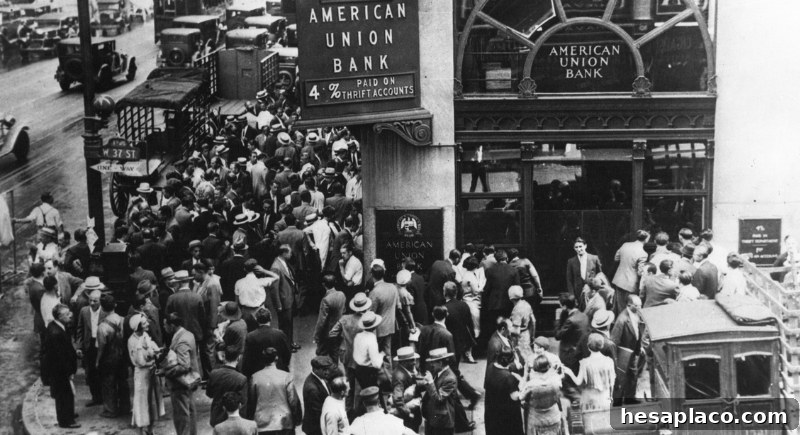
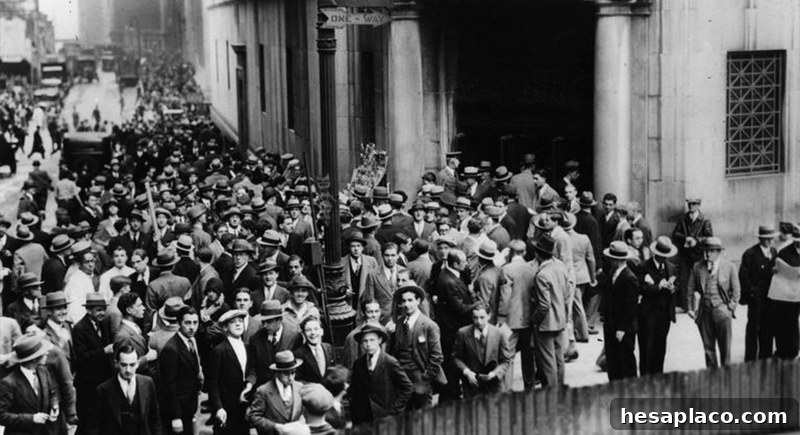
The October 1929 crash followed a prolonged bull market in the Roaring Twenties. Over a few frantic days, particularly on Black Tuesday (October 29), stock prices collapsed, banks failed, and billions in wealth vanished. The collapse signaled the start of the Great Depression and prompted sweeping changes in financial regulation and social policy.
The Great Depression (1929–1939)
Credit: Wikimedia Commons
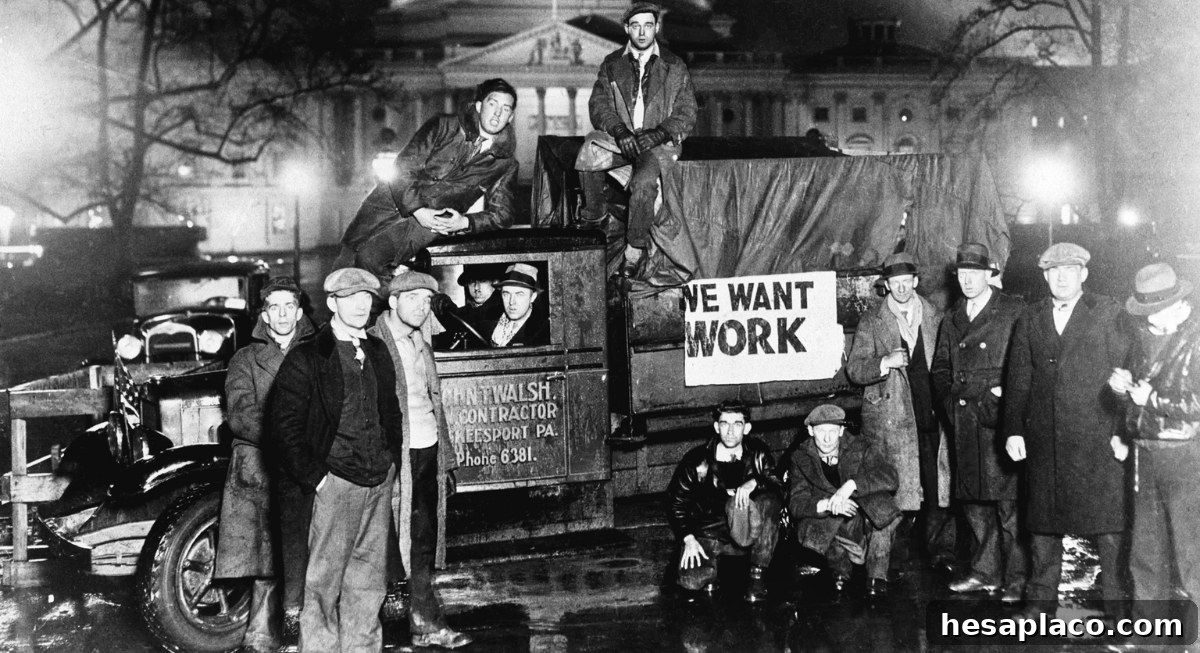
The Great Depression was a decade-long economic crisis triggered by the 1929 stock market collapse and compounded by banking failures, falling demand and policy mistakes. Unemployment in the United States reached about 25%, widespread poverty followed, and many families faced severe hardship. The crisis reshaped economic thinking and led to new social safety nets and financial regulations.
OPEC Oil Price Shock (1973)
Credit: Facebook
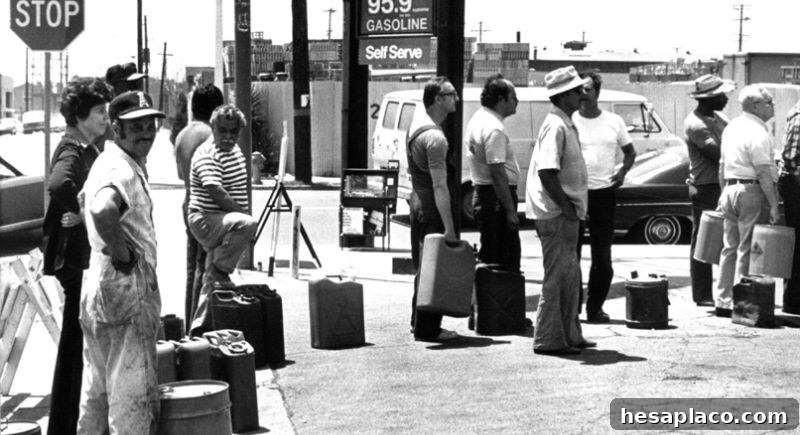
In 1973, OPEC imposed production cuts and an embargo on certain countries, causing oil prices to quadruple. The sudden spike produced fuel shortages, long queues at gas stations and widespread economic disruption. The shock accelerated energy conservation efforts and shifted policies toward alternative energy and efficiency.
Savings and Loan Crisis (1980s–1990s)

Credit: Youtube
Between the 1980s and early 1990s, more than a thousand U.S. savings and loan institutions failed because of risky lending, fraud and regulatory gaps. The collapse cost taxpayers an estimated $132 billion and spurred regulatory reforms designed to strengthen oversight of deposit institutions and reduce systemic risk.
Black Monday (1987)
Credit: flickr
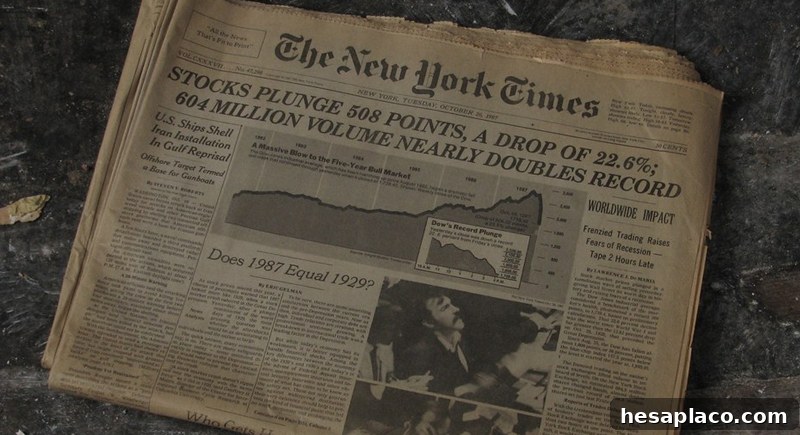
On October 19, 1987—known as Black Monday—global stock markets plunged. The Dow Jones Industrial Average dropped 22.6% in a single day, marking the largest one-day percentage decline in U.S. market history. While markets recovered more quickly than many expected, the event highlighted vulnerabilities in trading systems and contributed to the development of circuit breakers and other market safeguards.
Asian Financial Crisis (1997)

Credit: Wikimedia Commons
The 1997 crisis began in Thailand after the baht collapsed when authorities could no longer defend the currency with foreign reserves. Contagion spread rapidly to South Korea, Indonesia and Malaysia, triggering sharp currency devaluations, corporate failures and severe recessions. The episode exposed weaknesses in regional financial systems and led to deeper international coordination on crisis management.
Russian Financial Crisis (1998)
Credit: X
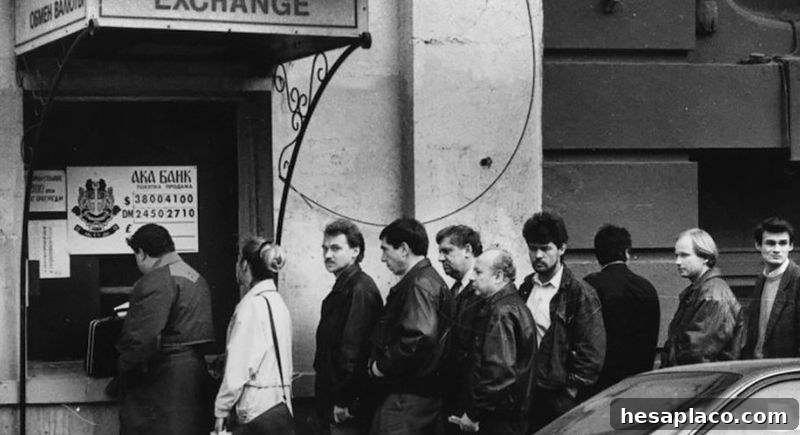
In 1998 Russia defaulted on domestic debt and allowed the ruble to float, triggering a deep financial crisis. The collapse disrupted wages and pensions, led to sharp GDP contraction, and forced many businesses to revert to barter arrangements for a time. The crisis reverberated through global financial markets and underscored the risks of fiscal and monetary instability.
Japanese Asset Price Bubble (1986–1991)
Credit: Wikimedia Commons
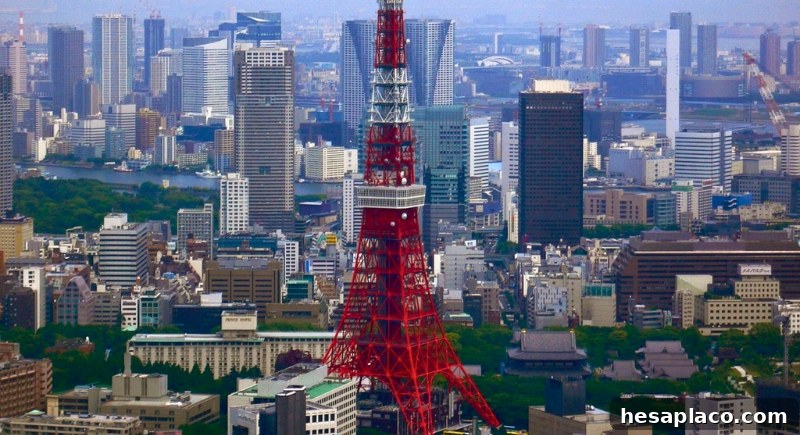
In the late 1980s Japan experienced a steep rise in real estate and stock prices, driven by loose monetary policy and speculative buying. When the bubble burst around 1991, property and equity values plunged. The economy entered a prolonged period of stagnation often called the “Lost Decade,” during which growth, investment and confidence remained subdued.
Dot-com Bubble (2000)

Credit: Youtube
The late 1990s saw speculative fever around internet startups. Companies with “.com” in their names attracted massive investment despite limited profits. When reality caught up in 2000, the Nasdaq lost nearly 80% of its value, and many internet firms collapsed. The correction forced a reassessment of business models, valuations and investor expectations in the tech sector.
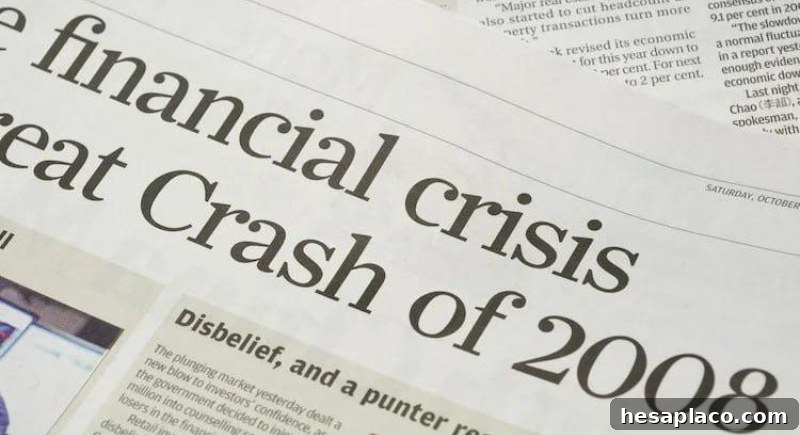
Global Financial Crisis (2007–2008)
Credit: Reddit
The Global Financial Crisis began with the collapse of the U.S. subprime mortgage market and widespread securitization of toxic assets. Major financial institutions suffered heavy losses, credit markets froze and governments intervened with emergency bailouts and stimulus. The recession that followed caused massive job losses, foreclosures and widespread economic pain, prompting reforms to banking supervision and capital requirements.
European Sovereign Debt Crisis (2009)

Credit: Wikimedia Commons
After the 2008 global downturn, several eurozone countries including Greece, Portugal and Ireland faced severe fiscal stress and rising borrowing costs. Large deficits and high public debt triggered bailouts, austerity measures and political unrest. The crisis tested European institutions and led to measures aimed at strengthening fiscal oversight and preserving eurozone stability.
COVID-19 Recession (2020)

Credit: flickr
The arrival of COVID-19 in early 2020 triggered a swift global economic contraction as lockdowns closed businesses, supply chains stalled and travel halted. Markets fell sharply and unemployment surged. Governments and central banks responded with unprecedented fiscal and monetary support to stabilize economies and limit long-term damage.
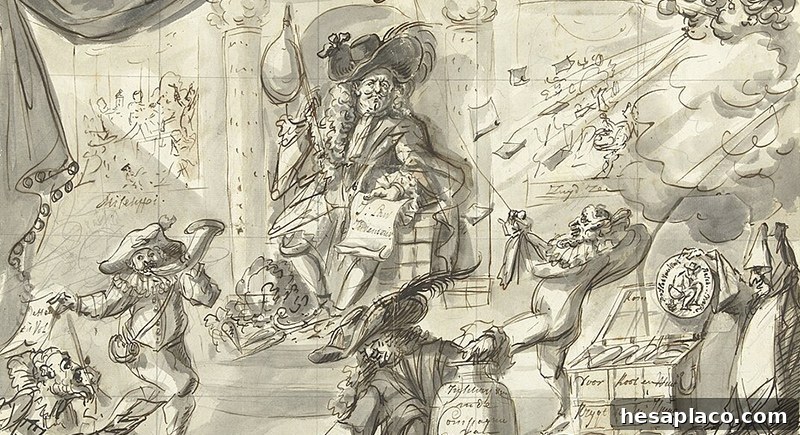
The Mississippi Bubble (1720)
Credit: Wikimedia Commons
France’s Mississippi Bubble, centered on John Law’s company, saw share prices surge on speculation and promises of colonial wealth. When confidence evaporated in 1720, the market collapsed, fortunes were lost and faith in paper money and financial institutions was severely damaged, influencing French finance for years to come.
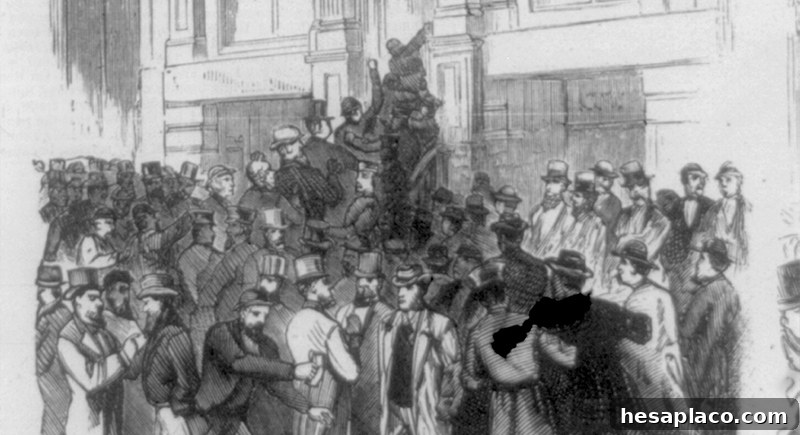
The Panic of 1873
Credit: Wikimedia Commons
The Panic of 1873 began with overexpansion in railroads and speculative excess in the United States and Europe. Bank failures triggered a prolonged slump that closed markets, shuttered businesses and drove unemployment higher. The crisis demonstrated how intertwined industrial expansion and financial stability could be, and it prompted reforms in banking and corporate finance.