
We’ve all made purchases that didn’t deserve their price tags. Often driven by convenience, curiosity, or impulse, these buys can be easy to justify in the moment but hard to defend afterward. Below is a look at everyday items and experiences people keep paying too much for—and why they remain expensive despite clear alternatives.
Luxury Baby Clothes

Credit: Getty Images
Infants can’t tell the difference between budget pajamas and designer booties, but parents can. Designer baby clothes can cost hundreds of dollars despite being worn for only weeks. This niche market thrives on parents projecting identity and style onto their children; the garments are more about image than necessity.
Edible Gold

Credit: Youtube
Restaurants mark up dishes by hundreds simply to add metallic sparkle. Edible gold is inert, flavorless, and nutritionally empty. While confirmed safe by authorities like the World Gold Council, it adds no taste or health benefit—only presentation. Diners pay for the visual impact and perceived luxury.
Concert Tickets
Credit: pexels
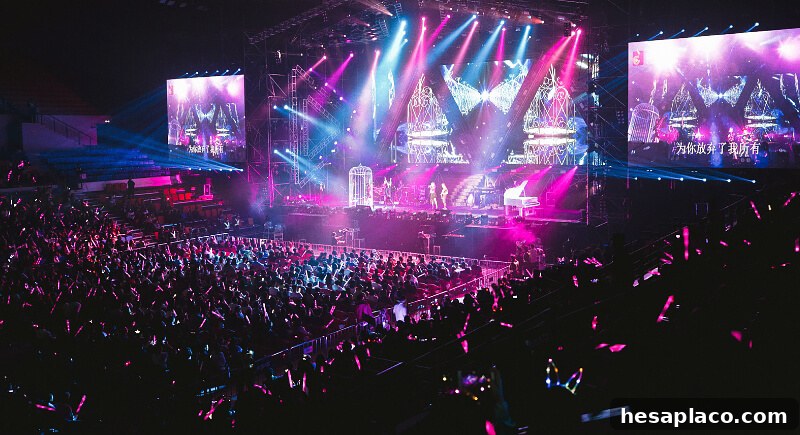
Average concert ticket prices have roughly tripled over the last two decades, with resale platforms driving them even higher. Shows sell out in minutes because demand outweighs supply, but the deeper driver is emotional: fans are willing to pay steep prices for unique, memorable experiences.
Printer Ink
Credit: pexels
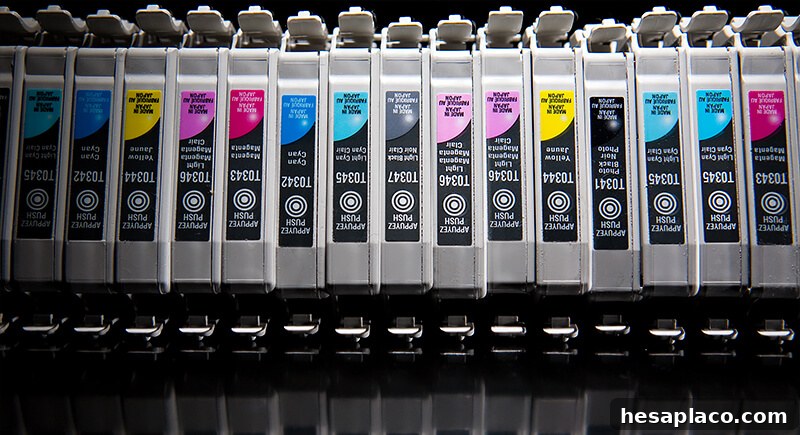
Few products provoke as much consumer outrage as printer cartridges. On a per-gallon basis, ink can cost more than fine champagne or gasoline—often exceeding $12,000. Manufacturers sell printers cheaply but charge high margins for ink in a razor-and-blades model. Third-party cartridges exist, but companies use chips and firmware to limit alternatives, keeping customers tied to expensive refills.
Designer Sneakers
Credit: pexels
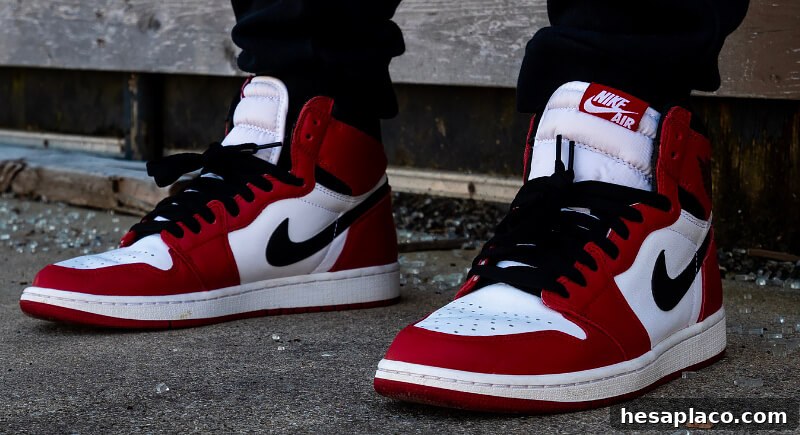
Designer sneakers often resemble ordinary athletic shoes but can carry price tags comparable to monthly rent. Many high-end pairs are produced in the same factories as mid-tier sneakers; the premium reflects branding, cultural status, and scarcity rather than superior comfort or construction. Resale markets can drive prices even higher.
University Tuition

Credit: Getty Images
College tuition in the U.S. provides one of the clearest examples of price inflation. Since the 1980s, tuition has risen by more than 400%, far outstripping wage growth. Much of the increase stems from administrative and overhead costs rather than classroom instruction. Graduates often leave with average debts exceeding $30,000, yet enrollment stays high because education remains positioned as essential for career success.
Natural Diamonds
Credit: pexels
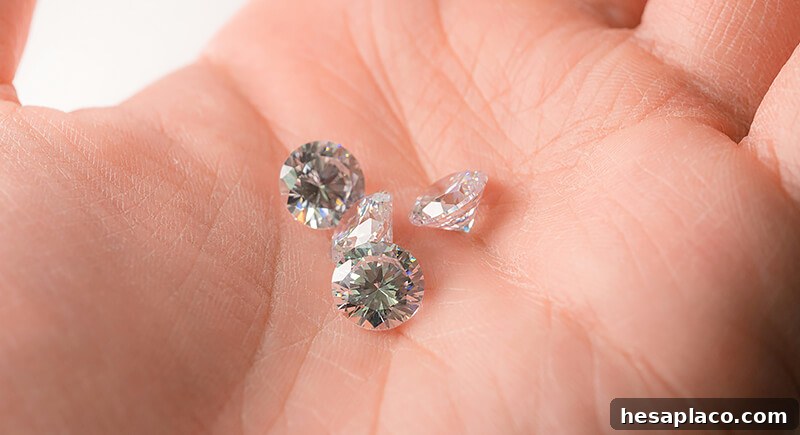
For decades, diamonds have been marketed as rare and indispensable for engagements. In truth, the industry tightly controls supply to maintain high prices. Lab-grown diamonds now offer comparable clarity and beauty at a fraction of the cost, yet many consumers continue to pay premiums for “natural” stones because of tradition and perceived authenticity.
Bottle Service
Credit: Wikimedia Commons
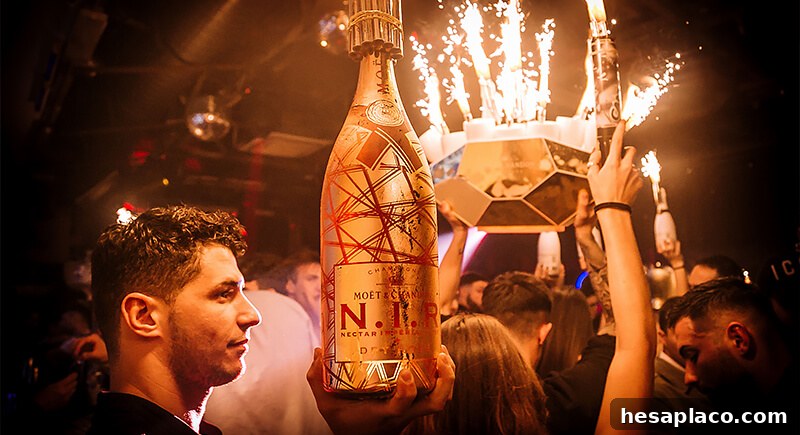
A $40 bottle of liquor can jump to $400 in a nightclub. The cost isn’t for the liquid—it’s for the spectacle: sparklers, VIP seating, and exclusivity. Bottle service sells visibility and status; patrons are paying to be seen rather than for the drink itself.
Wedding Markups

Credit: pexels
The “wedding tax” raises prices across many services: cakes, venues, florists, and hair and makeup. Providers often charge substantially more when an event is labeled a wedding because couples are seen as less likely to cut costs for a once-in-a-lifetime celebration. That markup persists because of emotional value and social expectations.
Lifted Trucks
Credit: Wikimedia Commons
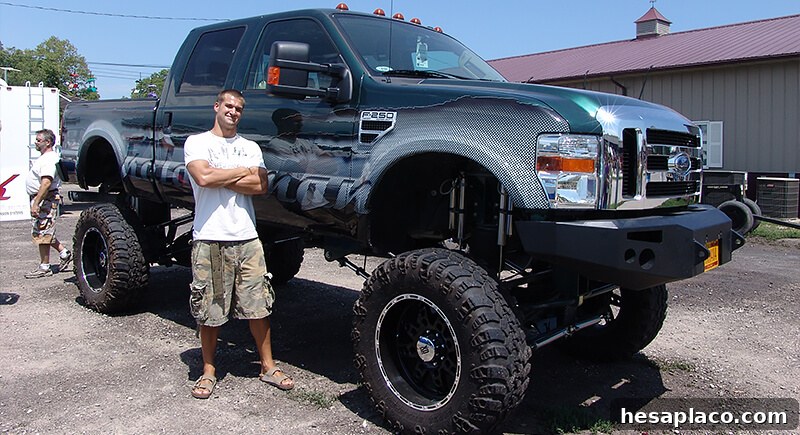
Lifted trucks command attention: raised suspensions, oversized tires, and a commanding road presence. Many cost six figures but rarely leave paved roads. The high fuel and maintenance costs are secondary to the image—owners pay for visibility, perceived ruggedness, and a distinctive identity more than off-road capability.
Stadium Cocktails
Credit: pexels
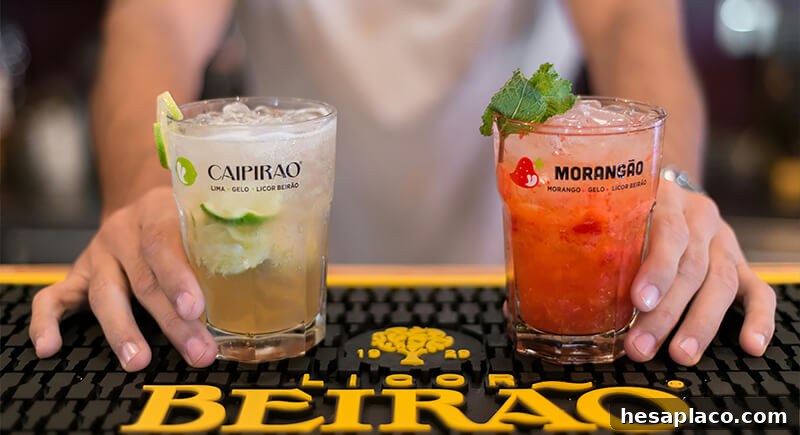
An $18 drink at a sporting event is rarely about flavor. Once inside a stadium, fans are a captive market with limited alternatives. Economists describe this as inelastic demand—people pay because they want the convenience and the shared moment. The same beverage often costs much less outside the venue.
Video Game Skins

Credit: pexels
Digital skins don’t improve gameplay, but they change how players present themselves. In titles like Fortnite and CS:GO, skins act as digital fashion—status symbols and personal expression. Some items even become collectibles with real-world value. Players buy them for identity and social standing within virtual communities.
Bottled Water

Credit: pexels
Bottled water often sells for thousands of times the cost of tap water, even when quality is similar. Consumers pay for convenience, portability, or perceived safety—and for branded image. The environmental cost of single-use plastic remains a major downside, but many people continue the habit.
Aesop Hand Soap

Credit: pexels
Aesop has turned hand soap into a lifestyle purchase with minimalist design and subtle scents. At around $40 a bottle, it’s far pricier than drugstore alternatives. For many customers the brand’s aesthetic and perceived refinement justify the splurge, even if the soap itself isn’t dramatically different.
Airport Food
Credit: Wikimedia Commons
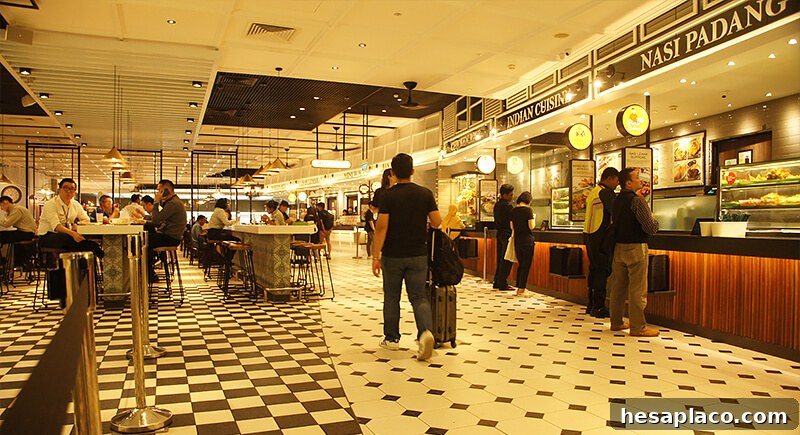
Airports mark up food more aggressively than most places. With limited options past security, travelers often pay premium prices for basic items—a sandwich or bottled water can cost several times their normal price. Operators cite high rents and staffing costs, but convenience and the captive nature of passengers are the main reasons prices stay high.
Golf Course Homes

Credit: pexels
Homes along golf courses command price premiums for manicured views and perceived exclusivity. Many owners never play golf, but they value the aesthetic, neighborhood status, and lifestyle association. Maintenance fees and HOA costs add up, yet buyers accept them for the resale appeal and community prestige.
Real Estate Commissions

Credit: Getty Images
Selling a home can involve paying tens of thousands in agent commissions even though most buyers start their search online. Critics argue the traditional commission model is outdated, yet the system persists because sellers value the convenience and negotiation expertise agents provide—and paying a percentage remains the entrenched norm.
Soda
Credit: pexels
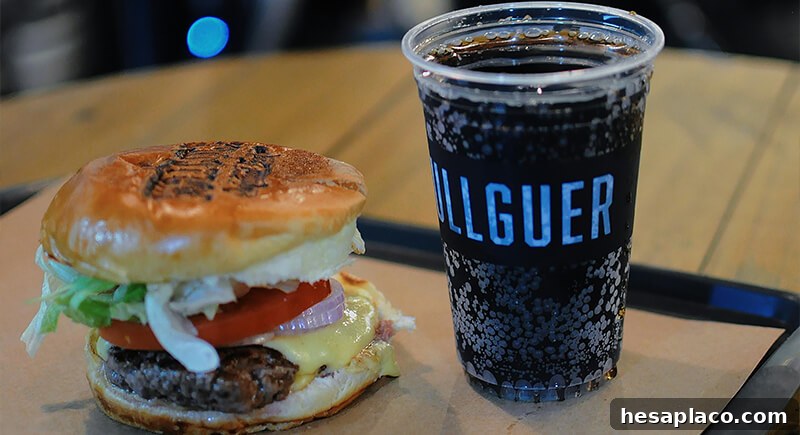
Soda costs only pennies to produce but sells for several dollars at retailers and restaurants. Prices rose after the pandemic, yet consumption remained resilient. Brand loyalty and habit keep many people choosing soft drinks over cheaper, healthier alternatives like water.
High-End Watches
Credit: pexels
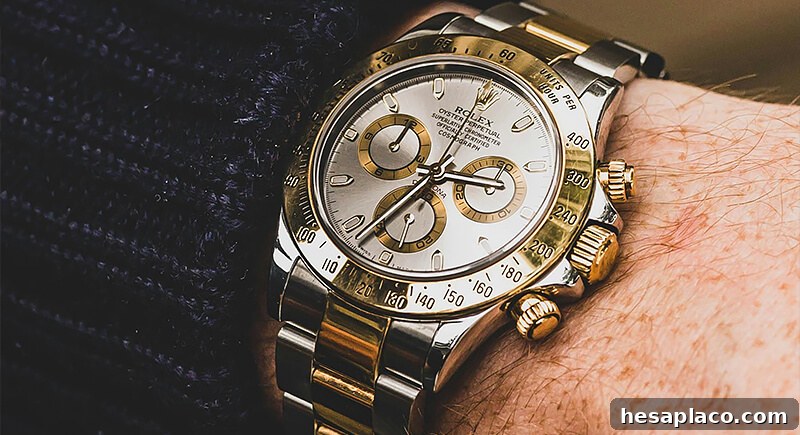
Luxury timepieces from brands like Rolex or Patek Philippe can cost as much as a car. A $200 watch tells time just as accurately for everyday use, but buyers of high-end watches pay for craftsmanship, brand heritage, scarcity, and status. Some models appreciate as collectibles, and despite the rise of smartwatches, mechanical luxury watches retain a cultural mystique that sustains demand.