
It’s interesting how many services that once required payment are now available for free. Over time, technologies and business models shifted and everyday conveniences—music, navigation, communication, and productivity tools—have become widely accessible without a direct cost. The changes didn’t happen overnight, but the result is a landscape where many formerly paid services are now offered for free or supported by advertising, freemium upgrades, or data-driven models.
Music Streaming
Credit: Canva
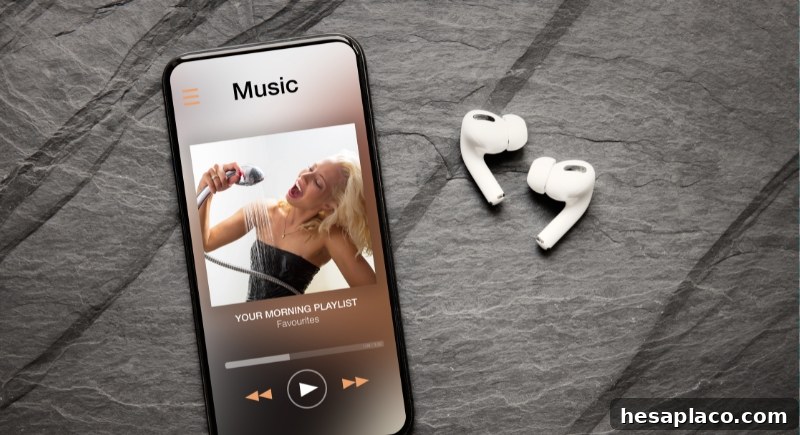
Accessing music has been transformed. Once you had to buy CDs or individual digital downloads; now free, ad-supported tiers from services like Spotify and YouTube Music give listeners huge libraries of songs at their fingertips. That shift has broadened access to a range of genres and artists, making music discovery easier and more affordable for listeners worldwide.
Online Movies
Credit: Canva
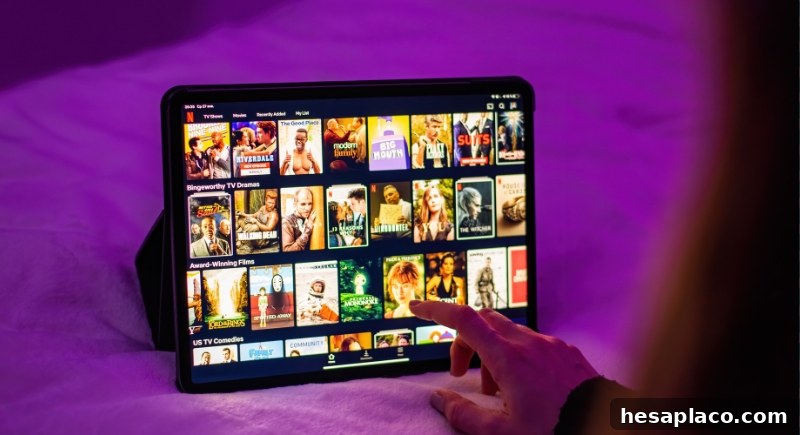
Watching films no longer always requires renting a DVD or buying a ticket. YouTube and other platforms host a variety of free, ad-supported full-length movies from studios and distributors. Viewers can find classics, independent films, and international titles without a subscription, making film access more inclusive and convenient.
Digital Maps
Credit: pixabay
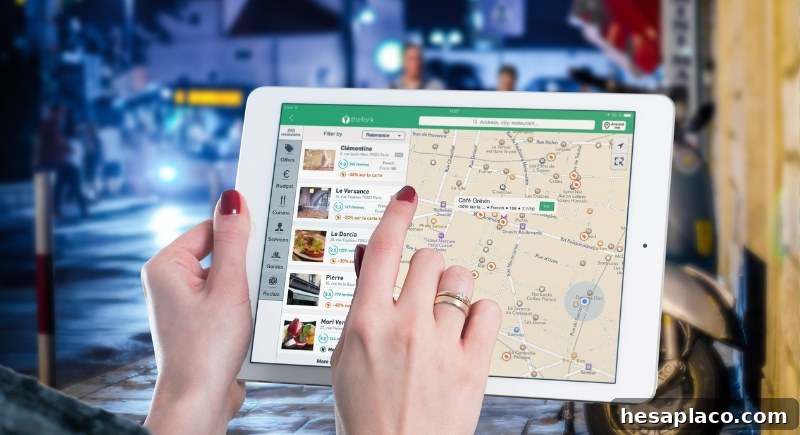
Navigating used to mean unfolding paper maps or buying an expensive GPS unit. Today, free apps like Google Maps and Waze deliver turn-by-turn directions, traffic updates, and alternate routes in real time. They also include business listings, user reviews, and offline map downloads, taking the guesswork out of travel without added cost.
Greeting Cards

Credit: pexels
Buying a physical greeting card and paying postage once felt routine. Now, services such as Canva and several greeting-card sites provide free, customizable e-cards. Users can personalize messages, add photos, and send cards instantly, combining convenience and creativity without the expense of store-bought cards and stamps.
Online Banking Services
Credit: Getty Images
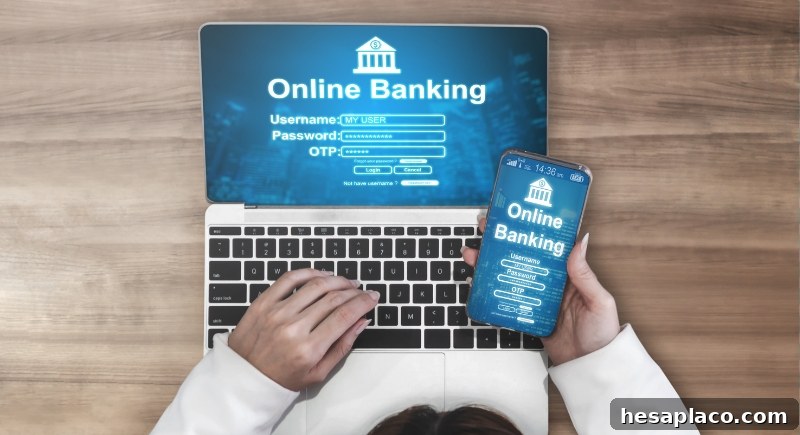
Banking used to carry routine fees for account maintenance, ATM use, and bill payments. Today, many banks and fintech apps offer no-fee checking and savings accounts with mobile check deposit, instant alerts, and budgeting tools at no extra charge. Those features have made basic financial services more accessible to a broader population.
Digital Photography

Credit: pixabay
Once, photography required film, development, and waiting. Now, smartphones and free photo-editing apps let anyone capture, edit, and store countless images instantly. Cloud backups and social sharing turned photography into an everyday activity with minimal cost, enabling people to preserve and share memories more easily than ever.
Email Accounts
Credit: Canva
Email that once came from paid ISPs is now available for free from major providers like Gmail, Yahoo, and Outlook. These services offer ample storage, integrated calendars, robust spam filtering, and synchronization across devices, making email an indispensable and accessible communications tool.
GPS Navigation

Credit: Getty Images
Standalone GPS devices were once common and often costly. Today, free navigation apps—many the same ones used for digital maps—offer reliable routing, voice guidance, and offline support. That accessibility removed the need for separate GPS hardware and expensive map updates.
Office Software
Credit: pexels
Once dominated by paid suites, office tools now include free options like Google Docs, Sheets, and the open-source LibreOffice. These platforms handle word processing, spreadsheets, and presentations and add features such as cloud storage, file sharing, and real-time collaboration—useful for students, professionals, and remote teams.
Cloud Storage
Credit: flickr
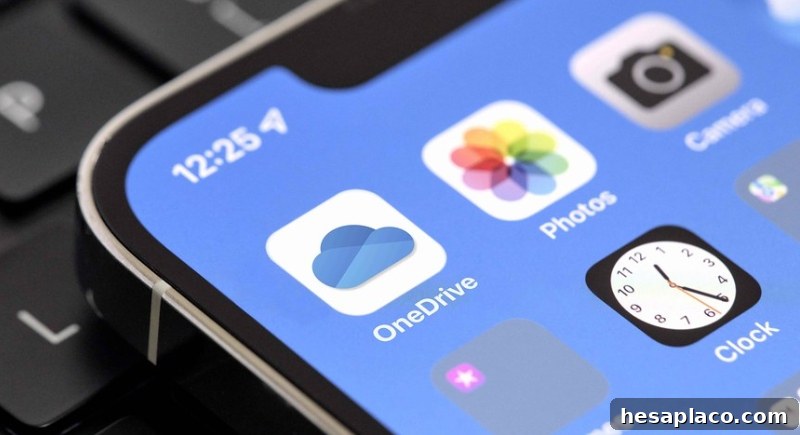
Storing files once meant buying external drives or optical media. Now, free tiers of services like Google Drive, Dropbox, and OneDrive provide enough storage for many users to back up documents, share files, and collaborate from any device. Those free allocations remove a common barrier to remote access and file safety.
Video Conferencing

Credit: Getty Images
Video meetings used to require specialized equipment and pricey software. Now, free tiers of Zoom, Skype, and Google Meet include video, screen sharing, chat, and recording options, enabling remote work, virtual classrooms, and family gatherings without the need for expensive infrastructure.
Ringtones

Credit: Canva
Custom ringtones once cost a few dollars each. Today, users can create or download ringtones from free sites and apps or clip audio from songs using free editing tools. The result: an easy, inexpensive way to personalize phones without ongoing per-item charges.
Online Education

Credit: Canva
Formal education used to require enrollment and paid materials. Now, platforms such as Khan Academy, Coursera, and edX provide many courses at no cost or with free audit options. Learners can study topics from basic literacy to advanced technical skills at their own pace, often with high-quality instructional materials and community support.
Classified Ads

Credit: Getty Images
Posting classified ads in newspapers was once costly. Today, online marketplaces like Craigslist, Facebook Marketplace, and OfferUp allow free listings for everything from used furniture to job opportunities, making it easier to reach local buyers and sell items without advertising expense.
Credit Reports

Credit: Getty Images
Credit reports were once sold for a fee, limiting how often consumers could check their credit. Now, annual free reports and free monthly score updates from some card issuers help people monitor their financial standing and detect potential fraud earlier, improving financial awareness and security.
Data-Based Text Messaging
Credit: Canva
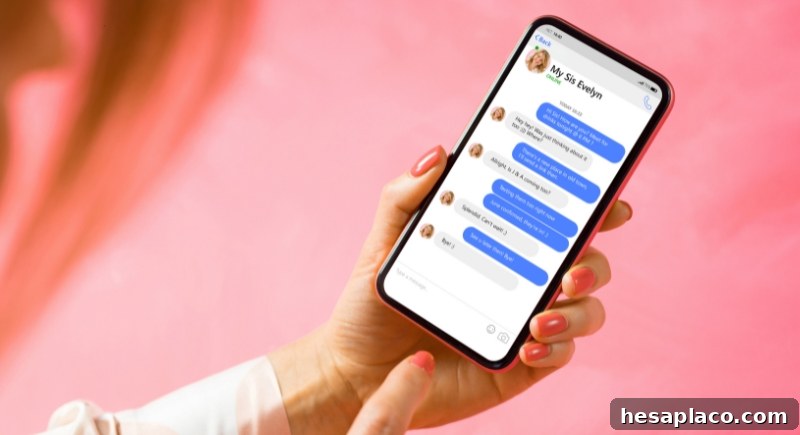
Text messaging once carried per-message fees; now, apps like WhatsApp and iMessage use internet data instead of SMS charges. This makes everyday conversations effectively unlimited for people with data plans or Wi-Fi access and has greatly reduced the anxiety of ballooning phone bills from frequent messaging.
Long-Distance Calling

Credit: Canva
International and long-distance calls once came with per-minute fees that limited conversation time. Now, voice and video calling through apps like FaceTime, Skype, and Zoom let people speak or see each other across the globe at little to no extra charge, provided a reliable internet connection.
Across these examples, the common thread is that digital distribution, advertising-supported models, and freemium services have reduced direct costs for many everyday tools. While many free services still monetize through ads or optional paid upgrades, the net effect for most users is more affordable access to tools and information that once required payment.