Reciprocal tariffs and rising skepticism toward U.S. brands are creating fresh challenges for fast-food chains that have built large global footprints. As these companies pursue ambitious international growth, escalating trade friction and shifting consumer sentiment are adding uncertainty to operations, supply chains and expansion plans. Below is a concise look at how major chains are being affected and the practical implications for costs, sourcing and expansion.
KFC
Credit: flickr
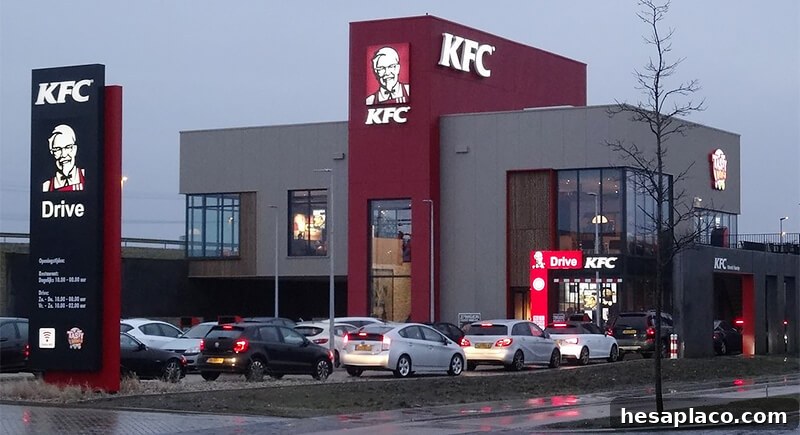
KFC could see ingredient and import costs climb if new duties are applied to poultry and other inputs. Higher import fees would either increase menu prices or force recipe and menu adjustments. Meanwhile, subsidized, low-cost U.S. chicken entering international markets could undercut local suppliers, pressuring local farmers and prompting some chains to choose cheaper imports over domestic sourcing.
Taco Bell
Credit: flickr
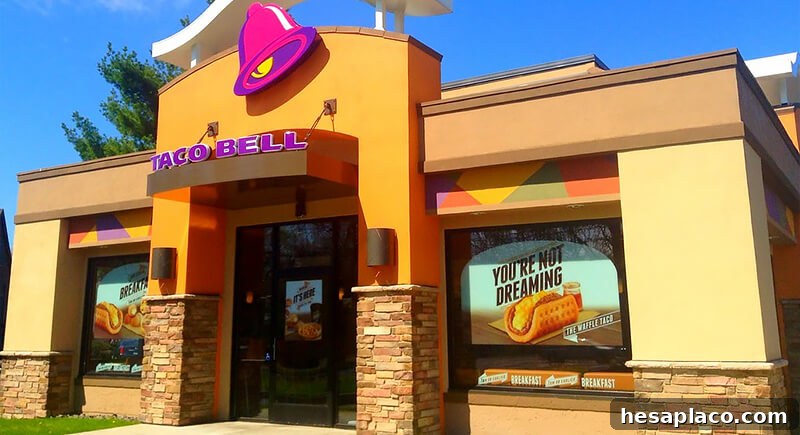
Taco Bell’s ambitious target of reaching 3,000 international stores by 2030 faces growing headwinds. Political and regulatory pushback may not always be overt; it can appear as delayed permits, withdrawn leases or prolonged negotiations. Those bureaucratic obstacles slow expansion and add cost and uncertainty to international development plans.
Starbucks
Credit: flickr
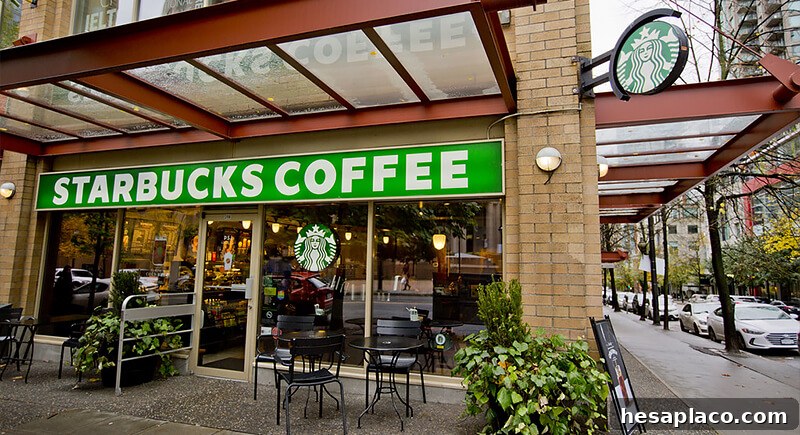
Starbucks has faced market pressure tied to tariff announcements, with shares notably affected after policy changes. Because the company sources a large share of its Arabica beans from Brazil and Colombia, tariffs on coffee imports would raise sourcing costs and could force higher retail prices or tighter profit margins.
Domino’s
Credit: flickr
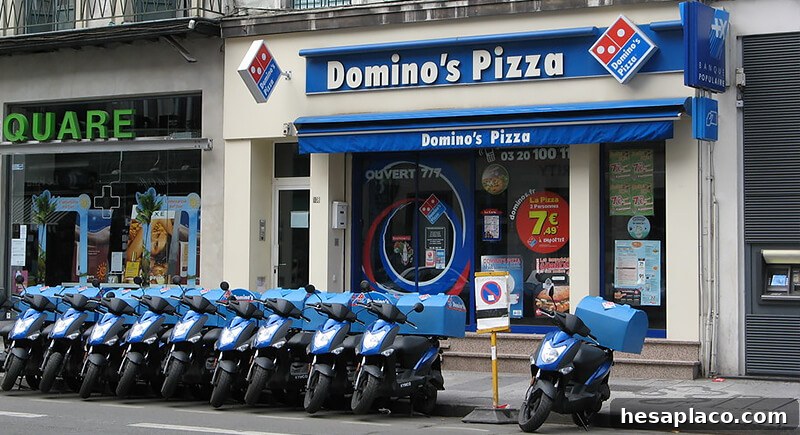
Domino’s has benefited from international growth but faces changing consumer habits during economic uncertainty. Delivery sales can soften while carryout grows as budget-conscious customers look for ways to reduce spending. The chain’s flexibility with promotions and carryout offers helps retain customers but margins remain vulnerable to input-cost inflation.
McDonald’s
Credit: flickr
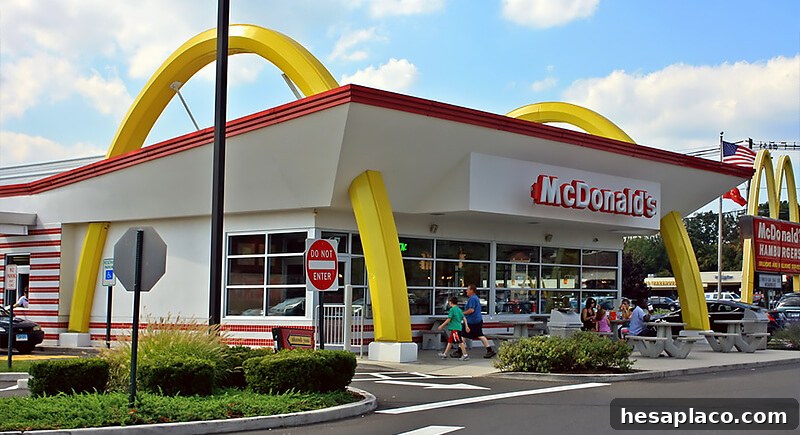
McDonald’s target of 50,000 restaurants by 2027 remains ambitious, but higher operating costs and regulatory friction could slow openings. Rising menu prices over recent years have already pressured consumer spending, forcing the chain to balance affordability initiatives with the need to protect margins.
Burger King
Credit: flickr
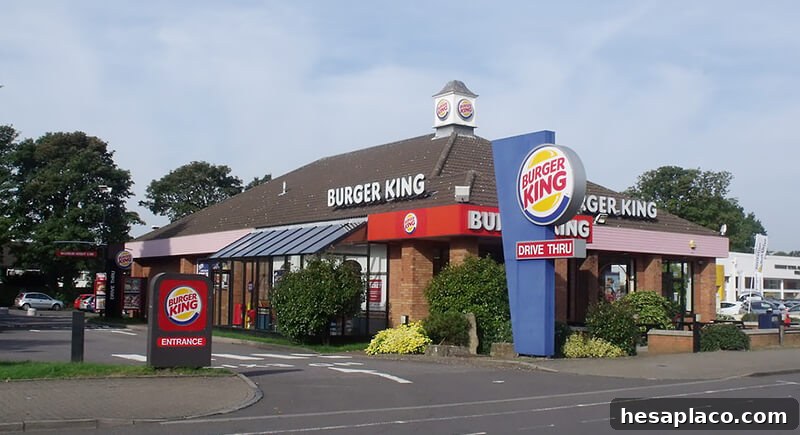
Burger King’s reliance on imported beef from countries such as Australia makes it sensitive to new tariffs. A 10% duty on beef imports would raise commodity costs and complicate logistics, potentially forcing price increases or changes in sourcing strategies to protect margins.
Chipotle
Credit: flickr
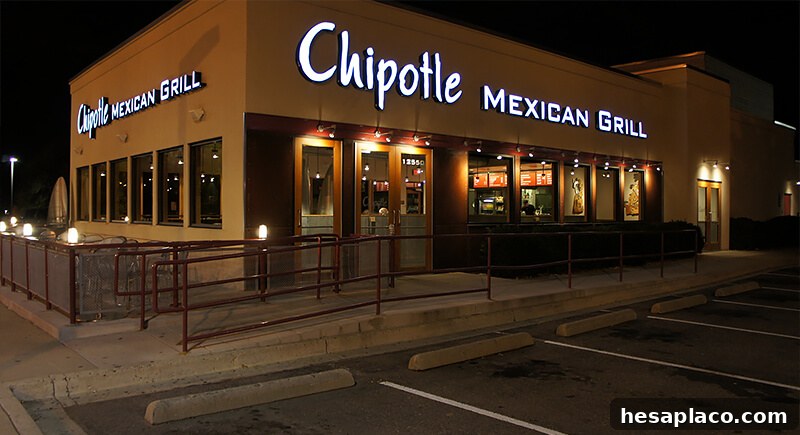
Chipotle’s supply chain is largely domestic, sourcing many core ingredients from U.S. regions such as Florida, California and Arizona. Still, the company imports tomatoes, peppers and other items from Mexico and China; steep tariffs on certain imports from China could raise costs and complicate procurement for some menu items.
Wendy’s
Credit: flickr
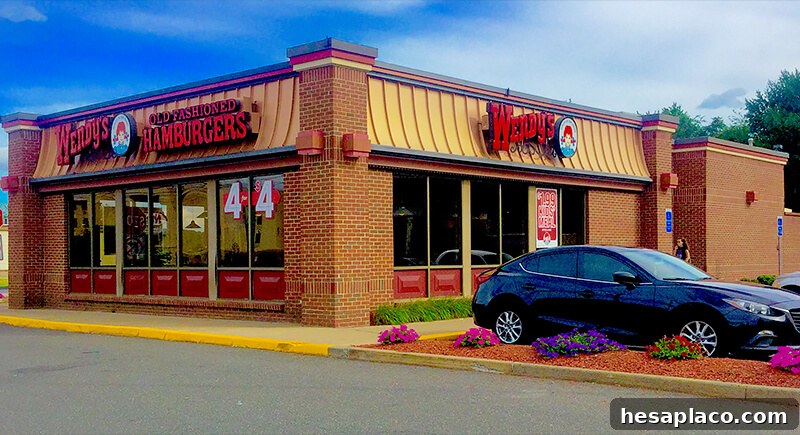
Wendy’s primarily uses local beef in many markets, but it also relies on certain imported inputs such as palm oil for select menu items. Tariffs on those imports increase ingredient costs, and even limited exposure can affect pricing or force product reformulation for affected items.
Tim Hortons
Credit: flickr
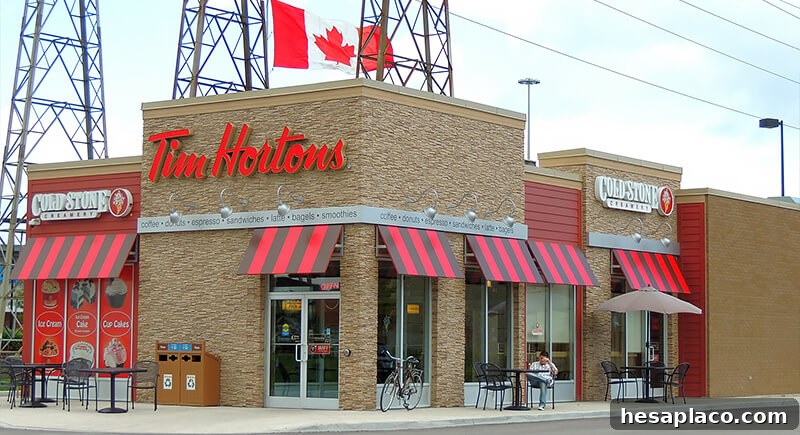
Tim Hortons sources coffee beans from Colombia and Guatemala; tariffs affecting roasting or cross-border processing could add roughly 10% to those costs. While Canadian-sourced items covered by trade agreements remain protected for now, any future changes in trade terms could raise breakfast and coffee prices.
Krispy Kreme

Credit: flickr
After announcements about minimum reciprocal tariffs, Krispy Kreme’s share price experienced a notable decline. The market reaction reflects investor concern about higher input costs and the potential margin pressure that trade-related duties can bring to companies with global procurement.
Dunkin’
Credit: flickr
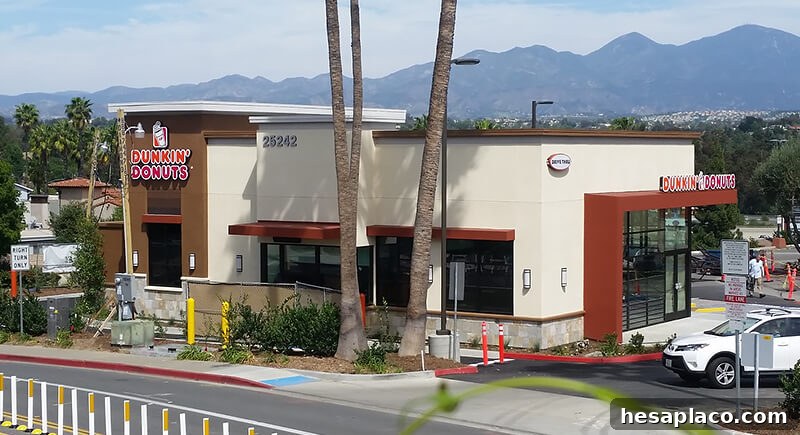
Dunkin’ sources much of its coffee from Brazil and Colombia, and raised duties on coffee imports would add to already-elevated prices. With coffee commodity prices high before tariff changes, further increases could squeeze margins or force menu price adjustments for consumers.
Papa John’s
Credit: flickr
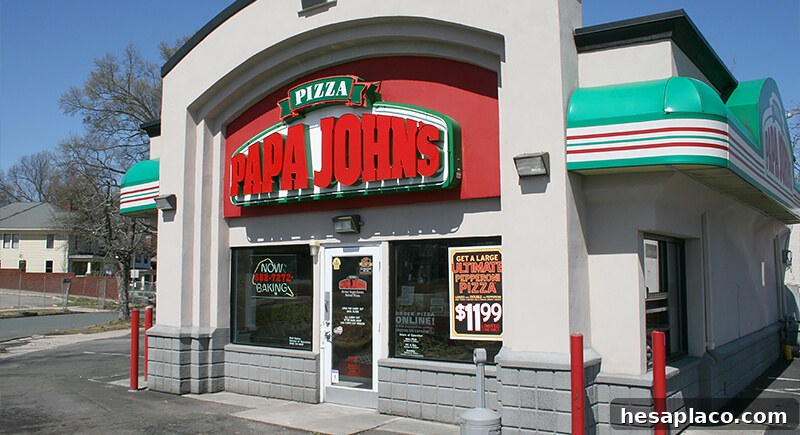
Papa John’s entered the period with soft comparable sales and thus greater sensitivity to rising input and operating costs. As one of the top pizza chains in the U.S., it must respond to margin pressures through menu adjustments, promotions or cost-saving measures to restore growth momentum.
P.F. Chang’s
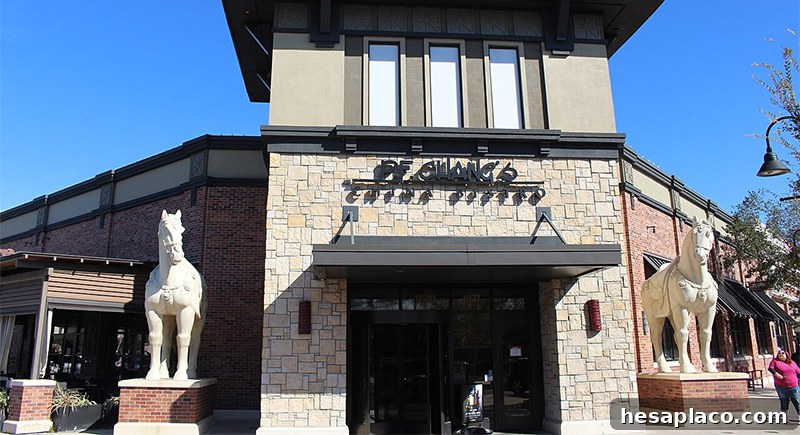
Credit: Wikimedia Commons
P.F. Chang’s menu relies on a variety of specialty imported ingredients. Very high tariffs on certain imports can sharply increase costs for items like rice, seafood and spices, squeezing margins for a concept that depends on imported components for its signature dishes.
Jollibee (U.S. Chains)
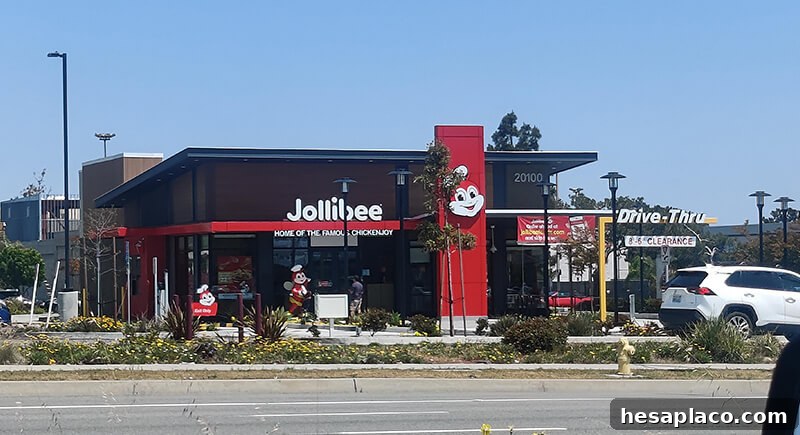
Credit: Reddit
Jollibee Foods Corp. expects limited exposure to some trade disruptions because many North American outlets rely on regional suppliers. The company is nevertheless investing heavily in global growth, committing significant capital to expand its international footprint and adapt to local supply conditions.
Subway
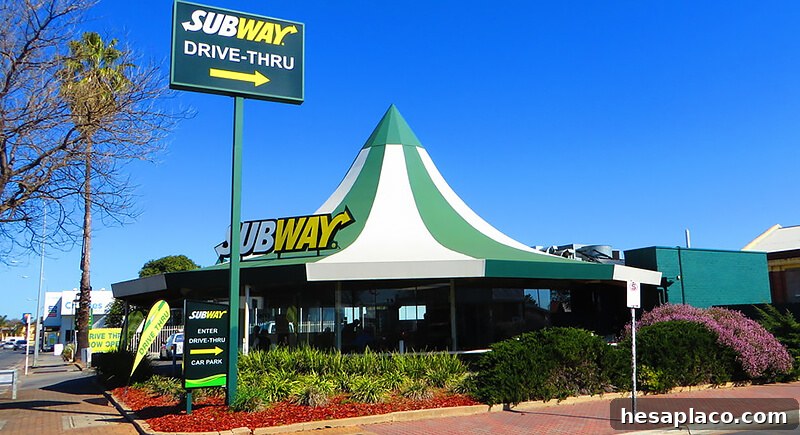
Credit: flickr
Subway’s ongoing sales challenges could be exacerbated by new import fees on packaging and ingredients. While some Canadian and Mexican-sourced supplies currently remain protected under trade agreements, broader tariff changes or higher packaging costs from Asia-Pacific suppliers would make franchise economics more difficult.
Popeyes
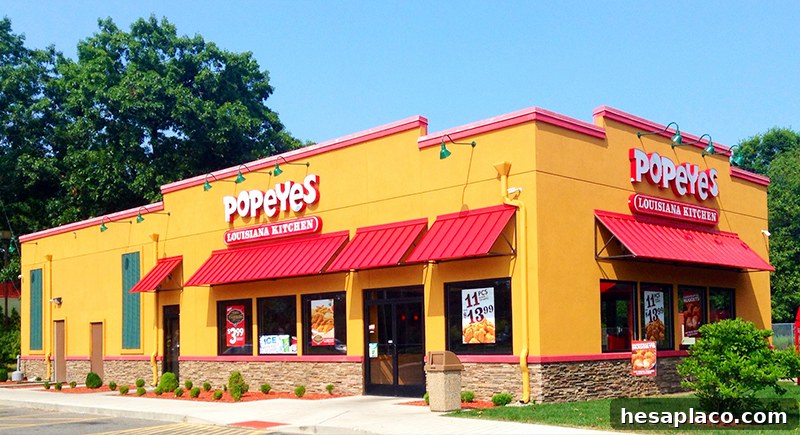
Credit: Wikimedia Commons
Popeyes is facing increased trans-Atlantic shipping costs and higher tariffs on proprietary seasonings and specialized kitchen equipment, complicating its European expansion plans. These logistical and cost pressures make it necessary to reassess growth timelines and local sourcing strategies.
Pizza Hut
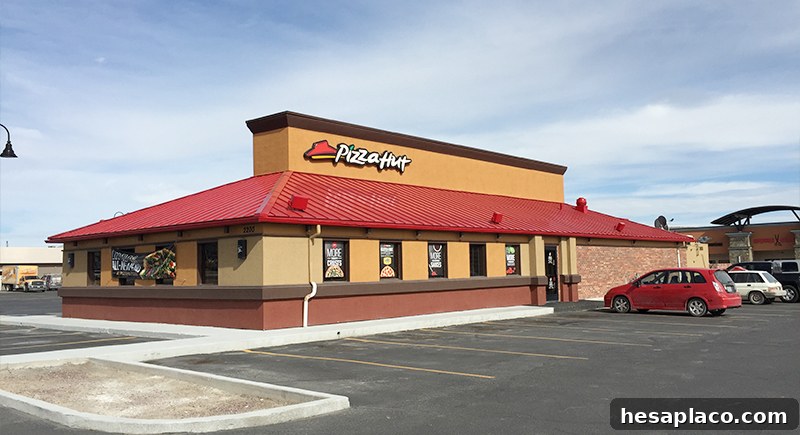
Credit: Wikimedia Commons
New trade rulings and resultant tariffs have raised the cost of several staple imports for Pizza Hut, including canned mushrooms and specialized flour. When import costs rise by double-digit percentages, the brand faces a difficult trade-off between maintaining value-focused promotions and protecting profit margins.
Overall, the wave of reciprocal tariffs and greater scrutiny of U.S. brands abroad is forcing fast-food operators to rethink sourcing, pricing and expansion strategies. Chains that can pivot to reliable regional suppliers, adjust menus and fine-tune store economics will be better positioned to absorb shocks, while those that depend heavily on affected imports may confront steeper price increases or slimmer margins.