Billionaires may seem invincible when it comes to wealth, but the stock market treats everyone equally. In a single trading session, several high-profile fortunes shrank dramatically as investors pulled back amid disappointing earnings, signs of slowing cloud growth, and more cautious forecasts for artificial intelligence. The sharp sell-off underscores how quickly market confidence can shift and how swiftly paper fortunes can decline.
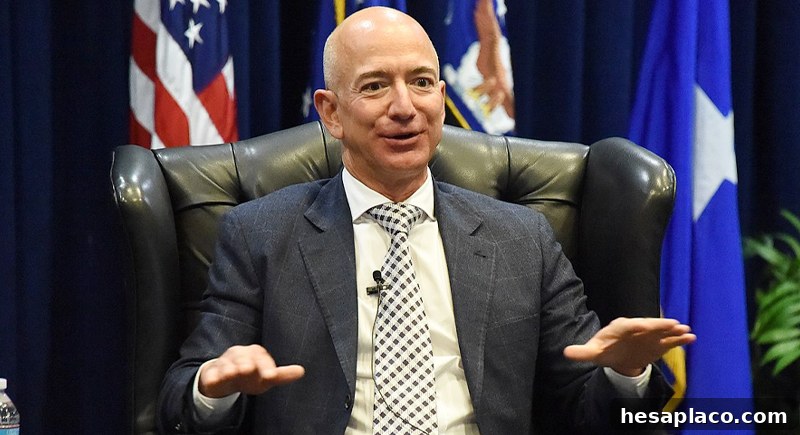
Jeff Bezos
Credit: Wikimedia Commons
Amazon shares fell nearly 9% after executives emphasized long-term investments in AI over short-term profitability. That message unsettled investors already cautious about high tech valuations, and Jeff Bezos saw his net worth decline by about $15.8 billion as the market punished near-term uncertainty.
Elon Musk

Credit: Wikimedia Commons
Between July 31 and August 2, Elon Musk’s net worth dropped from roughly $252 billion to $235 billion. Tesla’s earnings missed expectations and cooling enthusiasm for AI investments contributed to the decline. That represented the biggest single wealth reduction among billionaires during the sell-off.
Larry Ellison

Credit: Wikimedia Commons
Oracle’s stock experienced a brief spike that temporarily added roughly $3 billion to Larry Ellison’s wealth, but the rally quickly faded and the stock resumed its slide. Over the period, Ellison’s net worth fell by about $6 billion as investors questioned the pace and scale of Oracle’s cloud and AI spending.
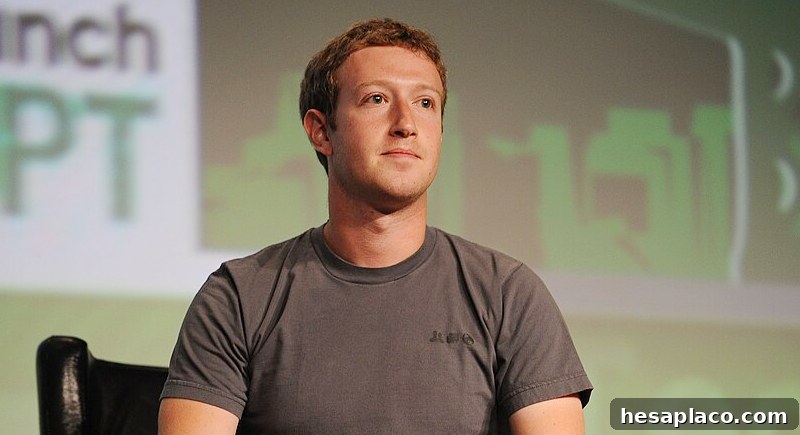
Mark Zuckerberg
Credit: Wikimedia Commons
Meta founder Mark Zuckerberg lost more than $3 billion amid a broader pullback in technology stocks. Investor concerns about stretched AI valuations and evolving expectations for tech-sector profitability weighed on Meta’s stock and on Zuckerberg’s paper wealth.
Sergey Brin

Credit: Wikimedia Commons
Alphabet’s advertising business, including YouTube, came in below expectations, which unsettled investors and pushed the stock lower. That shortfall reduced Sergey Brin’s net worth by more than $3 billion, illustrating that even core revenue streams like advertising may not fully shield tech leaders from market concerns about slowing growth.
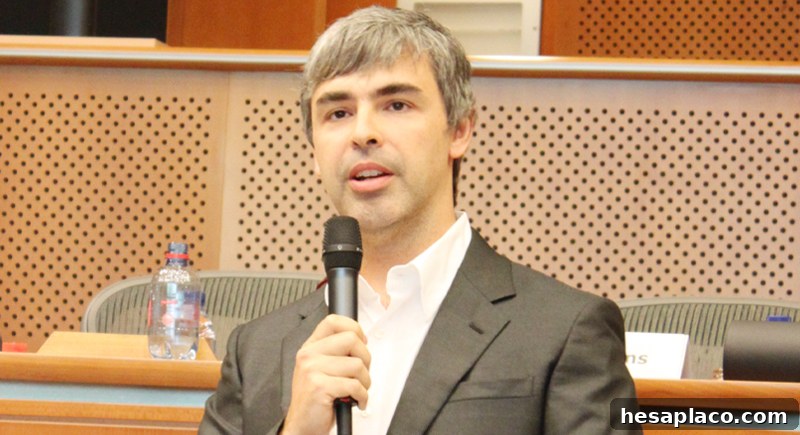
Larry Page
Credit: Wikimedia Commons
Like Sergey Brin, Larry Page—who holds significant Alphabet stock—saw a substantial paper loss after the company reported weaker-than-expected earnings. Slowing ad returns and a more gradual path to monetizing AI raised broader revenue concerns, and Page’s holdings moved down alongside the stock.
Francis Ford Coppola
Credit: Wikimedia Commons
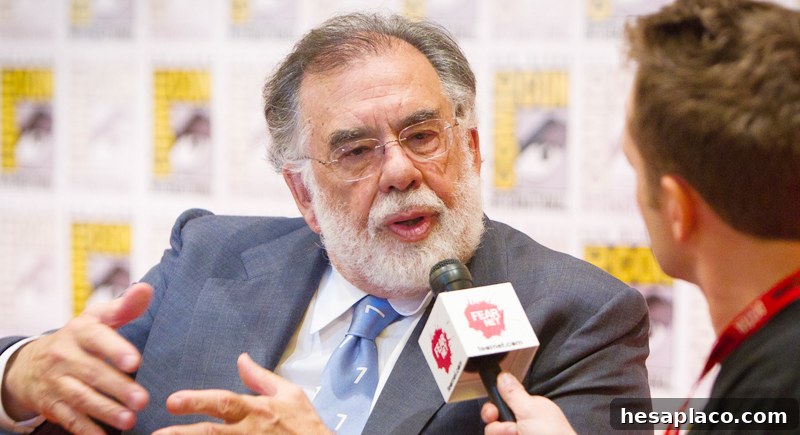
Filmmaker Francis Ford Coppola lost much of his fortune after a high-stakes gamble on the film One From the Heart. He invested $27 million expecting a hit, but the movie grossed roughly $4 million, leaving him with nearly $100 million in debt and forcing a bankruptcy filing. Coppola later rebuilt his career to some extent by focusing on wine production and boutique hotels.
Willie Nelson

Credit: Wikimedia Commons
Country music legend Willie Nelson faced a massive IRS tax bill in 1990—about $16.7 million—which led to federal agents seizing many of his assets. He narrowly avoided losing his guitar and ultimately paid down the debt, in part by releasing an album titled The IRS Tapes to help raise funds.
Mike Tyson
Credit: Wikimedia Commons
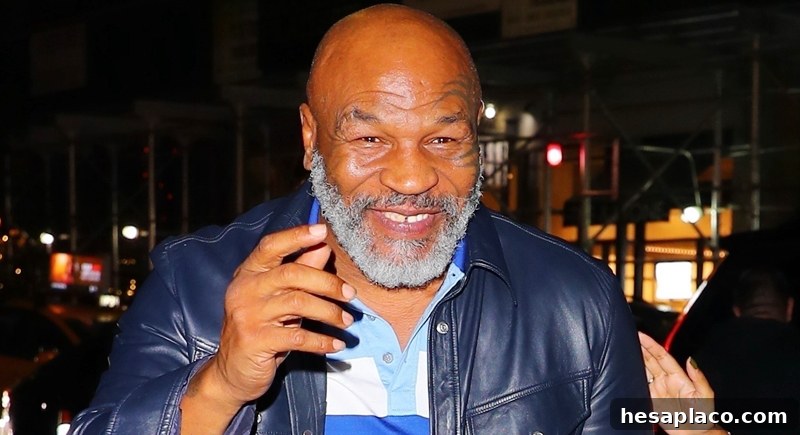
Boxer Mike Tyson earned enormous sums at his peak but faced severe financial strain by 2003, when he filed for bankruptcy with around $23 million in debt. Large expenses, legal fees, a costly divorce settlement, and unpaid taxes contributed to his financial collapse, and Tyson later described himself candidly as a “broke heavyweight.”
MC Hammer

Credit: Wikimedia Commons
MC Hammer once enjoyed enormous wealth but burned through roughly $33 million by funding a massive payroll, purchasing thoroughbreds, and maintaining an extravagant lifestyle with a high monthly burn rate. By 1996 he filed for bankruptcy, owing more than $10 million. His story is a cautionary tale about rapid wealth depletion when expenses outpace income.
These examples—ranging from technology founders to entertainers and creatives—highlight that fortunes can evaporate quickly, whether due to sudden market shifts, poor business results, risky investments, or excessive spending. For investors and observers alike, the takeaway is clear: even the richest individuals are vulnerable to changing market sentiment and financial setbacks.