Rebranding sounds simple until it collides with habit. People recognize logos, packaging, and names without thinking, and even small changes can feel jarring when they interrupt that routine. When companies roll out bold new identities without accounting for that automatic recognition, the results can be confusion, a loss of trust, or loud public backlash. Some reversals happen quickly; others linger long enough to become cautionary tales inside marketing departments. Below are notable examples of rebrands that misfired, why they stumbled, and what brands learned from the experience.
Gap
Credit: Wikimedia Commons
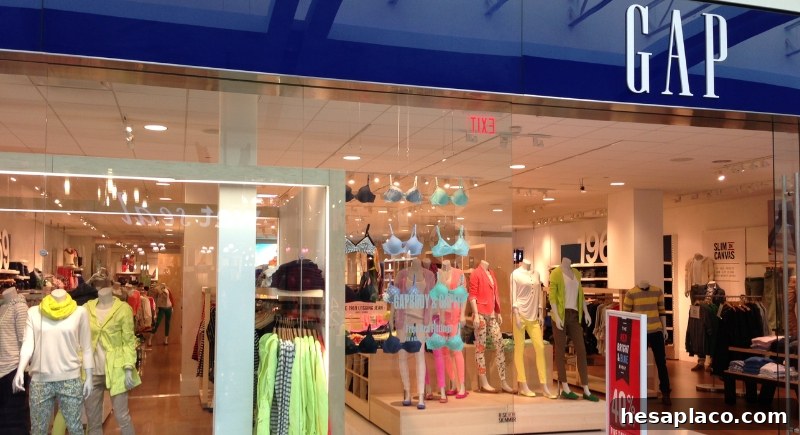
In 2010 Gap replaced its familiar blue box logo with a minimalist wordmark and a small gradient square. The new mark arrived with no clear lead-up or broad explanation, and social media reacted immediately with jokes and criticism. Six days later the company reverted to the old logo. The episode highlighted how quickly customers notice visual change and how damaging abrupt shifts can be when a brand’s identity is deeply embedded in everyday recognition.
Tropicana

Credit: Facebook
In 2009 Tropicana swapped its distinctive orange-with-a-straw imagery for a cleaner, more minimalist package. The new design blended into store shelves, and regular shoppers often passed it by without realizing it was the same product. Within two months, sales dropped by roughly 20 percent. PepsiCo ultimately restored the familiar packaging and acknowledged that the redesign had made the product harder to spot—an important reminder that shelf recognition is crucial for consumer packaged goods.
Syfy Channel
Credit: Facebook
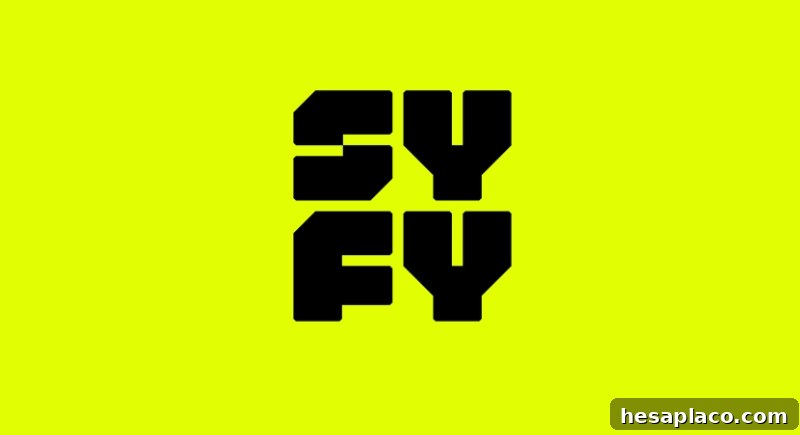
Legal considerations prompted the Sci-Fi Channel to rebrand as Syfy in 2009 so the network could secure a unique trademark. Many viewers, however, criticized the unusual spelling and felt it diminished the channel’s credibility. Despite the backlash, executives kept the new name to gain trademark control. The change shows that legal and commercial imperatives can outweigh initial consumer resistance, but that won’t stop long-term debate among loyal audiences.
Pizza Hut
Credit: Wikimedia Commons
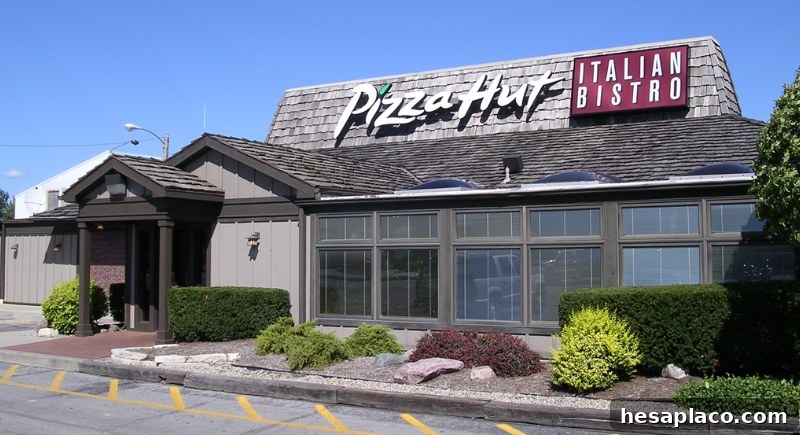
In an effort to seem more contemporary, Pizza Hut experimented in 2009 with calling itself “The Hut” in certain advertising. Customers largely questioned the need for the change, and the shortened name did nothing to address larger issues such as menu competition or food quality. The experiment faded, and the company returned to using the full Pizza Hut name. This case demonstrates that name tweaks alone won’t fix deeper business challenges.
New Coke
Credit: Youtube
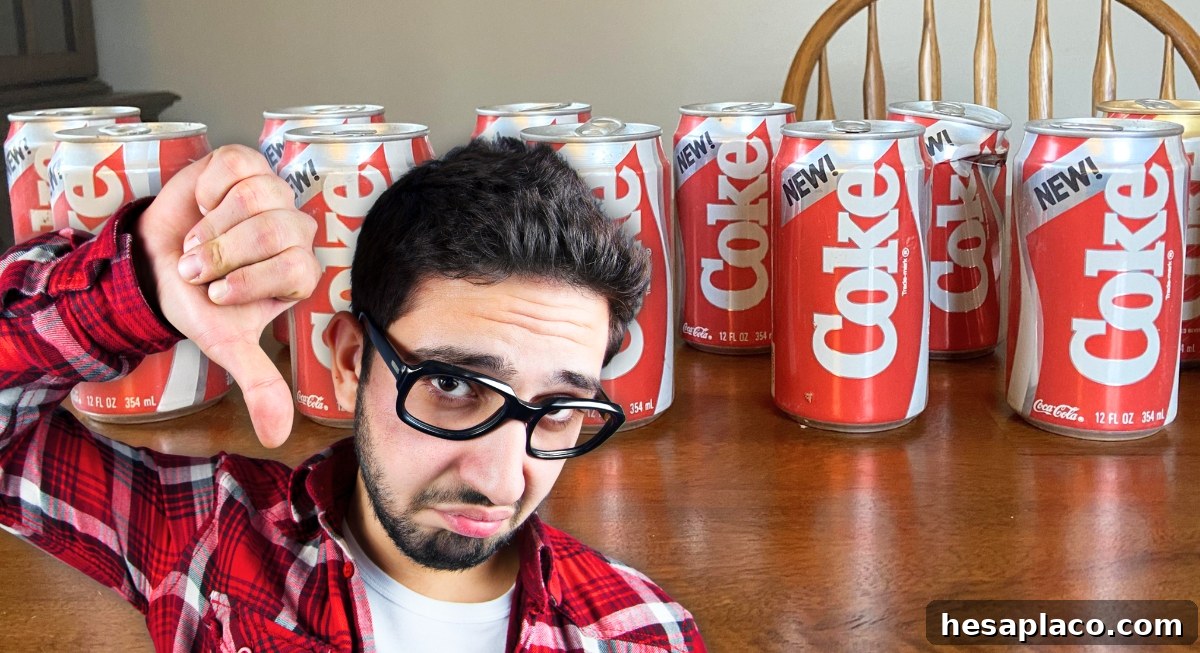
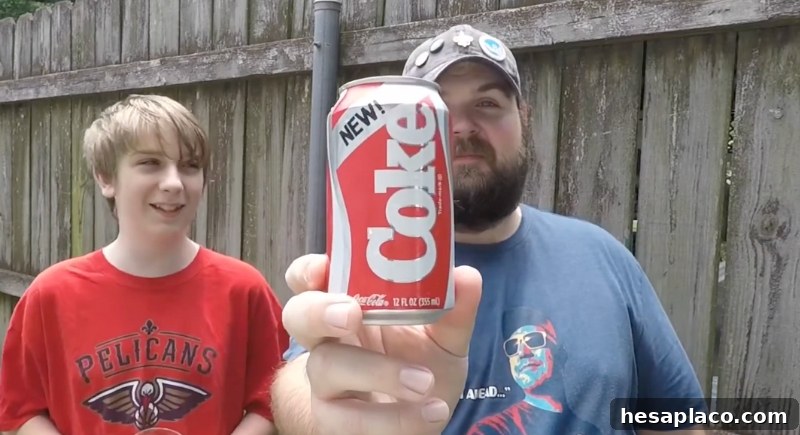
In 1985, Coca-Cola introduced New Coke after blind taste tests showed consumers preferred a sweeter formula. But replacing the original drink sparked intense consumer anger: many felt a cherished part of their daily lives had been taken away. Thousands of complaint calls followed, and some customers hoarded old-stock cans. Within months the company reintroduced the original formula as Coca-Cola Classic. The New Coke episode became a classic lesson in how emotional attachment to familiar products can far outweigh taste-test data.
Weight Watchers
Credit: Wikimedia Commons
When Weight Watchers rebranded to WW in 2018, the company intended to emphasize a broader focus on wellness rather than dieting. Initially, many consumers didn’t understand what the letters stood for, and decades of immediate brand recognition were diluted. The company invested heavily to explain the new positioning and to reconnect the abbreviation with the program’s legacy. The transition underscores how rebrands that abbreviate or obscure established names require substantial communication to preserve equity.
RadioShack
Credit: Wikimedia Commons
In 2009 RadioShack tried to modernize its image by leaning into the nickname “The Shack.” New signage and commercials adopted the friendlier shorthand, but shoppers found the name vague and unhelpful for identifying an electronics retailer. The rebrand failed to address deeper problems—outdated inventory, shrinking foot traffic, and changing consumer habits—and later became emblematic of cosmetic fixes that couldn’t counteract structural decline.
Mastercard
Credit: Wikimedia Commons
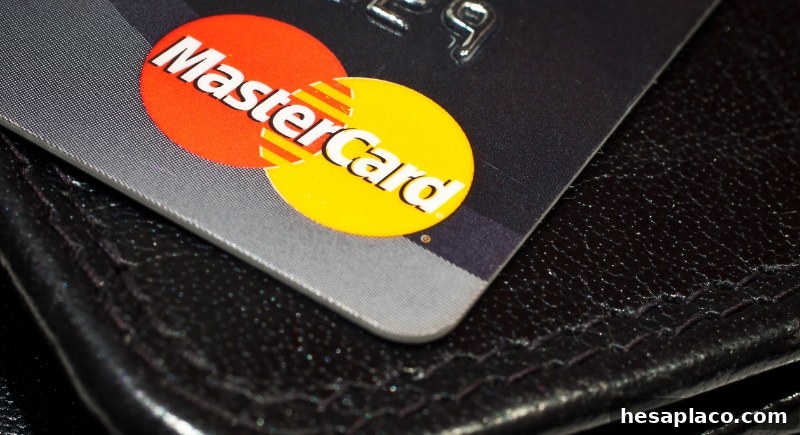
In 2006 Mastercard attempted to streamline its identity by altering the familiar overlapping circles and adding stripes. The change reduced instant recognition on cards and signage, especially in international markets, so the company soon restored more recognizable elements. Subsequent updates focused on modernization without discarding the core geometric form, showing how subtle visual cues matter for rapid brand identification.
Netflix Qwikster
Credit: Reddit
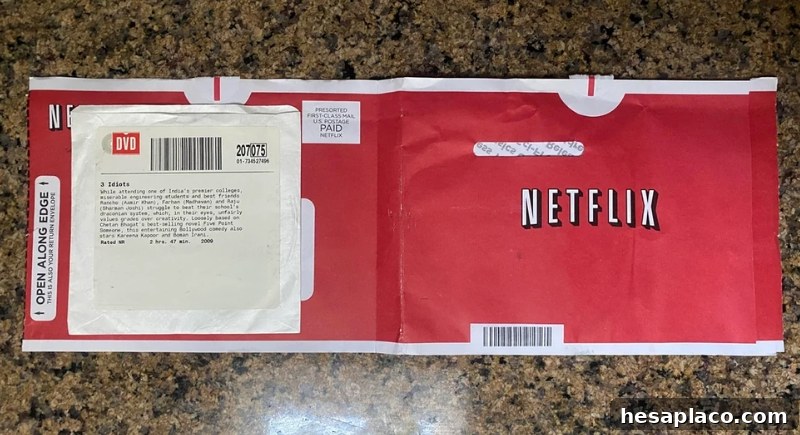
In 2011 Netflix announced it would split DVD rentals into a separate service called Qwikster, shortly after a price increase that had already upset subscribers. Customers were asked to manage two accounts and visit two websites. The combination of a price hike and an awkward split provoked immediate backlash and a drop in subscribers. Netflix abandoned Qwikster within weeks, demonstrating how poorly timed structural changes can amplify customer frustration.
British Airways
Credit: Wikimedia Commons
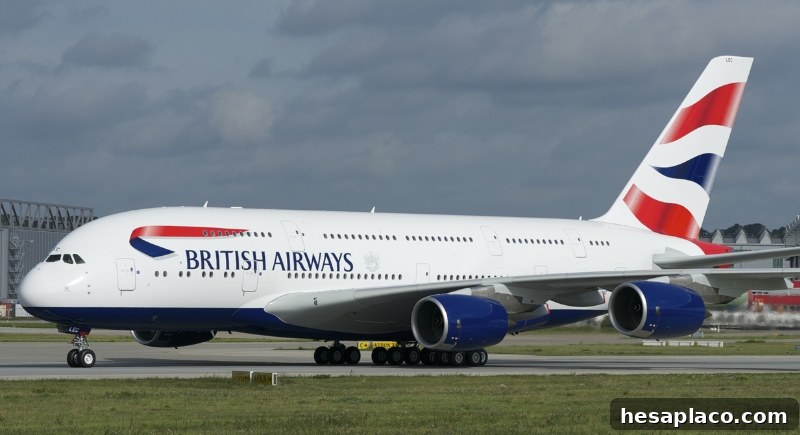
British Airways replaced the Union Jack tailfin designs in 2009 with a series of “World Images” meant to emphasize global reach. Many British customers interpreted the change as a loss of national identity, and the redesign drew public criticism—including from political leaders. By 2001 the airline returned to the classic flag motif after persistent discontent. The episode illustrates how national symbols tied to a brand can carry deep emotional meaning that merits careful consideration during rebranding.
Across these examples, a common thread emerges: successful rebrands respect existing recognition and emotional attachments while clearly communicating the reasons and benefits behind change. Abrupt visual shifts, unexplained name changes, or moves that ignore functional recognition—such as shelf visibility or trademark clarity—often provoke backlash. Brands that test extensively, phase changes deliberately, and invest in explaining the new identity stand a better chance of modernizing without losing the customers who made them familiar in the first place.