It’s easy to assume monopolies belong only in dusty economics textbooks or old court records. In reality, many modern industries are quietly dominated by a single major player. What looks like consumer choice on the surface often conceals concentrated ownership or control behind the brands. Below are ten industries that appear competitive but are largely shaped by dominant companies.
Eyewear Manufacturing

Credit: pexels
Retail shelves may seem crowded with different eyewear brands, but many trace back to Luxottica. The company owns household names like Ray-Ban and Oakley, licenses designer labels such as Prada and Vogue, and operates major retail chains. It also controls insurance and vision-care partnerships, meaning a single corporate group touches multiple points in the eyewear supply chain.
Credit Card Networks
Credit: Canva
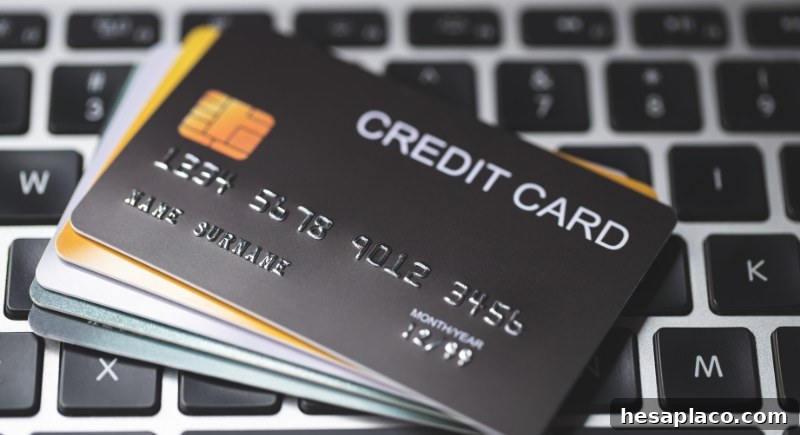
Visa dominates the global payments network without directly issuing most cards. Instead, it provides the central infrastructure banks and merchants rely on to clear transactions. In markets like the United States, Visa processes an enormous portion of purchase volume, far outpacing its nearest rivals and solidifying its position as the backbone of card payments.
Zipper Production

Credit: Getty Images
Those small “YKK” letters on jackets and bags point to a major global presence. YKK, a Japanese manufacturer, supplies a large share of the world’s zippers and makes the specialized machines that produce them. By controlling design, production, and equipment, the company ensures ubiquitous distribution and consistent quality across many consumer goods.
Online Search Engines

Credit: pexels
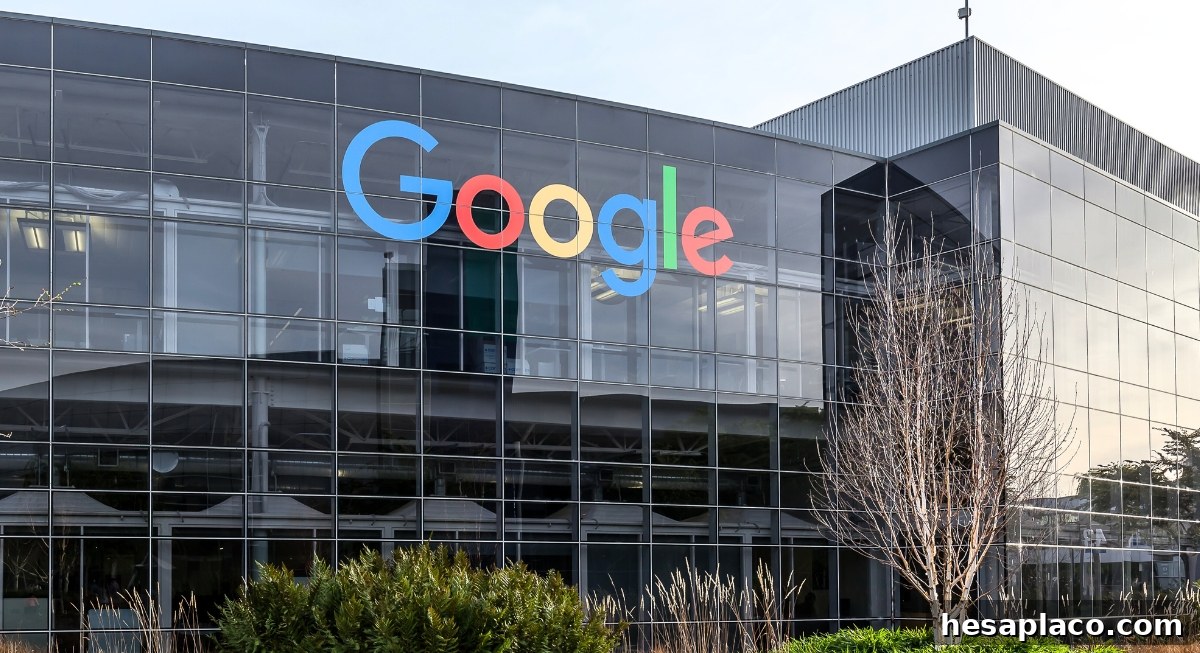
Google controls a dominant share of global search traffic, making it the primary gateway to information online. Its market share remains far above competitors such as Bing and DuckDuckGo. Because many browsers and mobile devices default to Google, user habits and data collection reinforce its leadership in search.
Operating Systems for Computers
Credit: pixelshot
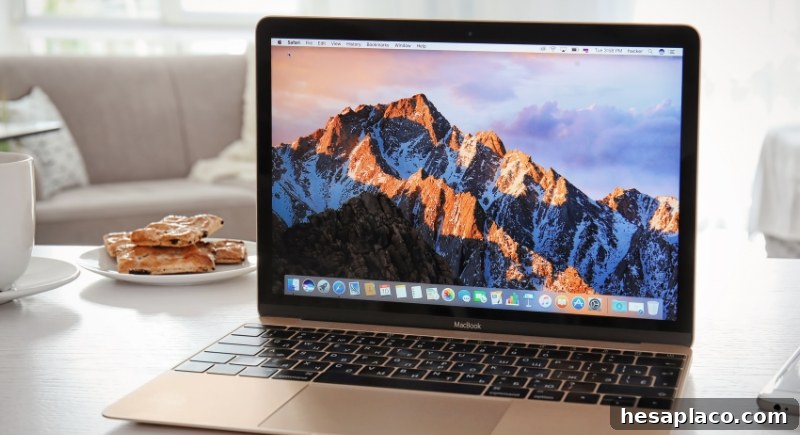
Most personal computers run Microsoft Windows, which continues to command a substantial share of the desktop and laptop market. While Apple’s macOS serves a dedicated user base, Windows remains the default operating system for a large portion of devices sold worldwide, reflecting decades of preinstallation agreements and software compatibility.
Social Networking

Credit: pexels
Meta, the company behind Facebook, also owns Instagram and WhatsApp, giving it control over several of the world’s most used social and messaging platforms. Together, these services engage billions of users daily, concentrating much of global social interaction and attention within a single corporate ecosystem.
Cloud Computing Services
Credit: Wikimedia Commons
Amazon Web Services (AWS) supports a large portion of the internet by offering cloud infrastructure, storage, and computing tools. Startups and established companies alike rely on AWS for hosting and operations. Its expansive service catalog, global presence, and reputation for reliability have helped it become the default choice for many organizations.
E-Commerce in China
Credit: Wikimedia Commons
Alibaba plays a central role in China’s online shopping ecosystem. Platforms such as Taobao and Tmall connect millions of sellers and buyers, while Alibaba’s systems for payments, logistics, and cloud services shape how e-commerce operates across the country. Its reach has made it a critical infrastructure provider for digital commerce in China.
Pet Food Manufacturing

Credit: Canva
Although grocery aisles show many pet food brands, much of the supply comes from a handful of large manufacturers. Companies that produce private-label pet food supply many store brands’ canned and packaged products, which means shoppers often see different labels but find common manufacturing origins behind them.
Diamond Distribution
Credit: Getty Images
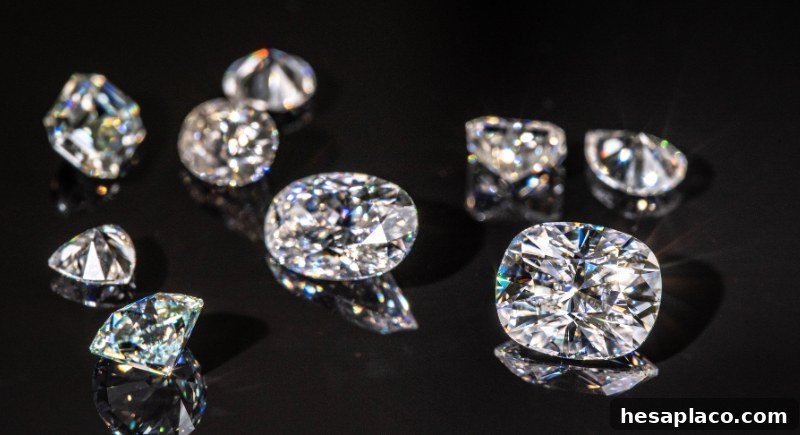
Historically, De Beers held a dominant position in the diamond market and maintained strong influence over production and pricing for much of the 20th century. While global competition and market changes have reduced its absolute market share, De Beers remains an influential player whose decisions continue to affect supply and pricing dynamics in the diamond industry.