When people imagine expensive items, they often picture gold bars or diamond jewelry. Yet some of the planet’s most costly materials are liquids most of us rarely encounter. Their high prices stem from scarcity, difficult extraction or production processes, and critical medical or industrial uses that sustain strong demand. Below is a clear, SEO-friendly overview of ten of the priciest liquids on Earth, rewritten for fluent English while preserving the original structure and facts.
Mercury
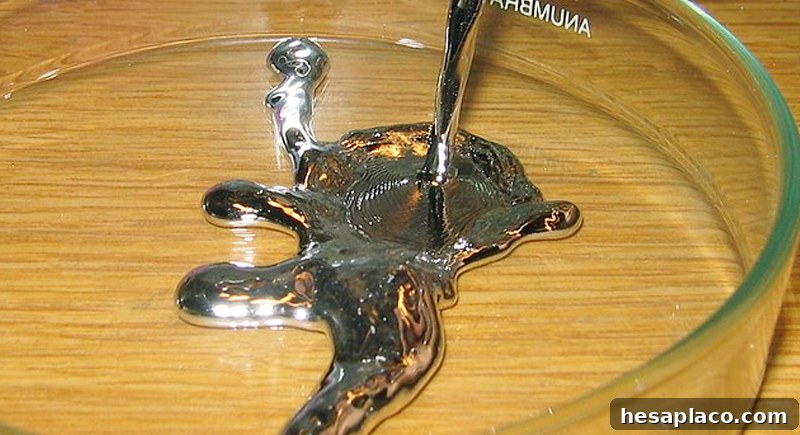
Credit: Wikimedia Commons
Mercury is extracted from cinnabar ore and requires careful, controlled refining because of its toxicity. Priced at roughly $900 per liter, it once appeared in household thermometers, though only a tiny amount was used in those devices compared to the volumes processed commercially. The handling and environmental precautions needed to work with mercury contribute to its cost.
GHB
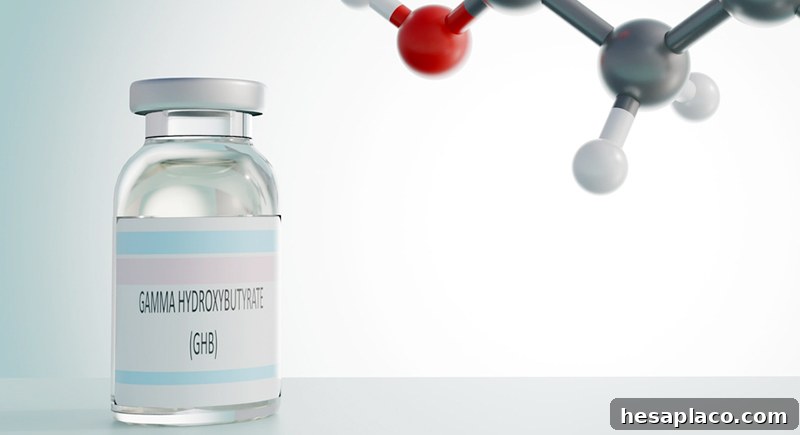
Credit: iStockphoto
Gamma-hydroxybutyrate (GHB) is used as an anesthetic and in medical treatments for conditions such as narcolepsy and severe insomnia. Pharmaceutical-grade GHB, manufactured under strict controls, costs about $660 per liter. Although small amounts of GHB can form naturally during fermentation in some foods, the medical product requires precise synthesis and quality assurance.
Human Blood
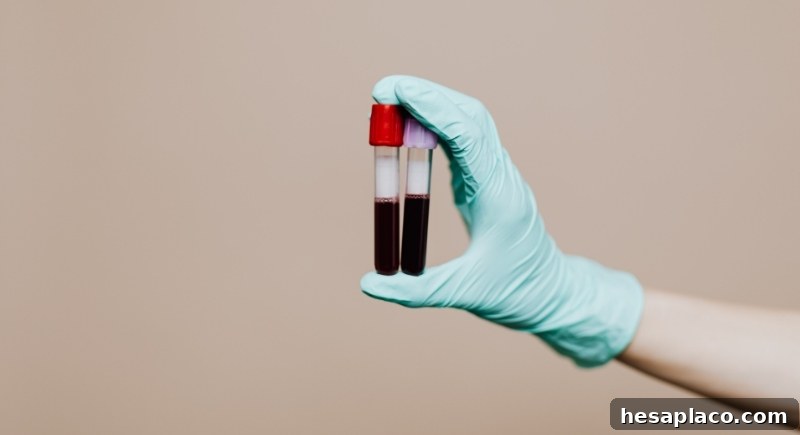
Credit: pexels
Donated human blood is more expensive than many expect because of the extensive processing it requires. After donation, blood undergoes testing, separation into components, storage, and tracking under strict safety protocols. Those costs push the price to roughly $400 per liter, or nearly $1,500 per gallon, reflecting the skilled labor and infrastructure needed to ensure safe transfusions.
Black Printer Ink
Credit: Canva
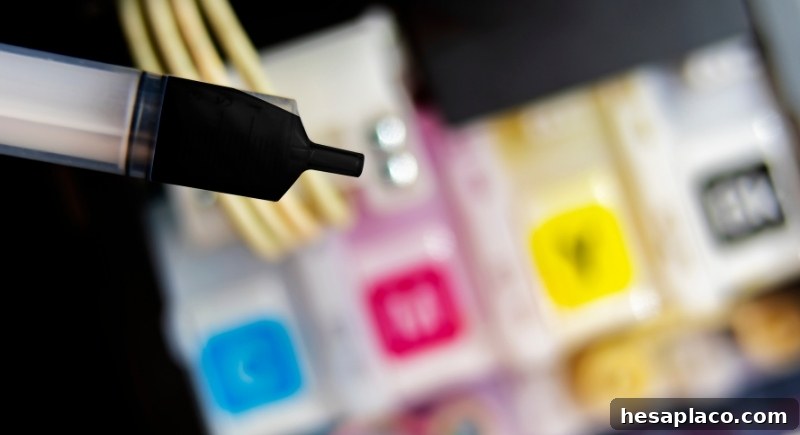
High-quality black printer ink can be surprisingly costly—approximately $720 per liter or about $12,000 per gallon. Manufacturers invest heavily in research to produce ink that prints consistently, resists fading, and avoids clogging printers. In addition, cartridge designs and business models encourage brand loyalty and repeat purchases, which contributes to the retail price of replacement ink.
Chanel No. 5
Credit: Wikimedia Commons
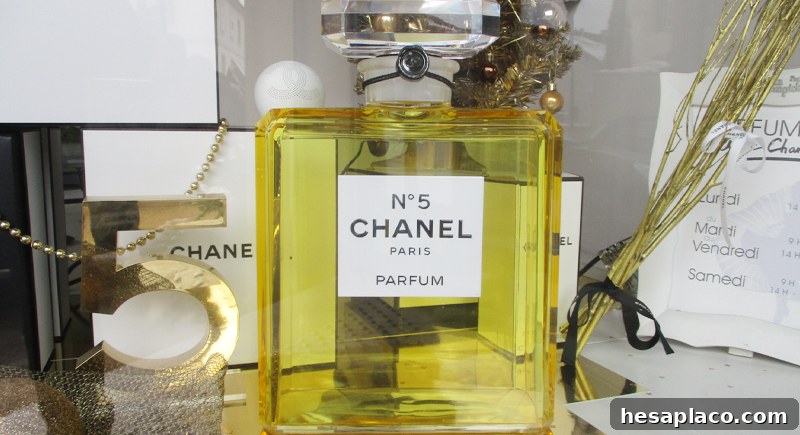
The iconic perfume Chanel No. 5 commands luxury pricing thanks to its classic formula and rare floral extracts. A gallon can cost around $26,000, which works out to approximately $6,900 per liter. The brand’s long history, carefully sourced ingredients, and reputation for timeless elegance keep demand—and price—high.
Insulin
Credit: Getty Images
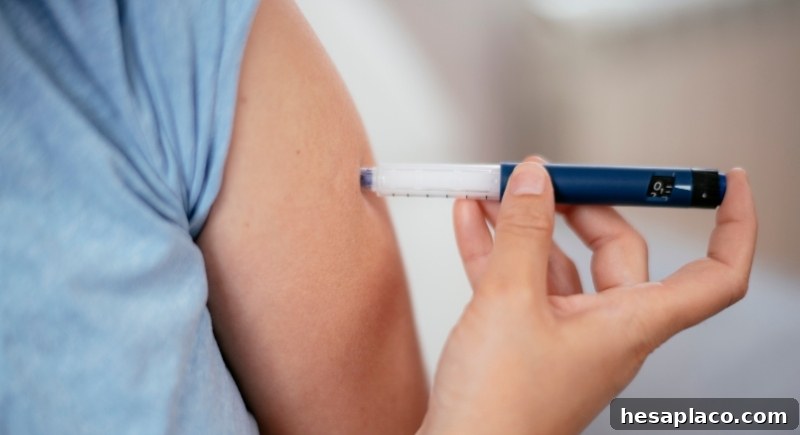
Biosynthetic insulin is complex to manufacture and must closely mimic the hormone the human pancreas produces. Prices vary widely by manufacturer and formulation, but when scaled to bulk volumes, insulin can cost roughly $3,900 per liter and in some cases exceed $26,000 per liter—about $13,000 per gallon on average. These costs influence access to care for many people with diabetes, as production, regulation, and distribution all factor into final pricing.
LSD
Credit: Wikimedia Commons
LSD is produced through specialized organic synthesis and stringent handling procedures. Because a very small amount produces powerful psychoactive effects, and because production is technically demanding, the liquid form can reach about $32,500 per liter. The combination of precise chemistry and controlled distribution keeps the cost elevated.
Horseshoe Crab Blood
Credit: Wikimedia Commons
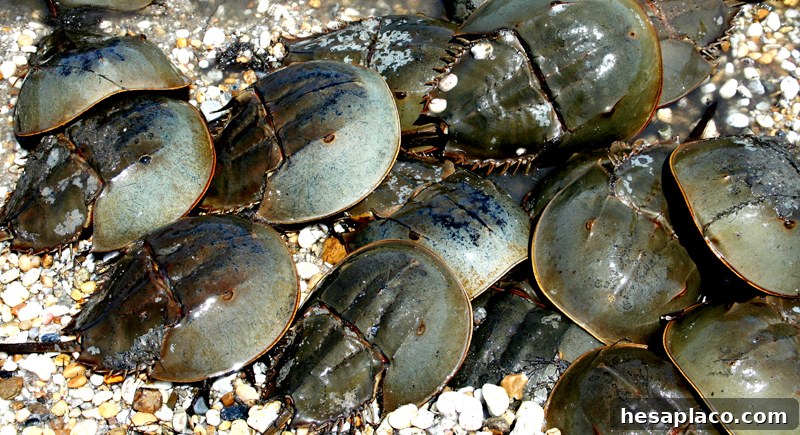
The blue blood of horseshoe crabs contains a compound used to detect bacterial endotoxins in vaccines and medical equipment. Its unique testing properties make it indispensable for ensuring medical safety. With limited harvesting and growing demand, prices hover around $15,850 per liter, or about $60,000 per gallon.
King Cobra Venom
Credit: iStockphoto
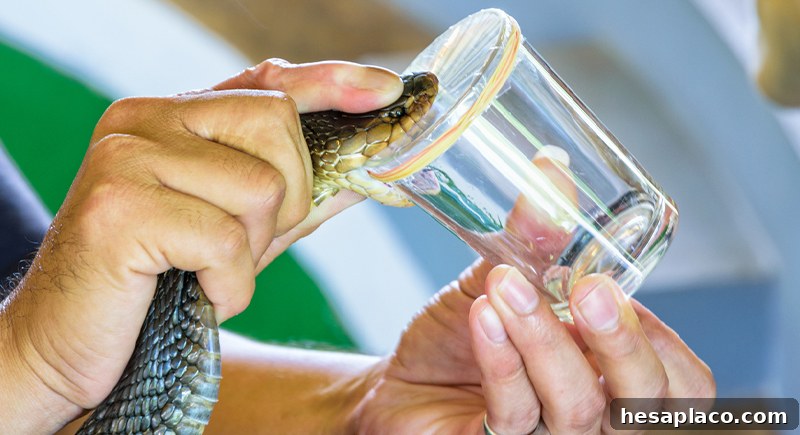
King cobra venom is sought for research into novel painkillers and other medical applications. Containing proteins like Ohanin that are of pharmacological interest, this venom is expensive because each extraction yields minuscule quantities. Current estimates place the cost at roughly $40,400 per liter, or about $153,000 per gallon.
Scorpion Venom
Credit: Getty Images
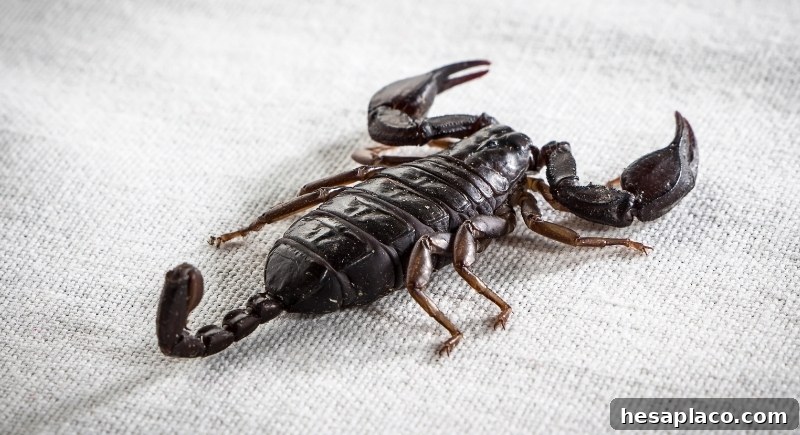
Scorpion venom tops the list for liquid value. Certain venoms contain peptides and proteins under study for treating autoimmune disorders and even some types of brain cancer. Because each scorpion produces only a few tiny drops and extraction is labor-intensive, prices can soar to around $10 million per liter, or about $39 million per gallon. The high cost reflects both the rarity of raw material and the intense demand from biomedical research.
These examples highlight how value is determined not only by rarity but also by the complexity of production, the safety measures required, and the potential lifesaving uses that keep demand strong. From common industrial and medical fluids to exotic biological substances, the economics of liquid commodities can be surprising.