
Housing markets can change quickly, and several U.S. cities are showing signs of growing vulnerability. Rising inventory, cooling buyer demand, higher rates and broader economic shifts are combining to put pressure on local housing conditions. Analysts project that some of these markets could face noticeable price declines by 2025 if current trends continue. These outlooks take into account employment data, housing supply, and the share of federal jobs in local economies. While none of these cities are guaranteed to crash, prospective buyers, sellers and investors should examine them carefully and consult local real estate professionals before making major decisions.
Washington, D.C.

Credit: Wikimedia Commons
The District’s market is losing steam: prices are down roughly 3.3% year over year despite a median listing price near $580,000. A large federal workforce—about 11% of local jobs—makes the market sensitive to budget cuts, hiring slowdowns or reduced government spending, adding downside risk for a market that remains expensive and competitive.
Baltimore, Maryland

Credit: Wikimedia Commons
Baltimore’s market shows mixed signals. Prices are modestly higher year over year—about 1.4%—but rising inventory and economic uncertainty increase the risk of a downturn. With roughly 7% of jobs tied to federal employment, a slowdown in government hiring or spending could weigh on demand and make the $392,500 median listing price feel less secure.
Virginia Beach, Virginia

Credit: Wikimedia Commons
Virginia Beach is showing signs of softening: growth in asking prices has slowed by roughly 2.6%. The median listing sits near $315,000, and about 4.2% of local employment is federal. Because the local economy is linked to defense and government activities, disruptions there could further cool what was once a strong market.
Riverside, California
Credit: Wikimedia Commons
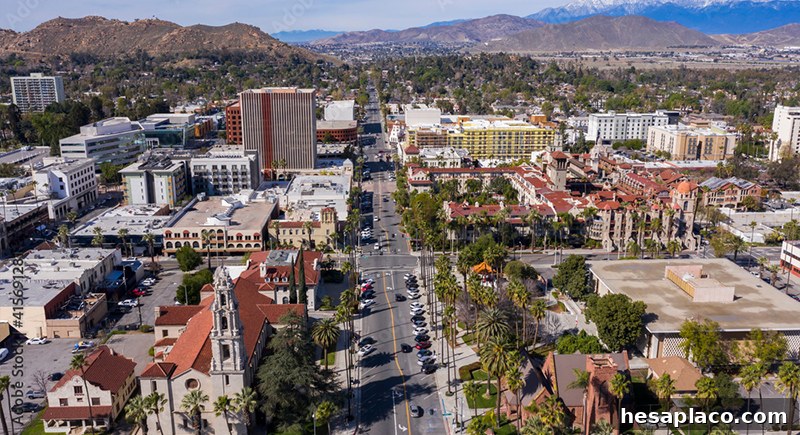
Riverside has seen price gains—about 6.2% year over year—but may be vulnerable to a correction. The $350,000 median listing price looks attractive compared with coastal California, yet rising interest rates and a federal employment share near 3.7% leave the market exposed. Investors are monitoring inventory and demand for signs of a deeper slowdown.
Seattle, Washington

Credit: Wikimedia Commons
Seattle’s market is cooling: year-over-year prices are down about 4.7%. With a high median listing price around $949,995, affordability is already strained for many buyers. The local economy’s sensitivity to tech-sector employment, combined with a federal workforce share near 3.1%, increases downside risk amid layoffs and broader economic uncertainty.
Jacksonville, Florida

Credit: Wikimedia Commons
Jacksonville’s housing market is showing strain, with prices down about 2.4% year over year and median listings near $327,000. Softening demand and affordability pressures—coupled with roughly 3% of jobs tied to federal employment—mean the market could face additional weakness heading into 2025.
San Antonio, Texas
Credit: Wikimedia Commons
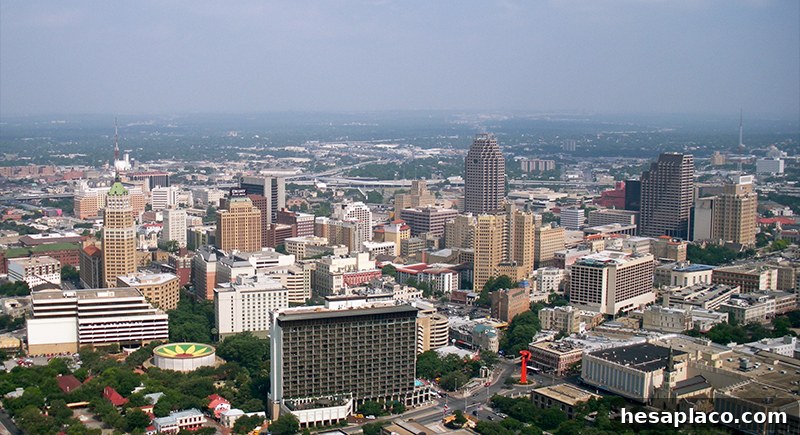
San Antonio shows modest price growth—around 1.3%—but signs of cooling are emerging. The median listing price sits near $328,050, and about 2.8% of the workforce is in federal jobs. Potential shifts in defense spending or broader economic pressures could drag prices downward in a market that has already begun to lose momentum.
Orlando, Florida

Credit: Wikimedia Commons
Orlando’s market is wobbling: home prices are down about 1% year over year, with a median listing price around $396,200. A tourism-driven economy creates volatility, and with roughly 2.8% of jobs in the federal sector, the combination of seasonal demand swings and affordability limits could leave the market exposed to further declines in 2025.
Providence, Rhode Island

Credit: Wikimedia Commons
Providence is showing warning signals: price growth is down roughly 4.2% year over year, with median listing prices near $429,653. A federal employment share of about 2.7% and affordability pressures in the state could deepen weakness and affect buyer confidence across Rhode Island’s housing market.
Richmond, Virginia

Credit: Wikimedia Commons
Richmond’s market has shown recent upward movement in listings: by March 2025 the median listing price was reported at $444,900, rising from $429,653 in February and $421,225 in January 2025. The median sold price for March 2025 was reported near $386,705, reflecting substantial year-over-year gains. While this points to strength, buyers and sellers should watch for shifting demand and inventory dynamics that could alter the trend.
Buffalo, New York

Credit: iStockphoto
Buffalo’s market has seen mixed results month to month. In March 2025 the median sold price was about $240,162—roughly a 6.3% increase year over year—while February 2025 showed a median sale around $178,750, a slight decline compared with the previous February. These swings suggest the market is influenced by seasonal factors, inventory changes and localized demand shifts.
Louisville, Kentucky

Credit: Wikimedia Commons
Louisville’s market is showing modest weakness, with prices down about 0.5% year over year and a median listing price near $249,974. A federal employment share of roughly 2% combined with rising living costs and affordability concerns could push this market toward a more pronounced correction if demand continues to soften.
Birmingham, Alabama
Credit: Wikimedia Commons
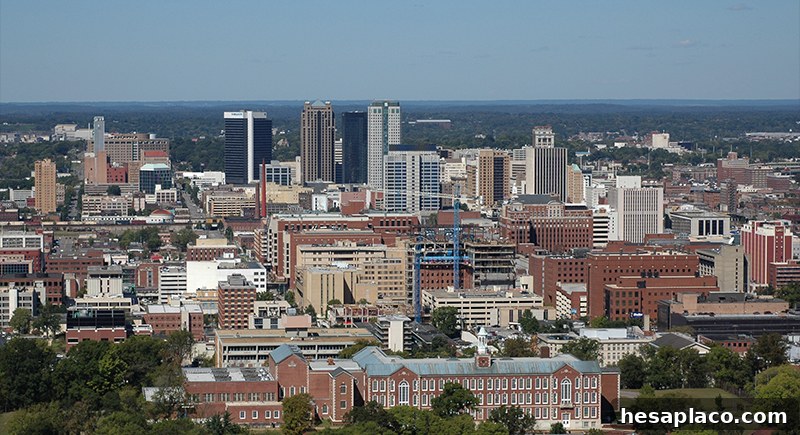
Birmingham recorded strong recent gains—around 14% price growth—but that rapid rise raises concern about sustainability. With a median listing price near $241,725 and a small federal workforce share (about 2%), the market may lack buffers to absorb rate shocks or rising mortgage costs, increasing the risk of a sharp pullback.
Hartford, Connecticut

Credit: flickr
Hartford’s housing market is weakening, with about a 4% year-over-year decline and median listings around $399,000. Low recent growth, affordability challenges and wary buyers suggest additional downward pressure is possible as 2025 progresses.
San Francisco, California

Credit: Getty Images
San Francisco faces a sharp recalibration as remote work and tech-sector departures reduce demand. High listing prices and a changing employment base are forcing a market correction; continued outflows of tech workers and weaker in‑person office demand could lead to steeper price declines into 2025.
Cape Coral, Florida
Credit: Getty Images
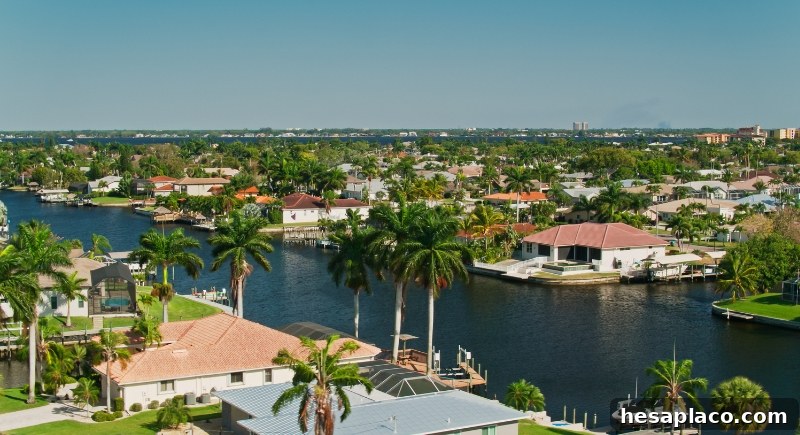
Cape Coral expanded rapidly during recent relocation waves, and that surge left an elevated number of new listings. Builders ramped up supply, and now inventory is catching up while buyers become more selective. Higher insurance costs and exposure to storm risk add further pressure, making it likely that price growth will cool if demand continues to ease.
Austin, Texas

Credit: Wikimedia Commons
Austin experienced rapid pandemic-era appreciation, but that momentum has cooled. Rising inventory, fewer bidding wars and tighter affordability driven by sustained higher mortgage rates mean sellers may need to adjust expectations. A wave of new suburban construction has increased choices for buyers, which could further moderate price growth if demand does not rebound.