
Your grandparents may not have had sleek budgeting apps or viral money tips, but they knew how to make every dollar count. Their approach relied on practical, time-tested habits—simple choices grounded in discipline and common sense. From home-cooked meals and repairing items to saving before spending and avoiding expensive credit, these practices helped build lasting financial security. Many sound old-fashioned today, but they remain effective.
If modern financial advice feels gimmicky or overwhelming, adopting these proven habits offers a clear, sensible path to better money management.
Paying in Cash

Credit: Nzewi Confidence’s Images
Using cash made spending tangible. Physically handing over money creates a stronger awareness of purchases than swiping a card. That friction helped people think twice before buying, avoid hidden fees and interest, and stay within their means—making it easier to live on a stable budget over the long term.
Saving Before Spending

Credit: pexels
Saving came first. A portion of each paycheck went into savings before discretionary spending. Treating future needs with the same priority as present wants ensured a cushion for emergencies and long-term goals, and it helped avoid living paycheck to paycheck.
Cooking at Home

Credit: Getty Images
Dining out was for special occasions. Most meals were prepared at home, economical, and often made in larger batches for leftovers. Cooking at home reduced food costs, improved nutrition, and created shared experiences that strengthened family bonds without high expense.
Using Things Until They Wore Out

Credit: pexels
Replacing items wasn’t automatic. Clothes were mended, shoes resoled, furniture repaired, and cars regularly maintained. Keeping and caring for possessions until they truly wore out reduced waste and saved money, and it reflected a mindset that valued durability over trends.
Living Below Their Means

Credit: iStockphoto
Even when income rose, lifestyles didn’t inflate to match. Extra earnings were saved or used to increase security rather than to showcase a wealthier image. Prioritizing needs over appearances made it possible to build financial stability over time.
Avoiding Credit Card Debt

Credit: photobyphotoboy
Credit cards were used sparingly and paid off promptly. If an item couldn’t be paid for immediately, it was often not purchased at all. Avoiding high-interest debt preserved savings and reduced financial stress, helping families remain financially resilient.
Budgeting With Pen and Paper

Credit: rattanakun
A simple notebook and a pen were often enough to track income and expenses. Writing down finances encouraged accountability and made spending decisions deliberate. Manual tracking helped keep budgets straightforward and understandable for the whole household.
Growing Their Own Food

Credit: pexels
Home gardens supplemented grocery purchases with fresh produce—tomatoes, cucumbers, herbs and more. Preserving harvests by canning, pickling, or freezing extended those savings through the year, reduced food waste, and added both flavor and self-sufficiency to household meals.
Buying Used When It Made Sense
Credit: pexels
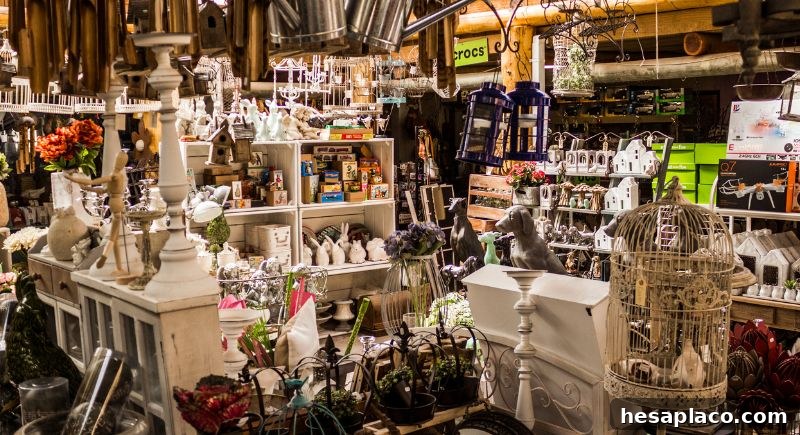
Secondhand items were embraced without embarrassment. Hand-me-downs, thrift-store finds, and garage-sale bargains provided quality goods at a fraction of retail prices. Buying used when sensible conserved cash and often provided perfectly serviceable items for daily life.
Making Do With What They Had

Credit: Getty Images
Before buying new, they got creative: extra curtains became cushion covers, tins became organizers, and wood scraps became shelving. That resourcefulness reduced waste and stretched household budgets, reflecting a “waste not, want not” mentality that turned small adjustments into meaningful savings.
Paying Off the Mortgage Early

Credit: bongkarngraphic
Owning a home outright was a major goal. Many made extra principal payments or shortened loan terms to pay off mortgages sooner. Eliminating that debt provided security and reduced monthly expenses, creating a stable financial foundation for the family.
Taking Care of What They Owned

Credit: Getty Images
Regular maintenance was standard: shoes cleaned, appliances serviced, cars checked and tuned. Caring for possessions extended their life and performance, saving replacement costs and reinforcing a habit of responsibility toward valued items.
Making Their Own Entertainment

Credit: Getty Images
Entertainment was frequently homemade and low-cost: board games, backyard gatherings, radio programs, and family talent nights provided laughter and connection without costly tickets or subscriptions. Those shared, inexpensive activities created lasting memories and strong relationships.
Planning for the Future—Always

Credit: Getty Images
Long-term thinking guided most financial choices. Saving for emergencies, maintaining insurance, and setting aside funds for education or retirement were common priorities. That forward-looking approach created stability and protection that benefited multiple generations.
The “Thrift-First” Rule

Credit: pexels
Before buying new, they looked to what they already owned or to secondhand markets. Thrift stores, hand-me-downs, and local sales supplied many household needs at steep discounts. Prioritizing thrift left more money for savings, emergencies, and meaningful long-term goals.
Bartering and “Skill-Trading”
Credit: Facebook
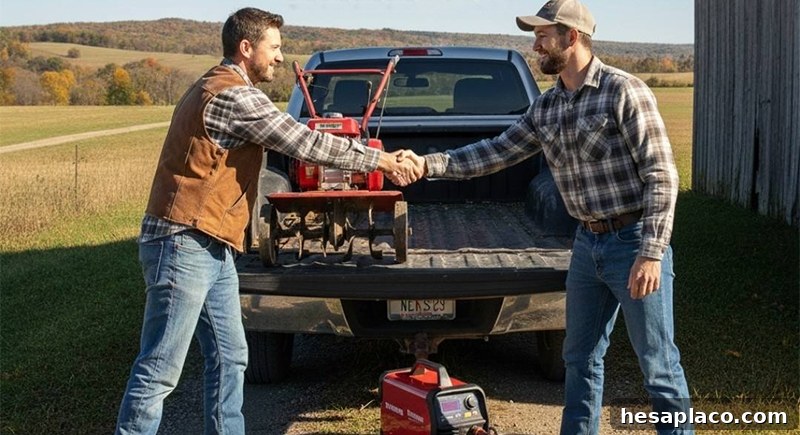
Cash wasn’t always necessary. Neighbors exchanged skills—fixing a fence for baked goods, mending clothes for childcare—so labor, tools, or expertise replaced money in many transactions. These exchanges strengthened communities, conserved cash, and turned everyday skills into practical value.