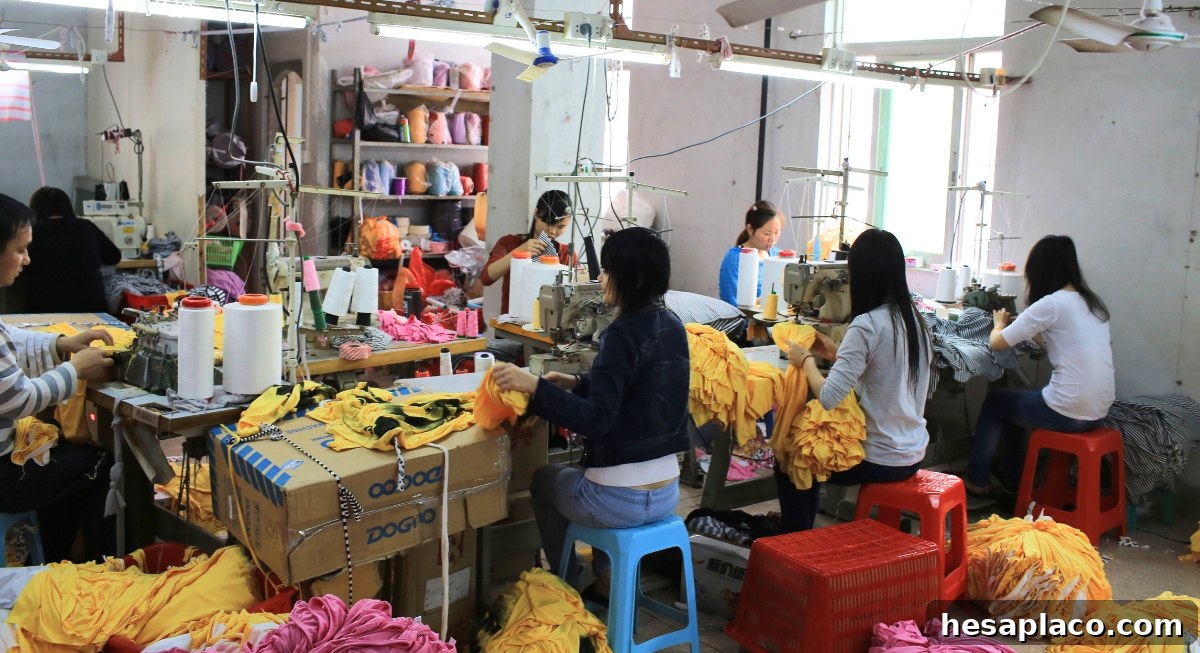
When consumers buy luxury goods, they expect high-quality materials, skilled craftsmanship, and enduring design. Yet marketing and manufacturing often diverge: many upscale labels emphasize heritage and exclusivity while outsourcing much production to low-cost suppliers. This article examines instances where branding obscures the labor and supply-chain realities behind expensive products.
Dior’s Bags Allegedly Made for $50 in Italian Sweatshops
Credit: Wikimedia Commons
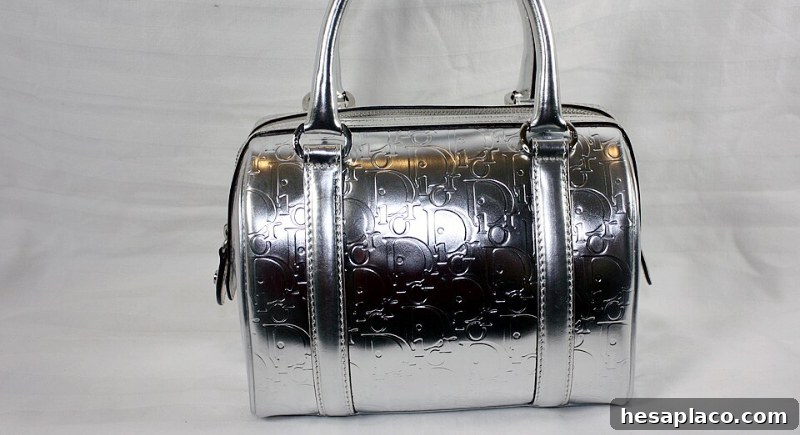
Italian investigators reported that certain Dior handbags, which retail for well over $2,000, may have been manufactured for as little as $50 in unauthorized workshops around Milan. According to those investigations, much of the labor was carried out by underpaid immigrant workers in operations outside formal factories. Although the merchandise often bears a “Made in Italy” label, these findings raised questions about how accurately that claim reflects the full production process and whether the label sometimes functions more as marketing than as a clear indicator of origin and working conditions.
Armani Facing Scrutiny for Underpaying Migrant Labor in Italy
Credit: Wikimedia Commons
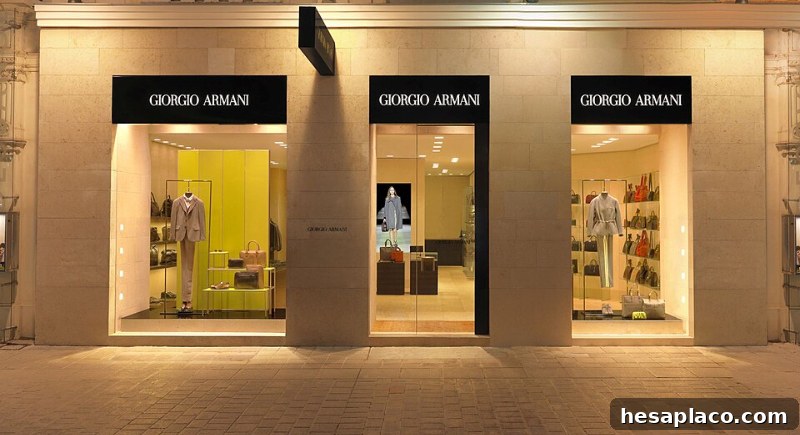
Armani has been subject to legal scrutiny over reports that subcontractors used in Italy paid migrant workers low wages to produce high-priced handbags. According to those reports, labor costs for items approaching $2,000 in retail value were sometimes as low as $100. Authorities have investigated whether the brand’s supply chain relied on informal arrangements that circumvented labor protections, and whether outsourcing and subcontracting helped sustain profit margins at the expense of worker pay and safety.
Nike’s History of Labor Abuse and Monitoring Gaps
Credit: Wikimedia Commons
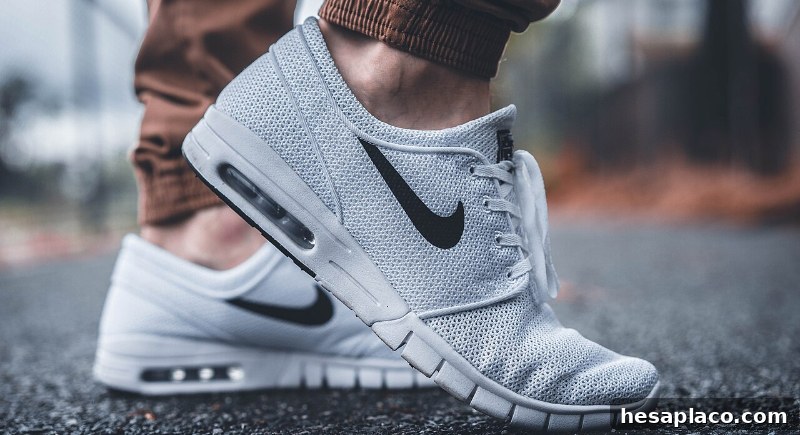
Nike’s supply chain has been criticized for decades over sweatshop conditions in countries such as Vietnam, Indonesia, and China. Concerns persist about labor standards and oversight, particularly regarding suppliers linked to forced labor allegations. While Nike has repeatedly denied using forced labor from China’s Xinjiang region, multiple independent watchdogs and reports have flagged ongoing issues among some suppliers, highlighting persistent monitoring gaps and the difficulty of ensuring consistent compliance across complex global networks.
Adidas Linked to Child Labor in Indian Cotton Farms

Credit: Wikimedia Commons
Despite participating in industry oversight initiatives, Adidas has been named in reports linking cotton suppliers to child and bonded labor on some Indian farms. Additional investigations have identified labor and safety violations in other parts of the company’s supply chain, including issues at warehouse facilities. These findings illustrate the gap that can exist between corporate social responsibility policies and conditions on the ground, and underscore the need for stronger traceability and enforcement.
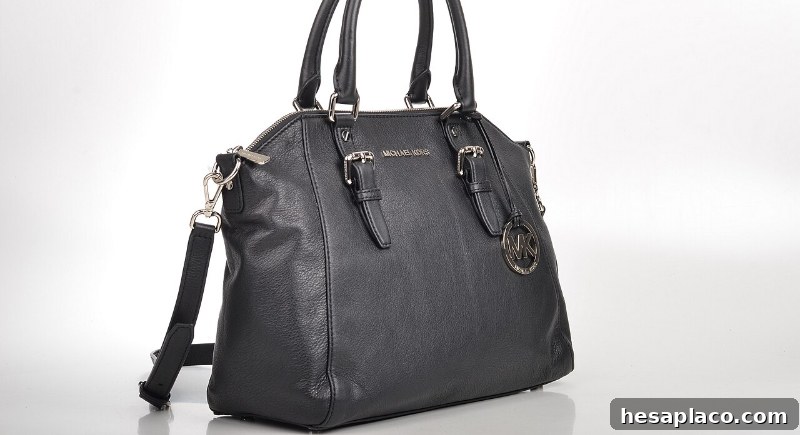
Michael Kors Products Found in Low-Wage Chinese Factories
Credit: Wikimedia Commons
Michael Kors, positioned as an accessible luxury label, has been linked to production in Chinese factories where wages and working conditions are reported to be low. The brand has faced criticism for a lack of transparency regarding labor protections at these sites. Reports from workers and investigators point to persistent concerns over pay, safety measures, and the adequacy of audits meant to ensure compliance with labor standards.
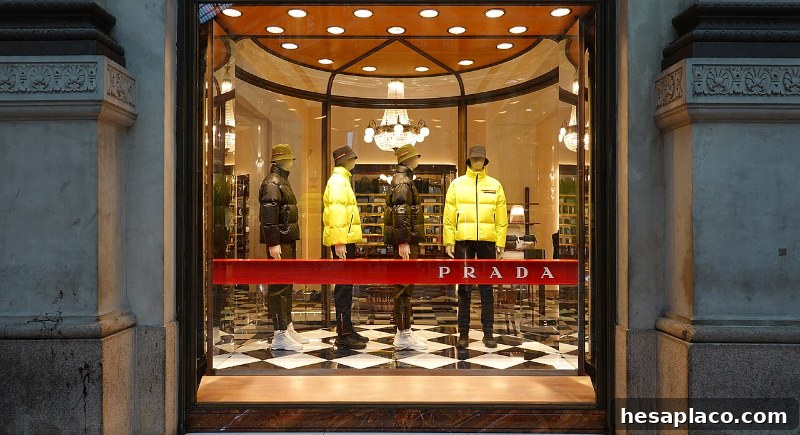
Prada’s Production Transparency Still Under Question
Credit: Wikimedia Commons
Prada has acknowledged that some of its production takes place in Chinese facilities, but it has been less specific about which lines and what portion of output are manufactured there. Critics argue that incomplete disclosures make it difficult for consumers and advocates to assess working conditions. When the bulk of production occurs in Asia but final assembly or finishing is completed in Europe, country-of-origin labels may not fully reflect the realities of where labor is performed.
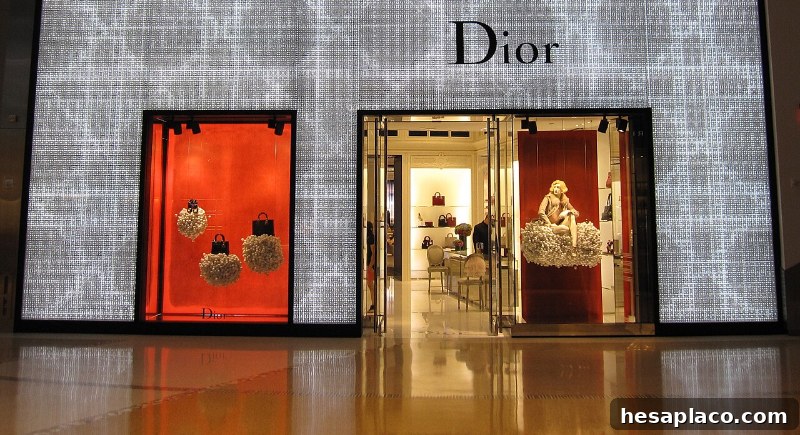
Dior’s Chinese Suppliers Quietly Handling Ready-to-Wear
Credit: Wikimedia Commons
Beyond leather goods, Dior’s ready-to-wear lines and some packaging components have been linked to Chinese suppliers such as Beyond Garments and Taihao Group. These manufacturers operate far from the brand’s high-profile boutiques and often face intense production schedules. While these partnerships can increase capacity and lower costs, limited disclosure about working conditions prevents a clear understanding of labor standards across the entire supply chain.
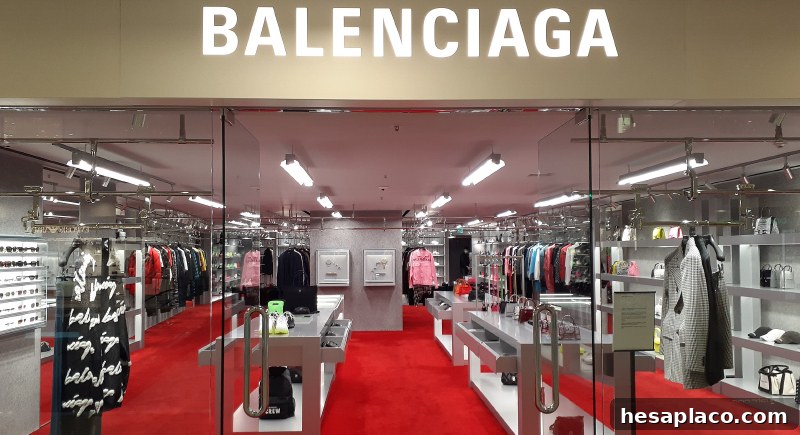
Balenciaga’s China-Based Production Under Branded Labels
Credit: Wikimedia Commons
Balenciaga, part of the Kering luxury group, has acknowledged some manufacturing in China. By performing final touches or assembly in Europe, the brand can continue to market products as authentically European-made while relying on lower-cost labor for earlier production stages. Although this practice is legal, it has attracted criticism for obscuring where the majority of labor and production costs are actually incurred.
Louis Vuitton and LVMH’s Supply Chain Secrecy Under Fire
Credit: Wikimedia Commons
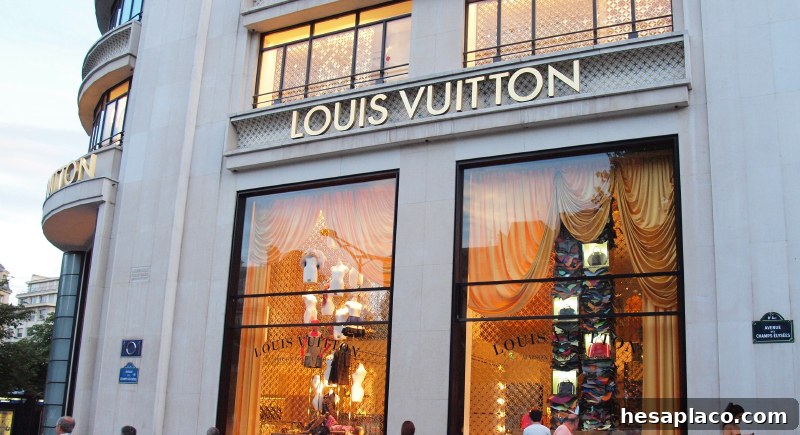
Louis Vuitton and parent company LVMH have faced criticism for limited transparency around their suppliers. Investigations and advocacy groups have pointed to instances where outsourced production and scarce public reporting make it difficult to verify working conditions. This secrecy has fueled questions about whether products promoted as artisanal and European-made fully reflect the realities of globalized supply chains.
Victoria’s Secret Factories Accused of Wage Theft and Abuses
Credit: Wikimedia Commons
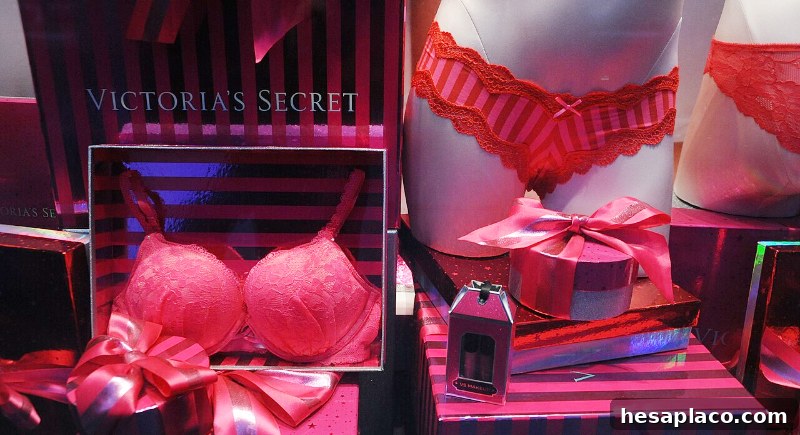
Although Victoria’s Secret maintains a published code of conduct and conducts supplier audits, reports from factories in Sri Lanka and Jordan have alleged wage theft and abusive treatment of workers producing lingerie for the brand. Labor organizations have called for stronger enforcement of standards, transparent audits, and concrete wage guarantees to ensure workers receive fair compensation and protection across the company’s global supply chain.
Across the luxury and fashion sectors, these examples highlight how branding, labeling, and strategic sourcing can mask the human and economic realities of production. Greater transparency, improved traceability, and robust independent audits would help consumers better understand where goods are made and under what conditions. For shoppers who care about labor standards, seeking out verified supply-chain information and supporting brands with clear, enforceable practices can help close the gap between marketing and the actual people who make luxury items.