
Retirement should be a time of greater freedom, relaxation, and enjoyment after decades of work. Yet, for many retirees, a handful of costly choices can turn that promise into a financial burden. Some purchases look appealing at first but become ongoing drains on savings and deliver little lasting benefit. Making thoughtful financial decisions helps retirement savings support the lifestyle you want rather than undermining it. Below are common splurges retirees often regret and practical ways to avoid those pitfalls.
The Dream Home That Becomes a Financial Drain

Credit: freepik
Bigger houses bring higher property taxes, rising utility bills, and more frequent maintenance needs. Aging roofs, HVAC units, and plumbing eventually require costly repairs. What once felt like comfort can quickly become a financial weight. Many retirees find that downsizing reduces expenses and frees up funds for travel, hobbies, or simply peace of mind.
Luxury Cars That Lose Value Fast

Credit: freepik
A brand-new luxury car is tempting, but vehicles depreciate quickly—often 20% to 30% in the first year—and luxury models can lose value even faster. Add higher insurance, premium fuel, and costly maintenance, and ownership becomes expensive. If a new car is a priority, consider late-model used vehicles or more fuel-efficient alternatives to limit depreciation and ongoing costs.
Vacation Homes That Sit Empty

Credit: freepik
A second home can be appealing but brings property taxes, upkeep, insurance, and occasional vacancy-related issues. When usage is infrequent, costs can quickly outweigh benefits. For many retirees, renting vacation properties for occasional stays is a more cost-effective and flexible option.
High-End RVs That Rarely Leave the Driveway

Credit: pexels
RVs promise adventure but often come with steep price tags—sometimes over $100,000—plus ongoing fuel, insurance, and maintenance costs. Many expensive RVs spend more time parked than on the road. If you’re unsure how often you’ll travel, renting an RV for occasional trips or joining a rental co-op can deliver the experience without long-term expense.
Risky Investments That Wipe Out Savings

Credit: freepik
Speculative investments such as cryptocurrency, penny stocks, or high-risk tech ventures can be devastating in retirement. Without steady income, significant losses are harder to recover. Financial professionals commonly recommend shifting toward stable, income-producing assets—dividend-paying stocks, municipal bonds, or laddered certificates of deposit—prioritizing capital preservation and reliable cash flow over high-risk growth.
Expensive Hobbies That Lose Their Appeal

Credit: pixabay
Costly hobbies—private golf club memberships, sailing, or luxury fitness programs—can feel like rewards but often lose their appeal. Boats require storage, insurance, fuel, and maintenance; golf clubs may have initiation fees and annual dues even if usage drops. Before committing, try renting equipment, taking short-term memberships, or borrowing to test whether the hobby fits your long-term interests.
Complete Home Renovations That Overpromise

Credit: freepik
Major renovations often exceed initial budgets and rarely return the full cost at resale. Instead of a complete overhaul, targeted improvements—energy-efficient appliances, accessible fixtures, or modest cosmetic updates—can improve comfort and safety while keeping expenses manageable.
Fancy Kitchen Gadgets That Go Unused

Credit: freepik
Air fryers, high-end espresso machines, and specialty cookers can be exciting, but many lose their novelty and end up gathering dust. These items also consume counter and storage space. Evaluate whether a gadget fills a consistent need—often, a quality knife and reliable cookware are more useful than a drawer full of single-purpose appliances.
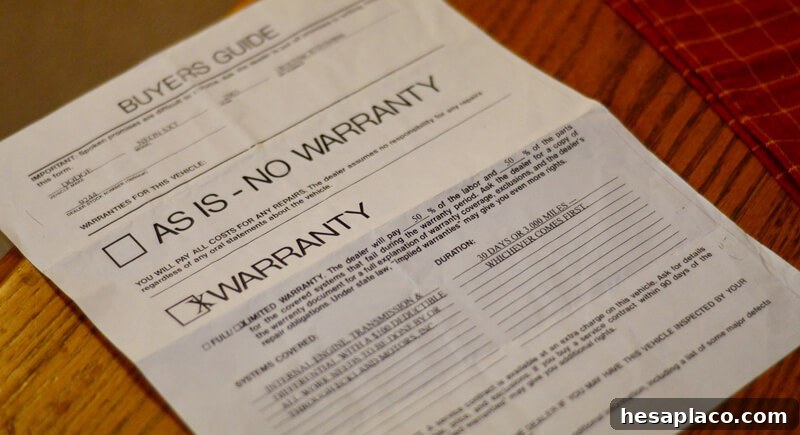
Extended Warranties That Rarely Pay Off
Credit: flickr
Retailers often promote extended warranties as protection, but many products don’t fail during the extended period and already include manufacturer coverage. Credit cards sometimes add extra protection too. Rather than buying extended plans, building a small repair fund gives you flexibility and often ends up cheaper than paying for warranties that go unused.
Private Club Memberships That Go Unused

Credit: flickr
Private club memberships can seem appealing but often become underused as interests change or travel and health affect routines. Ongoing dues add up to substantial annual costs. Only keep memberships that you use regularly and that clearly enhance your life.
Boats That Become More Work Than Fun

Credit: freepik
Owning a boat often means constant maintenance: cleaning, winterizing, repairs, and slip fees. For many retirees, what starts as recreation becomes a time-consuming chore. If you enjoy occasional boating, consider rentals or boat-sharing options that deliver the experience without year-round responsibility.
Expensive Travel Packages

Credit: freepik
Cruises, guided tours, and luxury resorts promise convenience but can include hidden costs—gratuities, port fees, and mandatory excursions—that make them more expensive than they first appear. The pace and structure of packages may also feel restrictive. Independent travel often offers greater flexibility and better value, especially if you seek deeper, slower experiences.
Home Gym Equipment That Collects Dust

Credit: freepik
Buying exercise machines can feel like a smart investment in health, but without consistent use they often become storage space. Fitness adherence commonly drops after a few months. Community classes, walking groups, or public recreation centers offer social, affordable alternatives that encourage ongoing activity.
Fancy Funeral Pre-Payments That Limit Choices

Credit: pixabay
Prepaid funeral plans can lock you into specific providers, often at inflated prices, and in some regions funds may not be fully protected if a company fails. Alternatives include setting aside money in a payable-on-death account or purchasing a modest life insurance policy designated for final expenses—both offer more flexibility and often better consumer protection.
Supporting Adult Children at Your Own Expense

Credit: Getty Images
Helping grown children can be meaningful, but ongoing financial support for rent, loans, or living expenses can erode retirement security. What begins as temporary assistance frequently extends for years. Set clear boundaries and consider structured, time-limited help or advice that encourages independence while protecting your financial future.
Timeshares

Credit: Getty Images
Timeshares promise affordable, recurring vacations but often come with rising maintenance fees, limited booking availability, and poor resale prospects. Many retirees find themselves paying annual costs even when travel slows. Carefully evaluate long-term costs and flexibility before committing to any timeshare agreement.
Retirement is best enjoyed when your spending supports a sustainable lifestyle. Prioritize choices that preserve capital, reduce recurring expenses, and align with your long-term goals. Thoughtful planning and small compromises can help you live a fuller, less stressful retirement without jeopardizing financial security.