
People often finance things they don’t truly need, and small decisions to spread payments over time can quickly become expensive. Paying interest or carrying balances for nonessential purchases eats into monthly budgets and long-term financial goals. Below are some of the most surprising and common items people borrow money to buy—expenses that are worth reconsidering before turning to credit.
Alcohol Purchases

Credit: Canva
A night out can feel affordable in the moment, but charging drinks to a card can lead to lingering interest charges. The short-term pleasure of a few drinks often results in long-term costs that remain long after the evening is over.
Specialized Tools for Rare Projects

Credit: pixelshot
Purchasing a niche tool for a single repair or project may seem practical, but those items often end up stored and unused. Financing a tool you’ll rarely use turns a one-time task into a long-running expense that shows up on future statements.
Spa Treatments

Credit: Dali Images
Spa treatments and luxury wellness services feel indulgent and restorative, but paying for them on credit can convert a brief sense of well-being into ongoing monthly obligations. When interest is added, the cost often outweighs the temporary benefit.
Car Repairs and Accessories

Credit: pixels
Essential repairs are sometimes unavoidable, and using credit can be reasonable in emergencies. But financing optional upgrades or flashy accessories rarely improves your vehicle’s value. These purchases can quickly become a lingering financial drag once the novelty fades.
Gambling Expenses

Credit: Netfalls
Betting with borrowed money magnifies financial risk. Losses don’t just reduce your bankroll—they become debts you must repay with interest. Relying on credit to gamble increases the likelihood of falling into a cycle of mounting balances and stress.
Tattoos
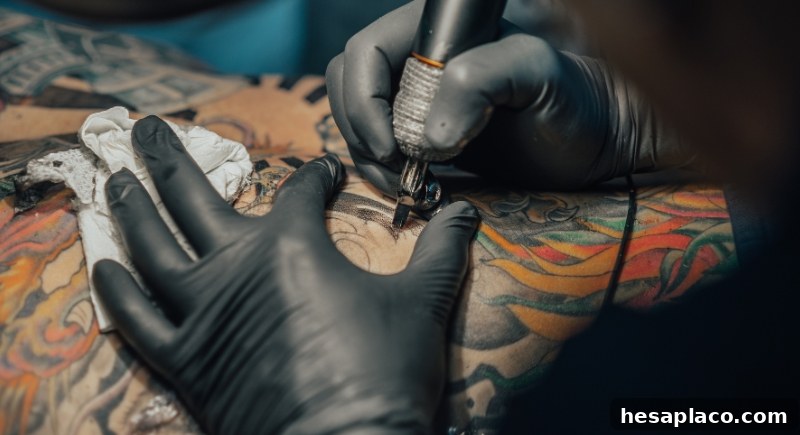
Credit: Getty Images
Body art is a deeply personal choice, but financing a tattoo adds an extra burden to what should be a meaningful one-time expense. The permanence of the art doesn’t justify turning it into long-term debt.
Illegal Activities

Credit: Getty Images
Using borrowed money for illegal purchases is risky on multiple levels. Beyond the obvious legal and moral issues, such transactions create records lenders can trace. The financial consequences can be severe and long-lasting.
Excessive Shoe Collections

Credit: Getty Images
Many people buy multiple pairs of shoes each year but often wear just a few. Charging trendy or impulse purchases can leave you paying for footwear that rarely gets used, turning fashion into unnecessary debt.
Home Exercise Equipment

Credit: pixelshot
Home fitness gear often starts with good intentions but falls into disuse. When expensive equipment is financed, it becomes both clutter and a recurring bill. If you’re not committed to consistent use, buying on credit is usually a poor financial choice.
Single-Use Kitchen Gadgets

Credit: pixels
Specialty appliances that serve a narrow purpose—like single-use dessert or sandwich makers—are frequently impulse buys. Financing them turns an occasional convenience into ongoing payments for items that often end up unused.
Stock Market Investments

Credit: baseimage
Borrowing to invest is risky because leverage amplifies both gains and losses. If investments decline, you still owe the borrowed funds plus interest. For most individual investors, using credit to buy stocks creates unnecessary financial vulnerability.
Cleaning Gadgets

Credit: Canva
High-tech vacuums and robotic cleaners promise to simplify chores, but they don’t always deliver enough value to justify financing. When you charge cleaning gadgets, the leftover balance can become a bigger problem than the chores they were meant to solve.
Lawn and Yard Games

Credit: pexels
Outdoor games and seasonal items bring fun but are typically used sparingly. Financing these purchases turns occasional entertainment into ongoing payments for items that spend most of the year in storage.
Cosmetic Procedures

Credit: studioroman
Elective cosmetic surgeries and treatments often deliver temporary results but can be expensive when financed. Turning cosmetic choices into long-term payments can add stress and impede other financial priorities.
College Living Expenses
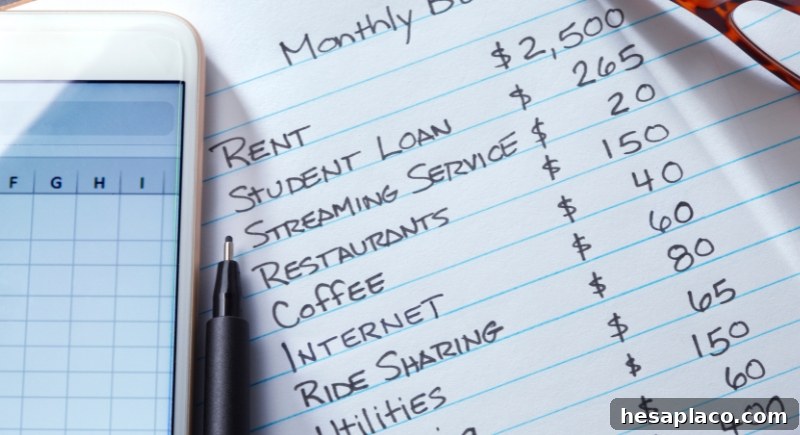
Credit: Getty Images
Student loans can be essential for tuition, but borrowing for off-campus living, takeout, or décor inflates debt beyond education costs. Stretching loans to cover lifestyle expenses often makes repayment heavier after graduation.
Takeout and Food Delivery Orders

Credit: Canva
Food delivery and takeaway are convenient, but financing meals turns daily consumption into ongoing bills. Paying for last week’s dinner over several months is rarely a wise use of credit and can quickly add up.
Fast Fashion Wardrobes
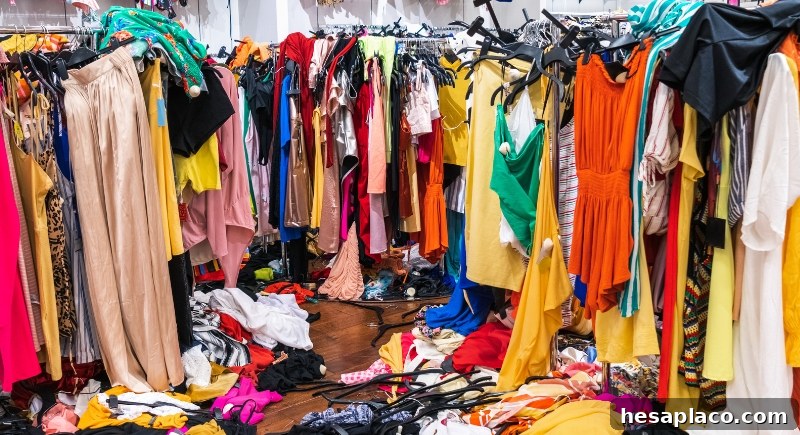
Credit: Getty Images
Cheap clothing and trend-driven purchases can accumulate, especially when retailers offer split payments. Although individual items may seem inexpensive, the overall bill can become significant—and some pieces lose appeal quickly after purchase.
Before deciding to finance any nonessential purchase, consider whether it will deliver lasting value or simply add another monthly payment. Prioritizing needs, saving for one-off items, and avoiding high-interest borrowing can help protect long-term financial health.