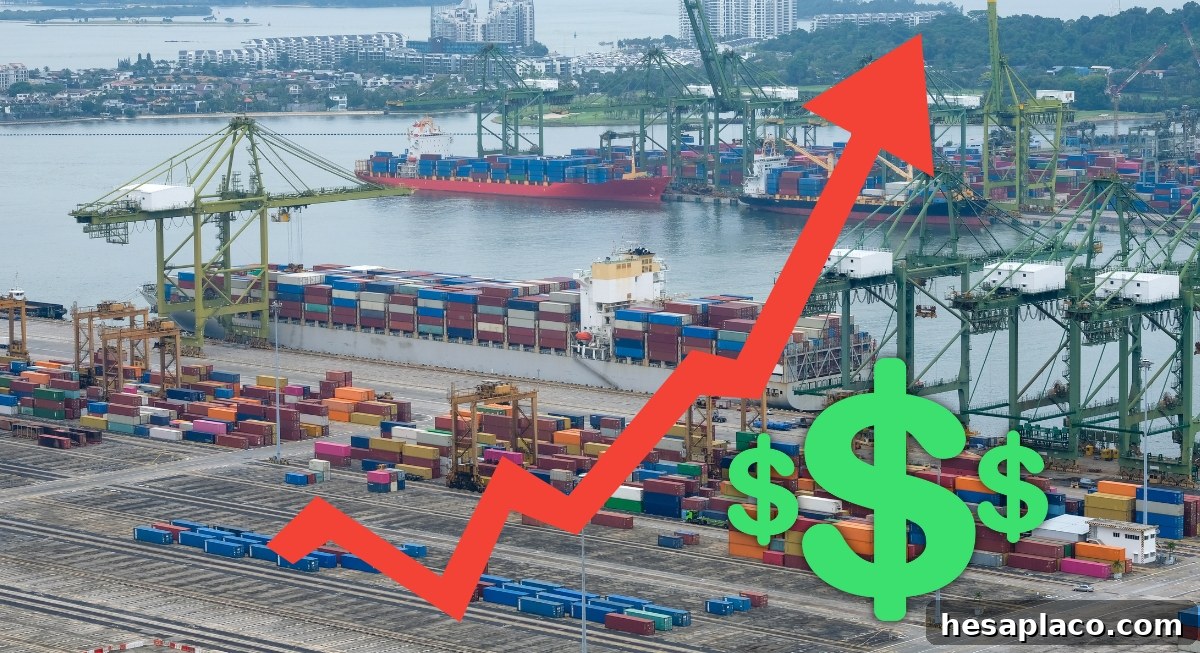
Price increases can catch anyone off guard, especially when tariffs are involved. Everyday items—from groceries and household staples to electronics and car repairs—can suddenly become more expensive. As trade policies shift and tensions rise, anticipating changes and taking a few practical steps can reduce the financial sting. With a clear, proactive plan you can protect your budget and feel more prepared when prices start to climb.
Refinance Loans Before Rates Rise

Credit: Getty Images
Tariffs and the inflationary pressures they can trigger often push interest rates higher. If you have an adjustable-rate mortgage, variable student loans, or credit card debt tied to changing rates, refinancing to a fixed rate can lock in predictable payments and reduce long-term interest costs. Act before markets respond and lenders tighten loan availability or raise rates on new offers.
Stock Up on Shelf-Stable Imports

Credit: iStockphoto
Many pantry staples travel long distances before reaching your kitchen—olive oil, canned fish, spices, coffee, rice, and certain noodles are often imported. When tariffs increase, those products are among the first to reflect higher costs. Buying extra of nonperishable favorites when prices are stable can be a cost-effective hedge and reduce the need to pay elevated prices later.
Rethink Major Purchases That Rely on Imported Parts

Credit: Canva
Many big-ticket items are assembled domestically but contain imported components: microchips, fasteners, or specialized fittings. Tariffs on those parts can noticeably raise final sale prices. If you were planning to replace major appliances or buy a new vehicle, consider whether repairing or delaying the purchase makes sense until price signals stabilize.
Shift Investments Toward Lower-Volatility Sectors

Credit: Getty Images
Trade disputes and tariff headlines can increase market volatility. Historically, sectors like utilities, consumer staples, and healthcare show more stability in turbulent times. Rebalancing a portion of your portfolio toward these lower-volatility areas—while maintaining diversification—can help reduce exposure to sharp swings driven by trade policy shifts.
Keep Cash or Liquid Savings for Flexibility

Credit: Syda Productions
Maintaining a cushion in a high-yield savings account, money market, or short-term Treasury instruments gives you runway when prices spike. Cash isn’t only for emergencies—it also lets you act quickly on bargains or necessary purchases when others may be constrained. Aim for liquidity without sacrificing returns where possible.
Cut or Pause Unnecessary Subscriptions

Credit: Canva
Small monthly charges add up quickly—streaming services you hardly use, premium apps, or recurring snack-box subscriptions can quietly drain your budget. Reviewing and canceling underused services is an easy way to free up cash when the cost of daily life is under pressure from tariffs and inflation.
Consider Inflation-Resistant Assets

Credit: pexels
Assets designed to hold value during inflationary periods can be useful complements to a portfolio. Gold has long been seen as a store of value, while Treasury Inflation-Protected Securities (TIPS) directly adjust with inflation. These options aren’t a cure-all, but they can help protect purchasing power when tariffs push prices higher.
Shop Around for Big-Ticket Items

Credit: iStockphoto
Sellers respond differently to tariff changes: some absorb higher costs for a time to remain competitive, while others pass them immediately to consumers. When buying appliances, electronics, or furniture, compare prices across local stores and online retailers. You may find sellers offering pre-tariff pricing, clearance inventory, or temporary discounts that reduce the impact on your wallet.
Delay Travel Plans If Prices Rise

Credit: Getty Images
Airfares, hotel rates, and travel-related services can react quickly to supply-chain disruptions and higher costs for imported goods. If your trip is flexible, postponing travel until fares stabilize can save money. In the meantime, use reward points, miles, or travel deals to stretch your budget while markets adjust.
Make Small Upgrades Before Prices Rise

Credit: pexels
Everyday items—light bulbs, printer ink, batteries, small hardware, and gardening supplies—often include imported materials and can become noticeably pricier during tariff surges. Stocking up on a modest supply of these essentials when prices are normal is a simple, low-cost way to avoid paying more later.
Tariffs and trade tensions can influence many parts of daily spending and long-term financial planning. By reviewing loans, building a bit of liquid savings, adjusting investment exposure, and making selective purchases ahead of price shifts, you can reduce the immediate impact on your household budget. Small, timely actions often add up to meaningful savings and greater peace of mind when the economic backdrop changes.