Long before labor laws, sanitation systems, or modern safety standards, entire societies relied on jobs that most people avoided. These occupations meant constant contact with disease, heat, filth, or danger. Prestige did not always bring comfort, and usefulness rarely guaranteed respect.
Still, many took these roles out of necessity—because they had to earn a living.
Groom of the Stool

Credit: Youtube
Attending a monarch’s toilet needs sounds absurd today, but the Groom of the Stool was once one of the most trusted attendants in a royal household. This person helped with toileting, hygiene, and dressing, and because of the intimacy of the role, they often learned personal and political secrets. That access translated into real influence at court, giving the groom power disproportionate to the job’s outwardly menial tasks.
Wool Fuller
Credit: Wikimedia Commons
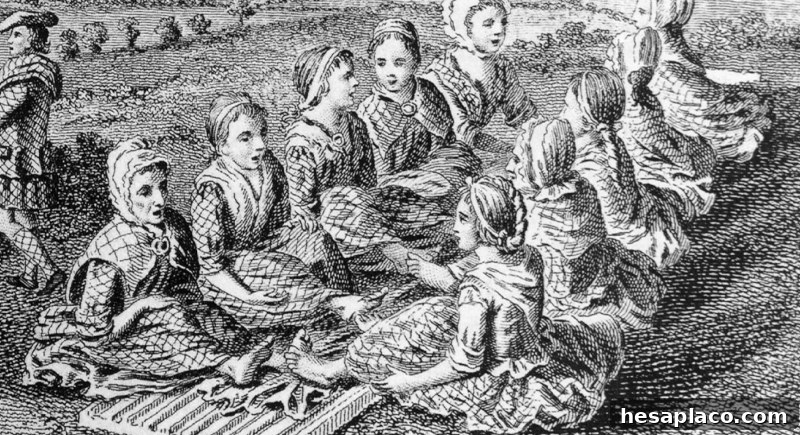
Fullers processed raw wool by kneading and trampling it in vats of stale urine. The ammonia in urine helped remove grease and dirt and scoured the fibers, improving texture and durability. The work required standing for hours in fetid liquid and inhaling pungent fumes, which made it physically taxing and hazardous. For centuries across Europe, this unpleasant task was essential to produce quality cloth.
Plague Bearer
Credit: Wikimedia Commons
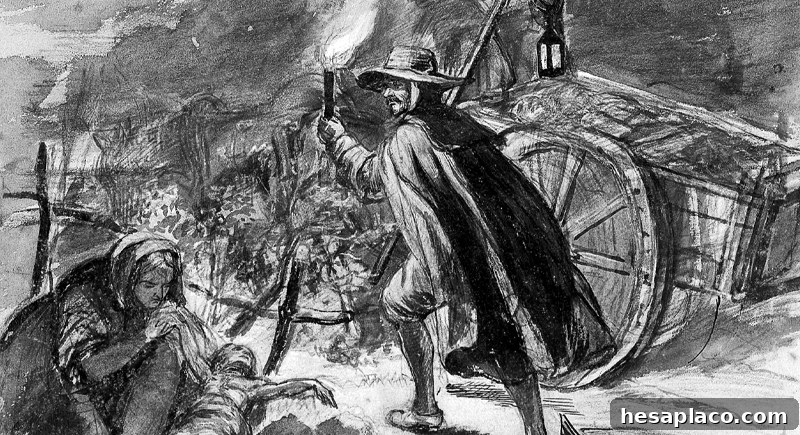
When the plague struck London in 1665, plague bearers were hired to remove and bury the dead. They handled decomposing bodies, endured overwhelming odors, and faced constant risk of infection. To protect the rest of the population, many of these workers lived separately from their communities, stigmatized for their proximity to disease despite performing an indispensable public service.
Tosher
Credit: Wikimedia Commons
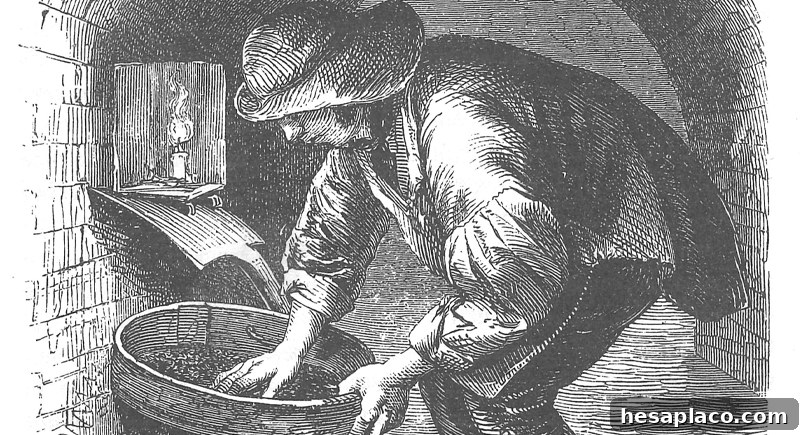
Toshers were scavengers who searched London’s sewers for coins, scrap metal, and anything of value. After sewer scavenging was outlawed in the mid-19th century, they worked clandestinely at night, using lanterns to find salvageable goods. Their work carried hazards: noxious gases, rat attacks, and sudden floods. Yet some earned more than many lawful laborers, making the risks worthwhile for desperate men.
Pure Finder
Credit: Youtube
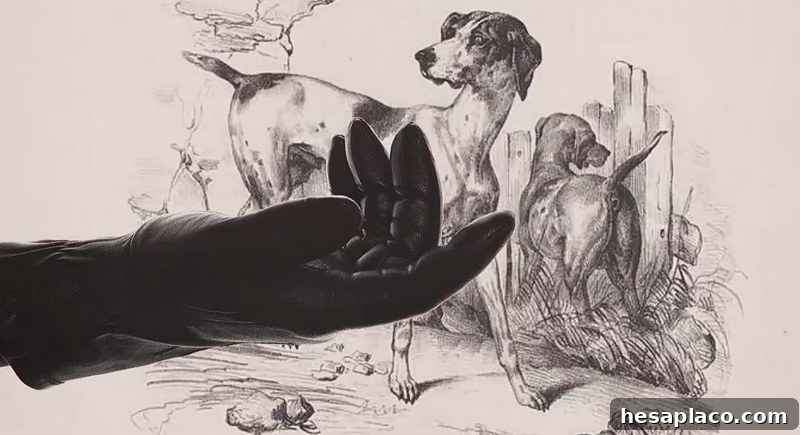
In 19th-century tanneries, “pure”—dog feces—was valued for softening hides. Pure finders walked the streets collecting dog droppings to sell to tanners. Initially that trade paid well because few were willing to do it, but as more people entered the market, wages fell and competition grew. The job remained filthy and smelly, yet it supplied an important raw material for leather production.
Petardier
Credit: Wikimedia Commons
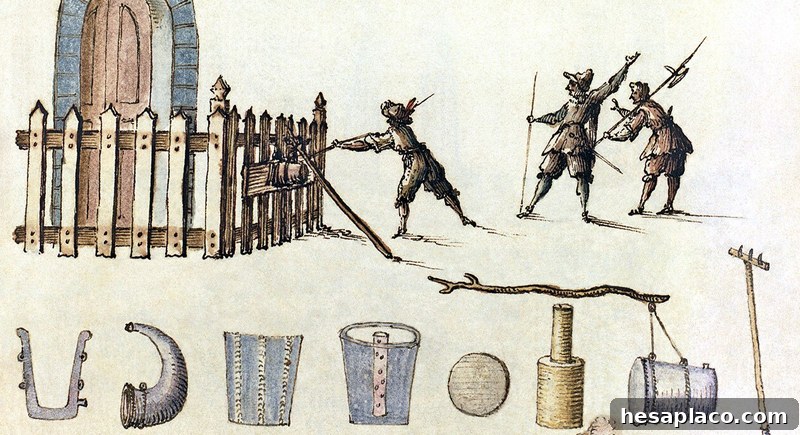
Petardiers were military engineers tasked with breaching enemy walls using explosive charges called petards. They hauled heavy, unstable devices toward fortifications during sieges, often under enemy fire. The explosives frequently detonated prematurely, killing or maiming their handlers. The danger of being “hoisted by his own petard” was literal for these soldiers, whose work was indispensable but extraordinarily perilous.
Gong Farmer
Credit: Wikimedia Commons
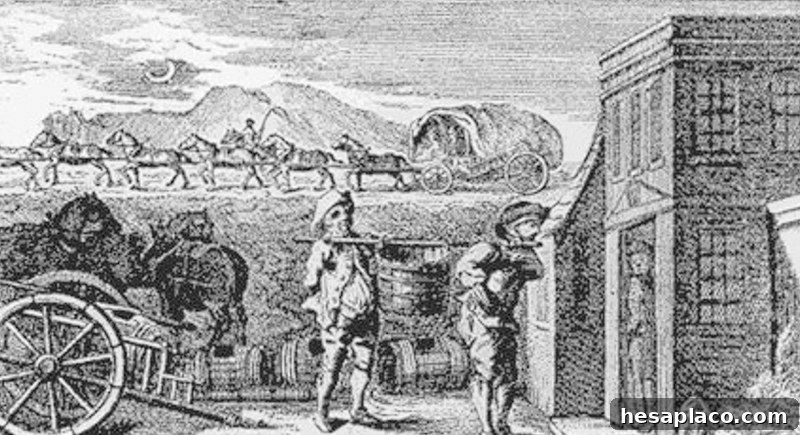
Gong farmers emptied cesspits beneath public latrines, usually by night. They shoveled human waste into carts and transported it beyond city limits, often navigating narrow streets and hauling heavy loads. Methane and other gases made the work dangerous, and the pervasive stench clung to their clothes and skin. Despite its essential role in sanitation, the job was socially despised.
Sin Eater
Credit: Reddit
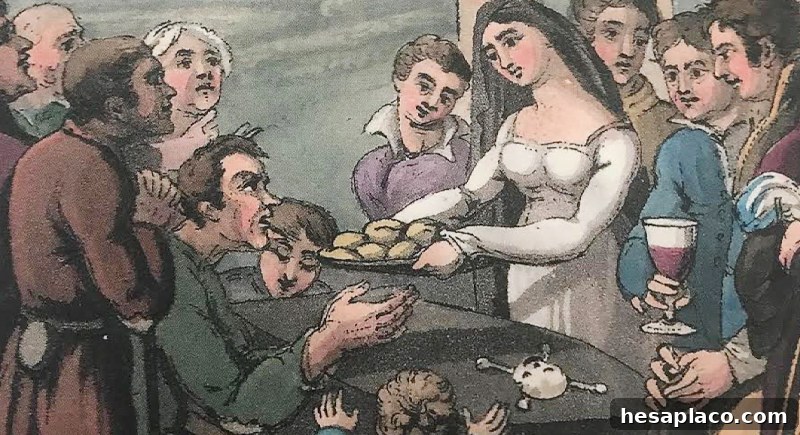
In some rural British communities during the 18th century, a ritual practice held that consuming bread placed on a corpse could absorb the deceased’s sins. Sin eaters were paid to eat that bread, symbolically taking on the wrongdoings of the dead so the family could bury a “cleansed” soul. In return for this service, sin eaters were feared and shunned, thought spiritually contaminated and socially marginalized.
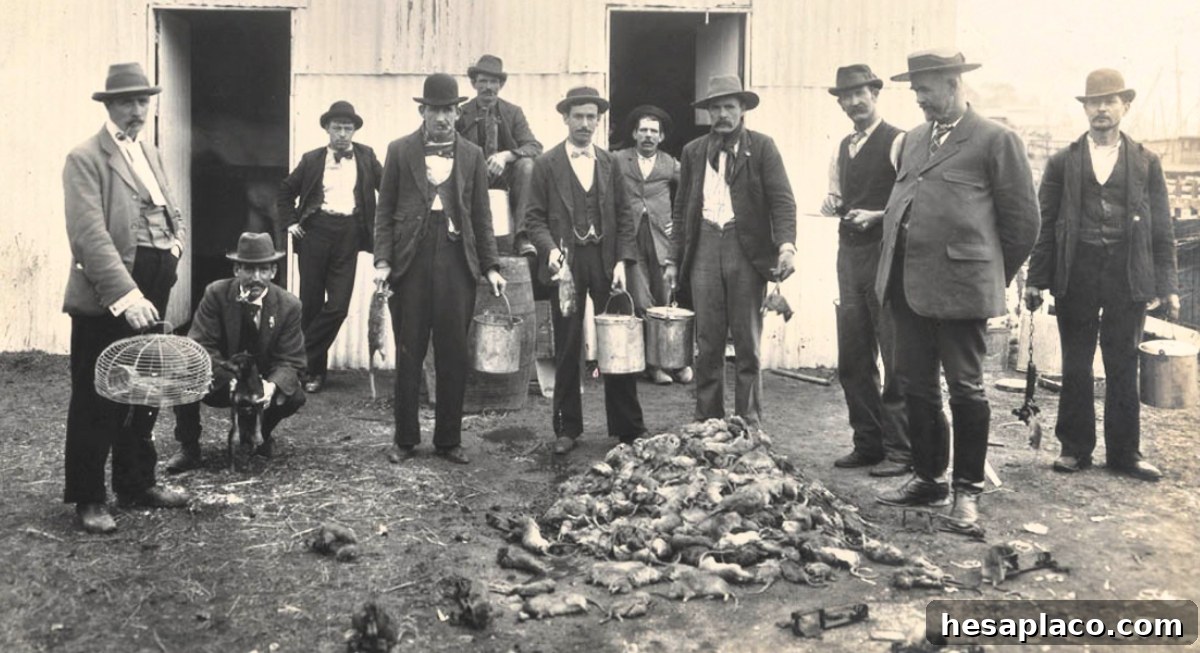
Rat Catcher
Credit: Wikimedia Commons
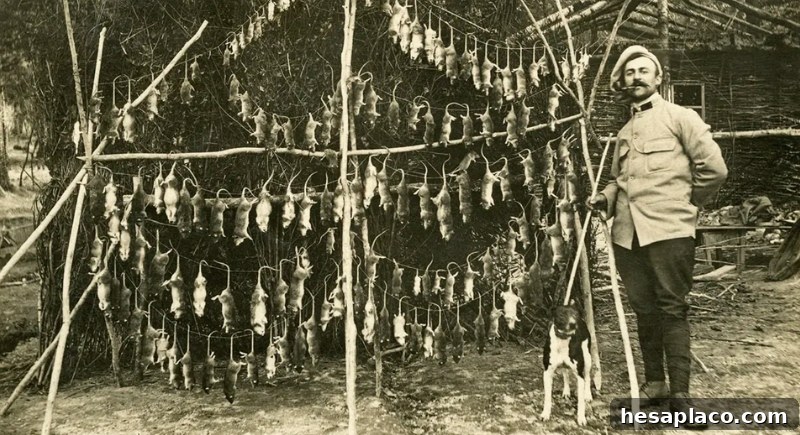
Before widespread pest control, rat catchers kept cities livable by trapping rodents with speed and skill, often using their bare hands. They applied oils or baits to lure rats out, then captured them alive for payment per tail or carcass. The work frequently led to bites and infections. Some rat catchers sold unusual specimens to the wealthy as curiosities or to taverns for betting and fighting; one famous example, Jack Black, served Queen Victoria as a royal rat catcher and bred specialty rats.
Lime Burner
Credit: The French-Canadian Genealogist
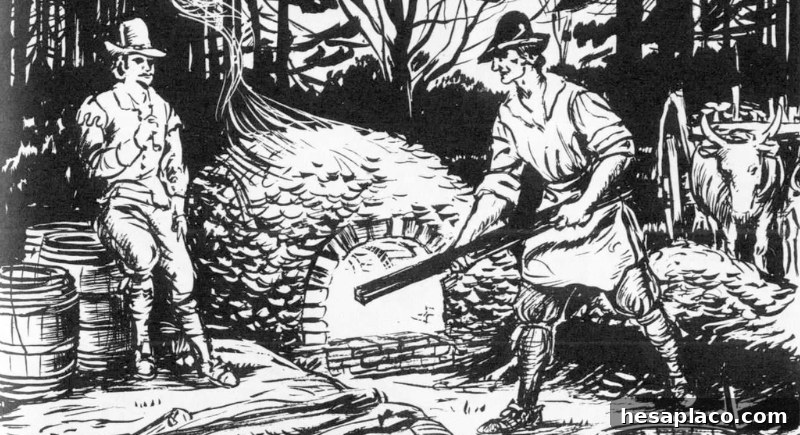
Lime burners produced quicklime by heating limestone in kilns to temperatures around 800°C. Extended exposure to intense heat, airborne lime dust, and toxic fumes caused burns, chronic respiratory problems, and permanent lung damage. Workers stood close to open flames and inhaled carbon monoxide and chalk particles for long shifts, often without any protective gear, making the job both exhausting and hazardous.