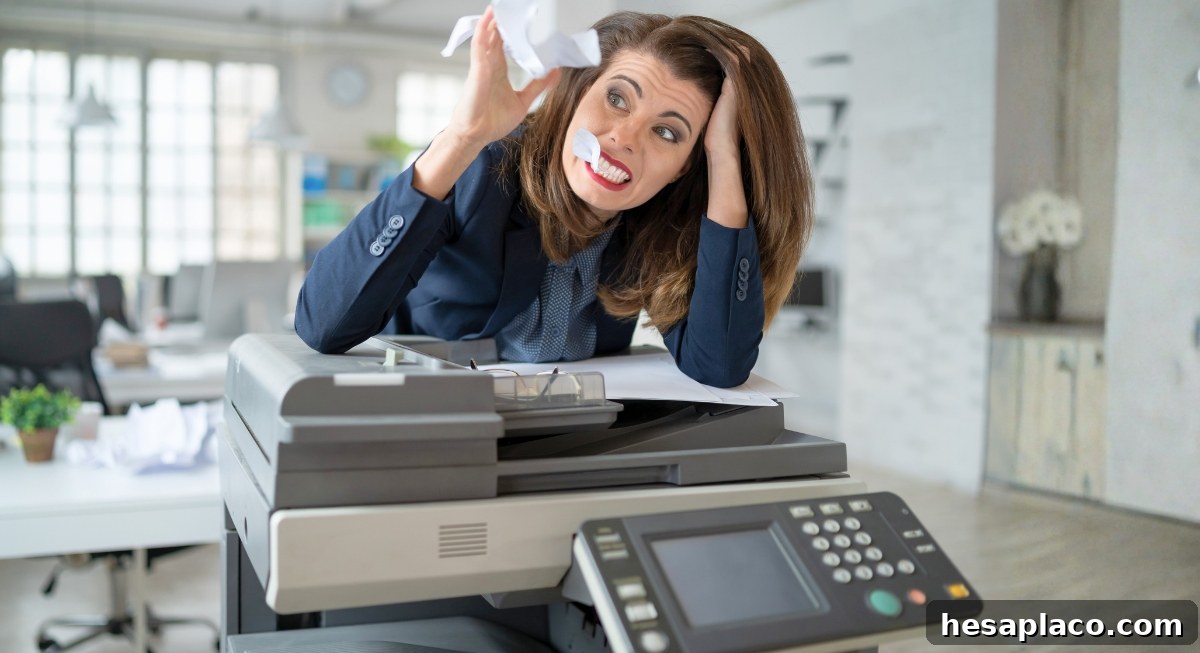
If you worked long enough in an office, you’ve probably experienced routines that made simple tasks more complicated than they needed to be. Processes required extra steps, depended on catching people at the right moment, and relied on equipment that didn’t always cooperate. At the time, these practices felt normal; looking back, many of them seem unintentionally amusing given how easily the same work is completed today.
Rolodexes and Desk Clutter
Credit: Wikipedia
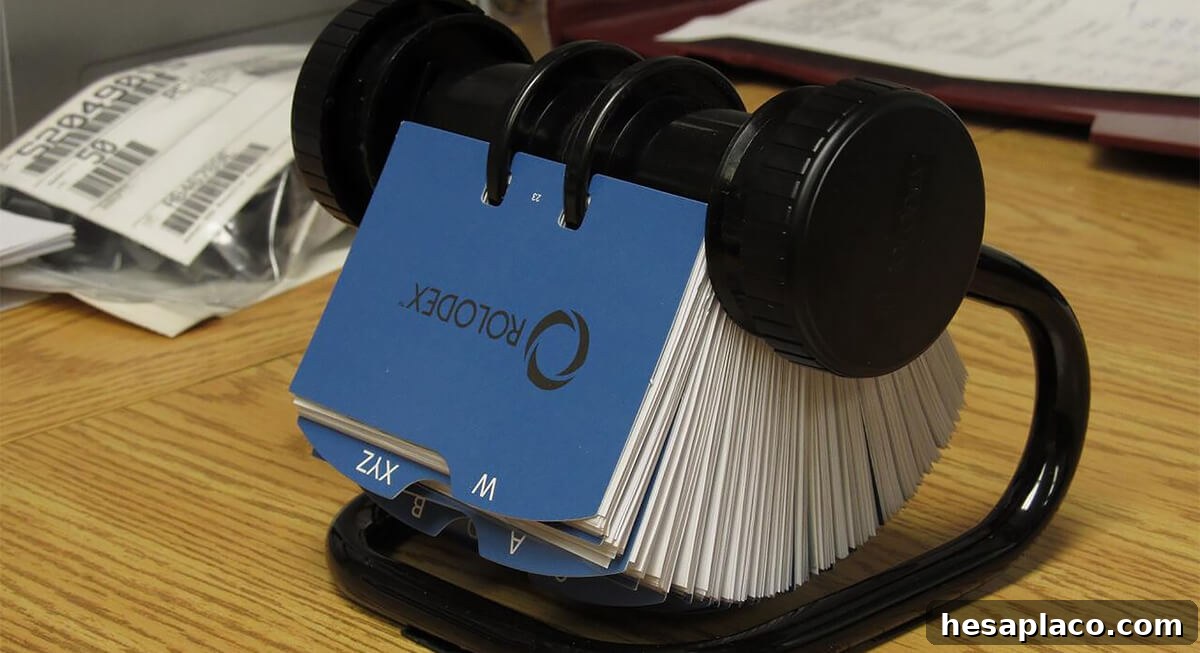
Before digital contact lists, many offices relied on a Rolodex. Reaching for the right card often felt like a small gamble: flip too slowly and you’d waste minutes hunting for a number. Desks were cluttered with sticky notes, loose papers and printed memos that felt too important to discard. Those piles gave the workspace a lived-in, chaotic look and turned minor lookups into time-consuming rituals.
Overhead Projector Struggles
Credit: Wikimedia Commons
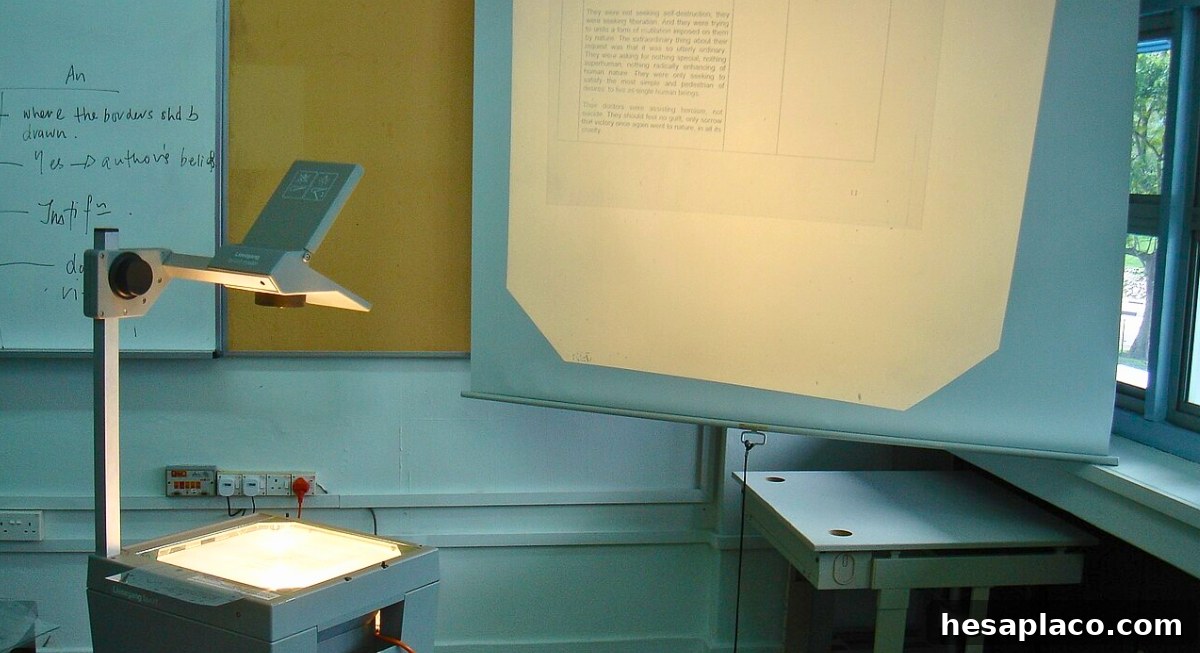
Many meetings began with a small crisis: wrestling with the overhead projector. Positioning the transparency, aligning the light, and stopping glare felt fiddly. Adjustments often made the projected image worse before they made it better, and impatient minutes ticked by while everyone watched the presenter troubleshoot. It was a communal form of delay everyone accepted as part of a presentation.
Fax Machine Drama
Credit: Getty Images
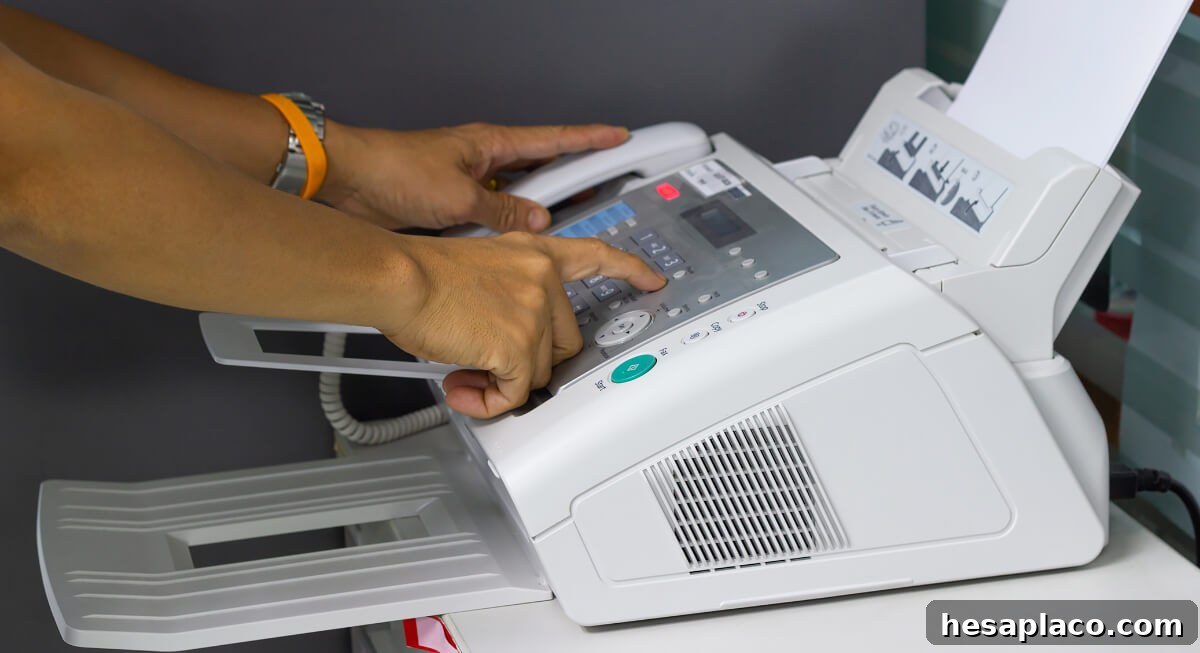
Sending a fax was rarely seamless. You fed a sheet into the machine, listened to beeps and whirs, and hoped the remote line stayed connected. Jams or poor transmissions turned a routine task into a team effort to clear rollers and re-send pages. Watching a document print out line by line took time, and once email became common, the whole noisy, fragile fax workflow quickly lost its appeal.
Water Cooler Gossip Chains
Credit: Canva
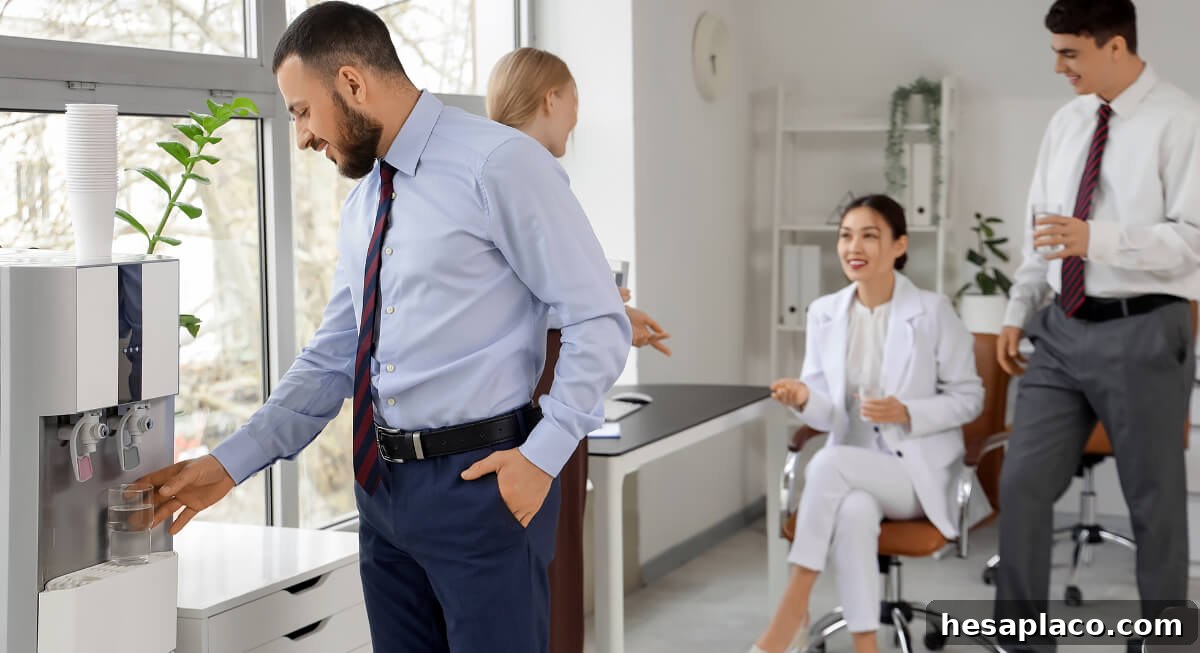
The water cooler was an informal communication hub. Instead of checking a group chat, people walked over to share updates, gossip or quick questions. Conversations moved from practical news to personal topics in seconds, and information circulated quickly because many employees passed the area regularly. Those chance encounters helped build workplace bonds in a way that scheduled digital messages rarely replicate.
Everyone Crowding One Desk to Laugh at Something Small

Credit: Getty Images
A tiny mistake or an amusing email could draw a crowd in seconds. Someone discovered a hilarious typo or an odd message and coworkers clustered around the screen to see for themselves. The crowd grew organically until half the office stood shoulder to shoulder, and work paused without anyone formally calling for a break. Those spontaneous moments created memorable office scenes.
AOL Messenger Pings
Credit: Youtube
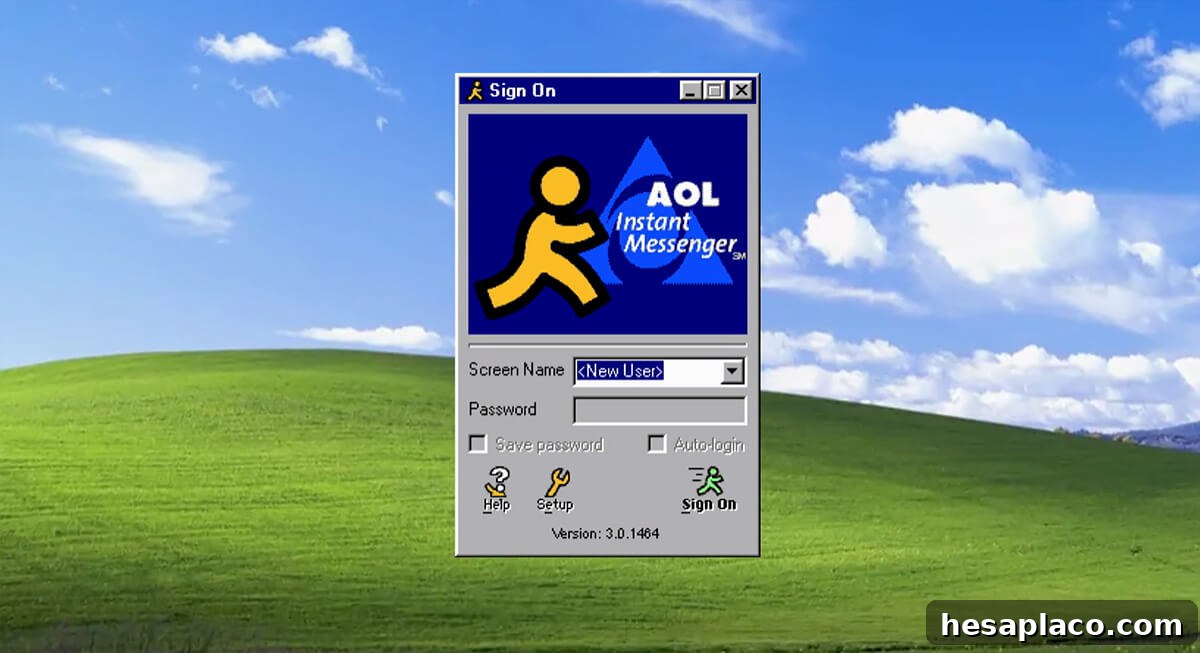
When AOL Instant Messenger was open, the office had a soundtrack of sharp pings. Those notification sounds cut through conversations and alerted everyone that a new message had arrived. People didn’t always check every message, but the constant noise created a sense of immediate connectivity. Today’s quieter push notifications keep teams informed without filling the room with constant beeps.
Mailing Resumes and Waiting by the Phone
Credit: Canva
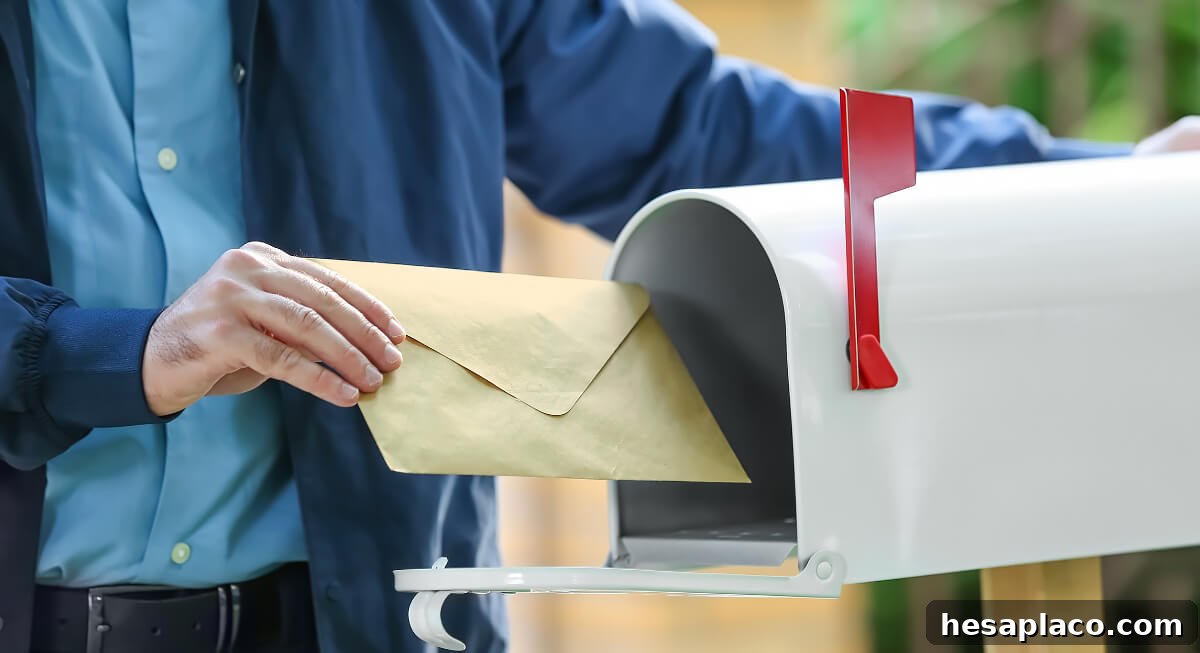
Job hunting used to require more patience. You printed and mailed your resume, then stayed near the phone in the hope of an incoming call. With no tracking, confirmation emails, or application portals, much of the process felt like waiting in the dark. Missing a single phone call could mean losing an opportunity, which made the waiting period tense and uncertain.
Group Problem-Solving Around One Screen
Credit: Imágenes de unaihuizi
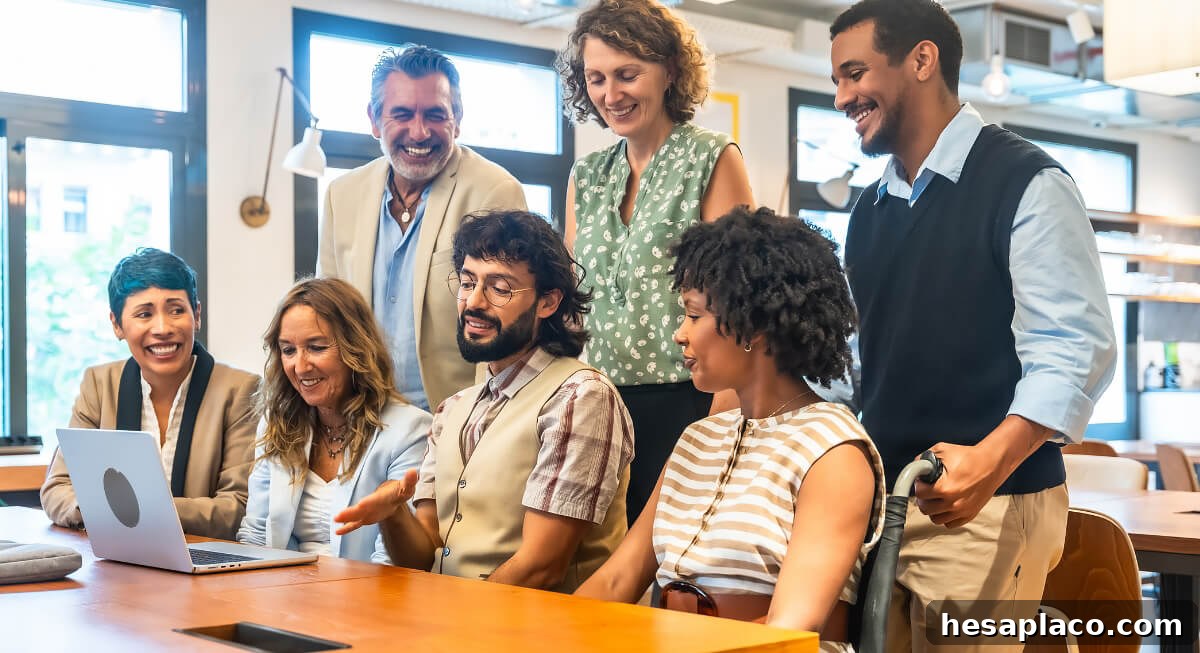
Technical problems often prompted in-person collaboration. Rather than searching online forums or sending a message, someone asked a colleague to come over and take a look. A small group would cluster around a single monitor, offering suggestions and troubleshooting in real time. Those sessions were messy but effective, and they reinforced a culture of hands-on, communal problem-solving.
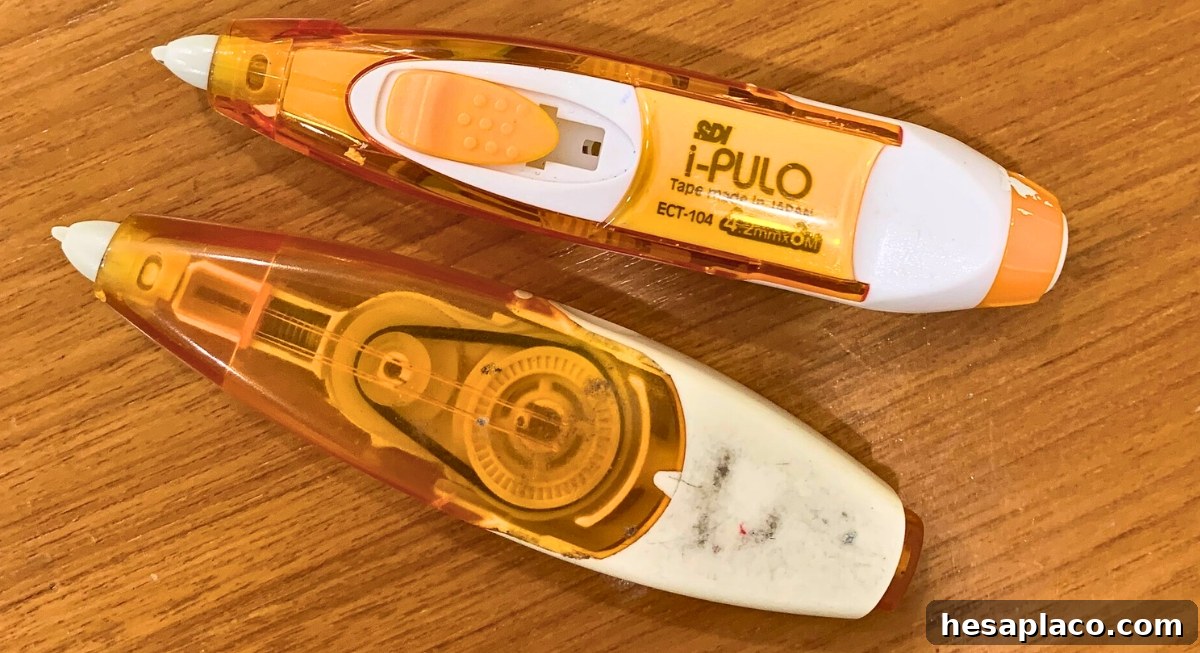
White-Out Fixes on Important Documents
Credit: Wikimedia Commons
Corrections used to be literal edits with white-out or correction tape. A single visible correction might require reprinting the entire page to maintain a professional appearance. Reports often carried small patches of dried white-out as evidence of last-minute changes. Digital editing eliminated that visible mess, streamlining document preparation and making clean revisions the norm.
Wild Office Parties with No Digital Trail

Credit: pexels
Office celebrations felt freer because there was no digital record. People could let loose without worrying about every moment being photographed or shared. The lack of cameras and instant posting made those gatherings feel more private and spontaneous, and memories from those nights were carried forward as stories rather than endless online posts. Today, with phones always present, office events are more curated and self-aware from the start.
In short, the workplace of the past was full of small rituals and shared inconveniences that now seem quaint. Many of those habits built camaraderie and shaped daily rhythms, even when they made simple tasks slower. Technology has smoothed many inefficiencies, but it also changed how people interact, solve problems and remember the workplace experience.