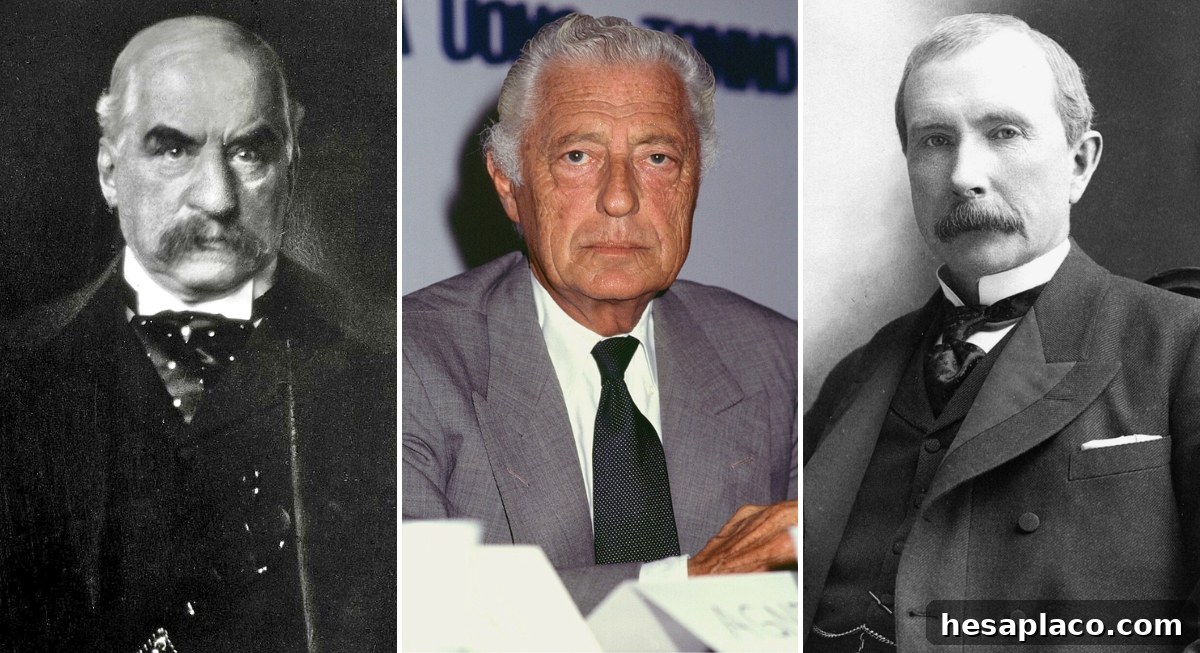
Most wealthy families eventually lose influence as industries evolve and fortunes become divided across generations. Yet some dynasties have maintained power for decades by investing strategically, establishing trusts, cultivating political connections, and holding significant corporate stakes. Today, many of these names continue to carry weight in business, finance, media, philanthropy, and elite social circles worldwide.
The Wallenbergs

Credit: Wikipedia
Sweden’s Wallenberg family has wielded considerable influence while largely avoiding the spotlight. Much of their power flows through Investor AB, the investment company they founded in 1916. As of March 31, 2026, Investor AB reported an adjusted net asset value of SEK 1,125.1 billion. The Wallenbergs favor a discreet approach, shaping industry decisions and holding major investments rather than courting public attention.
The Rothschilds
Credit: Wikimedia Commons
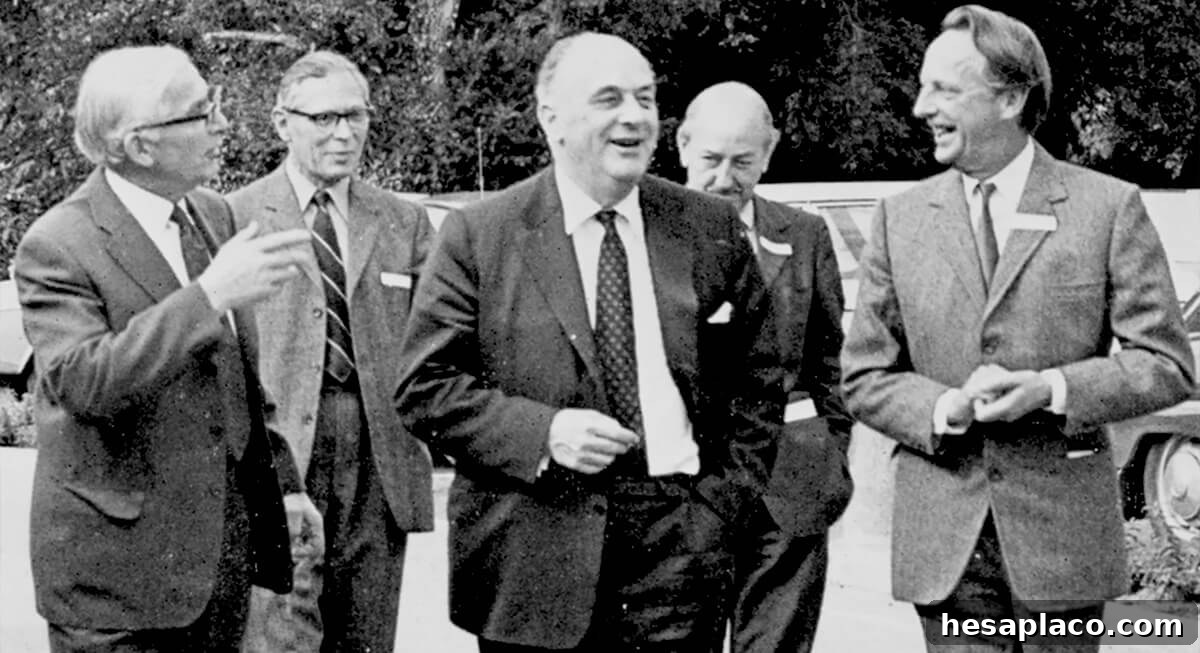
The Rothschilds gained prominence through banking operations spanning multiple European countries. Different branches of the family provided financing and secure money transfers for governments and businesses, creating trusted financial networks. The family name remains active today through Rothschild & Co, where Alexandre de Rothschild serves as executive chairman, continuing the legacy in international finance.
The Agnellis
Credit: Wikimedia Commons
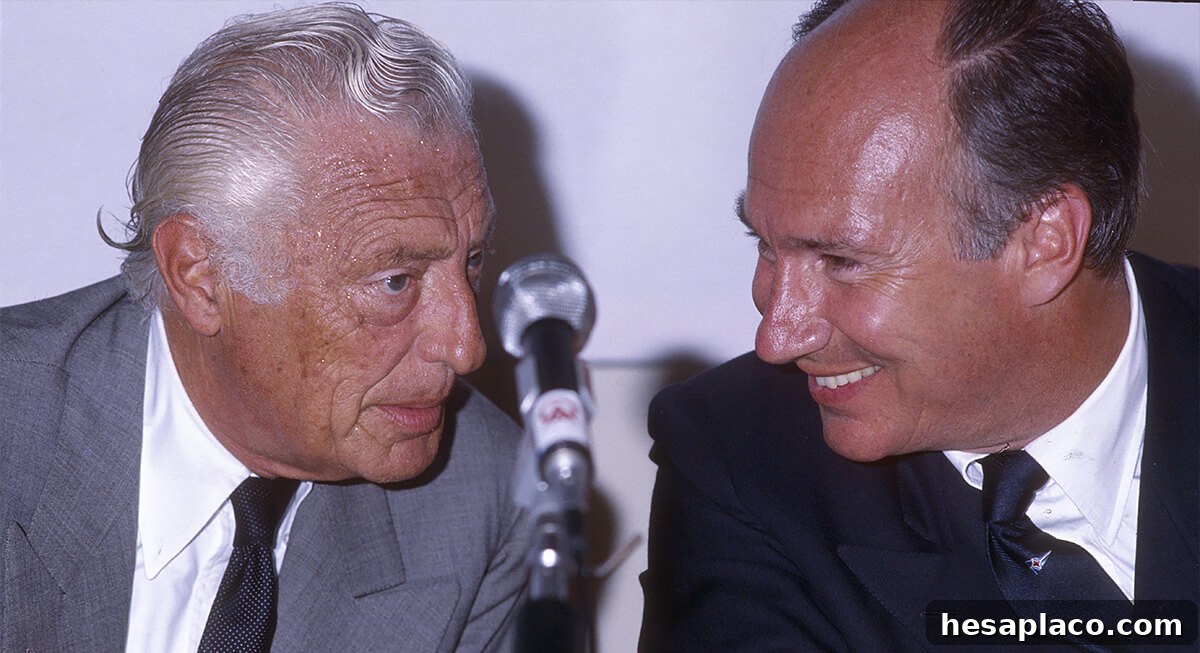
The Agnelli family built its reputation around Fiat, but the modern strategy has been diversification. Under John Elkann, holding company Exor has expanded beyond its automotive roots, assembling a broader portfolio that includes Ferrari, Stellantis, Juventus, and other major assets. The Agnellis’ story is one of reinvention—moving from factory floors to global capital and varied industrial interests.
The Rockefellers

Credit: Wikimedia Commons
John D. Rockefeller’s Standard Oil empire reshaped American business in the late 19th and early 20th centuries. After the company was broken up in 1911, the Rockefeller fortune pivoted toward philanthropy. The Rockefeller Foundation, founded in 1913, has supported public health, education, conservation, and policy work, donating the equivalent of billions in modern dollars. That philanthropic legacy has kept the family name prominent in public life.
The Du Ponts

Credit: Wikipedia
The Du Pont family established its fortune with a gunpowder business founded in Delaware in 1802. Over time, the company diversified into chemicals and industrial manufacturing, becoming a central player in American industry throughout the 20th century. The Du Pont name remains tied to manufacturing history, Delaware institutions, historic estates, and cultural sites like the Hagley Museum and Library.
The Mellons
Credit: Wikipedia
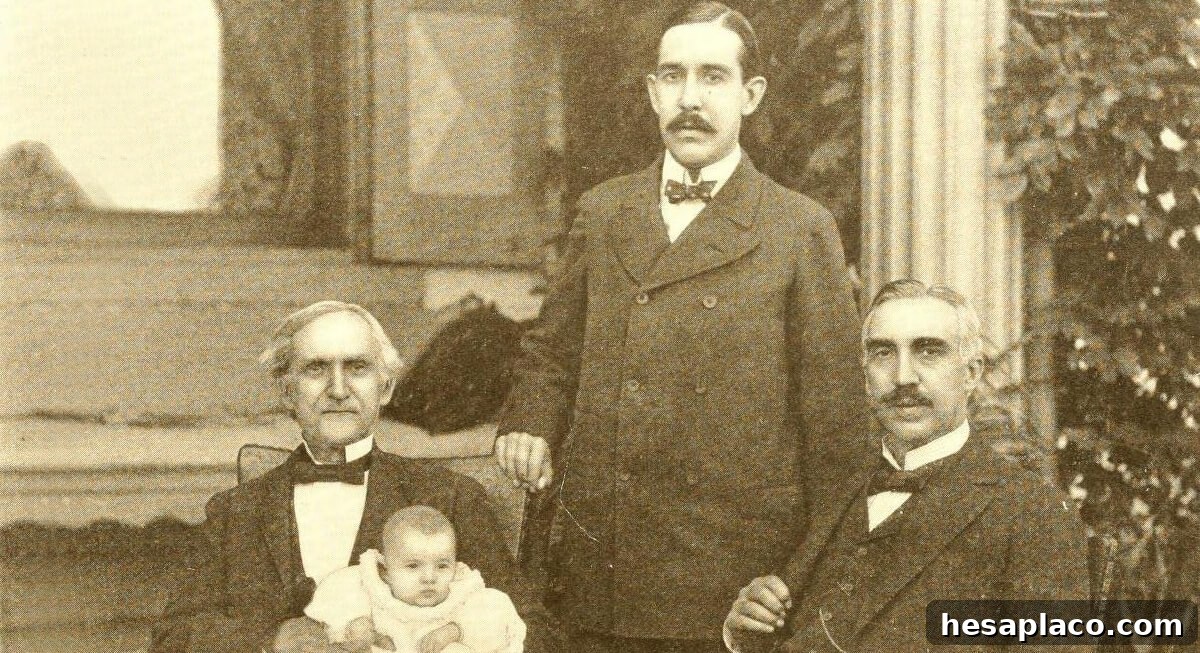
The Mellon family is closely associated with Andrew Mellon, who built wealth in banking and industry before serving as U.S. Treasury secretary from 1921 to 1932. The family’s combination of private wealth and public service is notable. The Mellon Foundation, established in 1969, has become a major funder of the arts, higher education, and humanities, reinforcing the family’s cultural and philanthropic influence.
The Morgans

Credit: Wikipedia
J.P. Morgan was a central figure in an era when financiers could marshal vast resources to stabilize markets. During the Panic of 1907, Morgan organized private-sector support alongside other bankers and the Treasury, a precursor to modern central banking interventions. The Morgan family no longer controls JPMorgan Chase, but the name remains foundational in American finance and its history.
The Hermès Family

Credit: Wikipedia
Luxury houses must protect their heritage from takeover attempts, and Hermès is a prime example. After LVMH built a significant stake, the Hermès family strengthened control through structures like H51 to preserve long-term family ownership. The brand’s public image—handbags, scarves, and signature orange boxes—masks a careful corporate architecture designed to keep the company in family hands.
The Mars Family
Credit: Eventing Nation
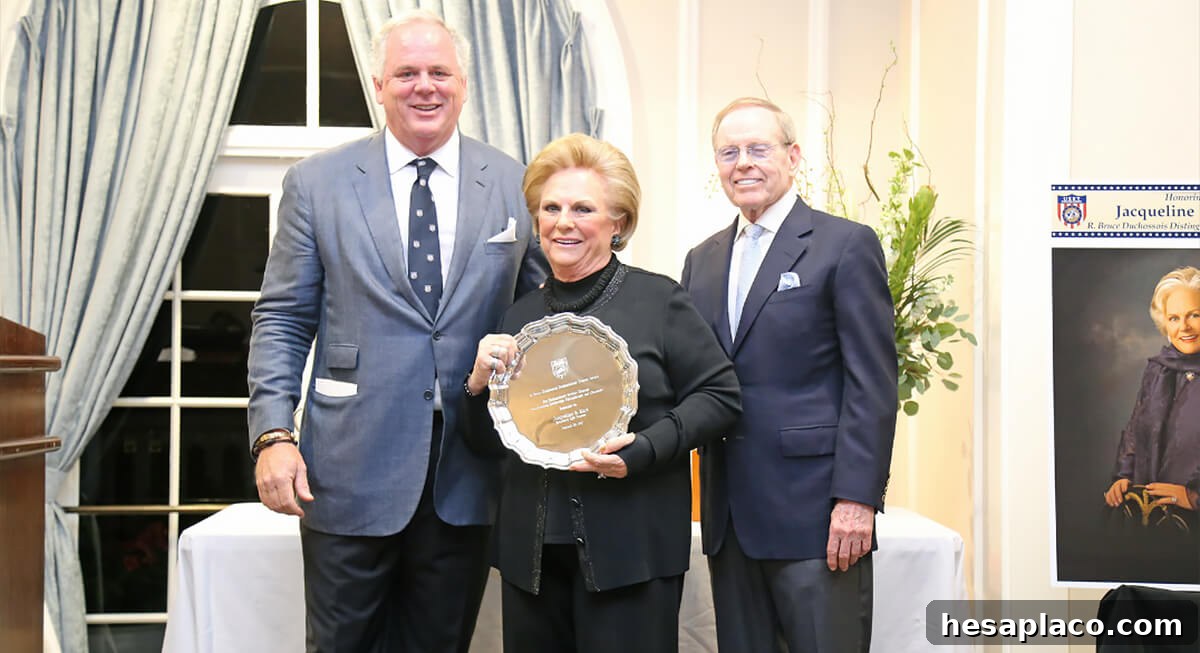
What began as a candy business has grown into a diversified, privately held company. The Mars family has retained control in part by keeping the business private, allowing it to take a longer-term view free from quarterly market pressures. Beyond confectionery, Mars has expanded into pet care, with operations in veterinary care, nutrition, diagnostics, and DNA testing across more than 130 countries.
The Tatas
Credit: The Economic Times
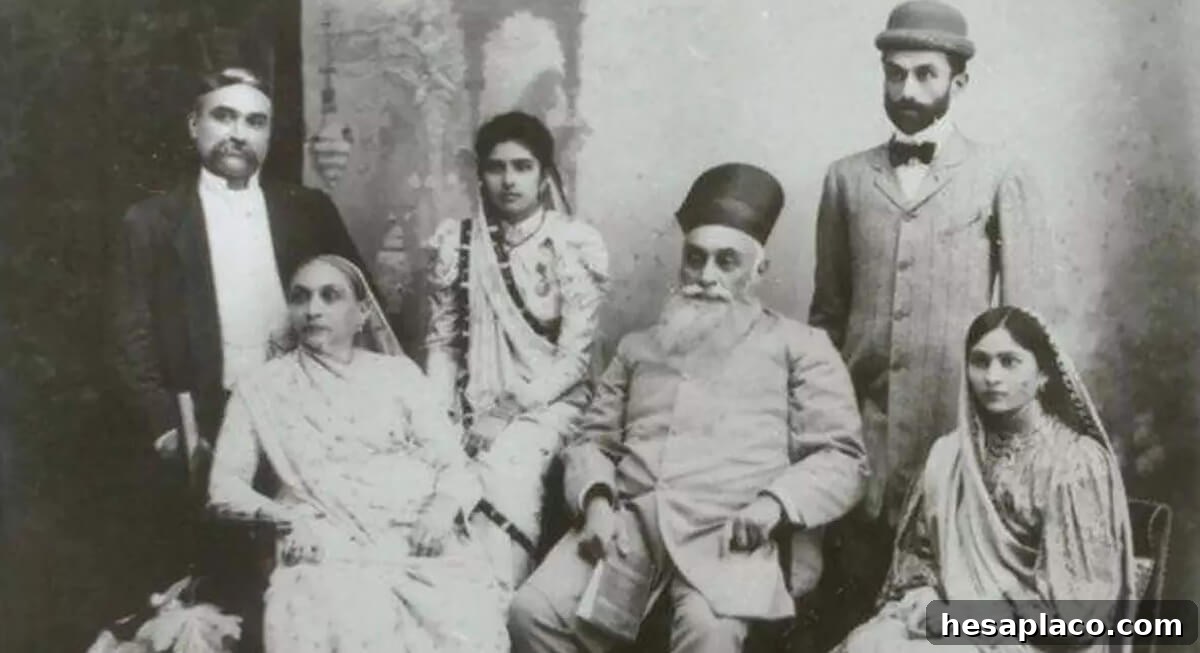
India’s Tata dynasty is notable for placing charitable trusts at the center of corporate control. The Sir Dorabji Tata Trust and Sir Ratan Tata Trust together hold just over half of Tata Sons, and charitable Tata Trusts overall control roughly two-thirds of the company’s equity. That structure ties business leadership to philanthropic purpose and embeds the family deeply in India’s industrial and social landscape.