
Recessions often show themselves through unexpected signals—small shifts in daily purchases and habits that reveal broader changes in consumer confidence. Economists and market observers sometimes track these quirky indicators because they can provide early clues about weakening demand. Below are 17 noteworthy signs that may point to an approaching recession, described in clear, natural English and optimized for search.
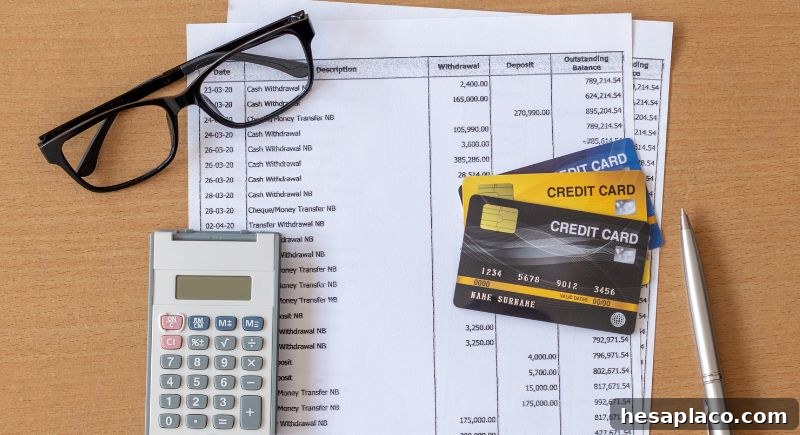
Credit Card Debt Increases as Consumers Struggle
Credit: Getty Images
Rising credit card balances are a clear sign that households are relying more on borrowing to cover everyday expenses. When incomes are squeezed or job security wanes, consumers often turn to credit to maintain their lifestyles. Spikes in unsecured consumer debt frequently precede broader economic slowdowns and serve as a practical warning sign of financial strain.
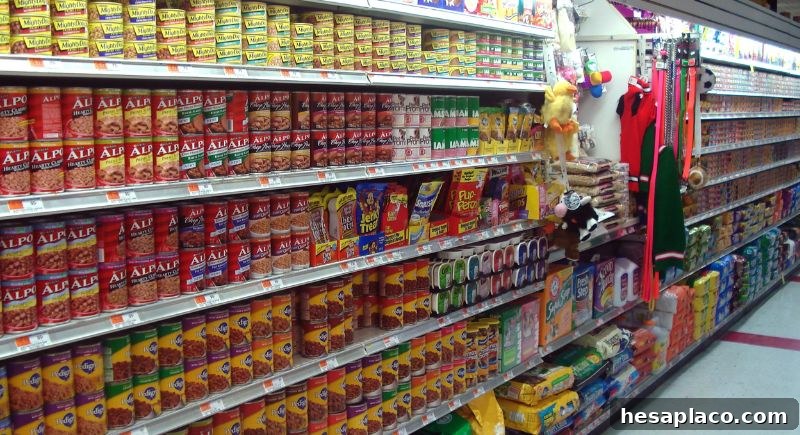
Pet Snack Sales Drop with Economic Worry
Credit: Wikipedia
Spending on pet treats can reflect household budget priorities. When consumers tighten their belts, discretionary pet purchases often fall. A noticeable downturn in pet snack sales—items many owners regard as non-essential—can indicate that families are cutting back across the board.
Home Improvement Spending Slows in Tough Times

Credit: Getty Images
Home improvement purchases are often discretionary. In strong economies, homeowners invest in renovations and upgrades; in leaner times, they postpone projects and prioritize savings. Declining sales at home-improvement retailers frequently foreshadow a pullback in consumer spending and a shift toward caution.
Champagne Sales Fall During Recessions

Credit: pixelshot
Champagne is a classic luxury item, and its sales often decline when consumers cut back on splurges. Historical patterns show bubbly purchases dropping during recessionary periods and rebounding when confidence returns. A sustained dip in champagne sales can signal reduced discretionary spending on celebrations and gatherings.
The Stripper Index: Tips Decline When Money Gets Tight

Credit: Getty Images
The so-called Stripper Index tracks tip income at adult entertainment venues. Although unconventional, declines in tipping and discretionary entertainment spending can reflect broader reductions in consumer disposable income. This index is often cited as an example of how service-industry receipts mirror household financial health.
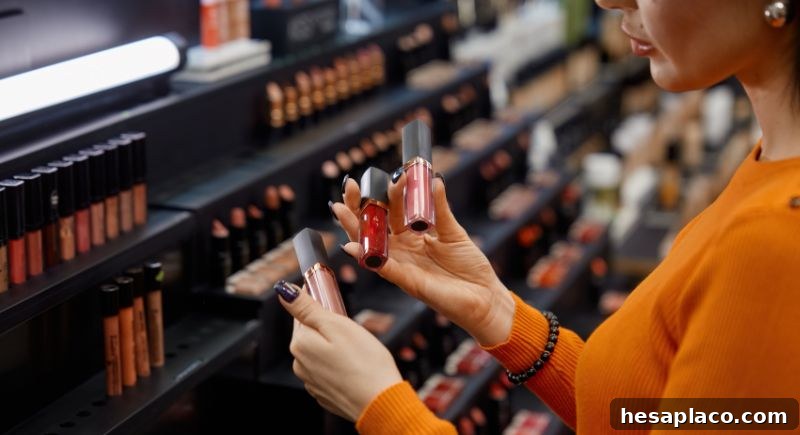
Lipstick Sales Increase as Consumers Cut Back
Credit: Canva
First popularized by businessman Leonard Lauder, the Lipstick Index suggests that sales of small luxury items like lipstick rise during economic downturns. When people cut back on big-ticket indulgences, they may still treat themselves to affordable comforts. Increased lipstick and beauty-product sales during slowdowns are often interpreted as consumers trading down rather than eliminating all discretionary purchases.
Fast Food Visits Rise with Tight Budgets

Credit: Getty Images
As households cut back, dining habits shift away from full-service restaurants toward lower-cost, convenience-oriented options like fast food. An increase in quick-service restaurant traffic coupled with weaker sales at sit-down establishments can indicate consumers are prioritizing affordability over experience.
Supermarket Trends Reflect Budget-Friendly Shopping

Credit: Canva
Grocery purchases often shift toward cheaper brands, bulk items, and staples during economic stress. Patterns such as “bigger cart, smaller item” where shoppers buy more low-cost basics and fewer premium goods can be a strong indicator that consumers are stretching their budgets.
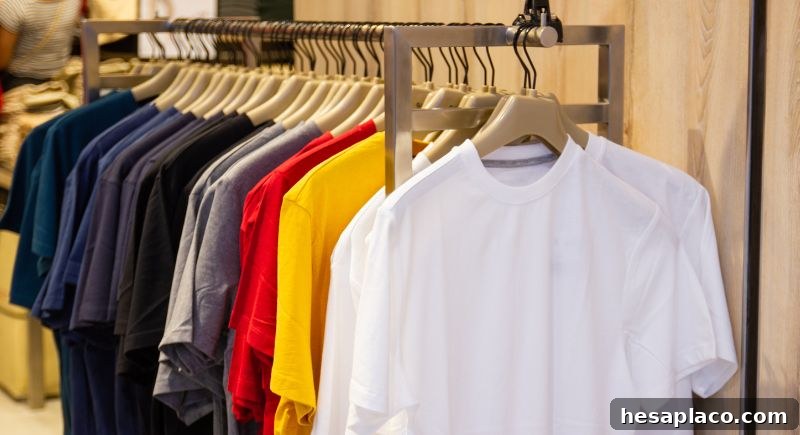
T-shirt Sales Drop as Discretionary Spending Falls
Credit: Getty Images
Apparel, including casual items like T-shirts, is often deferred when wallets tighten. A sustained decline in clothing sales, especially non-essential items, signals reduced consumer appetite for discretionary purchases and can herald wider economic weakness.
Wedding Industry Shrinks During Economic Downturns

Credit: pexels
Weddings often involve large one-time expenditures. When couples postpone, downsize, or opt for lower-cost ceremonies, it reflects caution about major financial commitments. Trends in wedding bookings, vendor revenue, and related services can therefore be useful economic barometers.
Cardboard Box Sales Decline with Consumer Spending

Credit: Canva
Cardboard demand tends to follow shipping and retail activity. When online orders and store shipments decline, cardboard box shipments fall too. Historically, drops in packaging and transport materials have accompanied broader reductions in consumer goods production and sales.
Mini Alcohol Bottles Become Popular in Recessions

Credit: pexels
Smaller-format alcohol purchases often rise when budgets tighten. Consumers who still want an occasional drink may opt for mini bottles or single-serve options rather than full-sized, more expensive bottles. This “downsizing” of purchases can be a subtle sign of constrained household spending.
Fashion Sales Shift to Discounted Items
Credit: Wikimedia Commons
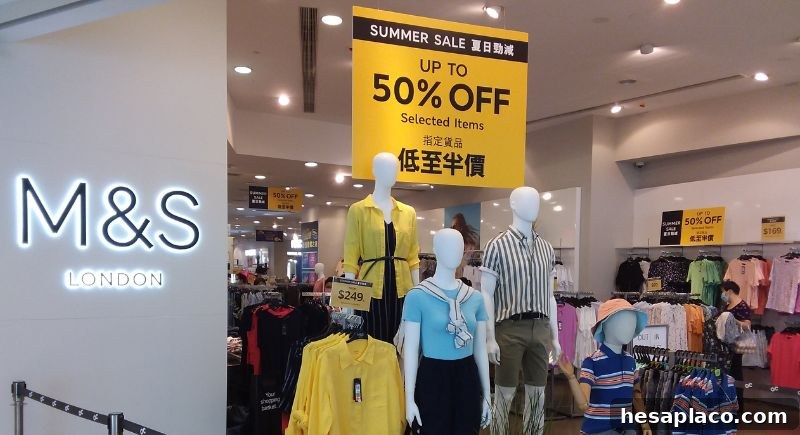
When shoppers increasingly seek out sales and clearance items, it reflects a shift toward value shopping. A surge in discount-seeking behavior across apparel and accessories suggests consumers are prioritizing price over new-season trends, another sign of tightening household budgets.
Small Cars Become Popular During Financial Strain

Credit: Wikimedia Commons
Car buyers often gravitate toward smaller, more fuel-efficient models when finances are constrained. A rise in demand for compact and economy vehicles, combined with weaker sales of luxury or large vehicles, can indicate consumers are focused on lowering ongoing costs like fuel and insurance.
Tech Gadget Sales Drop as Luxury Purchases Cut

Credit: dotshock
Electronics and high-end gadgets are often among the first items consumers delay or forgo when tightening their budgets. Slower sales in smartphones, gaming consoles, and other discretionary tech reflect a broader shift away from nonessential spending.
Men’s Underwear Index
Credit: Getty Images
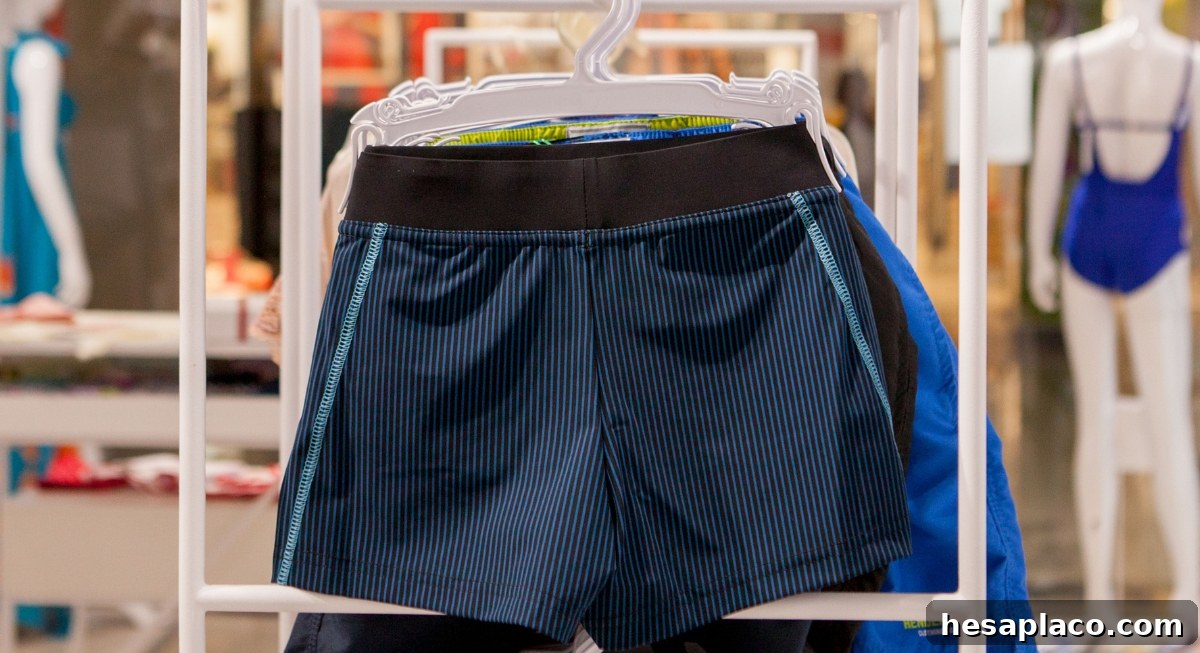
The Men’s Underwear Index, popularized by Alan Greenspan, points out that even purchases of everyday basics may be postponed when money is tight. Because underwear is a hidden, low-visibility item, men may delay replacing it, making a downturn in basic apparel sales a potential sign of deeper consumer retrenchment.
The Hemline Index

Credit: Getty Images
The Hemline Index is a long-standing cultural theory suggesting skirt lengths and fashion trends correlate with economic cycles. While many economists see it as more anecdotal than empirical, it serves as a reminder that consumer tastes and confidence often shift alongside financial conditions.
In summary, small changes in everyday spending—from lipstick and fast food to packaging and wedding bookings—can provide early signals about the broader economy. Tracking these patterns alongside conventional economic indicators can give a fuller picture of consumer behavior and potential recession risks.