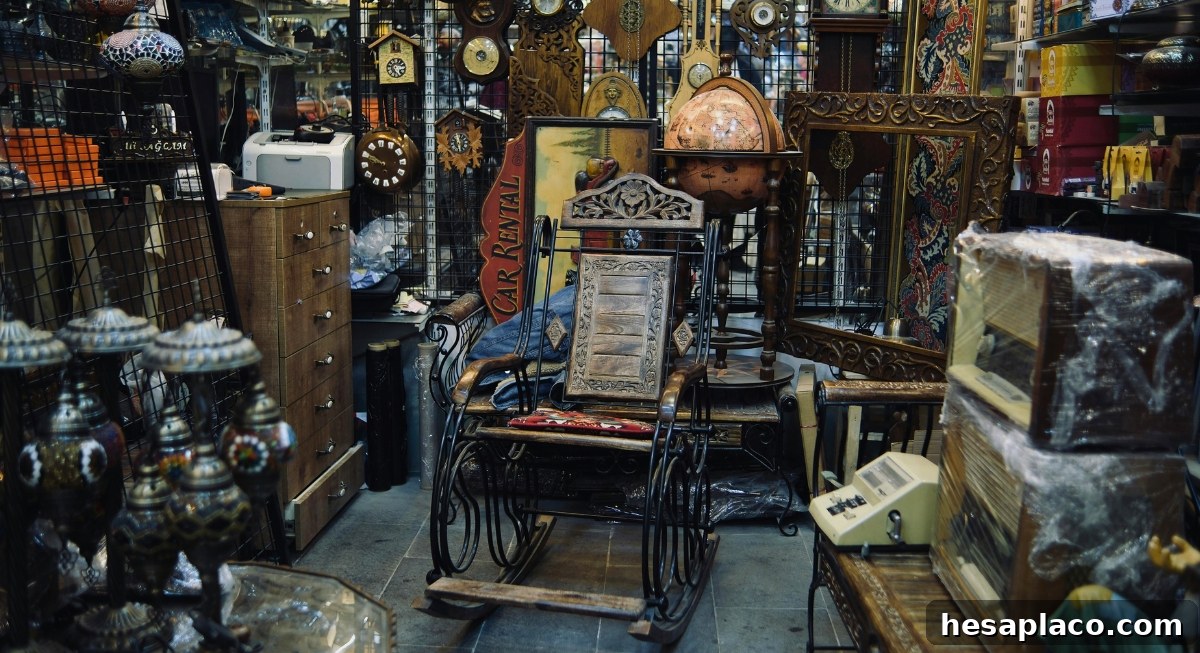
Certain collectibles are moving faster than expected right now, especially on resale platforms and through independent dealers. Items that once took months or years to sell are now being snapped up quickly—often by buyers who already know how they will use them, whether in interiors or for resale. Designers and collectors are both driving this renewed demand: designers are filling specific gaps in rooms, and collectors are targeting categories that have been undervalued for a long time. That overlap has tightened supply in several key areas in 2026.
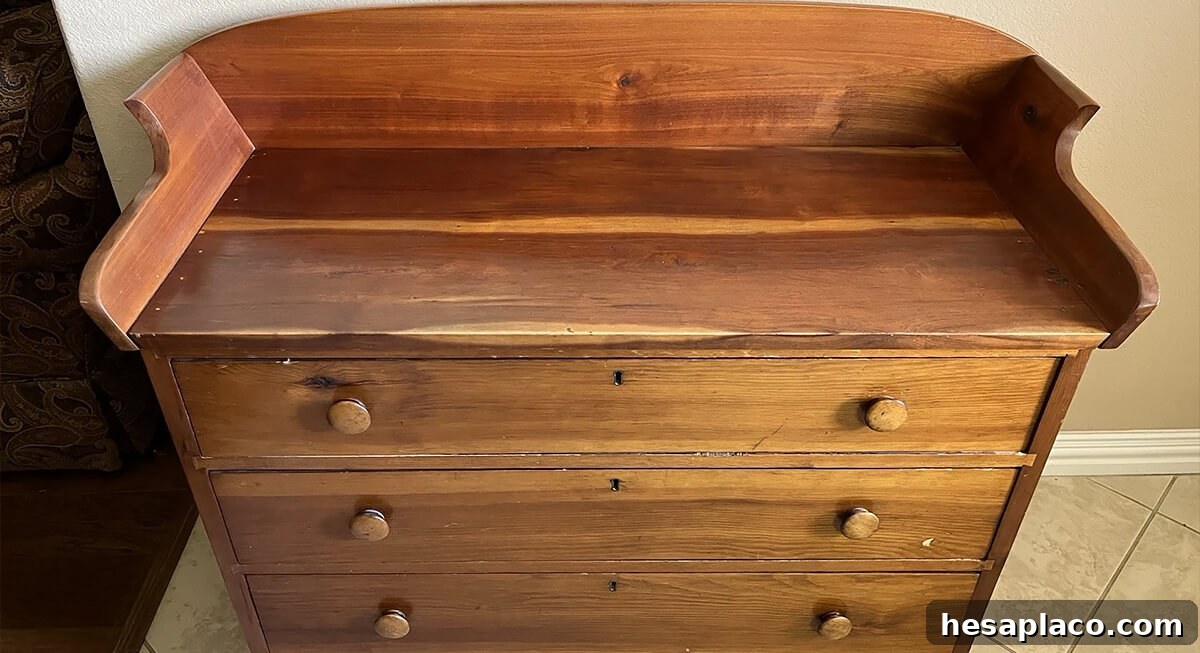
Pine Hall Chests
Credit: ebay
Solid pine hall chests have lingered in antique shops for years, but they’re returning to circulation as designers rediscover their practical charm. Distinctive features—white porcelain knobs, hand-applied carvings, and visible age—make each piece unique, which is exactly why collectors are choosing them for modern homes. These chests offer a warm, lived-in look that contrasts with homogeneous contemporary furnishings.
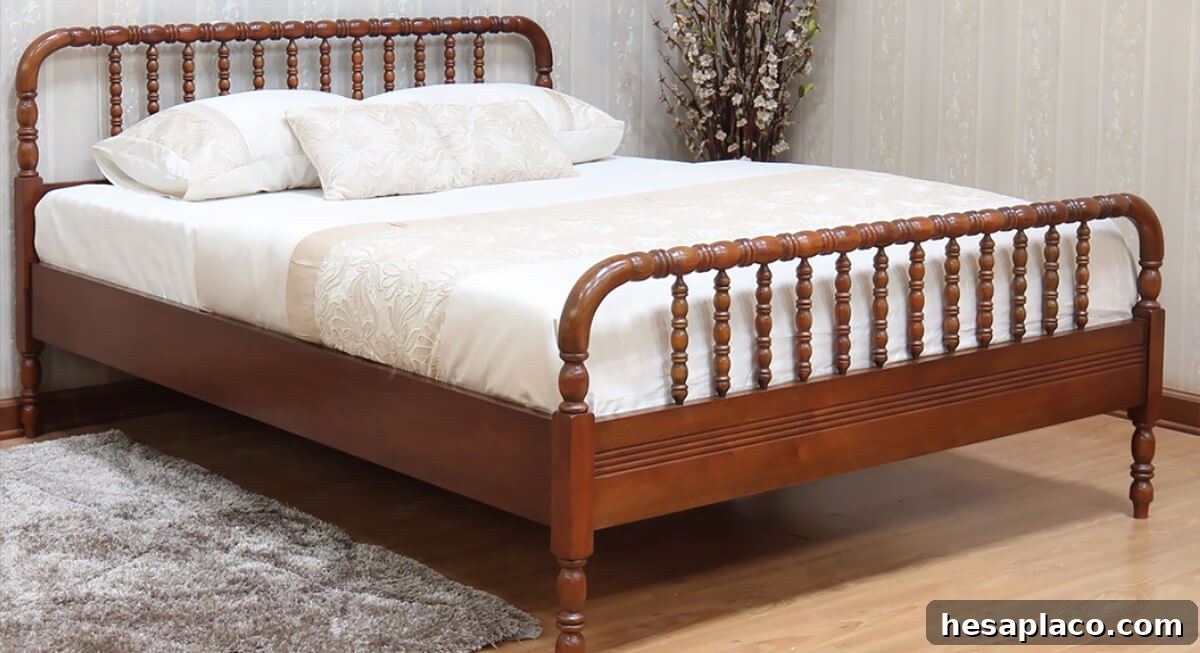
Bobbin Beds
Credit: Instagram
The Jenny Lind or bobbin bed—recognizable for its spool-turned posts—remains a perennial favorite in American antiques. Beyond its historic association with the celebrated singer Jenny Lind, the style endures because of its solid construction and versatile silhouette. The rounded bobbin details suit a wide range of bedroom styles, and original solid-wood examples continue to appeal to buyers who want durable, distinctive pieces.
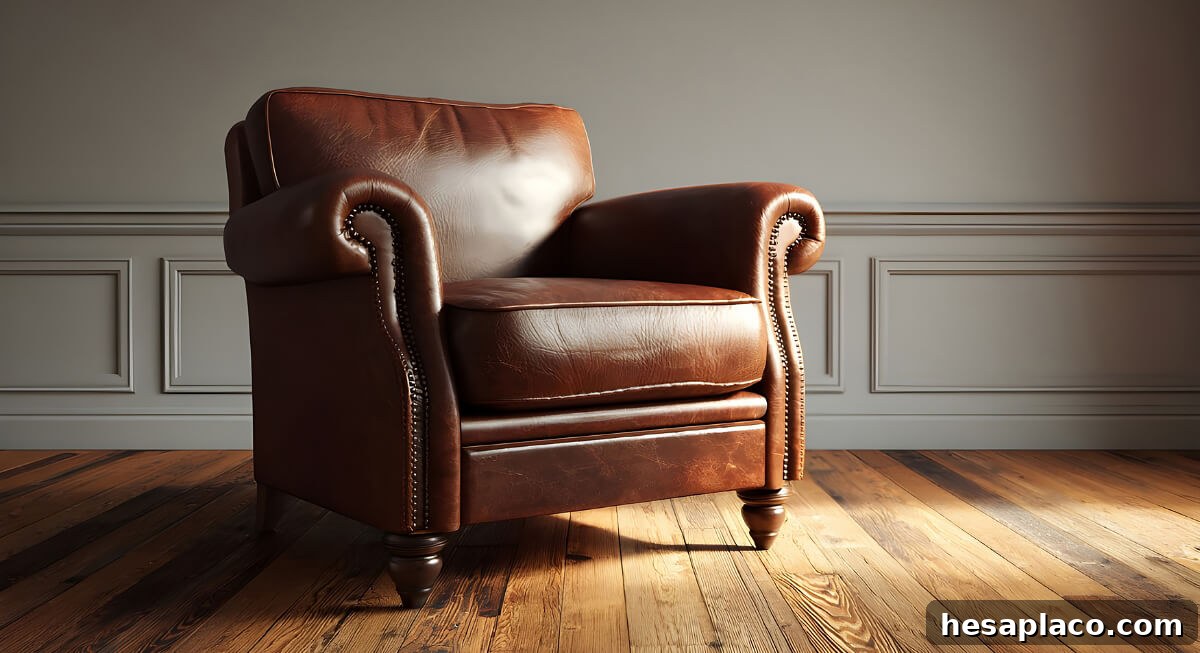
Aged Leather Chairs
Credit: Canva
Distressed leather finishes have long been replicated by manufacturers attempting to mimic the patina of authentic vintage leather. Experienced eyes can usually tell the difference, which is why genuine vintage leather chairs are sought after for home libraries and reading nooks. Their natural wear and tactile appeal dovetail with the post-2020 renovation boom, where homeowners and designers alike favor materials with character and longevity.
Hall Trees
Credit: ebay
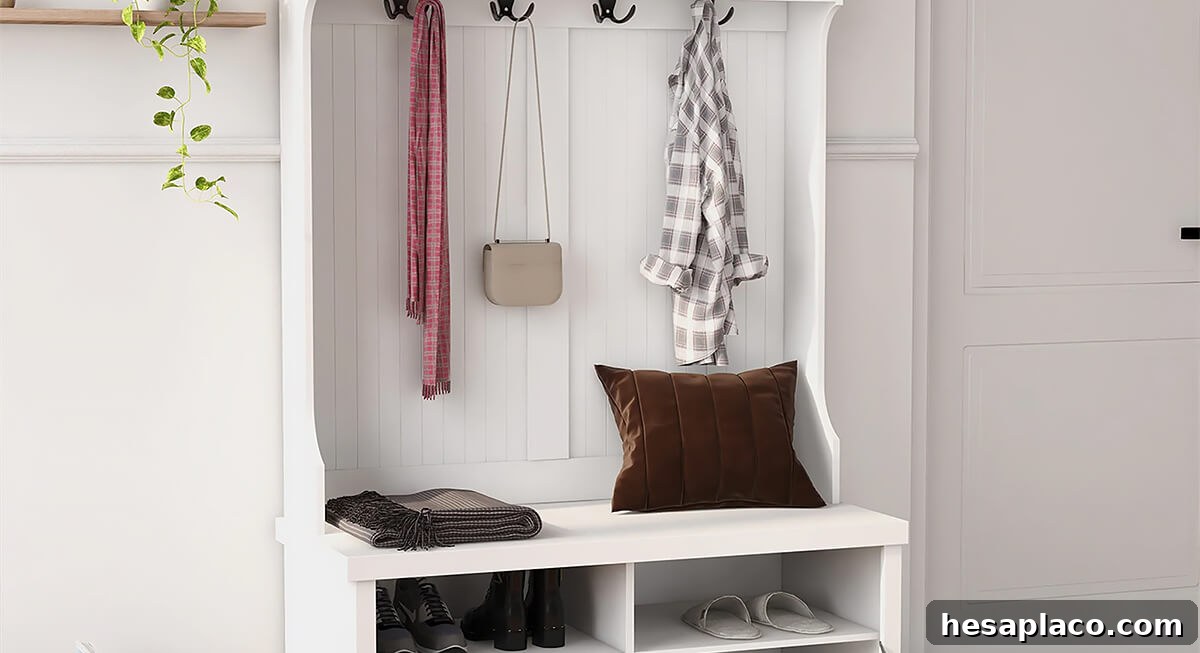
Once sidelined as home entryways shrank, hall trees are enjoying renewed interest because they solve a basic household need: a single place for coats, bags, and shoes. Victorian and Eastlake variants with built-in hooks, mirrors, and bench storage are especially popular with both designers and collectors for their mix of functionality and ornate detailing.
Gallery Trays
Credit: etsy
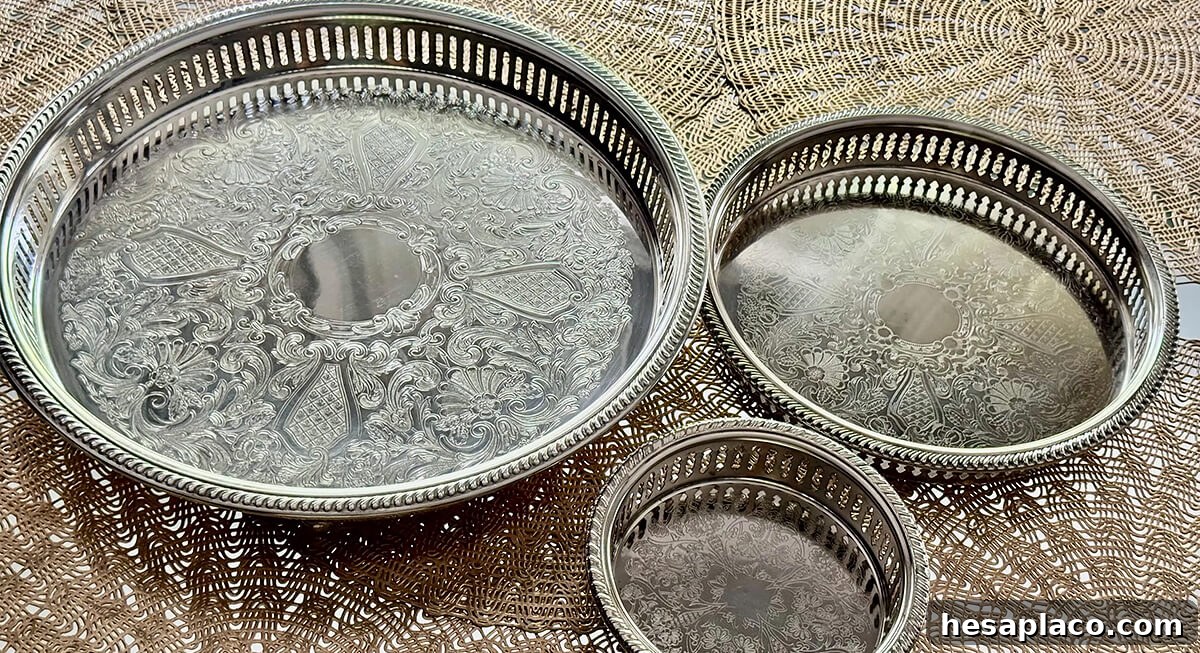
Originally designed for serving silver in 18th- and 19th-century homes, gallery trays have been repurposed for modern styling. Their raised rims and handles still perform a practical role by keeping small items contained on coffee tables, dressers, or shelves, making curated arrangements look effortless. Older trays—valued for their craftsmanship and patina—are increasingly used in editorial shoots, which has raised their profile among buyers seeking functional pieces that also command attention.
Etageres
Credit: Reddit
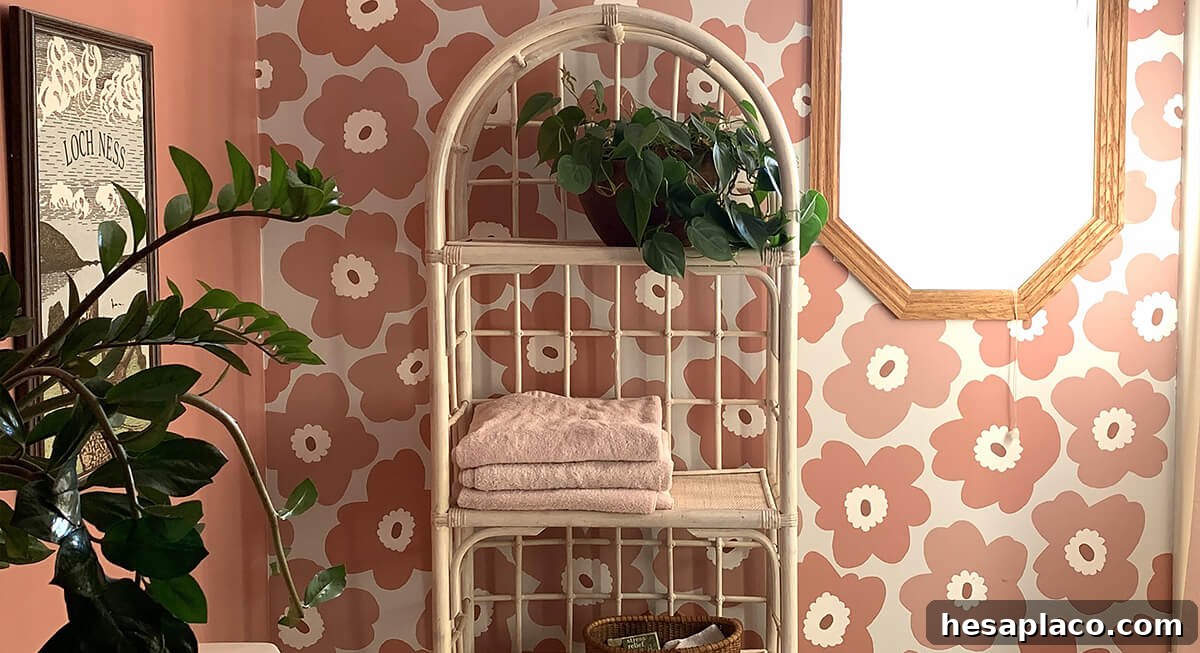
The “Coastal Grandmother” aesthetic that rose on social media around 2022 helped revive interest in certain classic pieces, including burnt bamboo etageres. These slender, open shelving units prevent rooms from feeling heavy while providing space for books, barware, and a few selected decorative objects. In 2025 and 2026, designers favor furniture that encourages deliberate styling, and etageres support that approach with their airy, layered presentation.
Tapestries

Credit: Wikimedia Commons
Wall tapestries are experiencing a resurgence, particularly among designers seeking a grounded focal point for large wall spaces. Growing museum interest in textile collections has helped bring older European and vintage examples back into the spotlight. Tapestries stand out for their scale, texture, and craftsmanship, and in residential interiors they are often used as a single defining piece rather than as part of a layered gallery wall.
Burl Wood Furniture
Credit: Reddit
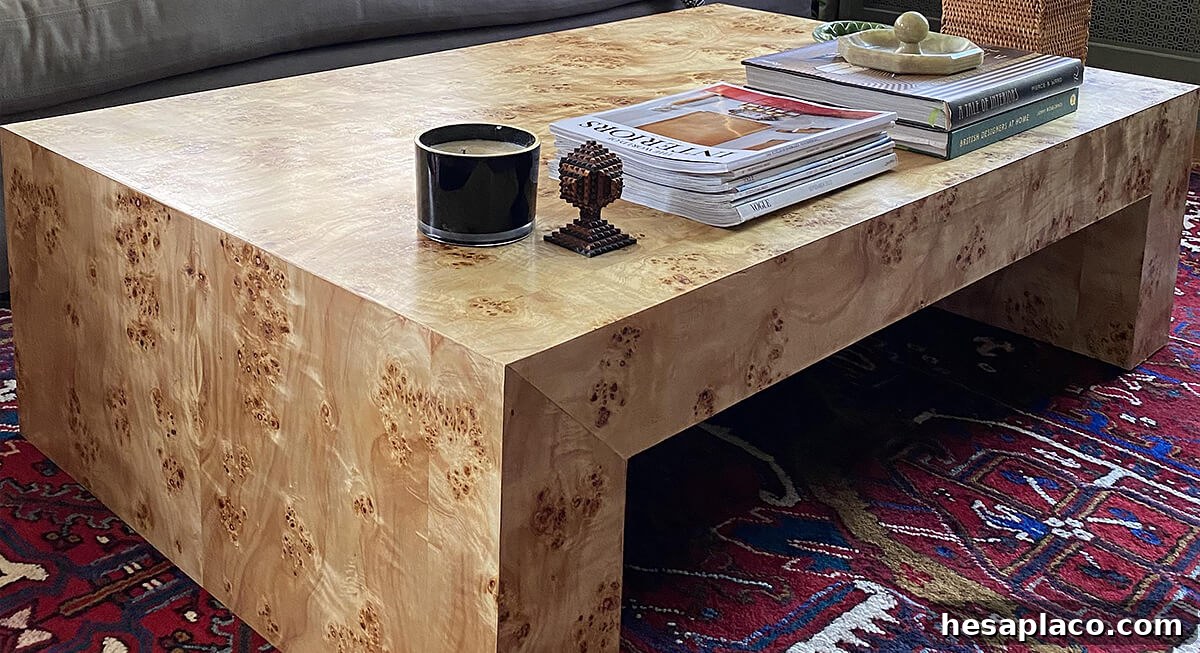
Burl wood forms where trees develop unusual growths that create dramatic swirling grain patterns. That natural variation ensures each burl piece is visually unique. After fluctuating in popularity, burl wood has returned to favor in contemporary interiors—especially in higher-end projects where materiality is evaluated up close as much as from afar. Its tactile, intricate patterns add a sense of luxury and individuality to furniture and cabinetry.
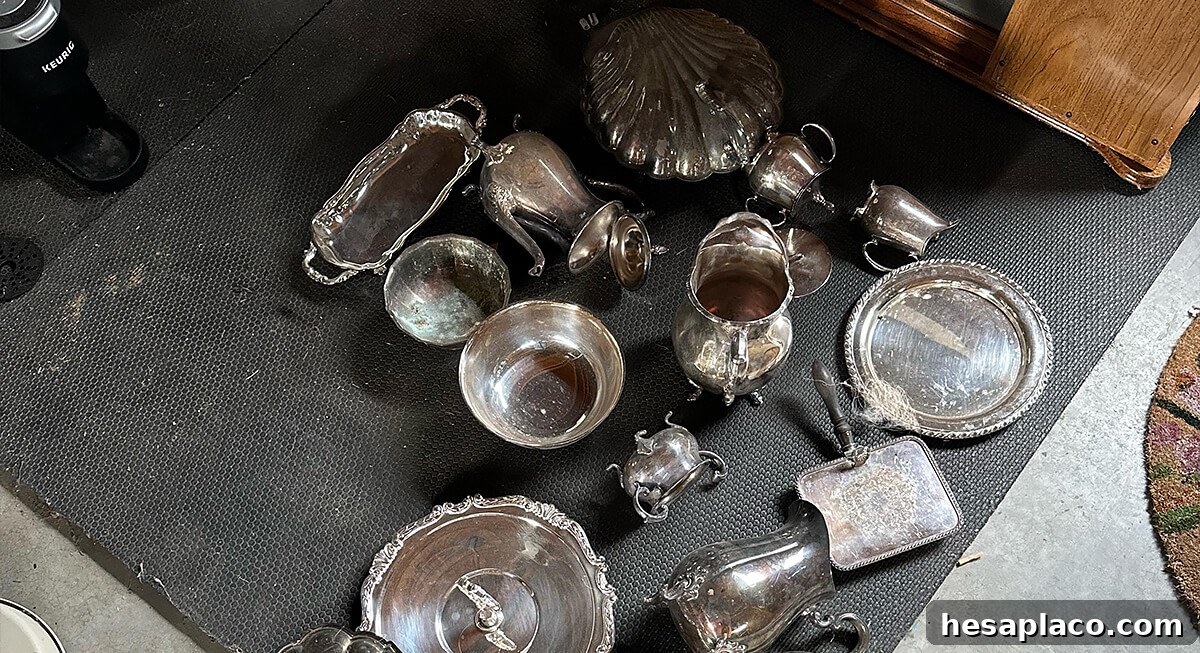
Silver Serving Pieces
Credit: Reddit
While brass dominated interior finishes from roughly 2013 through the early 2020s, silver is reclaiming attention. Antique sterling and silver-plate serving pieces were often overlooked during brass’s heyday, creating opportunities now that tastes are shifting. Multiple trend reports in 2025 and 2026 cite silver as a current finish of choice, and dealers and collectors are responding by bringing more pieces to market and into curated interiors.
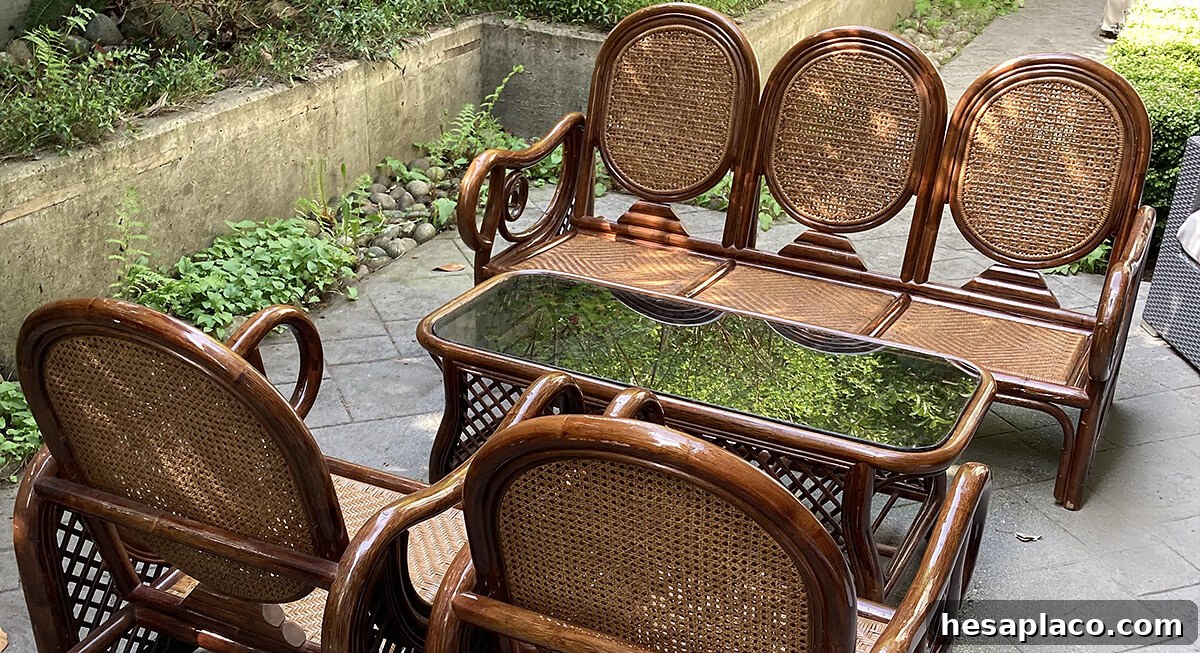
Vintage Rattan and Wicker Furniture
Credit: Reddit
Rattan and wicker have been staples in American interiors since the mid-19th century and enjoyed another heyday during the 1970s. The current resurgence is linked to a preference for natural materials and artisanal construction. Vintage rattan pieces, made from real vine rather than modern resin substitutes, are prized for their authenticity and hand-crafted details, so designers are increasingly sourcing older examples for everyday use and long-lasting aesthetic value.