
There’s a moment when ambition turns into action—often just after reading a powerful book. A great book can shift how you think, sharpen your focus, and reveal how influence and leadership actually work. If you want to aim higher and lead with purpose, the titles below provide practical lessons, historical perspective, and psychological insight to help you grow.
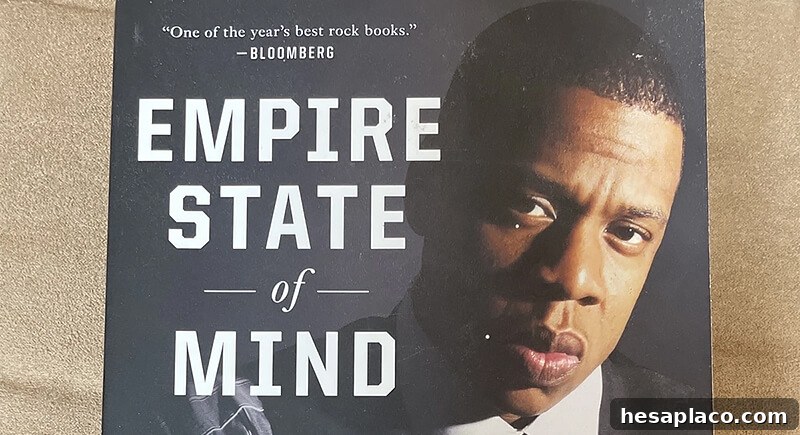
Empire State of Mind: How Jay-Z Went from Street Corner to Corner Office by Zack O’Malley Greenburg
Credit: ebay
This biography chronicles Shawn Carter’s evolution from a Brooklyn neighborhood to international business leadership. Greenburg highlights Jay-Z’s strategic adaptability—how he expanded from music into fashion, sports, and media—showing practical lessons about diversification, brand building, and seizing opportunities.
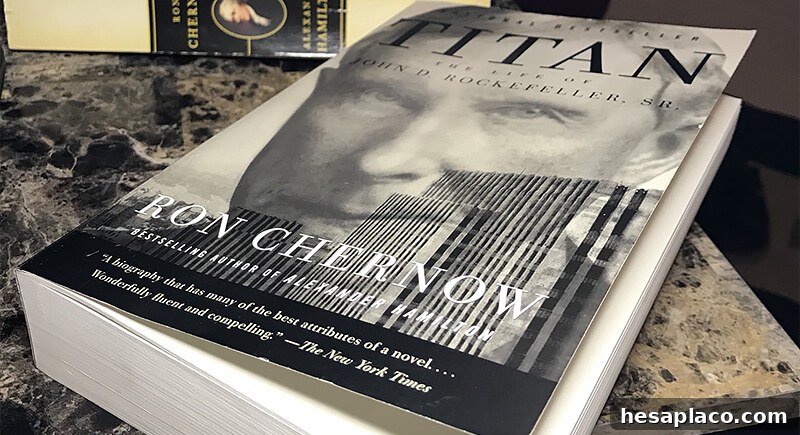
Titan: The Life of John D. Rockefeller, Sr. by Ron Chernow
Credit: X
Chernow offers a detailed portrait of Rockefeller’s ascent from modest origins to industrial dominance. The book examines how Rockefeller structured Standard Oil, the ethical complexities surrounding his power, and his later role as a major philanthropist—useful reading for anyone studying how wealth and influence are built and wielded.
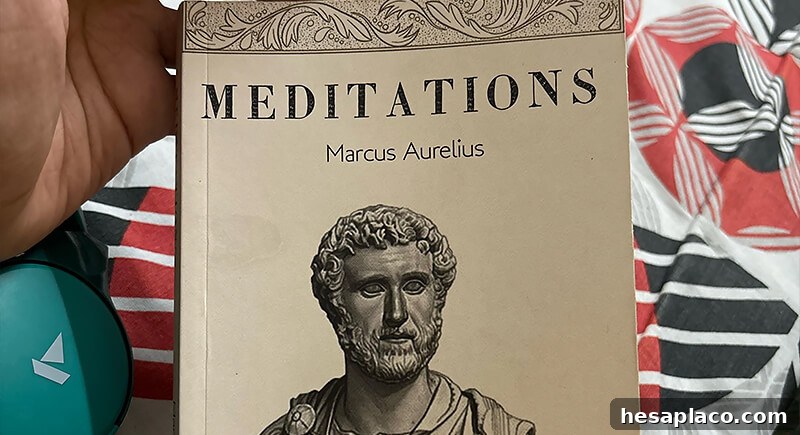
Meditations by Marcus Aurelius
Credit: Reddit
Composed as a private journal, Meditations remains a cornerstone of Stoic thought. Marcus Aurelius writes about leadership, self-discipline, and humility, offering concise guidance on facing pressure, evaluating priorities, and acting ethically—principles that still resonate for modern leaders and professionals.
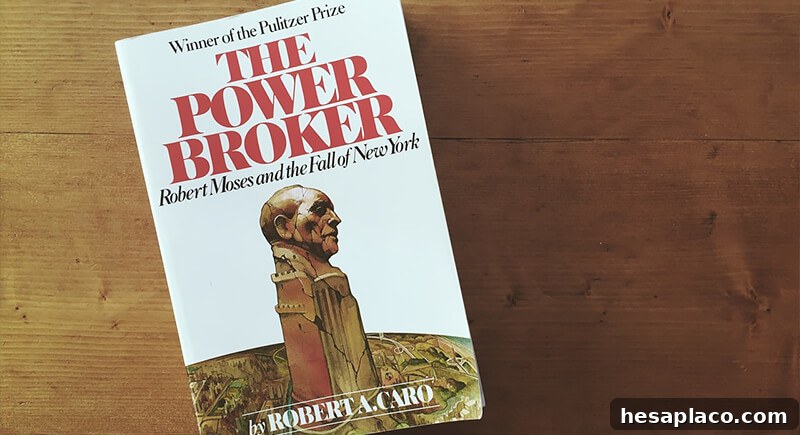
The Power Broker by Robert A. Caro
Credit: Reddit
Robert Moses reshaped New York with sweeping infrastructure projects; Caro’s biography explains how unelected power can grow and shape public life. The book is both a historical study and a cautionary tale about concentrated influence, offering lessons on accountability, institutional design, and the consequences of unchecked authority.
What I Learned Losing a Million Dollars by Jim Paul and Brendan Moynihan
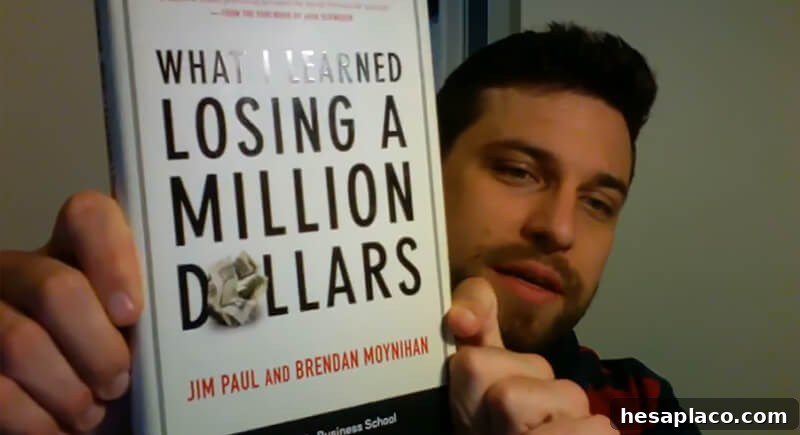
Credit: Youtube
Jim Paul recounts a dramatic financial collapse and the lessons learned afterward. Instead of celebrating success, the book analyzes failure—how ego, emotion, and cognitive biases undermine decisions—and provides concrete ideas about risk management, humility, and building systems that limit catastrophic errors.
The Fish That Ate the Whale by Rich Cohen

Credit: Youtube
Rich Cohen tells the story of Sam Zemurray, an immigrant who reshaped the banana trade through grit and unconventional strategy. Zemurray’s rise shows how persistence, opportunism, and aggressive business tactics can alter industries and even influence geopolitics—an example of how individuals can create outsized impact.
The 48 Laws of Power by Robert Greene

Credit: Youtube
Greene condenses historical examples into concise rules for gaining and preserving influence. Drawing on figures from Machiavelli to Napoleon, the book presents provocative strategies for negotiation, reputation management, and strategic thinking. It’s widely read by those seeking practical frameworks for influence—though readers should balance its advice with ethical consideration.
Plutarch’s Lives by Plutarch

Credit: ebay
Plutarch pairs Greek and Roman biographies to explore character, virtue, and public responsibility. His comparative approach examines how leaders succeed or fail morally and politically, providing timeless reflections on loyalty, corruption, and the personal traits that shape public life.
The Autobiography of Malcolm X as told to Alex Haley
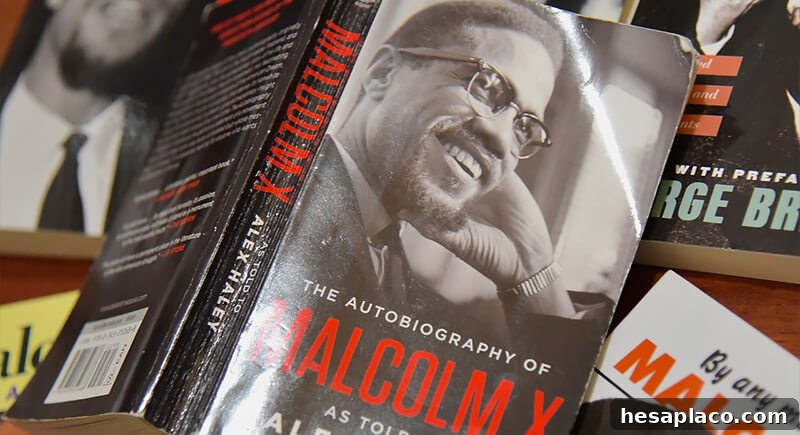
Credit: Instagram
This memoir traces Malcolm X’s transformation from criminality to a prominent civil rights leader. Told through his collaboration with Alex Haley, the book maps an evolving philosophy about race, justice, and self-determination. It’s a powerful, personal account that continues to inform debates on activism, identity, and social change.
Status Anxiety by Alain de Botton

Credit: Instagram
Alain de Botton examines why status matters so much and how comparisons erode well-being. Combining philosophy, history, and culture, he offers both a critique of modern ambition and practical perspectives on living with less anxiety about rank—encouraging readers to redefine fulfillment beyond conventional success metrics.
Personal History by Katharine Graham

Credit: Amazon
Katharine Graham’s memoir recounts her unexpected ascent to publisher of The Washington Post after personal tragedy. Her leadership during defining moments like Watergate offers lessons on resilience, ethical decision-making, and navigating public responsibility under intense scrutiny—an honest account of growing into authority.
Cyropaedia by Xenophon

Credit: ebay
Xenophon’s portrait of Cyrus the Great blends history and leadership theory to explore governance, justice, and strategic command. Its lessons on balancing diplomacy and military strength influenced thinkers across eras and remain relevant to anyone studying statesmanship and organizational leadership.
The Kid Stays in the Picture by Robert Evans
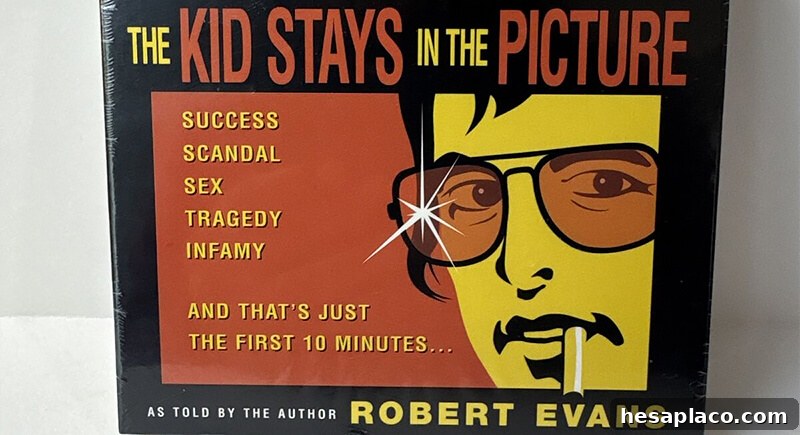
Credit: ebay
Robert Evans’s candid memoir traces his dramatic career in Hollywood—from bold creative gambles to public controversies. His story highlights how timing, risk-taking, and relationship management drive creative industries and offers insight into navigating fame and failure.
Steal Like an Artist by Austin Kleon
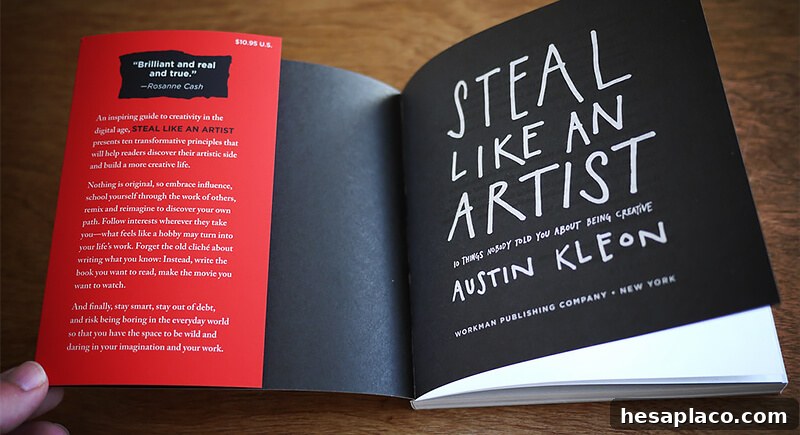
Credit: flickr
Austin Kleon reframes creativity as thoughtful borrowing rather than pure originality. Short, practical, and encouraging, the book offers tactics for generating ideas, embracing influence, and defeating perfectionism—helpful for anyone cultivating a consistent creative practice.
Letters to His Son by Lord Chesterfield

Credit: ebay
These private letters, written to guide Lord Chesterfield’s son, focus on conduct, education, and social advancement. Though formal in tone, the guidance on effective communication, self-presentation, and lifelong learning still offers valuable direction for personal and professional development.
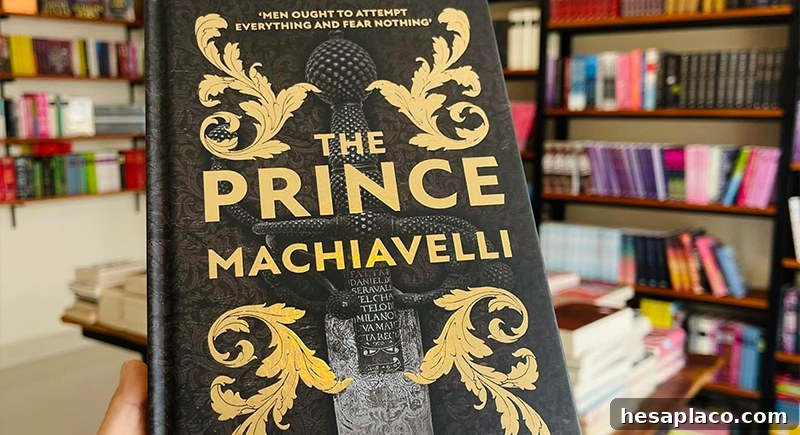
The Prince by Niccolò Machiavelli
Credit: Facebook
Machiavelli’s classic remains a provocative study of power, strategy, and survival. By stripping rhetoric away, The Prince examines the difficult choices rulers face and the mechanics of maintaining authority. Whether read as a manual or a cautionary text, its observations about loyalty, manipulation, and statecraft still provoke discussion.
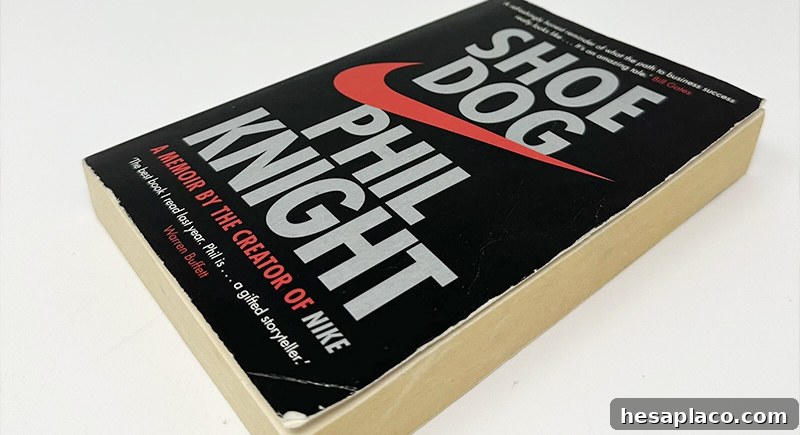
Shoe Dog: A Memoir by the Creator of Nike by Phil Knight
Credit: eBay
Phil Knight’s memoir tracks Nike’s messy, human beginnings: a car trunk full of shoes, relentless obstacles, and risky decisions. Shoe Dog reveals how persistence, creative problem-solving, and gritty leadership turned a small operation into a global brand—reminding readers that success is rarely tidy.