
Color is far more than a finishing touch in real estate—it plays a decisive role in how buyers perceive a property before they notice any other detail. Studies indicate that color can account for up to 90% of snap impressions, meaning the palette you choose directly influences trust, attention, and how quickly a prospective buyer advances. In a competitive market, those impressions translate into measurable differences in engagement, conversion rates, and final sale price.
Use Color to Shape First Impressions
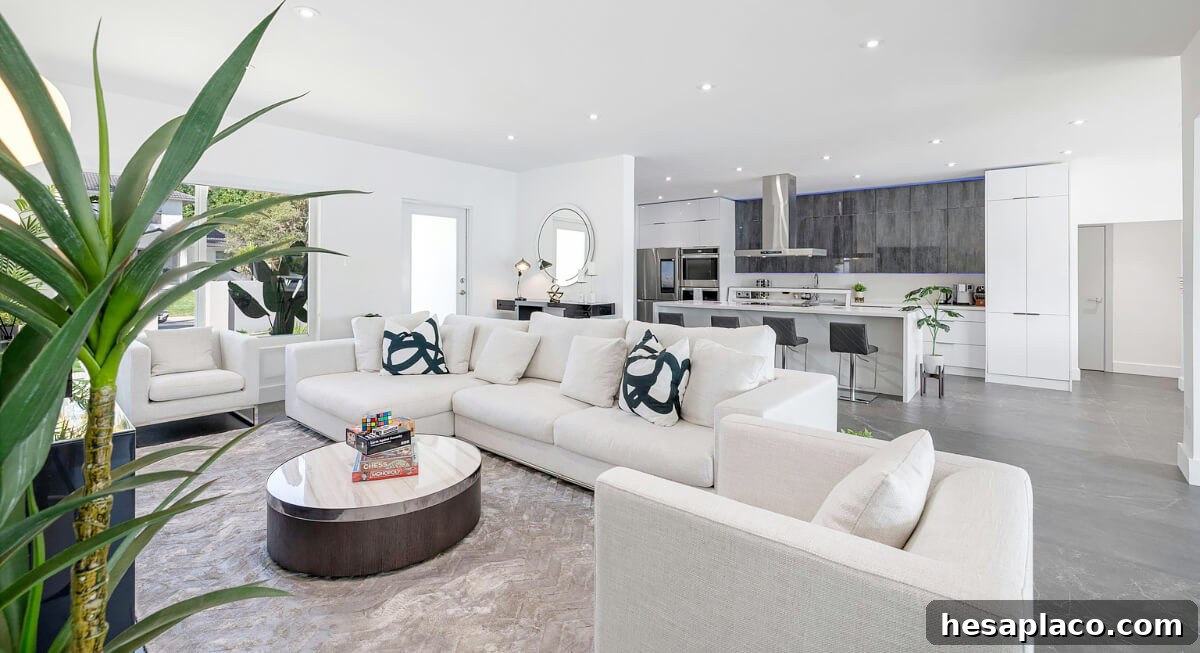
Credit: pexels
Buyers form an opinion within seconds, and color sets the tone immediately. Clean whites and soft neutrals make rooms feel open, fresh, and well-maintained, whereas poor color choices or heavy contrasts can make the same layout feel cramped or dated. Because most buyers first encounter a property through photos, the color strategy you use often determines whether a viewer keeps scrolling or requests a showing.
Choose Cool Tones to Build Trust and Reduce Resistance
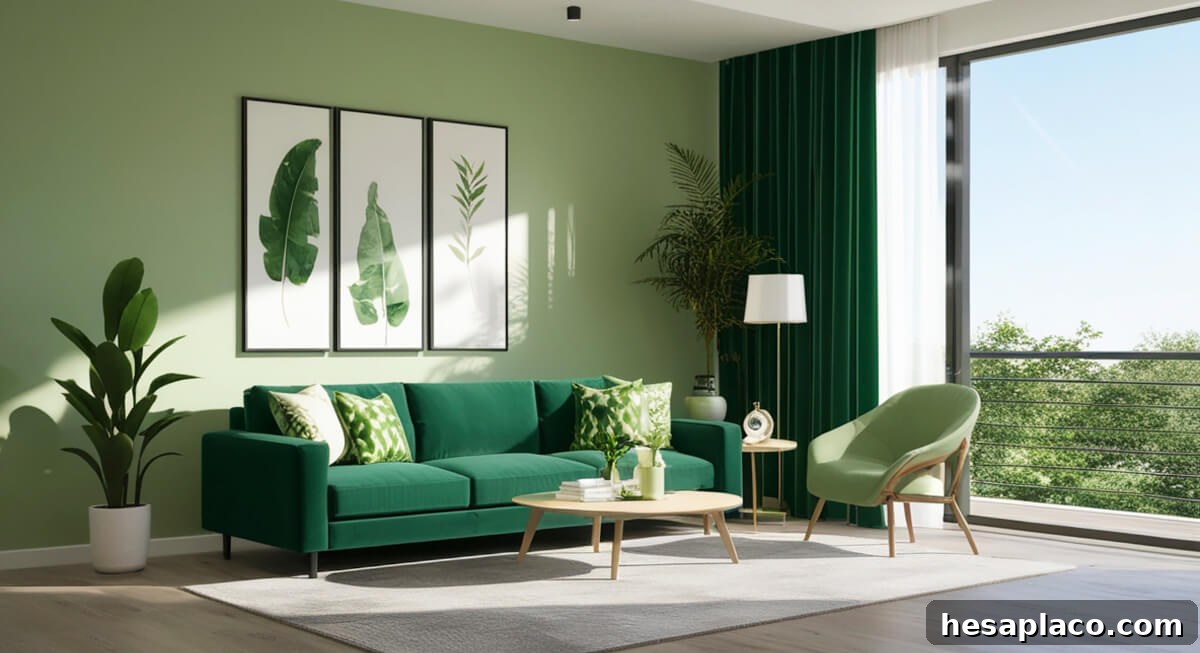
Credit: Alemedia.id
Blues and greens communicate stability and calm, which makes buyers more comfortable spending time evaluating a listing. That additional attention increases the chance of deeper engagement—browsing more photos, reading the description thoroughly, or scheduling a viewing. When a space feels tranquil and trustworthy, buyers are less likely to withdraw quickly.
Use Warm Colors to Encourage Faster Decisions
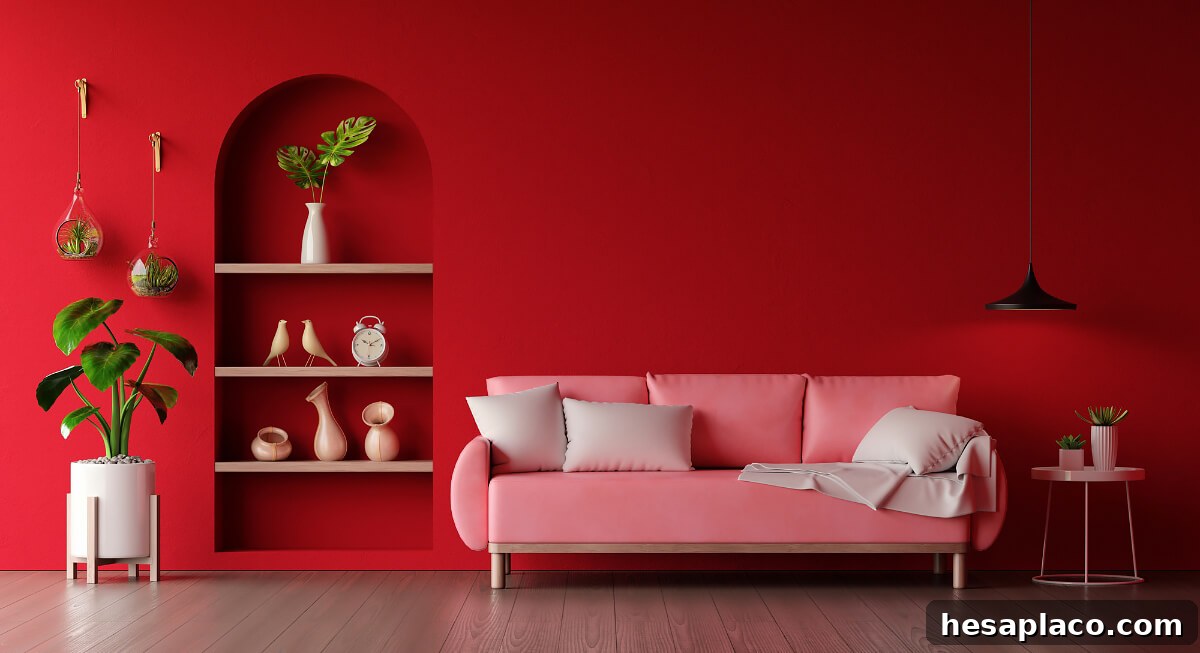
Credit: wuttichaijanglab
Warm hues such as reds, oranges, and muted yellows create energy and visual movement that can nudge buyers toward action. When used sparingly and deliberately—on an accent pillow, a small decor item, or in promotional graphics—these colors can introduce urgency and excitement without overpowering the space.
Design High-Contrast Calls to Action That Stand Out

Credit: pexels
Color alone rarely generates clicks—contrast does. A call-to-action must clearly separate itself from the background to be effective. For instance, a red or orange button on a neutral layout will attract attention, while the same hue against a similar-toned background will blend in. Simple color adjustments have been shown to double click-through rates in some tests, so prioritize contrast when creating buttons and banners.
Favor Neutral Palettes to Boost Perceived Value
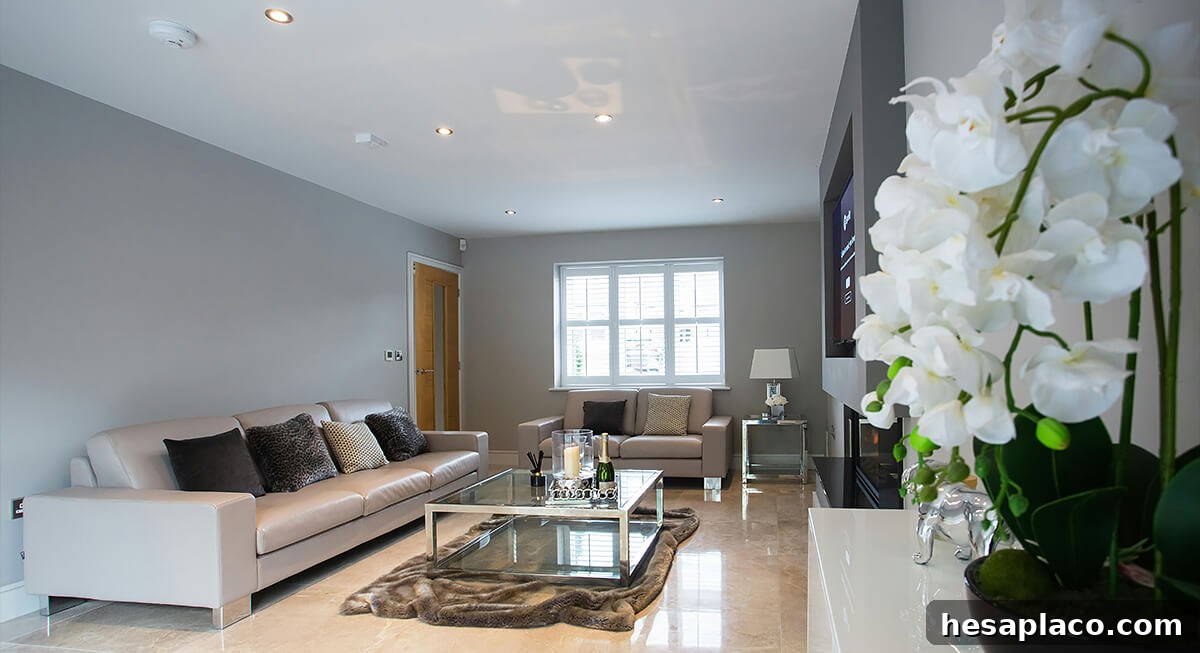
Credit: pexels
Neutral tones like white, beige, and gray appeal to the widest audience because they don’t impose a specific style or taste. Neutrals let buyers visualize their own furniture and lifestyle in the space, making it easier to imagine living there. That flexibility often raises perceived value—especially important when buyers compare multiple listings side by side.
Optimize Exterior Colors for Pricing Advantage
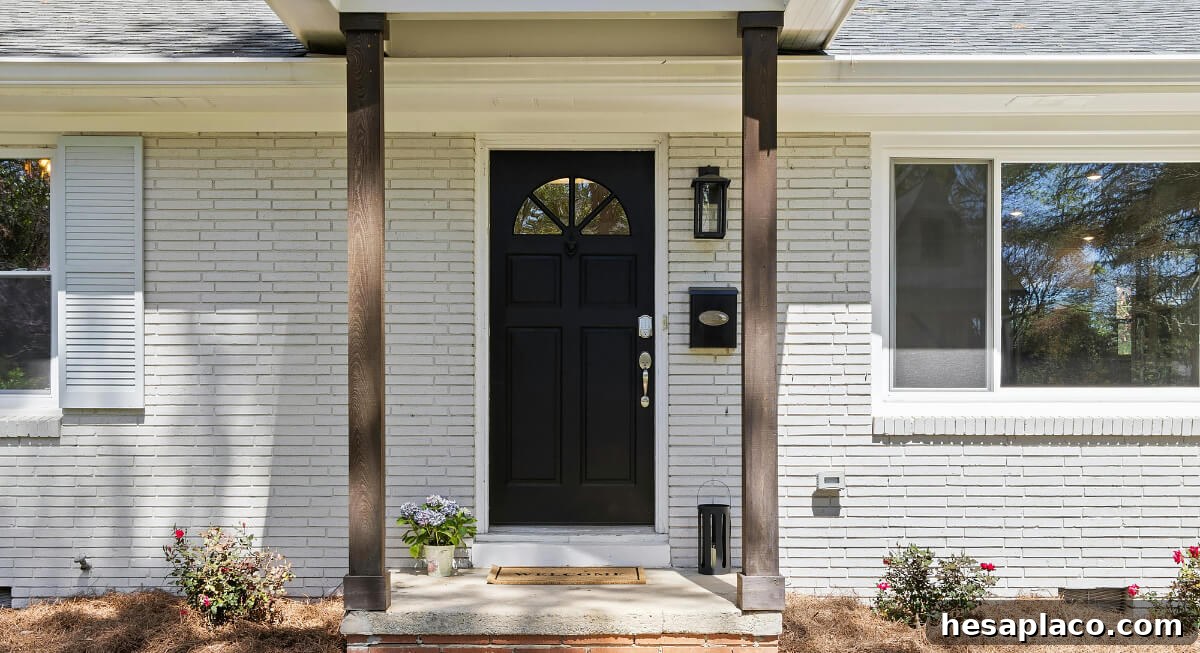
Credit: pexels
Curb appeal begins with color choices. Small exterior updates—like a refreshed front door in black, charcoal, or a tasteful pale blue—can improve the home’s photographic impact and influence buyer perception. Thoughtful exterior colors strengthen the first impression before a buyer even steps inside and can help a listing stand out in the neighborhood.
Use Accent Colors to Create Memorable Focal Points
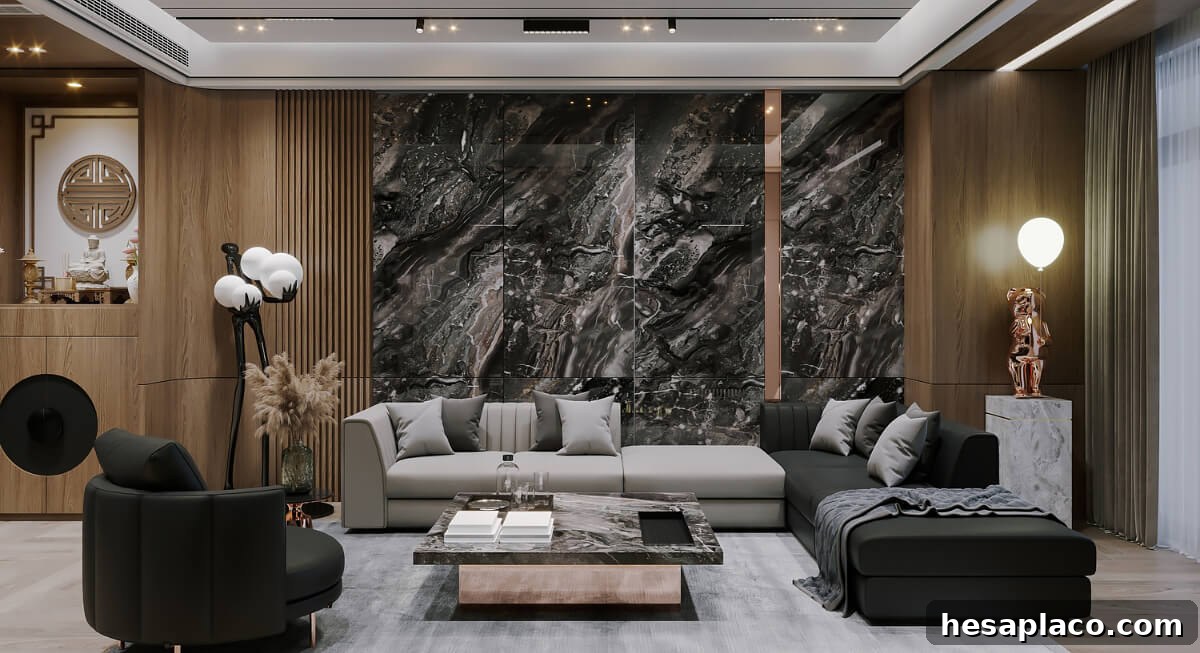
Credit: CGI STUDIO
A well-placed accent—an accent wall, a brightly colored door, or a standout piece of furniture—gives buyers a visual anchor to remember. Without those focal points, many listings tend to blur together. Strategic accents draw the eye to desirable features and help a property linger in buyers’ memories as they compare options.
Structure Listing Photos for Visual Clarity and Engagement
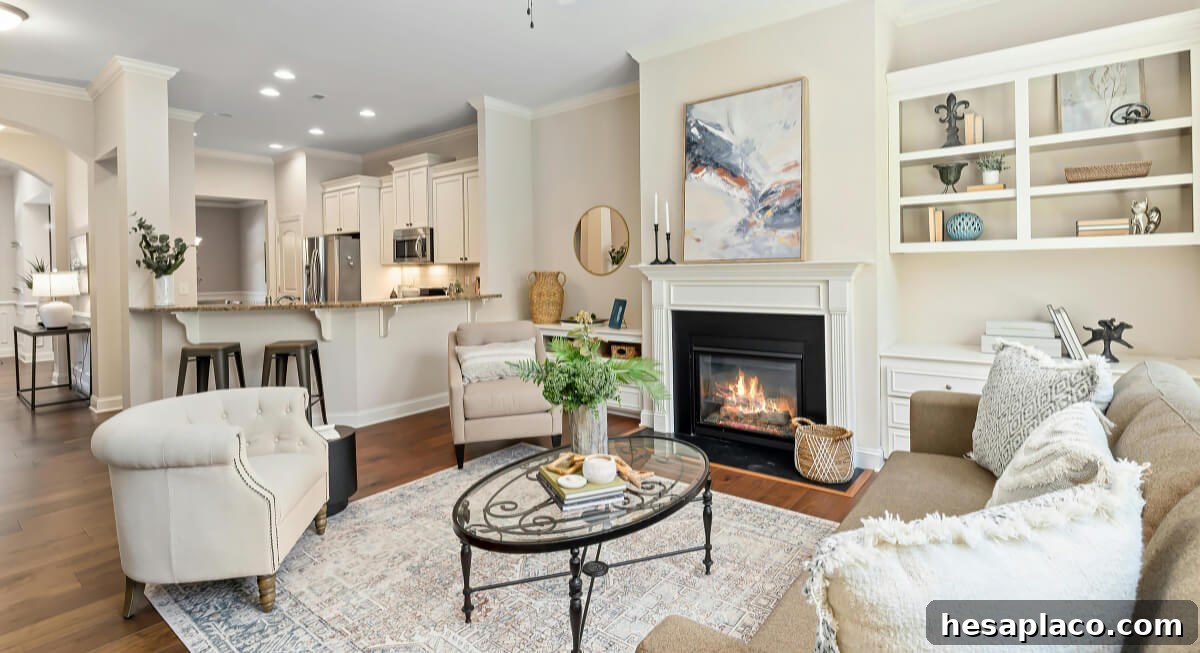
Credit: pexels
Photos should present a clear visual hierarchy: neutral backgrounds with one or two color anchors—such as a sofa, artwork, or plant—create clean, inviting images. Listings that maintain this balance tend to see significantly higher engagement; some reports cite increases of 30–50% in interactions when images are composed with careful color placement.
Match Color Strategy to the Target Buyer and Property Type
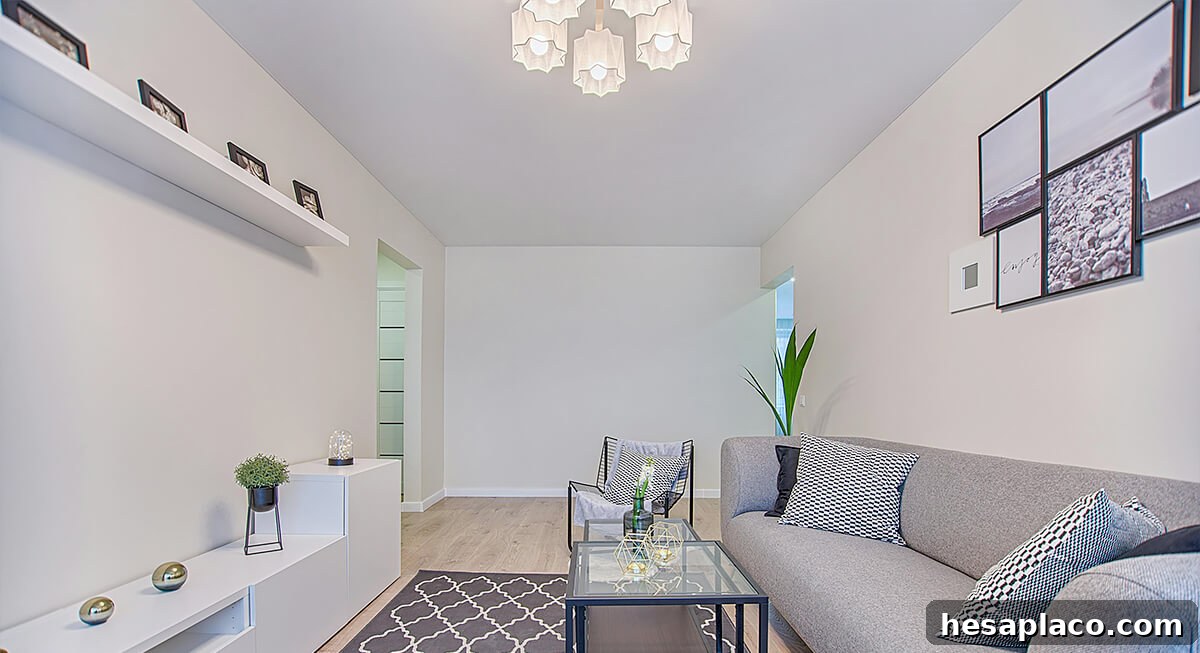
Credit: pexels
Different buyer segments respond to different visual cues. A modern apartment aimed at young professionals benefits from clean grays with bold accents, while family-oriented homes usually perform better with warmer, softer tones. Aligning your palette with the intended buyer makes the property feel more like a natural fit for their lifestyle.
Test and Refine Colors with Real Performance Data

Credit: pexels
There is no single “best” color for every situation. What works depends on the market, the audience, and the property type. A/B testing different button colors, background tones, and photo layouts reveals what actually drives clicks and inquiries. In many cases, a small color adjustment can nearly double conversion rates—but you can only find that advantage by testing, measuring, and refining based on real performance data.