The world of work offers a vivid record of how human labor and technology evolve together. Many occupations that once formed the backbone of daily life have disappeared as a result of automation, shifting economies, and cultural change. While these developments often bring greater efficiency and convenience, they also evoke nostalgia and highlight the unique value of human skills that technology cannot fully replace.
Travel Agent (Before the Internet)

Credit: flickr
Travel agents used to craft personalized itineraries, book flights and hotels, and advise clients on the best routes and accommodations. With the growth of online travel agencies and self-service booking platforms in the late 20th century, demand for in-person travel agents declined sharply. Today, agents still exist in niche markets—luxury travel, complex multi-stop itineraries, and corporate travel management—but the everyday role of booking routine travel has largely shifted online.
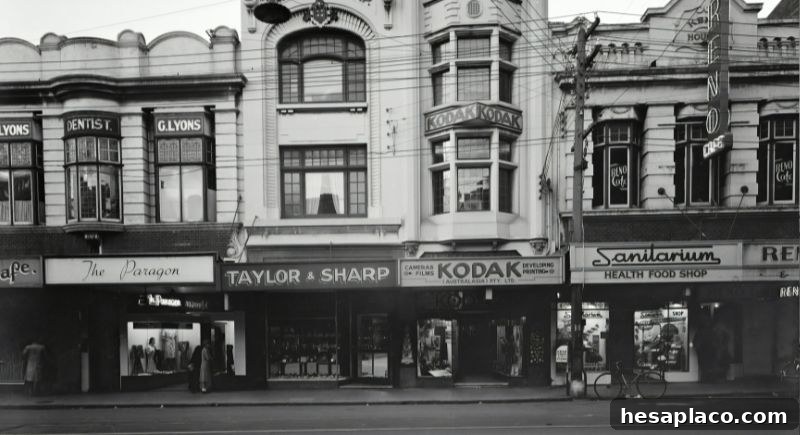
Film Developer (Before Digital Photography)

Credit: unsplash
Film developers were skilled technicians who processed exposed film into printed photographs and archival negatives. The widespread adoption of digital cameras and digital workflows in the early 2000s dramatically reduced the need for film processing labs. Although film photography has experienced a niche revival among enthusiasts and artists, large-scale commercial film development is now rare.
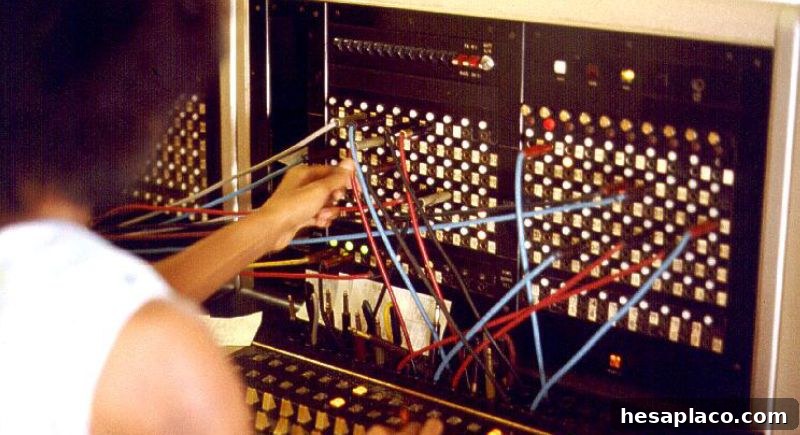
Switchboard Operator (Before the 1960s)
Credit: Wikimedia Commons
Before electronic switching and direct dialing, switchboard operators physically connected telephone calls by plugging cords into the appropriate jacks. Their work required accuracy, patience, and often a pleasant bedside manner. The introduction of automated electronic exchanges in the 1960s eliminated the need for this manual role, transforming how telephone networks operated.
Elevator Operator (Before the 1970s)

Credit: unsplash
Elevator operators used to control lift movement manually, helping passengers select floors, ensuring safety, and providing a courteous, personalized experience. Advances in automatic elevator controls and safety systems during the mid-20th century made it practical and economical to operate elevators without attendants, causing the occupation to fade from most buildings by the 1970s.
Milkman (Before the 1980s)

Credit: Wikimedia Commons
For decades, milkmen delivered fresh dairy products directly to customers’ doorsteps, often in reusable glass bottles. The expansion of supermarkets with refrigerated sections and changing consumer shopping habits led to the steady decline of daily home milk delivery by the 1980s. Today, milk delivery survives only in limited, specialty markets that emphasize local or organic products.
Town Crier (Before Mass Media)

Credit: Wikimedia Commons
In eras before newspapers, radio, and broadcast systems, town criers announced news, proclamations, and public notices aloud in town squares, often ringing a bell to draw crowds. The rise of mass-circulation newspapers and later electronic media made this mode of public communication redundant, although the ceremonial role of town criers still appears at historical events and festivals.
Tollbooth Collector (With the Rise of Electronic Tolling)

Credit: Wikimedia Commons
Tollbooth collectors took cash or tickets from motorists at highway and bridge toll plazas. The adoption of electronic toll collection systems—using transponders, license-plate readers, and automated billing—has reduced the need for staffed booths. Many toll plazas now operate unmanned or with limited staff focused on maintenance and customer service rather than cash collection.
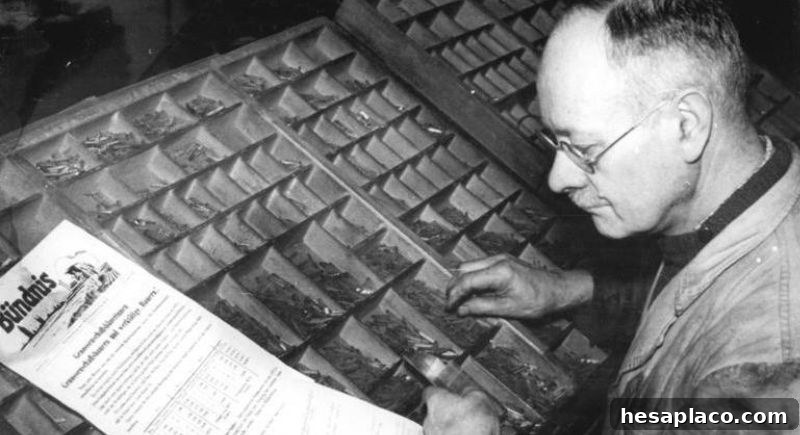
Typesetter (Before Desktop Publishing)
Credit: Wikimedia Commons
Typesetters were artisans who arranged and set type for printing presses by hand or with mechanical machines. The arrival of desktop publishing software and modern digital typesetting tools in the 1980s revolutionized layout and printing workflows, making manual typesetting largely obsolete in commercial printing. Yet the craft survives in letterpress studios and among artisans preserving historical techniques.
Video Rental Store Clerk (With Streaming Services)
Credit: Wikimedia Commons
Video rental clerks curated film collections, recommended titles, and handled physical rentals for eager viewers. The proliferation of streaming platforms and on-demand video in the 21st century drastically reduced foot traffic to brick-and-mortar rental stores, turning many long-running chains into relics of another era.
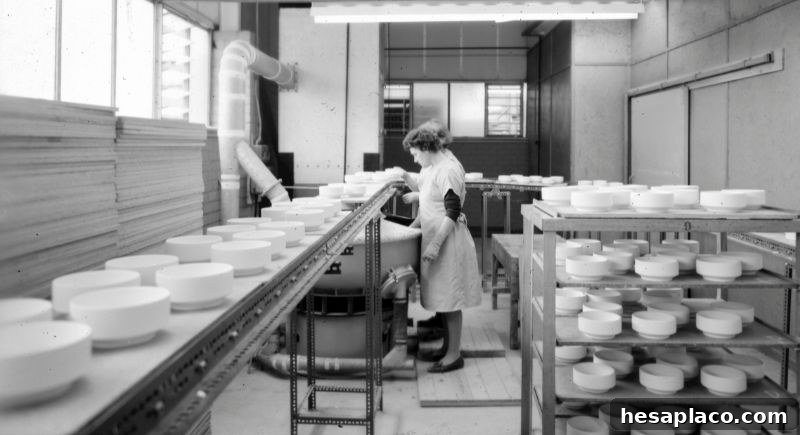
Factory Assembly Line Worker (Automation and Globalization)
Credit: Wikimedia Commons
Assembly line work once provided abundant manufacturing jobs. Over recent decades, automation using robots and computer-controlled machinery has replaced many repetitive tasks. At the same time, globalization shifted production to regions with lower labor costs. While manufacturing remains essential, the nature of the workforce and the skills required have changed significantly.
Ice Cutter (Before Mechanical Refrigeration)

Credit: X
Before electric refrigerators, ice cutters harvested large blocks of natural ice from frozen lakes and rivers during winter months, storing them in insulated icehouses for use in warmer seasons. The wide availability of mechanical refrigeration in the late 19th and early 20th centuries eliminated the need for this labor-intensive trade.
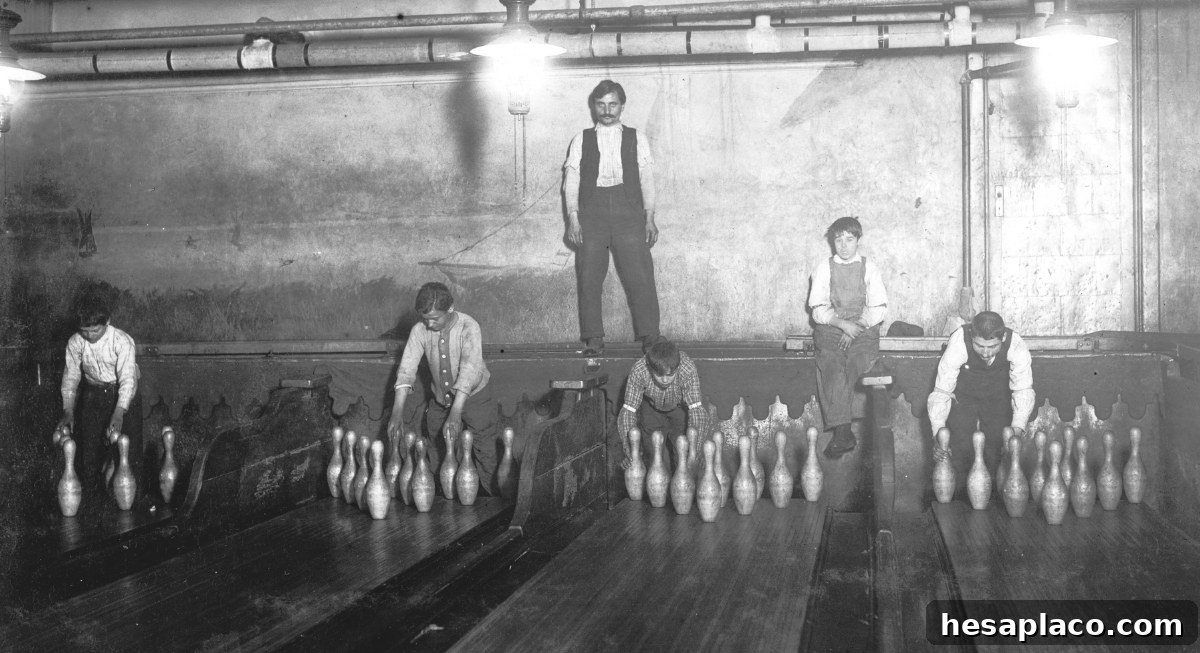
Pinsetter (Before Automatic Bowling Machines)

Credit: unsplash
Pinsetters manually reset bowling pins and cleared bowling lanes, often working in tight spaces and under time pressure. The invention and adoption of automatic pinsetting machines in the mid-20th century transformed bowling alleys, improving throughput and safety while eliminating the need for human pinsetters in most establishments.
Telephone Operator (Before Automatic Switching)

Credit: unsplash
Telephone operators manually established connections using switchboards and wiring, helping callers place local and long-distance calls. They often became familiar voices to regular users. As automatic switching and direct-dial systems became standard in the mid-20th century, this once-essential role was phased out in favor of automated telecommunications infrastructure.
Cobblestone Layer (Before Asphalt and Concrete)

Credit: unsplash
Skilled cobblestone layers hand-laid stones to create durable, textured streets and walkways. The advent of asphalt and concrete in the late 19th and early 20th centuries offered a faster, cheaper, and smoother alternative for road construction, leading to a decline in traditional cobblestone paving. Today, cobblestones are preserved in historical areas and used for aesthetic purposes rather than mass urban paving.