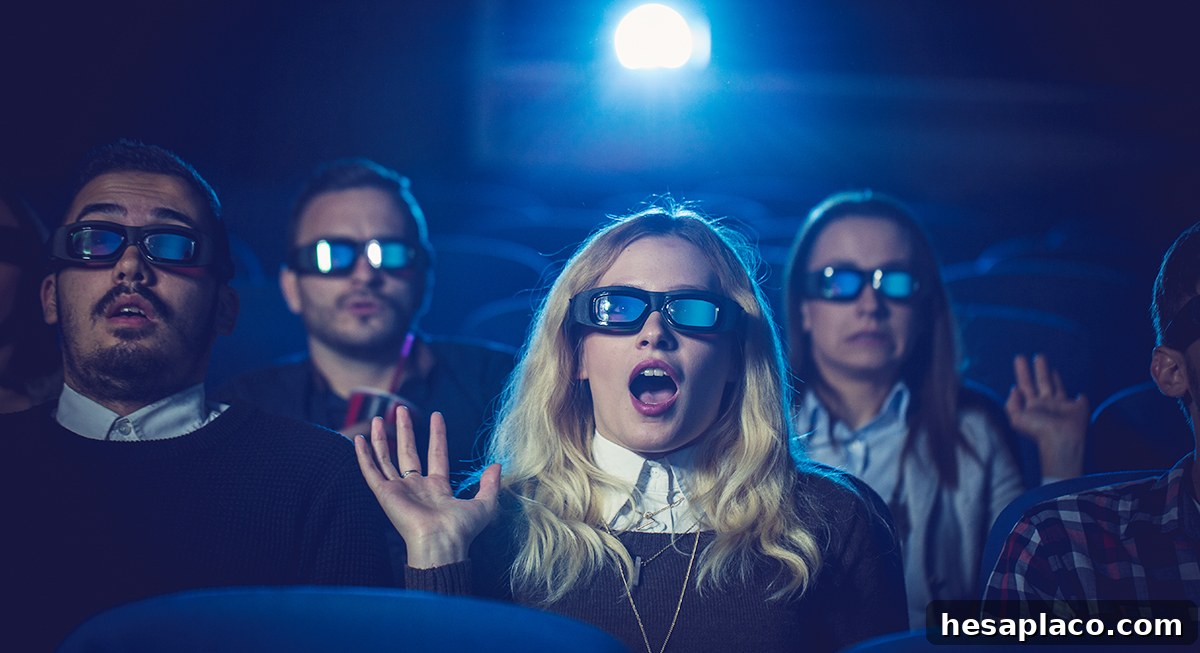
A recent Instagram video shows moviegoers in a Chinese cinema watching projected flames crawl across the walls and ceiling. As the on-screen fire intensifies, the theater’s temperature rises and a burning odor fills the space, creating an unsettlingly realistic sense that the room itself is alight.
Rather than real flames, this is a 5D cinema installation that combines coordinated high-definition visuals, scent diffusion, heat effects, and synchronized sound to recreate the physical sensations associated with being inside a burning building.
The short clip went viral and prompted mixed reactions. Some viewers praised the technological creativity and immersive potential of 5D experiences, while others raised concerns about safety, psychological impact, and the risk of desensitizing audiences to real emergencies.
How the Theater Simulates Fire Without Real Flames
The fire simulation begins with ultra-clear video projected across every visible surface, including the ceiling, so that flames appear to move overhead and engulf the space. Heat systems timed to the visuals then raise the ambient temperature to mirror what the scene depicts, while scent dispensers release an artificial burning smell to complete the illusion.
All elements—video, audio, temperature, and scent—are controlled by precise show programming, allowing technicians to synchronize sensory cues down to the second. That coordination is the essence of 5D theater: an attempt to reproduce not only the visual narrative but also the physical sensations of a scene. For many audience members the result is a thrilling, highly immersive experience; for others it can be overwhelming or distressing.
Why the Viral Clip Sparked Real Concern

Image via iStockphoto/Andrii Iemelyanenko
The Instagram footage captures patrons reacting as the staged blaze appears to intensify. Many viewers online voiced alarm about how convincingly the simulation resembled a real, dangerous fire. First responders and former firefighters noted that the imagery and behavior of the effects—especially rolling flames along the ceiling—strongly resembled actual fire behavior they’ve witnessed in emergencies.
Industry professionals from lighting, audio-visual, and theater safety backgrounds also pointed out potential hazards. Their primary concern is the possibility of confusing simulated effects with a genuine emergency. If audiences become accustomed to seeing realistic fire as part of entertainment, they may hesitate or react incorrectly during a real crisis, increasing the risk of injury or delayed evacuation.
Why Some People Physically React to Simulated Fire
Although a replicated fire is not truly dangerous, multisensory triggers can provoke strong physical and emotional responses. Individuals who have experienced real fires or traumatic events—such as emergency personnel or survivors—may find the smell of smoke, sudden heat, and moving flames especially triggering. On social platforms, some former firefighters and theater workers reported immediate anxiety and distress after watching the clip.
For many people, the body’s instinctive response to cues of danger remains powerful even when the mind recognizes the situation as staged. The combination of rising heat, convincing visuals overhead, and the scent of burning amplifies the brain’s threat response. Common physical reactions include shortness of breath, increased heart rate, dizziness, or panic attacks.
In some cases, theatre professionals said they would leave a venue at the first sign of ceiling flames—even if they knew the effect was artificial—because automatic safety behaviors are hard to override. That automaticity is not a sign of weakness but an evolutionarily rooted protective mechanism: when cues align to suggest fire, the body prepares to escape.
Designers and operators of immersive venues face a balancing act. On one hand, advanced multisensory systems can deliver memorable, boundary-pushing entertainment. On the other, they must consider audience safety, mental-health impacts, and the potential for desensitization to genuine emergencies. Responsible implementation requires clear pre-show warnings, accessible exit information, staff trained to respond to distressed patrons, and fail-safes that prevent the effects from being mistaken for real danger.
Ultimately, the viral video underscores both the promise and perils of increasingly immersive entertainment technology. When thoughtfully executed, 5D experiences can expand storytelling in exciting ways; when poorly managed, they risk causing real harm or confusion among viewers—especially those with prior trauma or occupations that make them more sensitive to realistic depictions of danger.