
If you’ve noticed your grocery bill creeping up, you’re not alone. Inflation hit a 40-year high in 2023, and many households are searching for practical ways to make their food dollars go further. A recent American Farm Bureau Federation study estimated the average family could spend about $1,200 more on groceries this year than last. To help you cut costs without sacrificing meals or convenience, here are common supermarket items that often cost more than they’re worth — and simple swaps to save money.
Pre-cut and Pre-washed Produce
Credit: Facebook
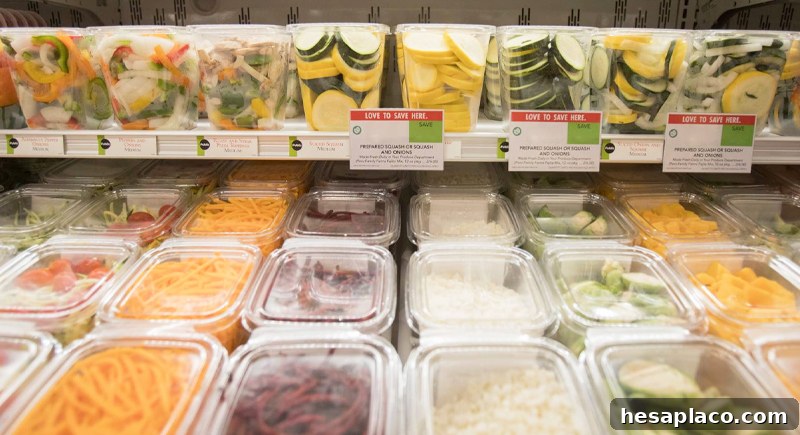
Convenience comes at a price. Pre-washed and chopped vegetables can cost significantly more than whole produce—sometimes as much as two to three times the price. Washing, trimming, and chopping fruits and vegetables at home takes a little time but can substantially lower your grocery total.
Buying Organic on Everything

Credit: pexels
Organic produce has benefits, but it isn’t always necessary for every item. Use resources like the Environmental Working Group’s seasonal guidance to prioritize organic purchases for produce with higher pesticide residues, and opt for conventional options for items that test lower for residues to stretch your budget.
Purchasing Name Brands for Everything

Credit: pexels
Store-brand or generic products often match name-brand quality at a lower cost. Many shoppers have turned to private-label groceries as prices rise, finding comparable taste and performance. Try a few store-brand staples and compare — you might be surprised how much you can save.
Pre-Marinated Meats

Credit: flickr
Pre-marinated meats save time but carry a premium. Marinating meats yourself at home is inexpensive and lets you control flavors and ingredients. Simple marinades often use pantry staples like oil, vinegar, soy sauce, and spices and can reduce meat costs considerably.
Fresh Herbs (Unless You Use All of It)
Credit: flickr
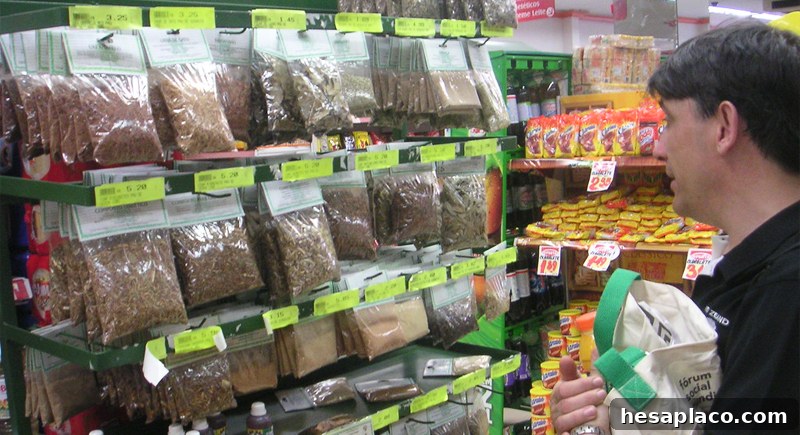
Fresh herbs add bright flavor but often spoil before you finish a bunch. If you don’t use herbs frequently, frozen herbs are a cost-effective alternative—they’re frozen at peak freshness and are easy to portion. You can also grow a small herb pot at home to save long term.
Single-Serving Snacks

Credit: pexels
Pre-portioned snacks are convenient but usually cost more per ounce. Buy larger family-size bags and divide them into portions at home using reusable containers or resealable bags. That small step reduces per-serving costs and often wastes less packaging.
Flavored Drinks and Sugary Beverages

Credit: pexels
Sodas, sweetened drinks, and specialty bottled beverages can add a surprising amount to your bill. Investing in a quality reusable water bottle, a home carbonator, or brewing iced tea or infused water at home can cut costs and reduce sugar intake.
Out-of-Season Produce
Credit: pexels
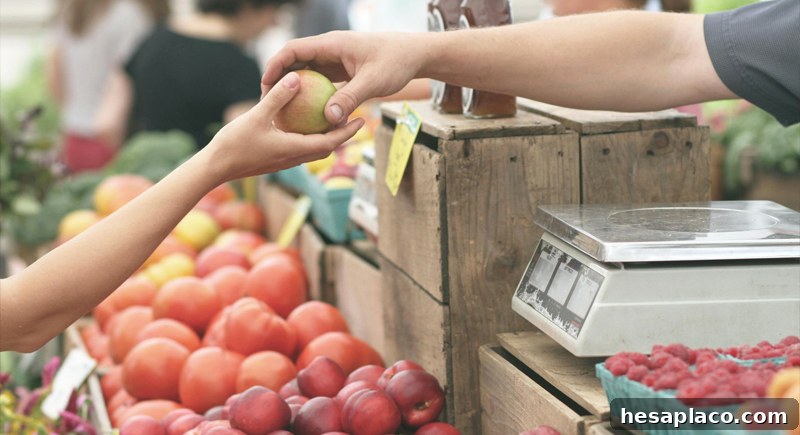
Supermarkets often stock produce year-round, but off-season fruits and vegetables typically cost more and may have lower flavor. Buy what’s in season locally for better taste and value. Frozen or canned seasonal produce can also be a budget-friendly, nutritious option when fresh choices are expensive.
Impulse Buys at End Caps and Checkout

Credit: pexels
End-cap displays and checkout shelves are designed to tempt shoppers with impulse purchases. Sticking to a prepared shopping list and avoiding those aisles can prevent unnecessary extras from sneaking into your cart.
Pre-Cooked Bacon

Credit: flickr
Pre-cooked bacon is convenient for busy mornings, but it costs noticeably more than raw bacon. Cooking a standard package at home and storing extra cooked bacon in the fridge or freezer is usually cheaper and gives you better control over crispiness and portioning.
Pre-Shredded Cheese
Credit: flickr
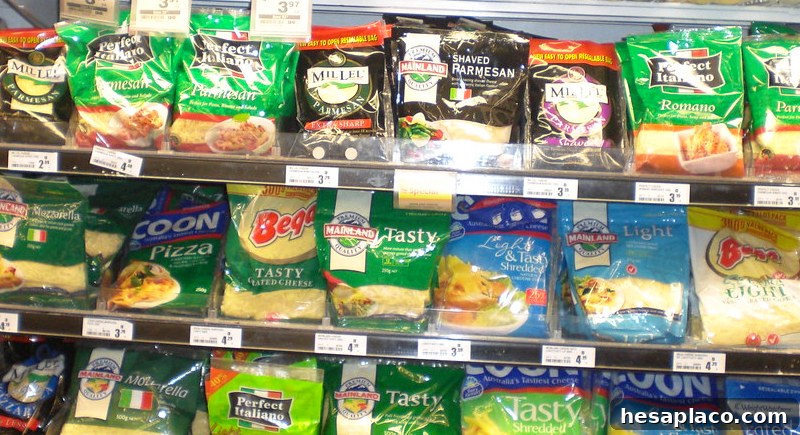
Pre-shredded cheese is convenient but often marked up. Buying a block of cheese and shredding it at home is typically fresher and cheaper. A small grater is inexpensive and makes this swap easy.
Seasoning Packets
Credit: Instagram
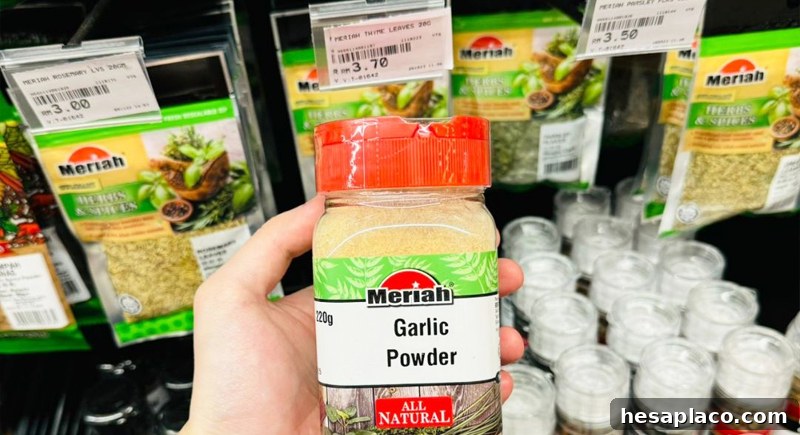
Pre-made seasoning mixes can be handy but are more expensive per serving than building flavors from your own spice rack. Basic spices and pantry staples let you tailor seasonings and often last longer, delivering more value.
Coffee Pods

Credit: pxhere
Single-serve coffee pods are convenient but add up quickly. A reusable filter, a French press, or a drip coffee maker typically lowers the cost per cup and produces less waste, making them economical and sustainable choices for daily coffee drinkers.
Pre-Made or Pre-Chopped Convenience Foods
Credit: Facebook
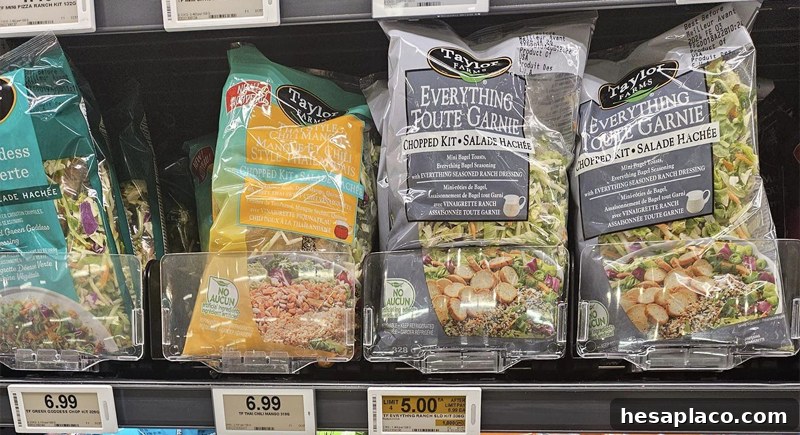
Products that require extra processing—pre-spiralized vegetables, chopped salads, or pre-riced cauliflower—carry a convenience markup. If you have a few minutes, doing simple prep at home typically saves money and reduces packaging waste. A sharp knife or a basic kitchen tool can replace many pre-prepared items.
Small changes in shopping habits add up over time. By prioritizing whole ingredients, choosing store brands, and doing a bit of prep at home, you can lower your grocery bill while still enjoying flavorful, nutritious meals.