
Are you dreaming of a peaceful retirement by the sea or among scenic landscapes? Many envision golden sunsets, leisurely walks, and relaxed days. But rising living costs, unexpected taxes, and growing healthcare expenses can turn those dreams into financial stress. Below is a careful review of once-idyllic retirement destinations that may now present financial pitfalls. Use this guide to help make your retirement planning more resilient and realistic.
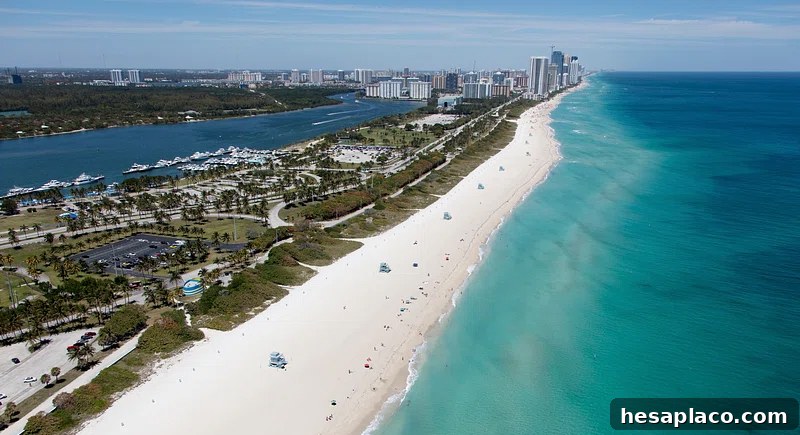
Florida: Rising Prices and Weather Risks
Credit: pexels
Florida’s sunny climate and long coastlines have long attracted retirees, but the state faces economic and environmental pressures. An influx of remote workers and affluent newcomers has driven up housing costs in popular cities like Miami and Orlando, eroding affordability for people on fixed incomes. Additionally, frequent hurricanes and rising insurance premiums add another layer of uncertainty to household budgets. Retirees should factor in potential increases in property and insurance costs when considering a move to Florida.
California: Natural Beauty, High Cost

Credit: pexels
California’s landscapes—from mountains to coastline—are undeniably appealing. At the same time, the state carries some of the nation’s highest tax burdens and steep real estate prices, driven by a chronic housing shortage. Cities such as San Francisco and Los Angeles can be prohibitive for retirees on fixed incomes, and higher-than-average healthcare and utility expenses further tighten budgets. If you favor California, look beyond the headline attractions and carefully evaluate long-term affordability.
Hawaii: Paradise with a Price Tag

Credit: pexels
Hawaii’s lush scenery and relaxed culture are magnetic, but living costs remain among the highest in the U.S. Everyday expenses—food, housing, fuel—are often well above mainland averages. The islands’ remoteness increases shipping and healthcare costs, which can strain retirement savings. Prospective retirees should ensure they have a sizable nest egg to offset these ongoing expenses if they plan to live in Hawaii long-term.
Nevada: Growth, Climate, and Resource Concerns

Credit: Wikimedia Commons
Las Vegas and other Nevada cities offer entertainment and a comparatively favorable tax environment, but rapid population growth has pushed up costs. The desert climate creates high energy bills during hot summers, and long-term water scarcity raises questions about sustainability and future living conditions. Retirees should weigh these environmental and infrastructure risks alongside any tax advantages.
Arizona: Heat and Hidden Expenses

Credit: pexels
Arizona draws retirees with warm winters and abundant recreational options like golf. However, intense summer heat increases cooling costs substantially, and summer storms and desert wildlife can present additional lifestyle and maintenance expenses. While property taxes may be modest, sales taxes in many Arizona cities can take a noticeable bite from monthly budgets. Consider seasonal costs and health impacts before committing to retirement in hot desert regions.
Colorado: Outdoor Appeal, Elevated Costs

Credit: pexels
Colorado’s mountains and outdoor lifestyle attract many retirees, but popularity has driven housing costs well above the national average. Higher elevation can also affect health for some individuals, potentially increasing medical expenses. When planning retirement in Colorado, budget realistically for housing and consider any health-related costs tied to altitude and outdoor activities.
Texas: No State Income Tax, but Other Trade-offs

Credit: flickr
Texas’ lack of a state income tax may seem attractive, but rapid growth in cities like Austin and Dallas has driven up housing and living costs. Crime rates in some urban areas and variability in local services mean retirees should carefully research neighborhoods and communities. Securing a safe, affordable area that offers the amenities you need will be essential when considering Texas as your retirement base.
New York: Culture Versus Cost

Credit: pexels
New York offers unmatched cultural and social resources, but the cost of living—especially in New York City—can be prohibitively high for retirees. Housing, healthcare, and everyday expenses outpace many other regions. Even some upstate areas that once offered cheaper alternatives have seen price increases. Consider whether the cultural benefits justify the financial strain for your personal situation.
New Jersey: High Taxes and Expenses

Credit: Wikimedia Commons
New Jersey shares proximity to New York’s amenities but also many of its financial drawbacks. High property taxes and a cost of living above the national average can quickly deplete retirement funds. Healthcare and transportation expenses are additional considerations that can make New Jersey a challenging choice for those on fixed incomes.
Massachusetts: Quality Services, Higher Costs

Credit: flickr
Massachusetts attracts retirees with excellent healthcare and rich cultural offerings, but these advantages come with higher living and tax costs. Cities like Boston have especially expensive housing markets. While healthcare quality is high, the associated costs may complicate retirement budgets. Weigh the benefits of top-tier services against the strain on your savings.
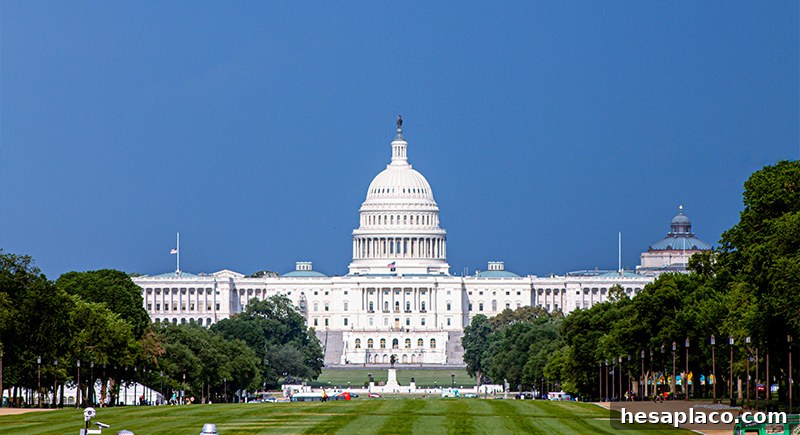
Washington: Scenic, but Costly
Credit: pexels
Washington state’s natural beauty and outdoor access are strong draws, yet cities like Seattle have seen sharp housing cost increases thanks to tech industry expansion. Sales taxes and higher everyday expenses can compress retirement budgets. If you’re considering Washington, examine local tax rates and housing markets carefully to ensure long-term affordability.
Oregon: Outdoor Life, Tax Impact

Credit: pexels
Oregon’s forests and coastlines offer great lifestyle perks, but state income taxes can reduce retirement income, especially for those with significant investment earnings. Housing costs in cities such as Portland have been on the rise, and that trend can make settling there more expensive than expected. Factor in tax policy and housing trends when assessing long-term viability.
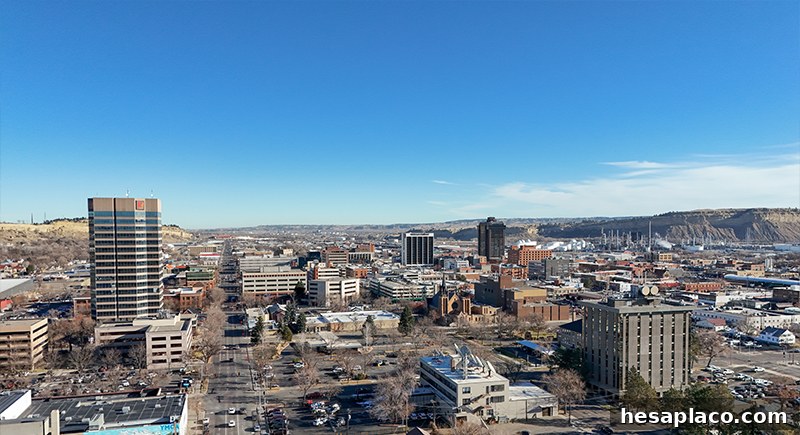
Montana: Space and Seasonal Costs
Credit: Wikimedia Commons
Montana’s wide-open spaces appeal to retirees seeking quiet and outdoor recreation, but remote living brings trade-offs. Harsh winters increase heating costs and can make travel and access to services more difficult. While property taxes may be manageable, state income taxes and higher transportation expenses in rural areas can affect fixed-income households. Plan for seasonal costs and logistical challenges if choosing Montana.
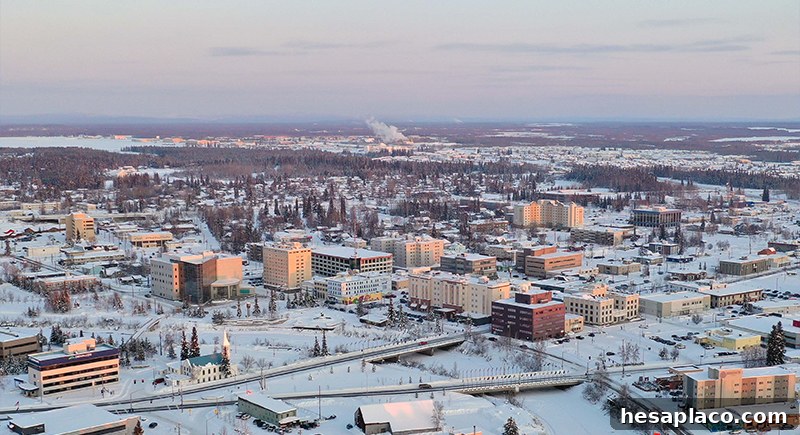
Alaska: Wilderness with Practical Challenges
Credit: Wikimedia Commons
Alaska’s pristine environment and cultural uniqueness attract adventurous retirees, but the state poses practical challenges. Long, cold winters mean high heating costs, and remote communities often have limited access to specialized healthcare. Higher living costs in urban centers like Anchorage can further strain budgets. Prospective retirees should assess healthcare access, heating expenses, and supply-chain impacts before relocating to Alaska.
Maine: Coastal Charm, Tax and Weather Factors

Credit: flickr
Maine’s rocky coast, fishing villages, and cultural life are attractive to retirees, but coastal property taxes can be high and long winters raise heating bills. Rural areas may also have limited medical services and transportation options, factors that can increase costs or complicate access to care. If Maine appeals to you, factor in seasonal expenses and service availability when evaluating retirement feasibility.
Choosing where to retire requires balancing lifestyle wishes with financial realities. Each of the locations above offers unique benefits but also specific cost pressures or practical challenges that can strain retirement budgets. Before deciding, calculate long-term expenses—including taxes, housing, utilities, insurance, and healthcare—and consider visiting potential locations in different seasons to gain a realistic picture of costs and living conditions.