
Have you ever wondered what distinguishes the world’s most successful CEOs from everyone else? Often it’s their unusual, highly disciplined habits that keep them performing at peak levels. From prioritizing sleep to practicing meditation, these leaders follow routines that may seem odd but clearly support their success. Below is a polished look at the daily rituals and mindsets that help shape their decisions, productivity, and long-term vision.
Steve Jobs: Simplifying Wardrobe Choices
Credit: flickr
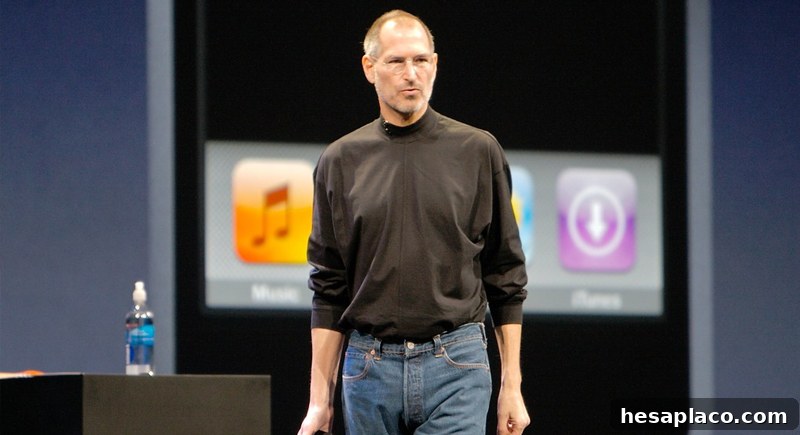
Steve Jobs adopted a minimalist wardrobe—his signature black turtleneck, jeans, and sneakers—not as a fashion choice but to minimize daily decisions. Influenced by observing Japanese corporate uniforms, Jobs treated clothing as a utility that conserved mental energy for strategic problem-solving. That habit helped him concentrate on critical decisions and inspired many in tech to adopt a consistent “uniform” for efficiency.
Mark Zuckerberg: A Similar Clothing Philosophy
Credit: Wikimedia Commons
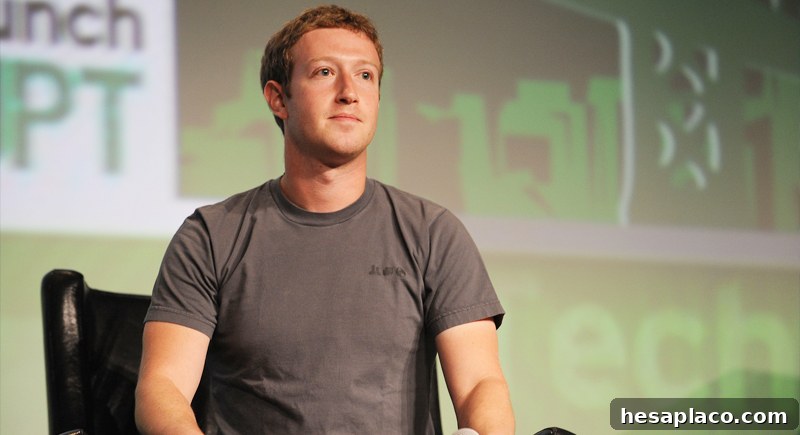
Mark Zuckerberg follows the same logic with his understated gray T-shirts and hoodies. By reducing the number of trivial choices, he aims to free up cognitive resources for higher-priority work at Meta. His minimalist approach to attire reflects a broader preference for simplicity and consistency in leadership and product strategy.
Warren Buffett: Frugal Living
Credit: flickr
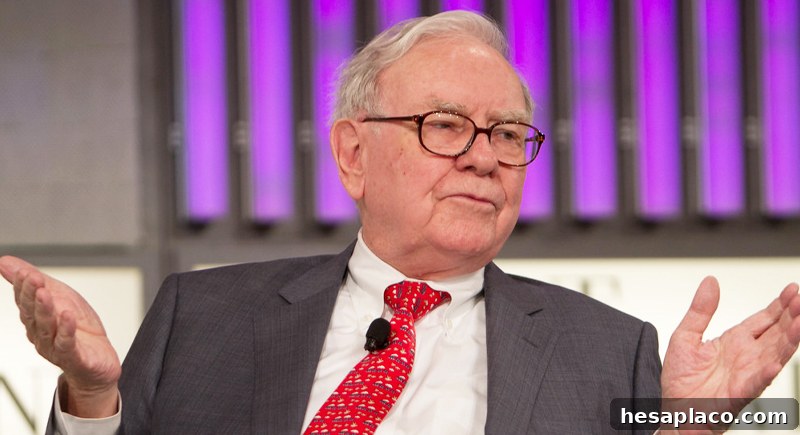
Despite enormous wealth, Warren Buffett lives modestly—he’s lived in the same house since 1958, favors simple meals, and drives an older car. His frugality reflects a disciplined investment mindset that values long-term returns over conspicuous spending. Buffett’s lifestyle underscores how prioritizing value and restraint can be central to building and preserving wealth.
Elon Musk: Time Blocking for Intensity
Credit: flickr
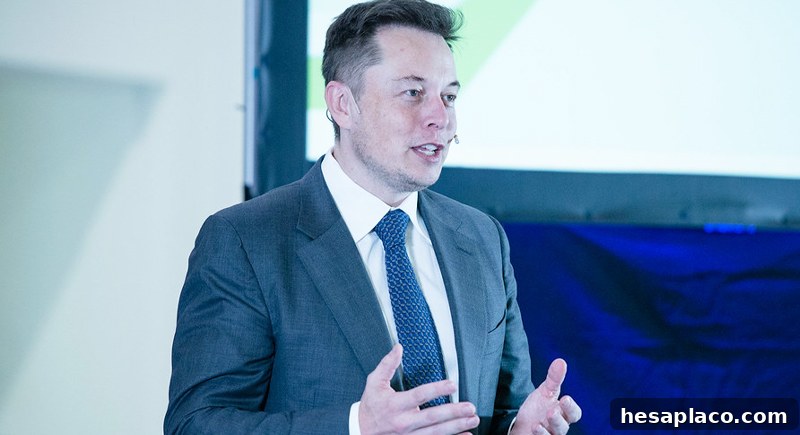
Elon Musk organizes his day into extremely tight time blocks—often five-minute increments—to manage the enormous demands of running SpaceX and Tesla. This granular scheduling helps him switch focus quickly and maximize productivity. He also emphasizes candid employee feedback, which reinforces a culture of continuous improvement and rapid iteration.
Jeff Bezos: Prioritizing Sleep
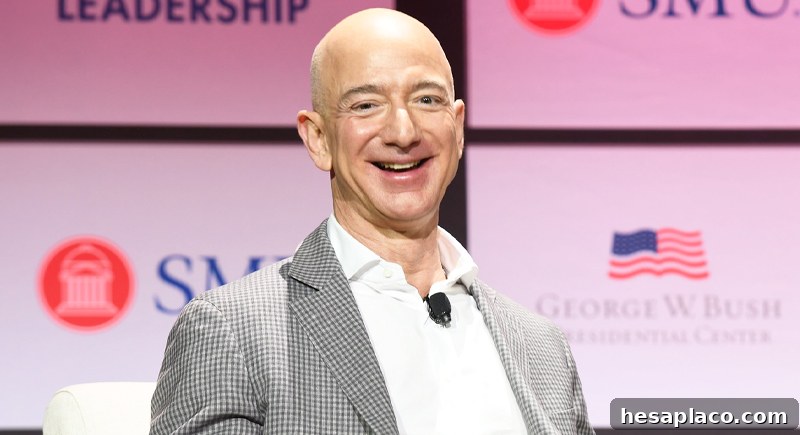
Credit: flickr
Contrary to the glorified all-nighter culture, Jeff Bezos insists on getting a full eight hours of sleep. He believes well-rested minds make better choices, so he schedules his calendar to avoid early-morning meetings when possible. Bezos’s approach emphasizes that cognitive clarity and sound judgment often depend on adequate rest, not relentless work.
Bill Gates: Think Weeks for Deep Work

Credit: X
Bill Gates retreats twice a year for “Think Weeks,” during which he steps away from daily operations to read, reflect, and explore big ideas. Isolated in a cabin, Gates studies curated papers and research to spark innovation. These dedicated blocks of uninterrupted time highlight the importance of deep reflection in shaping long-term strategy and creative breakthroughs.
Jack Dorsey: Ice Baths, Saunas, and Meditation
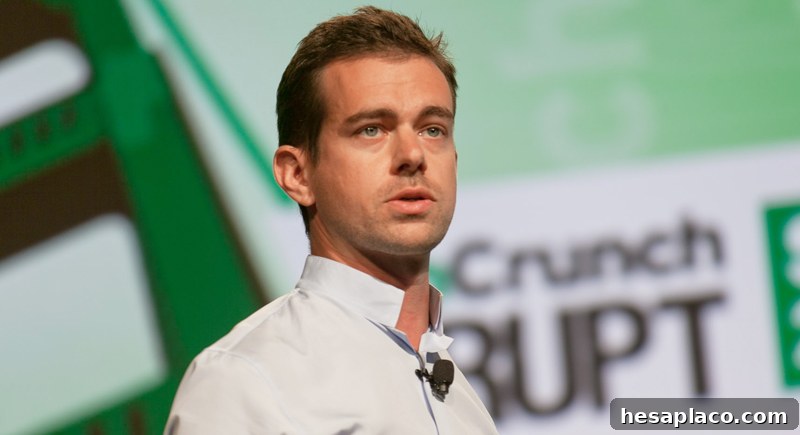
Credit: Wikimedia Commons
Jack Dorsey integrates contrast therapy—ice baths and saunas—into his mornings to boost resilience and mental clarity. He also commits to long Vipassana meditation sessions, emphasizing self-awareness and emotional balance. These wellness practices inform a leadership style that values mental discipline and personal health as foundations for professional performance.
Arianna Huffington: Digital Detox for Better Sleep
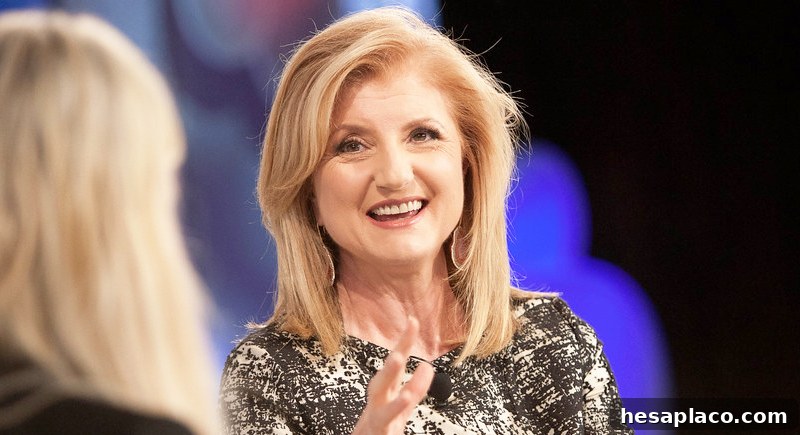
Credit: flickr
After experiencing burnout, Arianna Huffington became a vocal advocate for unplugging before bed. She promotes removing devices from the bedroom to protect sleep quality and overall wellness. Huffington’s message reframes success to include health and balance, stressing that sustainable productivity requires boundaries around technology.
Richard Branson: Exercise and Spontaneous Ideas
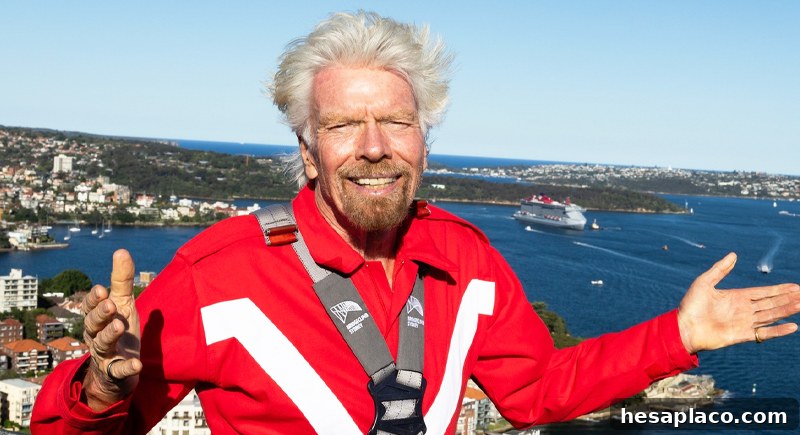
Credit: Facebook
Richard Branson starts his days with physical activities like kite surfing or tennis to boost energy and creativity. He always carries a notebook to capture sudden ideas, blending active living with constant curiosity. This combination keeps him adventurous and open to new opportunities—traits central to his entrepreneurial success.
Marissa Mayer: High-Intensity Work Periods

Credit: flickr
Marissa Mayer is known for intense work marathons, often putting in extremely long weeks and leaning into the hours when she’s most productive. While such intensity requires trade-offs, it illustrates a commitment to focus and execution. Her approach highlights that individual productivity rhythms vary and success can stem from aligning work patterns with personal peak performance.
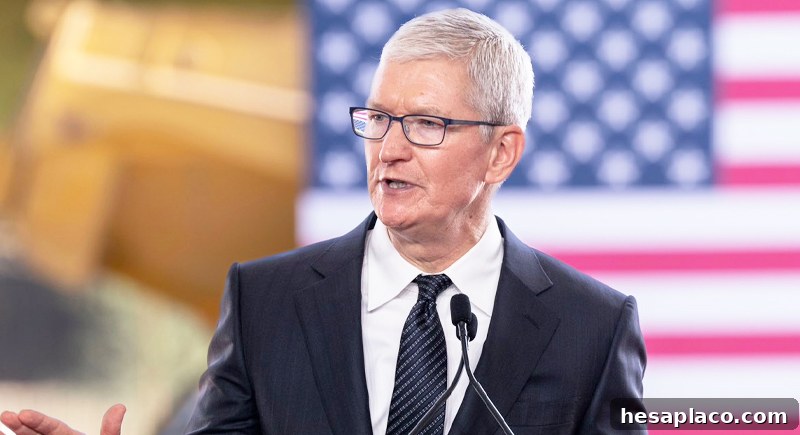
Tim Cook: Early Rising and Discipline
Credit: X
Tim Cook begins his day around 3:45 a.m., using the quiet hours to manage global operations and address critical emails. He also prioritizes morning workouts to maintain physical and mental stamina. Cook’s routine emphasizes discipline, preparation, and the value of carving out uninterrupted time for strategic work.
Satya Nadella: Mindfulness and Empathy

Credit: flickr
Satya Nadella has reshaped Microsoft’s culture by emphasizing empathy and a growth mindset. He encourages learning from setbacks and fostering psychological safety across teams. Nadella’s focus on emotional intelligence and curiosity has been central to renewing Microsoft’s approach to innovation and collaboration.
Larry Page: Obsession with Efficiency

Credit: Facebook
Larry Page prioritizes efficiency in both his personal habits and Google’s design ethos. Even small choices—like keeping his hands warm to type comfortably—reflect a broader commitment to speed and simplicity. That relentless focus on removing friction has guided Google’s approach to product development and user experience.
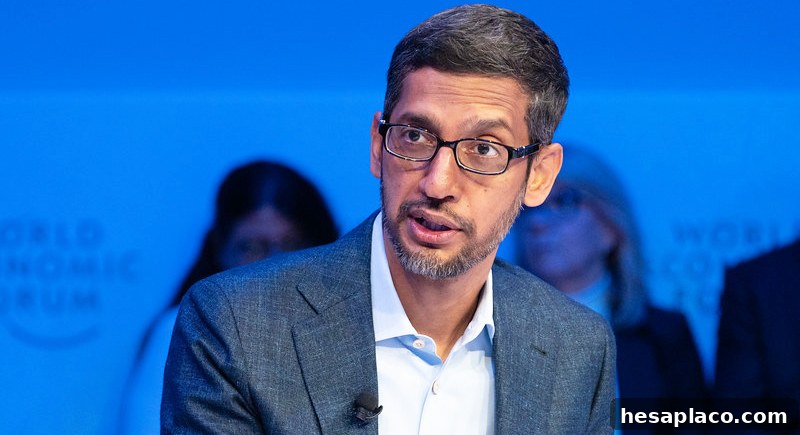
Sundar Pichai: Balancing Screen Time with Offline Interests
Credit: flickr
Sundar Pichai stresses the importance of balancing screen time with offline activities to spark creativity. An avid cricket fan, he draws parallels between sport strategy and business decisions. Pichai believes diverse experiences and periods away from screens strengthen problem-solving and creative thinking.
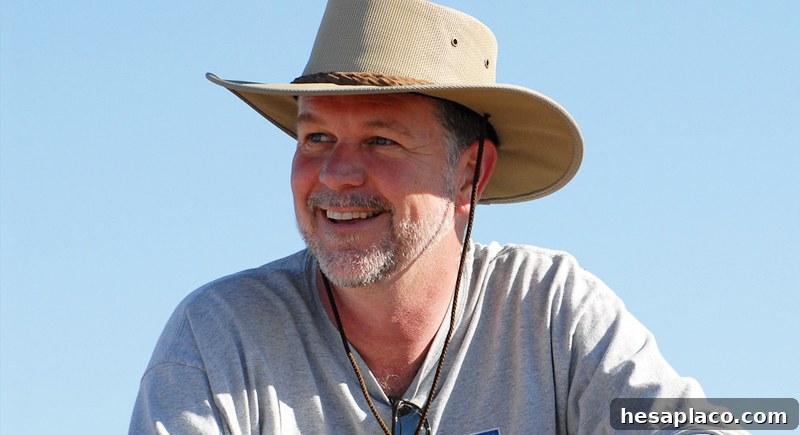
Reed Hastings: Long Vacations to Recharge
Credit: flickr
Reed Hastings advocates taking substantial time off—about six weeks a year—to rest and renew creativity. This belief in extended breaks is reflected in Netflix’s culture, which balances freedom with accountability. Hastings’s approach shows how sustained rest can help leaders and teams return to work with fresh perspectives and renewed energy.
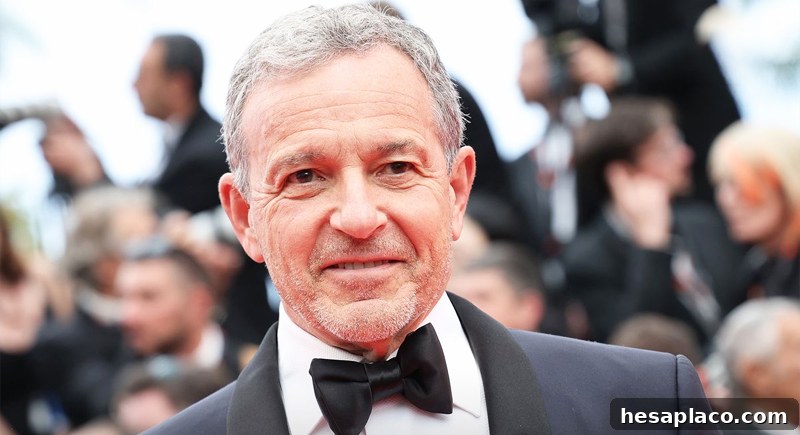
Bob Iger: Early Mornings for Focus
Credit: Facebook
Bob Iger wakes at 4:30 a.m. to read, exercise, and pursue photography—habits that create quiet space for reflection and creativity. These morning rituals support strategic thinking and help maintain a calm, focused mindset essential for leading a large entertainment company.
Oprah Winfrey: Spiritual Mornings and Gratitude

Credit: Facebook
Oprah Winfrey begins her day with meditation, exercise, and journaling, emphasizing intentionality and gratitude. These practices reinforce a mindset of well-being and purpose that guides both her personal life and professional endeavors. Her consistent focus on inner work demonstrates how mindfulness can sustain creativity and compassionate leadership.
Across these varied routines there’s a common thread: high achievers shape their days intentionally to protect attention, support mental and physical health, and create space for deep thinking. Whether through sleep, exercise, solitude, or disciplined scheduling, these leaders use habits to sharpen focus and guide bold decisions—reminding us that sustainable success often starts with thoughtful daily practices.