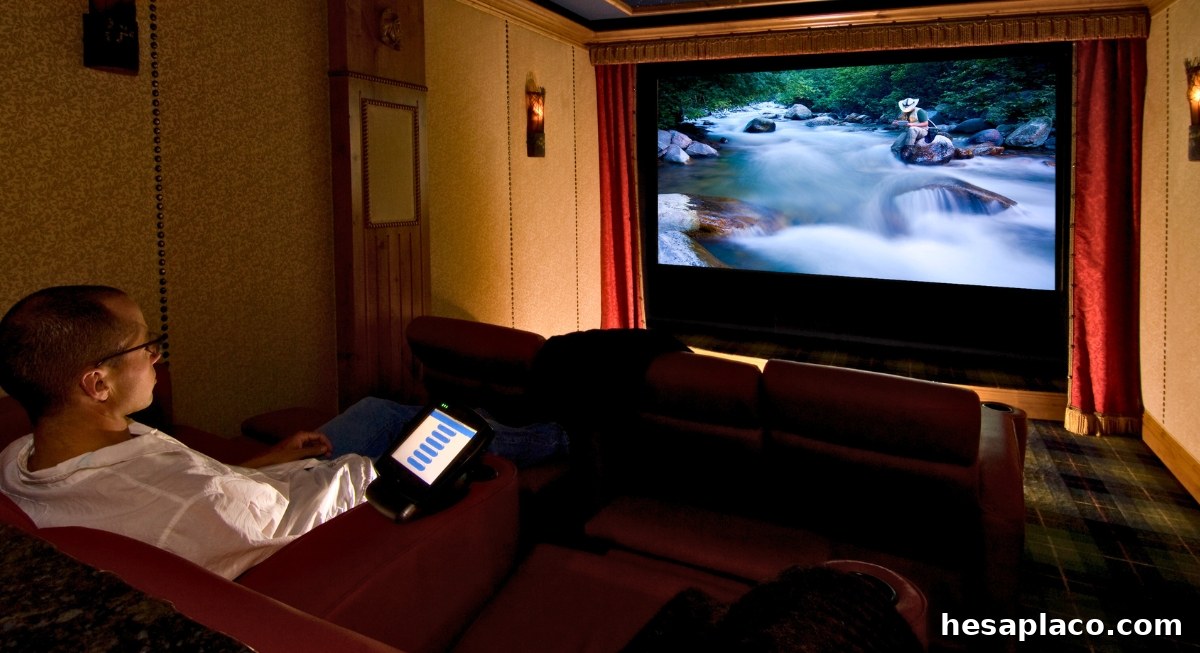
Buying a home theater often feels like a clear upgrade at the moment: promises of richer sound, sharper images, and a more immersive experience are hard to resist. Yet after a few movie nights, many of these purchases barely register. Modern TVs and audio systems already perform very well out of the box, so expensive add-ons frequently produce little perceptible benefit once everything is set up. Shiny specs and brand prestige can be tempting at checkout, but they often provide diminishing returns in everyday use. The result: gear that demands a lot financially while contributing only marginal improvements to real-world enjoyment.
Gold-Plated HDMI and Audio Cables
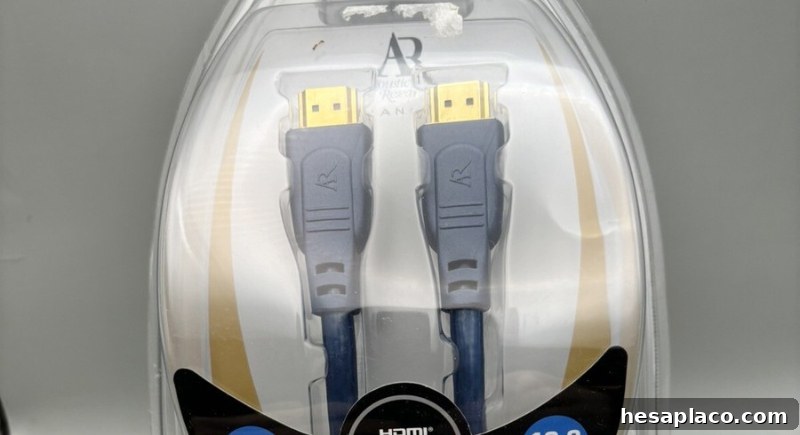
Credit: ebay
Digital signals are binary: they either arrive intact or they don’t. Under normal home conditions, a standard copper HDMI cable that meets HDMI 2.1 specs delivers the same picture and audio quality as a much pricier gold-plated alternative. Indoor corrosion is seldom an issue with modern connectors, and paying extra only makes sense if you need greater durability or active (powered) cable runs for longer distances. For most users, a well-made, spec-compliant cable is all that’s required.
Ultra-Expensive Speaker Wire
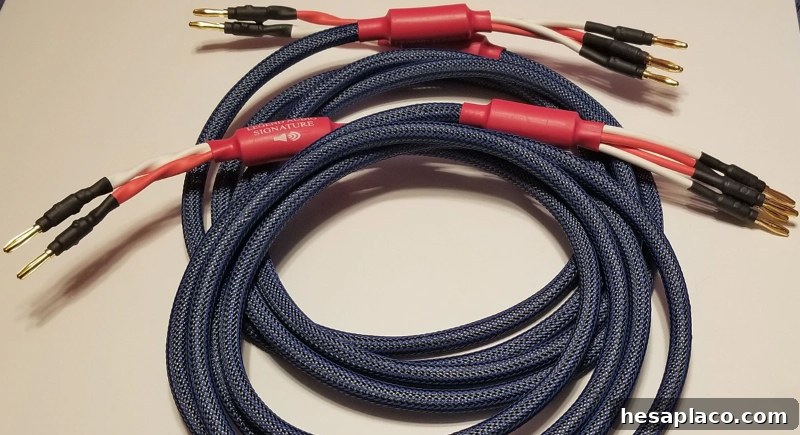
Credit: ebay
High-end speaker wire marketing often emphasizes conductor purity, special geometries, and directional markings. In practical home setups, however, standard 12- or 14-gauge copper wire already keeps resistance low enough for nearly all speaker systems. Controlled listening tests repeatedly show no audible advantage for exotic cables over good-quality, conventional copper when levels are matched. Unless you need very long runs or special installation properties, save your money for speakers or room treatment.
Standalone DACs For Movie Playback
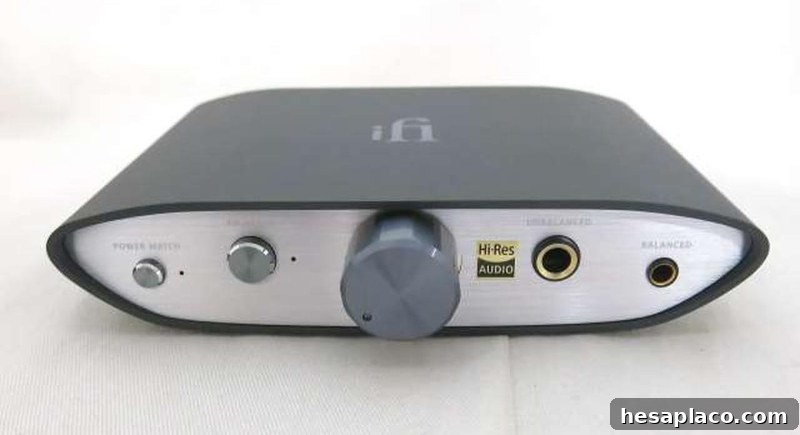
Credit: ebay
Most modern televisions, receivers, Blu-ray players, and streaming devices include capable digital-to-analog converters that can handle mainstream formats like Dolby Atmos and DTS. External DACs can show slightly better measurements in lab tests, but the audible improvement for movie soundtracks is typically negligible. What really affects dialog clarity, soundstage, and bass impact is speaker quality and room acoustics, not swapping DAC chips.
Chasing Lossless Audio At All Costs
Credit: ebay
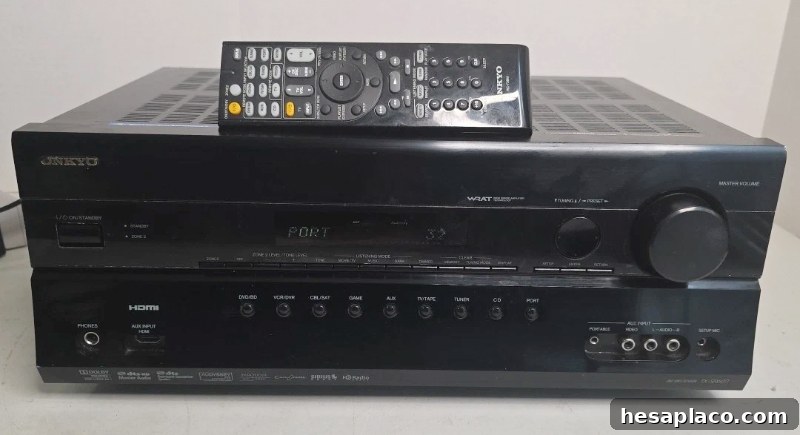
Lossless codecs like Dolby TrueHD and FLAC look impressive on paper because they preserve more original data. In practice, good lossy compression already exceeds the audible limits of most listeners and most playback systems. Additionally, many older film soundtracks were mixed with limited dynamic range, so the theoretical advantage of lossless audio may never materialize. Spending hundreds more for guaranteed lossless support often yields more satisfaction on spec sheets than in actual listening sessions.
THX Certification
Credit: Youtube
THX established useful standards for consistent cinema playback in past decades, but today’s consumer AV gear typically meets or exceeds those benchmarks without requiring a specific badge. Owning a THX-certified product doesn’t automatically guarantee superior bass integration, clearer dialogue, or better HDR performance in your room. Speaker quality, correct placement, and proper calibration are far more influential than certification stickers.
IMAX Enhanced Ecosystems

Credit: ebay
IMAX Enhanced promises larger aspect ratios and DTS:X audio for select titles, but the library of compatible content remains small. In many markets, only a handful of streaming releases and a few studio catalogs support the format, while Dolby Atmos and Dolby Vision dominate both disc releases and mainstream streaming services. Investing extra for IMAX Enhanced support often results in features that go largely unused.
High-End Theater Seating
Credit: Wikimedia Commons
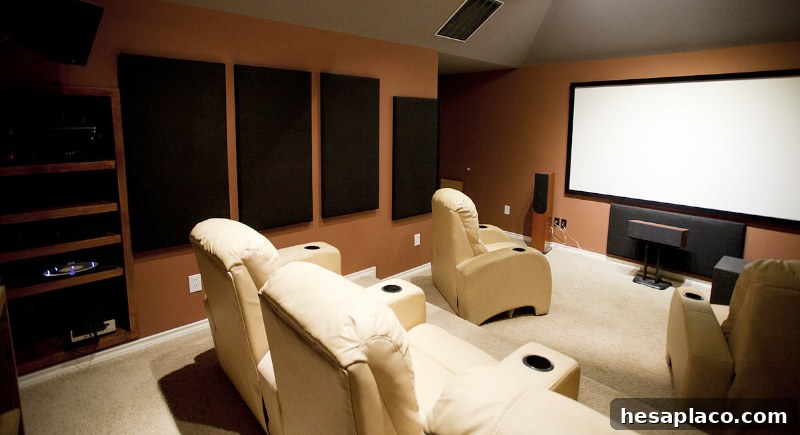
Purpose-built theater recliners can mimic a commercial cinema’s look, but many sacrifice long-term comfort and flexibility. Some models limit recline positions, separate couples across individual chairs, and concentrate the best listening position into a single seat. For everyday viewing—movies, sports, TV—a high-quality sectional or sofa often offers better comfort and more adaptable seating for groups and family use.
Ignoring Room Treatment While Buying Gear
Credit: iStockphoto
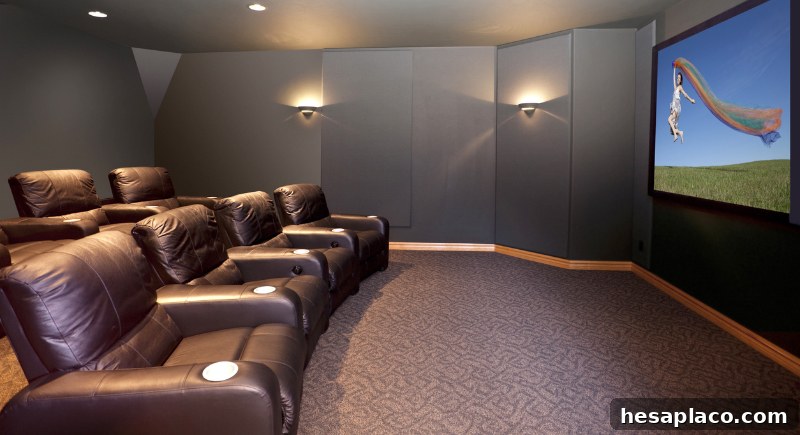
Spending heavily on speakers but skipping basic acoustic treatment is a common misstep. Untreated rooms introduce reflections, muddy bass, and sibilant dialogue. Adding relatively inexpensive DIY absorption panels made from rigid fiberglass or rockwool, plus strategic bass trapping, often yields far greater audible improvements than upgrading electronics. Likewise, adding a second subwoofer usually smooths low-frequency response more effectively than buying a single, pricier model. In short, the room shapes the sound long before the signals reach your speakers.
Overbuying Receiver Channels
Credit: Wikimedia Commons
Choosing an AVR with too few channels can force expensive upgrades later, while buying a flagship receiver with dozens of channels you’ll never use wastes money better spent on speakers or subwoofers. For most home theaters, selecting a receiver that matches realistic expansion plans—such as reserving room for Atmos height channels—strikes the best balance between future-proofing and sensible spending.
Perfection-Chasing Through Endless Tweaks
Credit: ebay
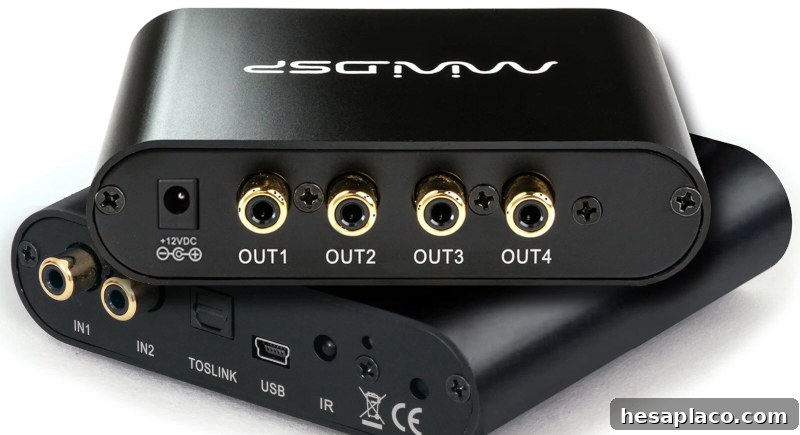
Measurement and calibration tools like REW and MiniDSP offer valuable insights, but obsessive tweaking can consume time without noticeably improving enjoyment. Minor frequency dips and peaks that appear on graphs often have little impact during actual movie playback and may even vanish depending on content and listening position. Most systems sound excellent once you reach a sensible calibration baseline—after that, chasing a perfectly flat graph often yields diminishing returns. Great films such as Dune or Mad Max: Fury Road remain exhilarating even when measurements aren’t immaculate.