
When you’re selling your home, you naturally highlight its best features. Still, there are certain issues that can quickly turn buyers away. From dated finishes to strong odors, even one negative attribute can make a prospective buyer move on to the next listing.
If you’re preparing to list your property, here are expert-backed insights into the 12 most common turnoffs that buyers prefer to avoid, and what you can do about them.
Outdated Kitchen
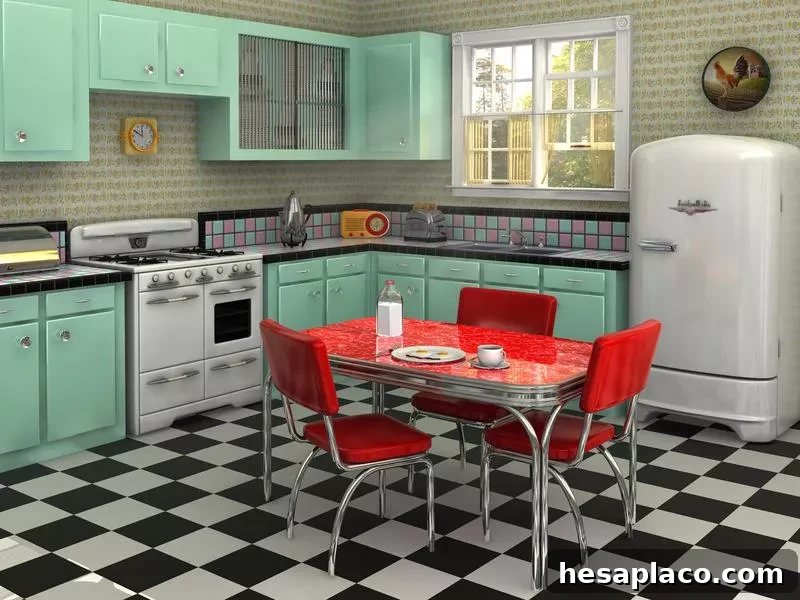
An updated kitchen helps sell houses faster than nearly any other improvement, realtors say.
Buyers generally want a home they can move into without launching a long list of immediate projects. Real estate professionals consistently advise making the kitchen a priority: it’s often the room that sells a house. Small, cost-effective updates — new cabinet hardware, a fresh coat of paint on cabinets, and modern appliances — can dramatically modernize the space and boost your resale appeal. If you plan to invest in more extensive renovations, start with the kitchen to maximize return.
Animal Smells

Selling a home with pets can be challenging; lingering animal odors are an instant turnoff for some buyers.
While many buyers love animals, they don’t want pet odors in their potential new home. Persistent smells from multiple pets can make buyers hesitate or even eliminate the property from consideration. Thorough cleaning, professional carpet cleaning, and addressing hidden sources like vents, upholstery, and pet areas can help remove odors and keep buyers from making snap judgments.
Poorly Executed DIY Projects

For many renovations, hiring a licensed professional is worth the investment; shoddy DIY work can diminish perceived value.
Partial or poorly finished renovations often reduce the perceived value of a home. Incomplete updates or mismatched finishes can make buyers question the overall quality of the property. For certain jobs—especially plumbing, electrical, and tile work—hiring a licensed contractor usually pays off, both in appearance and buyer confidence. If a fix is needed, either match existing materials or fully complete the update to avoid looking unfinished.
Location Limitations

How your home sits within its surroundings strongly influences resale value and buyer interest.
Some factors are out of a seller’s control: a small yard, proximity to a busy road, or an undesirable neighborhood characteristic can all be deal breakers for some buyers. Because these traits are immutable, you’ll likely need to price your home competitively so buyers can overlook location drawbacks, or be prepared for fewer offers and longer market time.
Unusual Paint Colors and Excessive Wallpaper
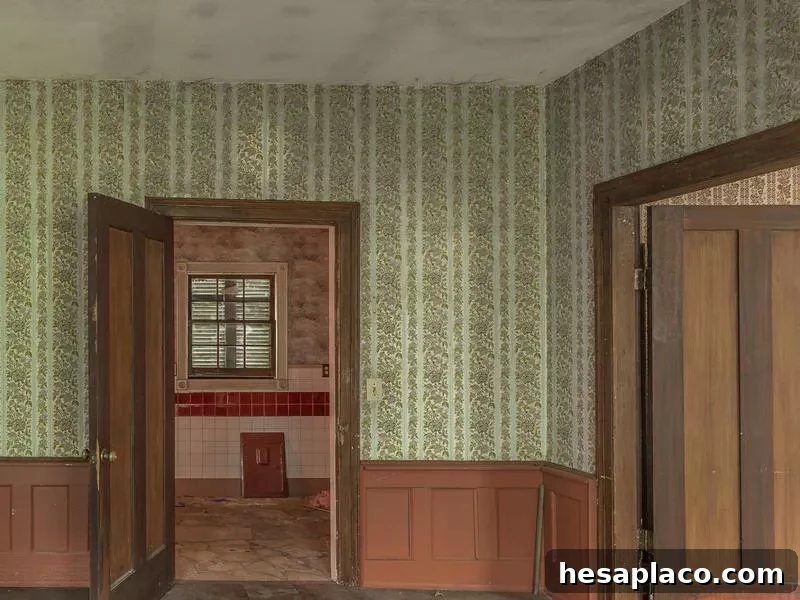
Bold paint and wallpaper are often very personal and can limit appeal; neutral tones broaden buyer interest.
Bright, eccentric paint colors and heavy wallpaper tend to narrow appeal. Neutral, light tones help spaces feel brighter and allow buyers to envision their own décor. Wallpaper can be particularly problematic because removal is time-consuming and costly. Repainting main living areas in neutral shades is one of the simplest changes that can make a big difference in how buyers perceive your home.
Outdated Bathrooms
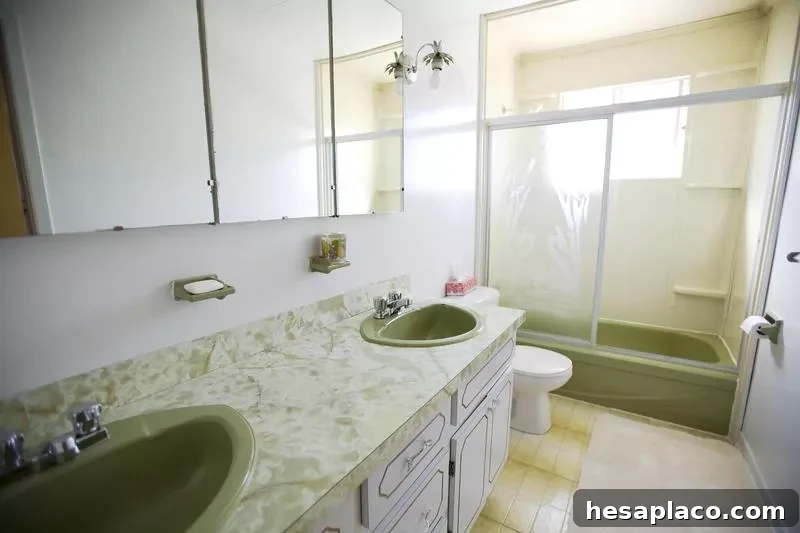
An outdated bathroom is a common buyer concern; modern, clean updates increase appeal and return.
Like kitchens, bathrooms are high-priority rooms for buyers. Carpeted bathrooms and vintage fixtures can be major red flags. Depending on the condition, a full or partial renovation may be necessary. Even modest upgrades—new fixtures, modern lighting, refreshed tile, or updated vanity hardware—can deliver a strong return and make the space feel current and inviting.
Personal or Unusual Decor

Remove highly personal items or decor that could distract buyers; the goal is for them to picture themselves in the space.
Buyers need to be able to imagine themselves living in your home. Strongly personal photos, superstitious objects, or polarizing art and artifacts can distract or alienate potential buyers. Decluttering and depersonalizing—storing family photos and removing unusual or controversial items—helps visitors focus on the home itself rather than the current owner’s tastes.
Popcorn Ceilings

Popcorn ceilings are widely disliked; removing them—or at least getting a removal estimate—can reassure buyers.
Popcorn ceilings are commonly cited as an eyesore. While not always a deal breaker, they can prompt buyers to ask about removal costs or assume larger hidden issues. Getting a contractor estimate for removal before listing can help you decide whether to remove them or adjust your pricing accordingly.
Awkward Room Layouts

An unusual or inefficient layout can make it harder for buyers to picture how they’d use the space.
Older homes often present layout challenges that some buyers find off-putting. While you can’t change a home’s footprint easily, good staging and thoughtful furniture placement can help potential buyers see functional uses for awkward spaces. Some buyers will value solid construction and see opportunities for cosmetic updates, but others may be deterred by a layout that doesn’t match their needs.
Dirt and Clutter

A clean, uncluttered home lets buyers better imagine using the space; mess and grime invite low offers.
Clutter and lack of cleanliness are major turnoffs. Buyers should be able to visualize how they would use each room; excessive personal items and mess make that difficult. A thorough clean—including carpets, grout, vents, and less obvious areas—can dramatically improve perception. If time is limited, hiring professional cleaners and organizers is often worth the expense and can lead to stronger offers.
Overpowering Air Fresheners

Heavy scents can make buyers suspicious that you are masking odors; neutral, subtle freshness is best.
While you should eliminate unpleasant odors, masking them with an abundance of plug-ins, candles, or strong air fresheners can raise red flags for buyers. Strong scents may prompt questions about what’s being concealed. Focus on odor removal—clean carpets and upholstery, wash linens, ventilate the home—and opt for light, natural scents if needed.
Major Systems Nearing End of Life
Buyers expect routine maintenance, but when several major systems are close to failure—such as the furnace, HVAC, roof, water heater, or windows—it can be a significant deterrent. Home inspectors typically flag these items, which can lead buyers to request repairs or reduce their offer. When possible, consider replacing or repairing major components before listing, or be prepared to reflect their condition in your pricing and negotiations.
Ultimately, preparing a home for sale is about minimizing buyer objections and maximizing perceived value. Addressing key problem areas—cleaning vigorously, neutralizing decor, fixing incomplete projects, and prioritizing kitchens and bathrooms—can shorten time on market and attract stronger offers.