
We encountered a flood of saving tips and tricks in 2025. Social feeds became informal classrooms for personal finance, and millions tried new approaches—sometimes with clear wins, sometimes with a bit of regret. Not every idea lasted, but several trends changed how people think about budgeting, shopping, and planning. Below is a clear, practical summary of what worked, what didn’t, and why.
Loud Budgeting Made Saying No Acceptable
Credit: pexels
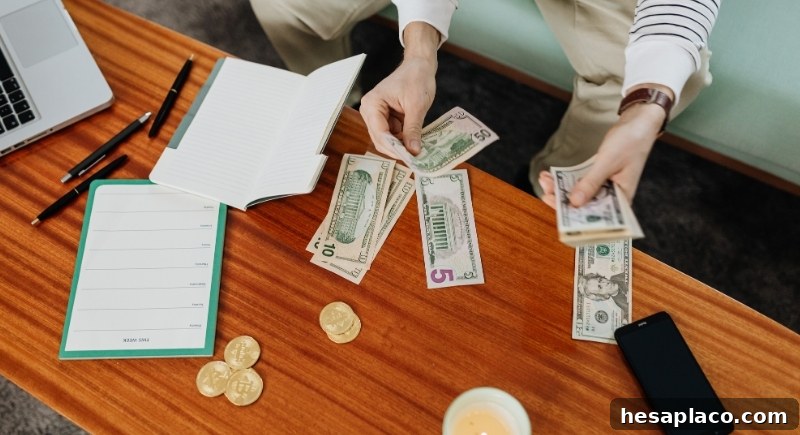
Loud budgeting encouraged open conversations about financial boundaries and replaced vague excuses with straightforward language. Instead of avoiding invitations or stretching the truth, people learned to say, “That’s not in my budget.” Making constraints visible reduced social pressure and made it easier to stick to priorities.
Cash Stuffing Looked Appealing but Didn’t Grow Wealth

Credit: Canva
Cash stuffing—separating money into labeled envelopes—was visually satisfying and helped people notice where they spent. However, keeping cash at home doesn’t protect against inflation or earn interest. The method increased short-term awareness but omitted the long-term benefits of interest-bearing accounts and digital savings tools that help money grow.
“Girl Math” Turned Spending Rationalizations into Humor

Credit: Canva
“Girl Math” made clever, playful justifications for purchases that resonated online. Its humor masked risky logic: returning part of a purchase doesn’t reduce original cost in a meaningful way, and bulk purchases only save money if they’re truly used. Entertaining to watch, but potentially misleading for real financial decisions.
Group Buying Turned Major Costs into Shared Savings

Credit: Canva
Group buying—splitting the cost of subscriptions, passes, or bulk items—made expensive services more affordable. Families, roommates, and friend groups used apps and shared spreadsheets to track contributions, lowering individual monthly bills without adding complexity. When done with clear communication and simple tracking, sharing costs produced steady savings.
Digital Round-Up Tools Made Saving Seamless

Credit: Canva
Round-up savings apps automatically placed spare change from everyday purchases into a savings account. Small transfers built up over time and made saving feel effortless for people who thought they had nothing left to set aside. For beginners and those intimidated by budgeting, these tools were an easy, low-effort introduction to consistent saving.
No-Spend Challenges Functioned as Short Resets
Credit: Getty Images
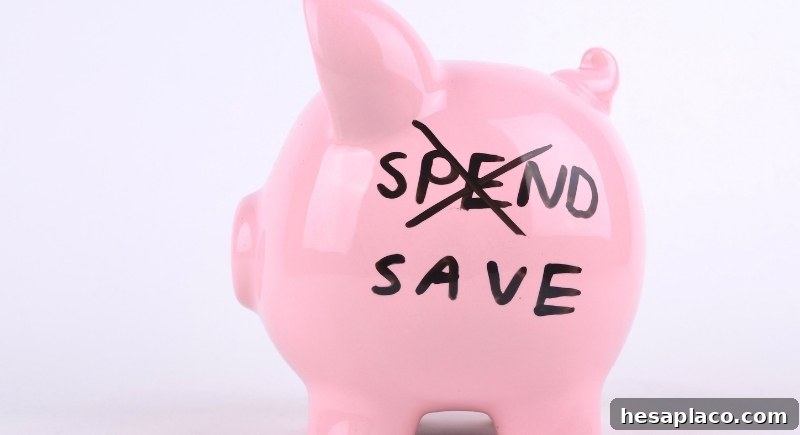
No-spend challenges—short periods with no discretionary spending—acted as quick behavioral resets. The defined start and end points made them manageable and motivational. Social amplification helped people share low-cost alternatives and creative ways to enjoy life without spending, turning restraint into community support rather than sacrifice.
Underconsumption-Core Encouraged Thoughtful Buying

Credit: Canva
Underconsumption-core rejected impulse buying and promoted secondhand goods, reusable products, and thoughtful consumption. It didn’t suit everyone, but for many it reframed less purchasing as gaining freedom—more time, space, and financial breathing room—rather than as deprivation. The trend highlighted sustainable, practical ways to live with less and focus on priorities.
“Poor People Habits” Reclaimed Frugality as Resourceful

Credit: Getty Images
Despite a blunt name, this Reddit-born movement celebrated practical, low-cost strategies—repairing items, reusing packaging, or finding clever substitutions. It reframed habits often dismissed as “cheap” into smart routines that extend value and reduce waste. The community focus made these tactics feel empowering rather than embarrassing.
Vibe-Based Budgeting Often Overlooked Reality

Credit: Canva
Vibe-based budgeting prioritized feelings over concrete numbers—spending according to mood rather than income or obligations. While appealing for its flexibility, it often led to overspending and anxiety when reality didn’t match sentiment. Sustainable budgets still require clear numbers and planning, even when you want room for spontaneity.
Subscription Cleanouts Delivered Quick Wins

Credit: Canva
Recurring charges are easy to ignore until someone audits their accounts. Canceling unused streaming services, gym memberships, and apps produced immediate savings for many people. Apps that identify recurring payments made audits faster and less painful, turning subscription cleanups into one of the year’s simplest, most effective money moves.
Overall, 2025’s money trends offered a mix of practical tools and fleeting fads. The most useful ideas combined accountability with simplicity—tools that automated saving, honest conversations about limits, and shared solutions that reduced individual costs. The less helpful trends were entertaining but often missed the financial basics: inflation, interest, and disciplined tracking. Applied thoughtfully, the year’s best lessons can still improve how people budget, save, and spend in the years ahead.