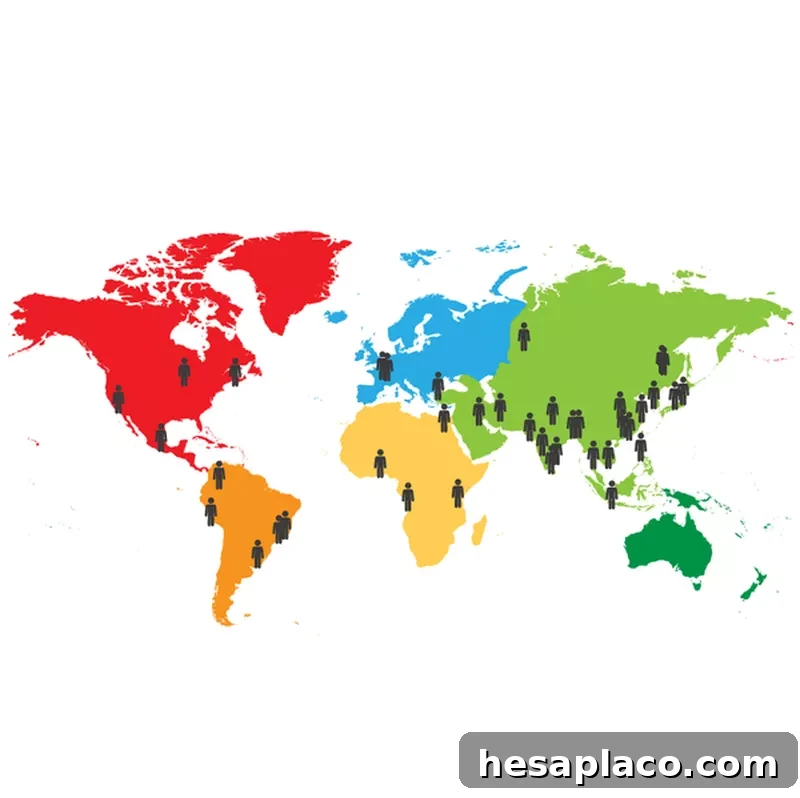
As cities keep expanding, many metropolitan areas are set to become even more densely populated. Over the next decade, urbanization will push several cities into the megacity category — metropolitan areas with 10 million or more residents — with developing countries accounting for much of this growth as household incomes rise and investment increases.
Research and projections point to significant demographic and economic shifts across current and emerging megacities. By 2030, these metropolitan centers are expected to account for roughly 9 percent of the world’s population and about 15 percent of global GDP. Some cities will grow rapidly in both population and economic output, while others—especially aging, developed megacities—will face slower population growth or even decline due to low birth rates and aging populations.
Below is a city-by-city overview of 33 established megacities and six emerging candidates expected to reach megacity status by 2030. Each entry summarizes current population and the main trends expected over the next decade, focusing on population change, economic prospects, and notable features.
No. 1
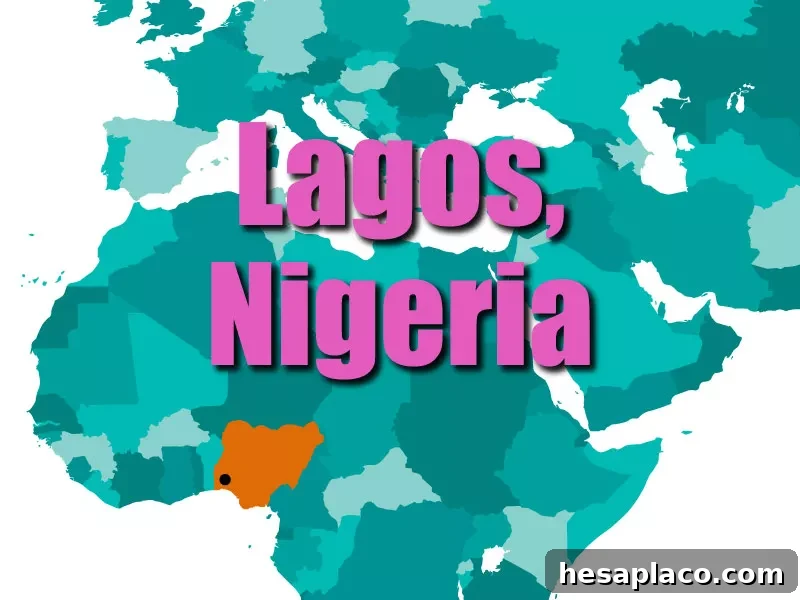
Current population: 21 million
Lagos, Nigeria’s largest city, is projected to see strong population growth through 2030. As one of Africa’s fastest expanding urban centers, it faces both opportunity and challenge: rising incomes and investment on the one hand, and sprawling informal settlements such as Makoko — the world’s largest floating slum — on the other.
No. 2
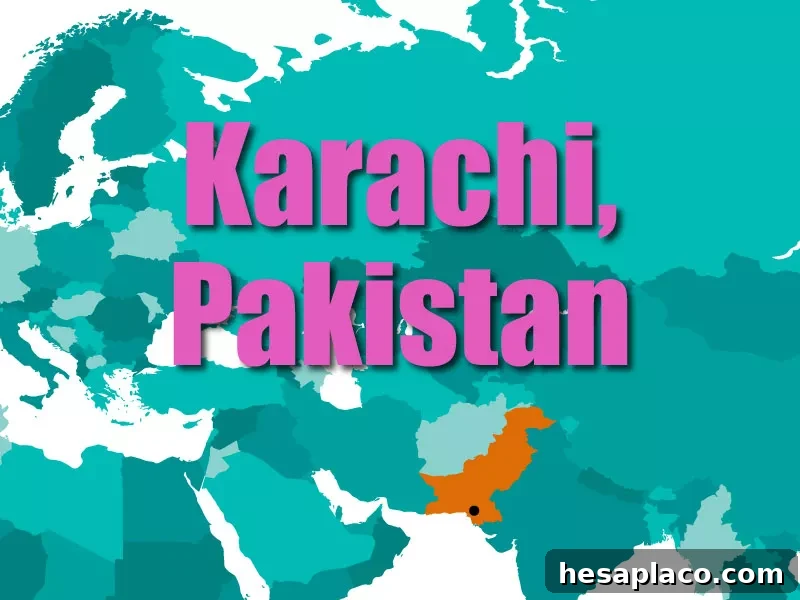
Current population: 14.91 million
Islamabad’s region and its broader metro area are expected to register notable population and real GDP gains by 2030, elevating its global ranking among the largest cities.
No. 3
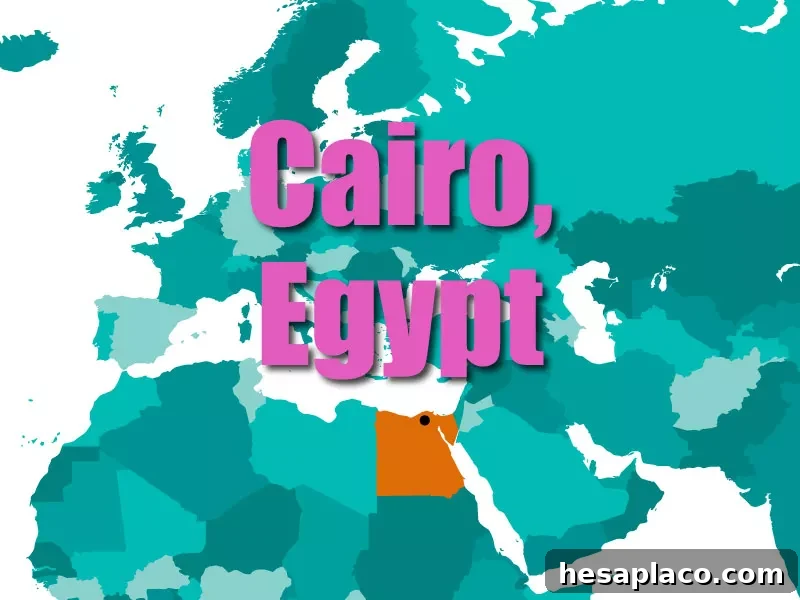
Current population: 19.5 million
Cairo is anticipated to grow more than 20 percent by 2030, becoming one of the world’s top five megacities. Its real GDP is also projected to expand significantly, reflecting robust economic activity in Egypt’s capital region.
No. 4
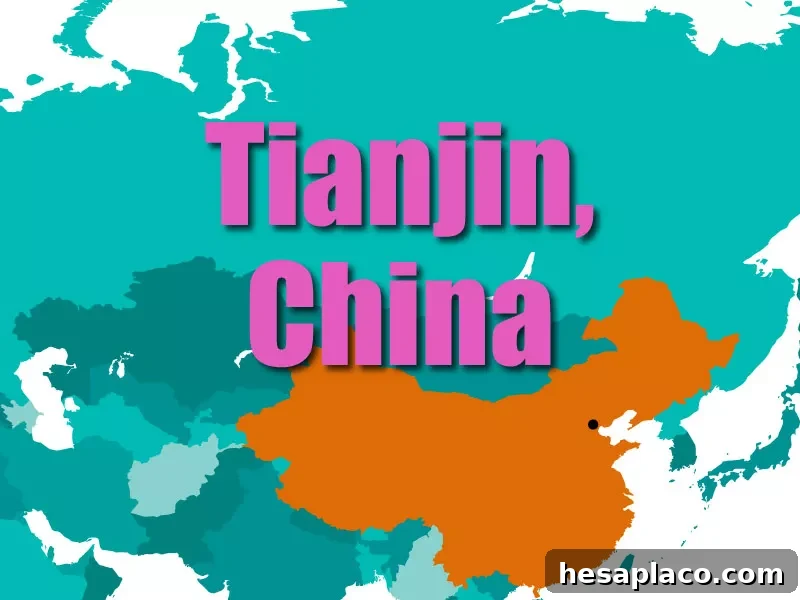
Current population: 13 million
This major northeastern Chinese port city is set for strong economic gains over the next decade, with real GDP expected to rise dramatically and population increasing by roughly 20 percent by 2030.
No. 5
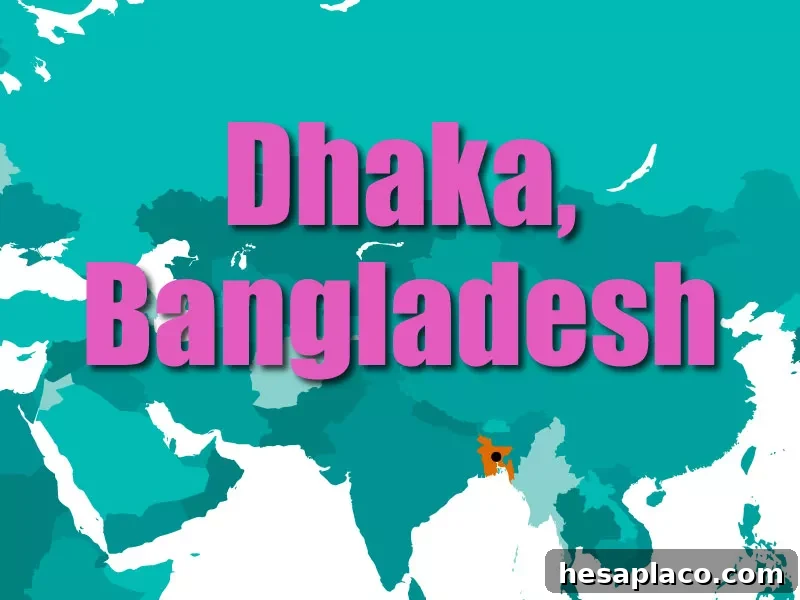
Current population: 18.89 million
Dhaka will likely record the highest real GDP growth among these megacities, with forecasts showing more than a 150 percent increase by 2030. Population is projected to rise by about 20 percent, driven by urban migration and rising incomes.
No. 6
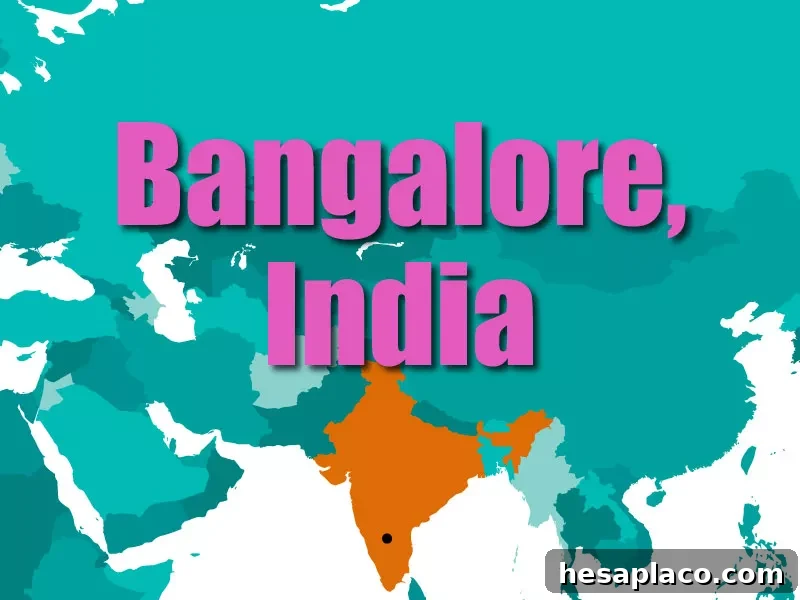
Current population: 12.3 million
Bangalore, India’s technology hub, is expected to grow roughly 20 percent in population and more than double its real GDP by 2030 as the high-tech sector expands and attracts investment.
No. 7
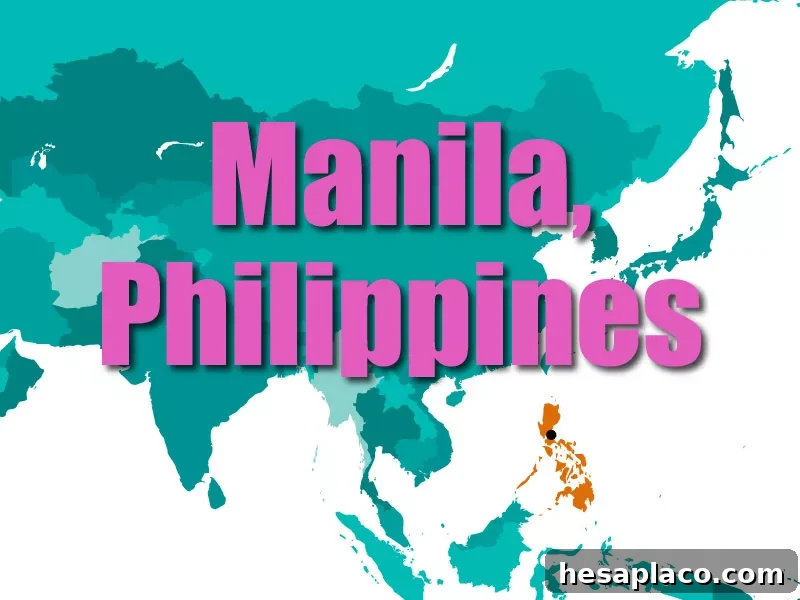
Current population: 12.8 million
Manila should see substantial GDP growth—more than 125 percent—by 2030 while population climbs by about 20 percent, reinforcing its role as the Philippines’ economic and cultural center.
No. 8
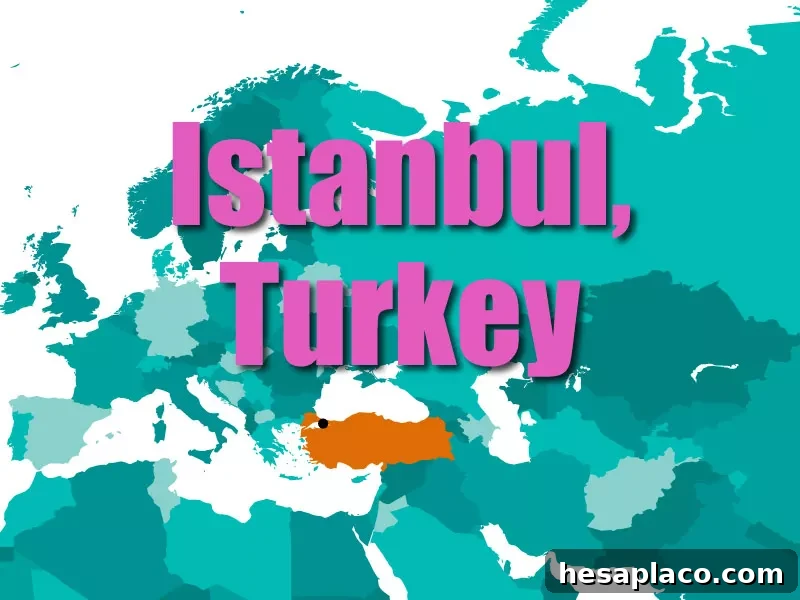
Current population: 15 million
Istanbul will record modest gains in both population and GDP by 2030. As the largest city in Europe by city-limits population, it remains a key regional hub for commerce and culture.
No. 9
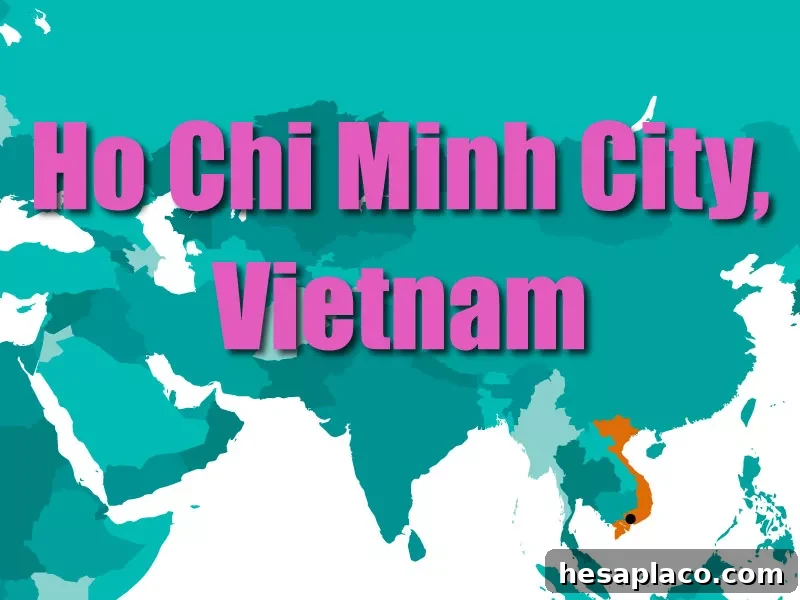
Current population: 13 million
Ho Chi Minh City (Saigon) is expected to continue rapid growth through 2030 in both GDP and population, maintaining its position as Vietnam’s financial center and most-visited city.
No. 10
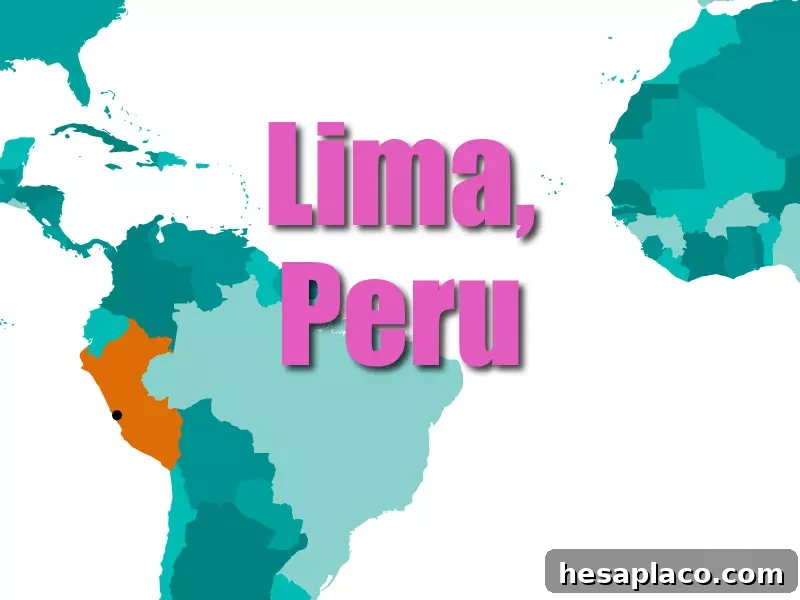
Current population: 9.7 million
Lima, Peru’s largest city and capital, will experience modest population growth while boosting its real GDP by roughly 50 percent by 2030 as investment and incomes rise.
No. 11
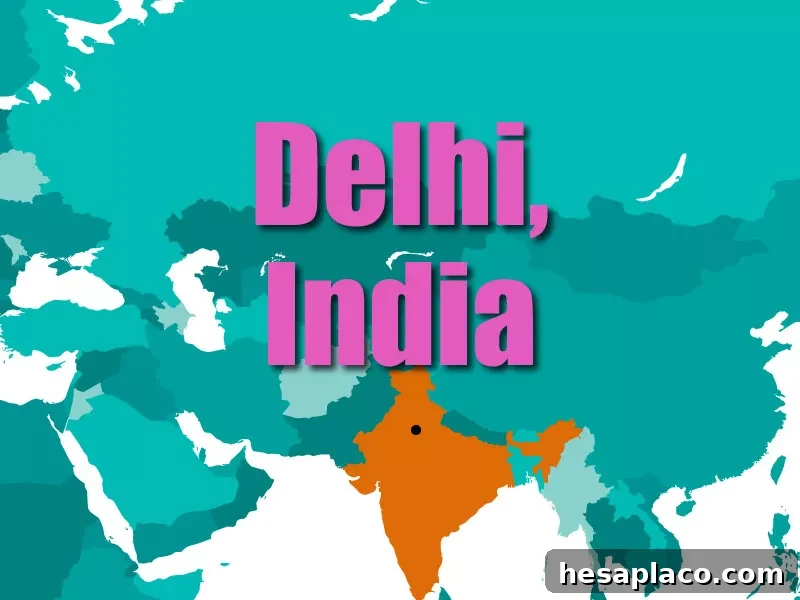
Current population: 19.5 million
Delhi’s metro area will see moderate population increases and a significant economic expansion—real GDP is projected to more than double by 2030—reflecting India’s continued urban and economic development.
No. 12
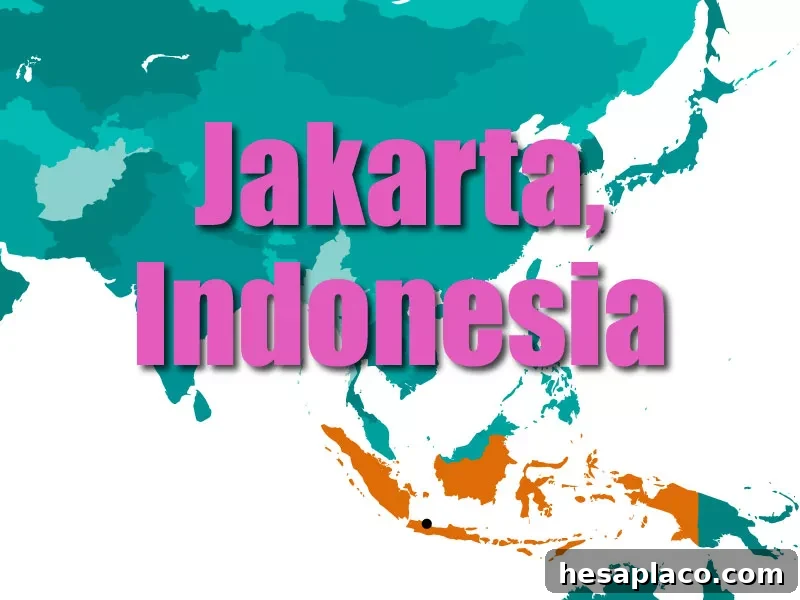
Current population: 31.5 million
Jakarta is projected to overtake Tokyo as the world’s most populous city by 2030, gaining roughly 4.1 million residents and reaching an estimated 35.6 million. Meanwhile, Tokyo is expected to decline slightly, shifting the global population rankings among megacities.
No. 13
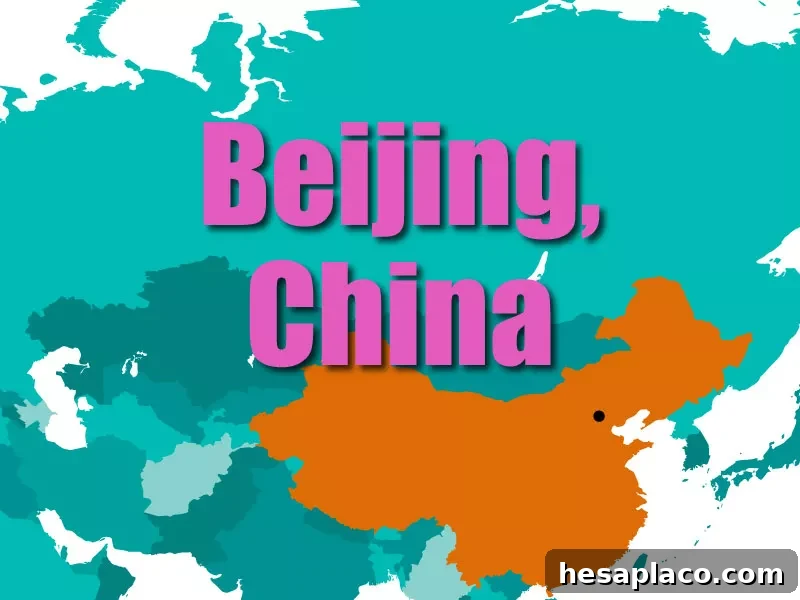
Current population: 24 million
Beijing will grow around 10 percent by 2030, with its GDP roughly doubling. However, an aging population could slow longer-term growth beyond the coming decade.
No. 14
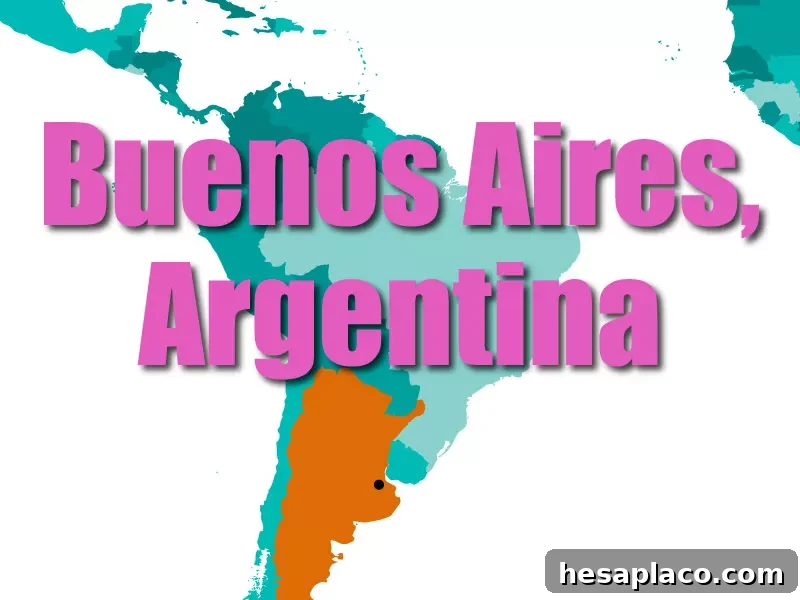
Current population: 15 million
Buenos Aires is expected to add about 10 percent more people by 2030 while its economy expands by roughly 50 percent as Argentina’s urbanization and economic activity continue.
No. 15
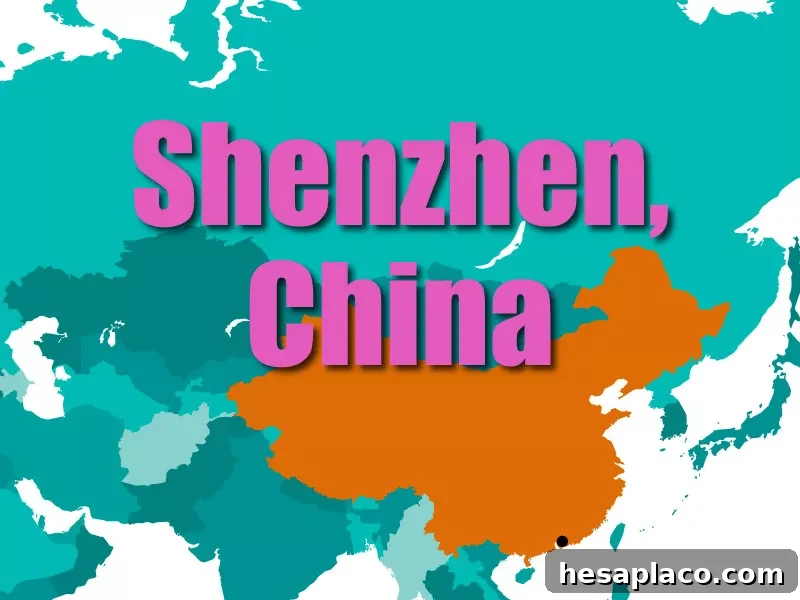
Current population: 23 million
This major city in China’s Guangdong province, neighboring Hong Kong, is expected to grow about 10 percent by 2030. Its rapid development should drive the metro area’s GDP to more than double.
No. 16
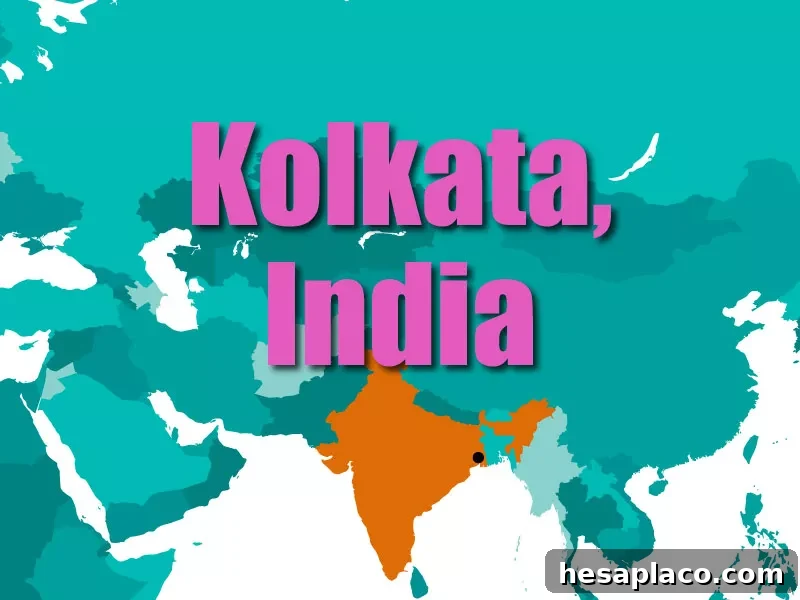
Current population: 14.3 million
Kolkata, often regarded as India’s cultural capital, is projected to see strong economic growth as its GDP is forecast to roughly double by 2030, alongside steady population increases.
No. 17
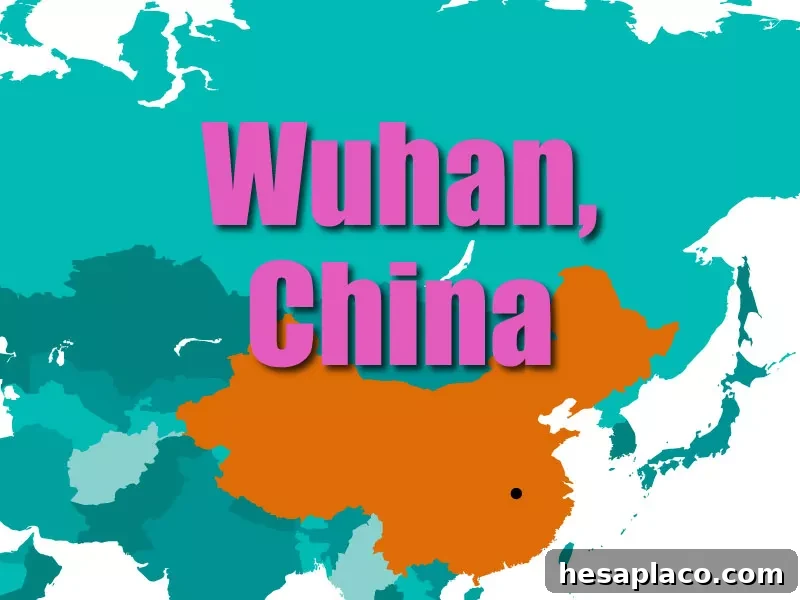
Current population: 19.8 million
Wuhan, a major transportation and logistics hub in China’s Hubei province, is expected to grow about 10 percent in population and see its GDP roughly double by 2030.
No. 18
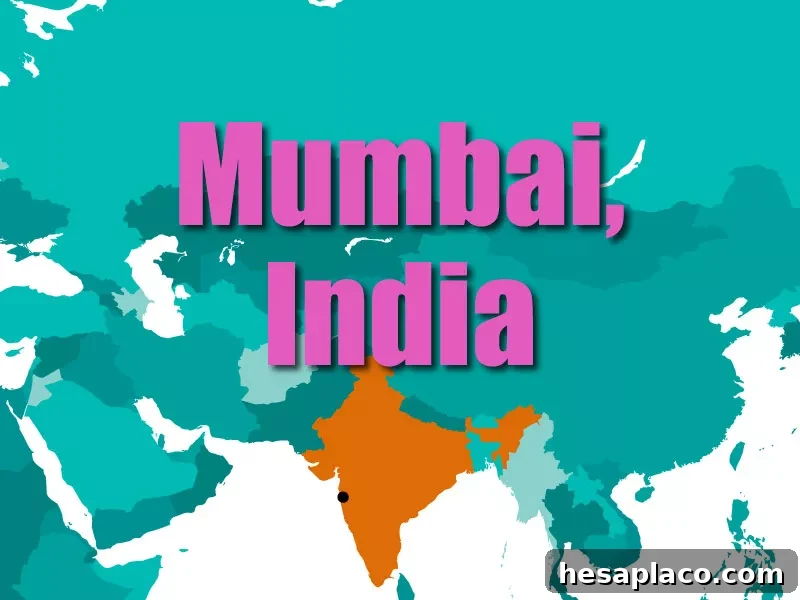
Current population: 18.41 million
Mumbai remains India’s most populous city. Its population will grow modestly to 2030 while real GDP is expected to more than double as the city attracts more investment.
No. 19
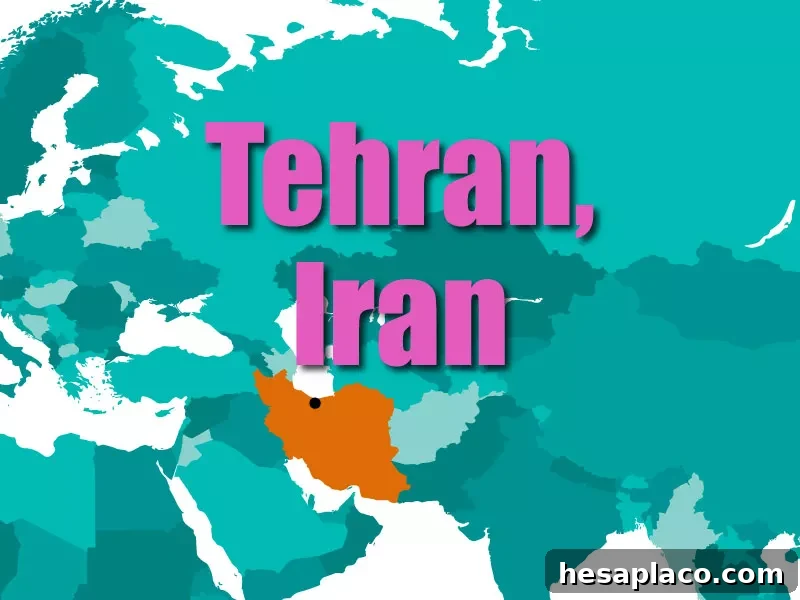
Current population: 15 million
Tehran’s metro population is forecast to rise about 10 percent by 2030, with its economy expanding by more than 50 percent during the same period.
No. 20
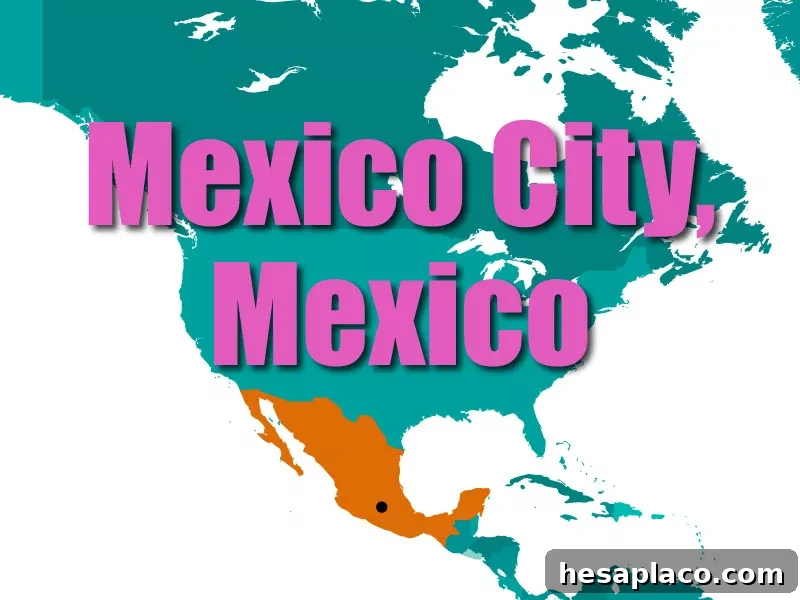
Current population: 21.2 million
Mexico City, North America’s largest metropolis, is projected to add around 10 percent more people and increase its GDP by nearly 50 percent by 2030, remaining the region’s dominant urban economy.
No. 21
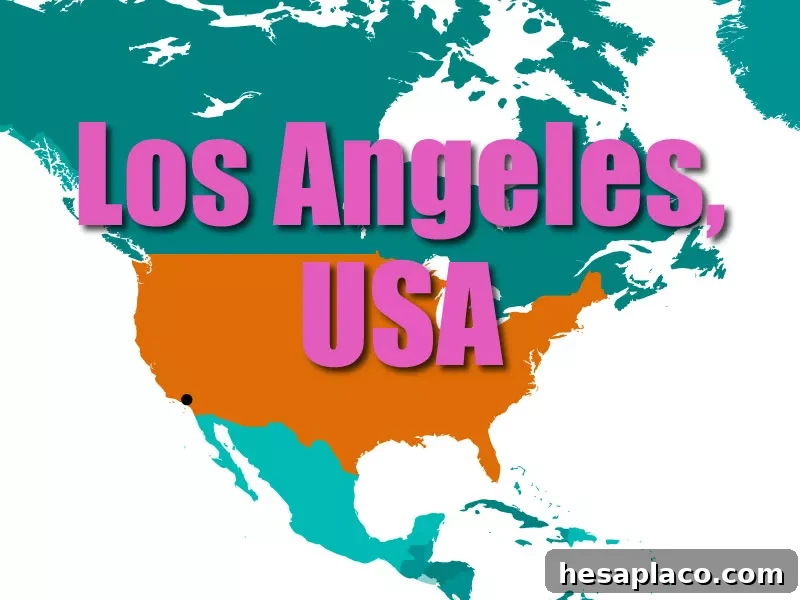
Current population: 13.1 million
Los Angeles will experience modest population and economic growth through 2030, continuing its role as a major cultural and economic hub in the United States.
No. 22
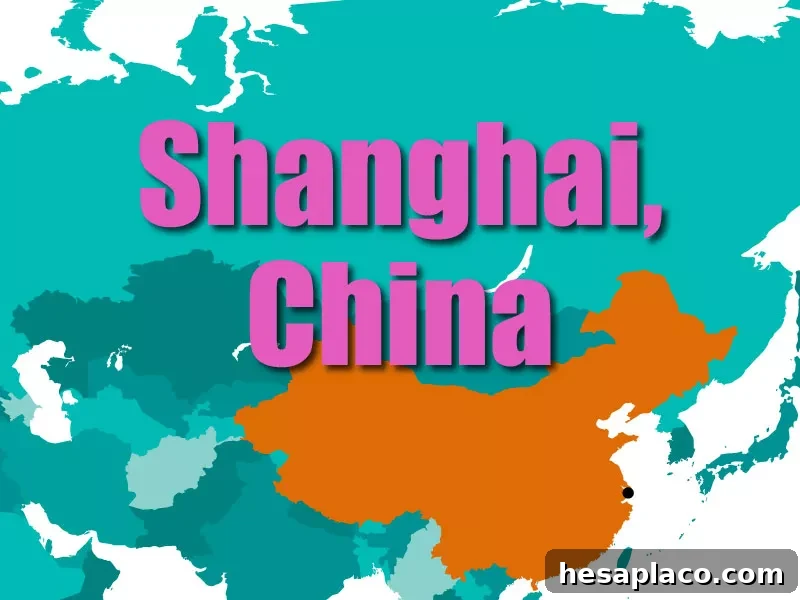
Current population: 34 million
Shanghai, China’s largest city by population, is expected to keep growing through 2030. Continued expansion as an international trade and finance hub should see its GDP roughly double in the coming decade.
No. 23
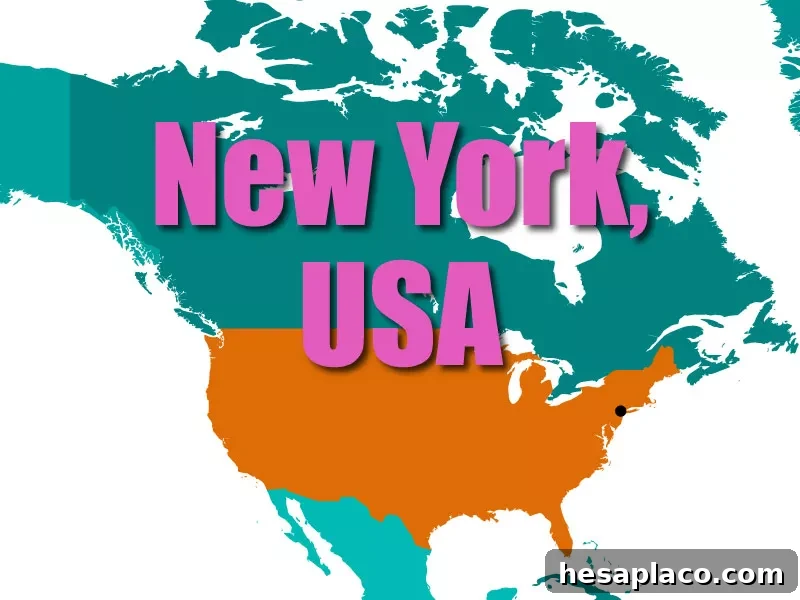
Current population: 20.3 million
New York, once the world’s largest city, will continue to grow modestly in population and economy. Developed megacities like New York generally register slower population growth due to lower birth rates.
No. 24
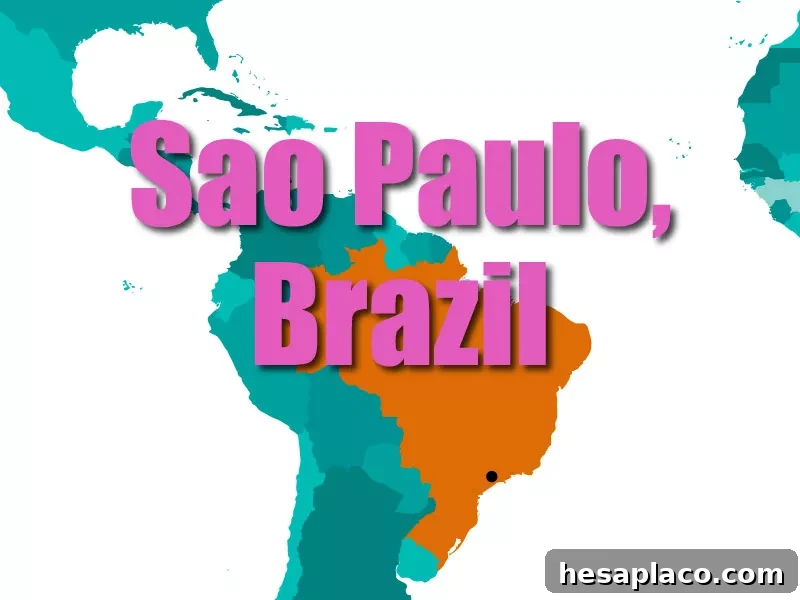
Current population: 21.6 million
São Paulo will see gradual population increases through 2030, with GDP rising about 25 percent as Brazil’s largest urban economy continues to develop.
No. 25
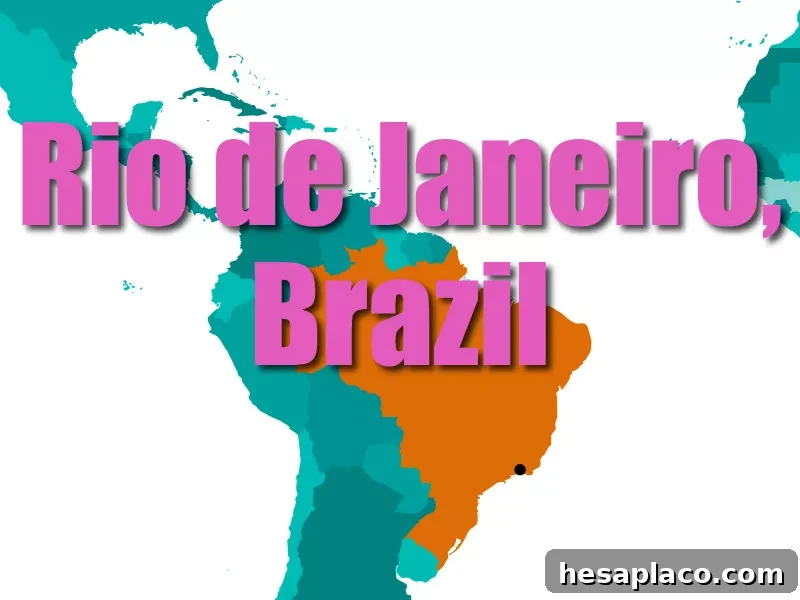
Current population: 12 million
Rio de Janeiro’s metro area will grow moderately—under 10 percent—by 2030, with its economy expanding roughly 25 percent over the decade.
No. 26
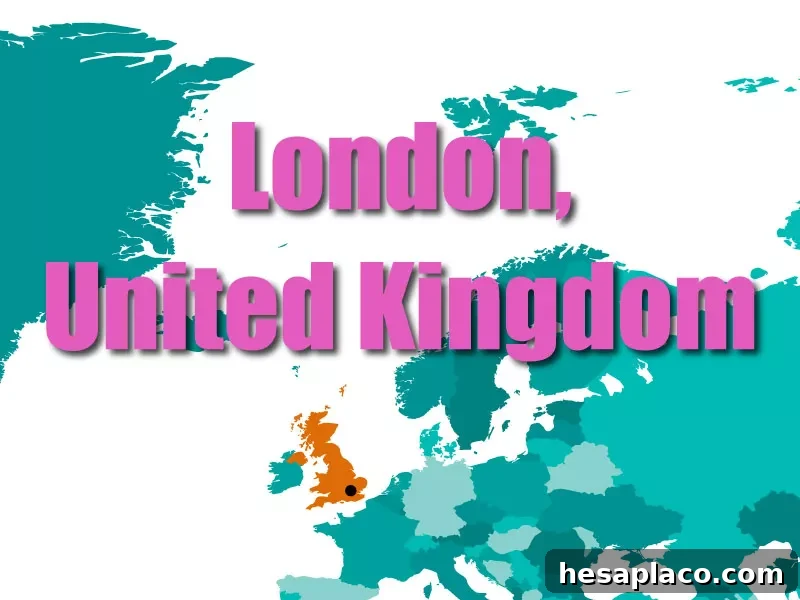
Current population: 14.2 million
London’s population is expected to rise slightly—less than 10 percent—by 2030 as birth rates decline, while its GDP should grow by around 20 percent, reflecting continued economic strength.
No. 27
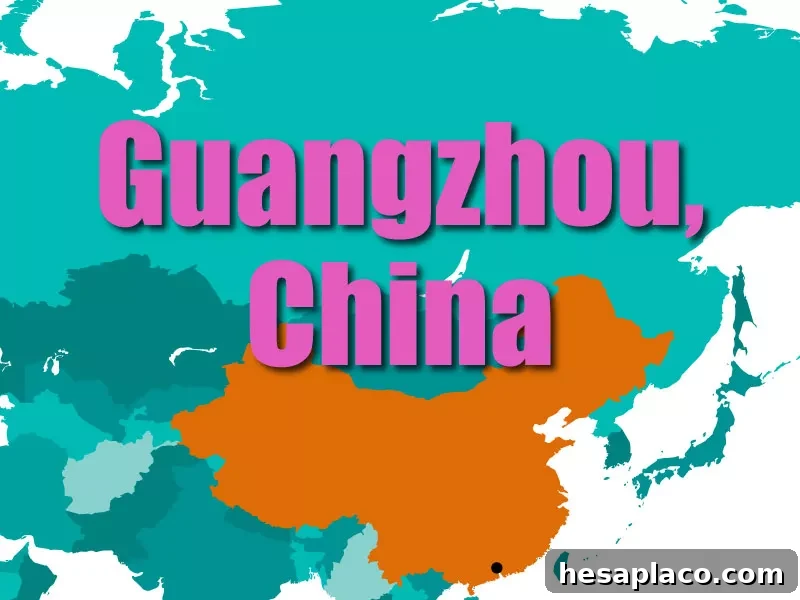
Current population: 15 million
Guangdong’s capital region will remain one of China’s largest urban centers. Population growth will be moderate compared with fast-growing developing megacities, while GDP is expected to nearly double by 2030.
No. 28
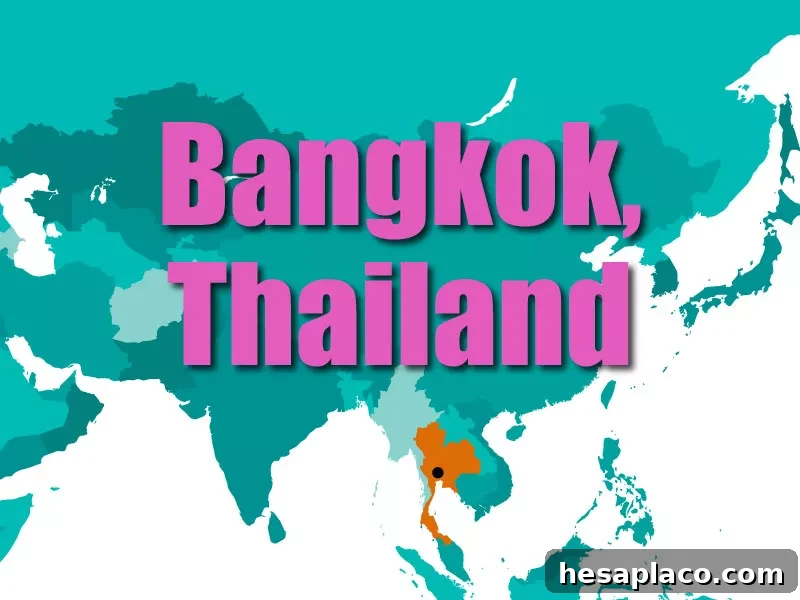
Current population: 14.6 million
Bangkok, Thailand’s economic and financial hub, will see steady population gains and an estimated 50 percent increase in GDP by 2030 as the city strengthens its regional role.
No. 29

Current population: 12.3 million
Paris will continue modest economic growth but limited population increase—around 5 percent through 2030—largely due to low birth rates in this developed European capital.
No. 30
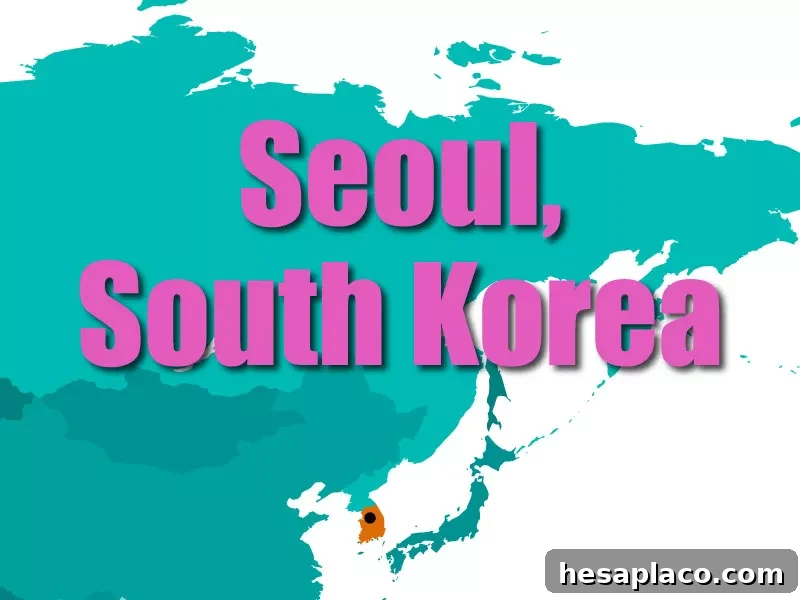
Current population: 25.6 million
Seoul’s population is projected to grow by less than 5 percent by 2030 because of persistently low birth rates. Still, its economy will expand, with real GDP rising nearly 50 percent as the city maintains its financial and technological importance.
No. 31
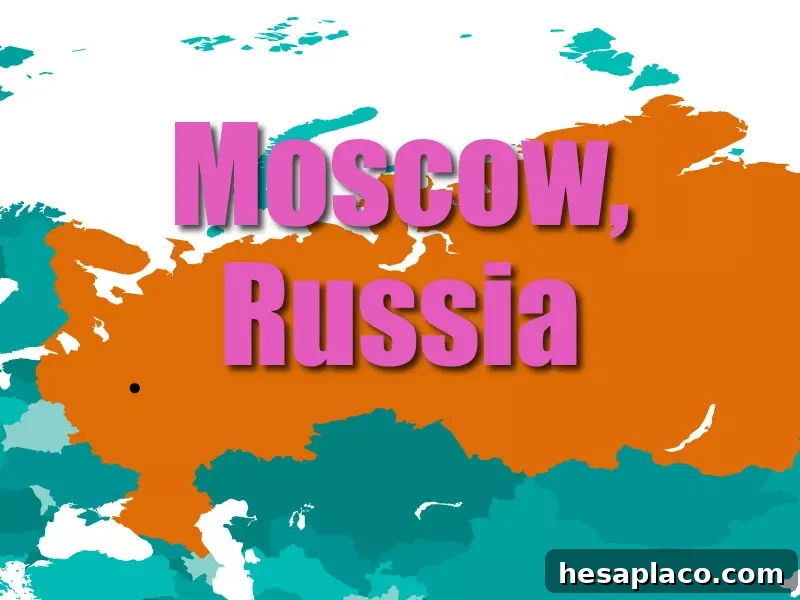
Current population: 12.5 million
Moscow faces minimal population growth—around 2 percent to 2030—driven by low birth rates, while real GDP is expected to rise roughly 20 percent as the city sustains economic activity.
No. 32
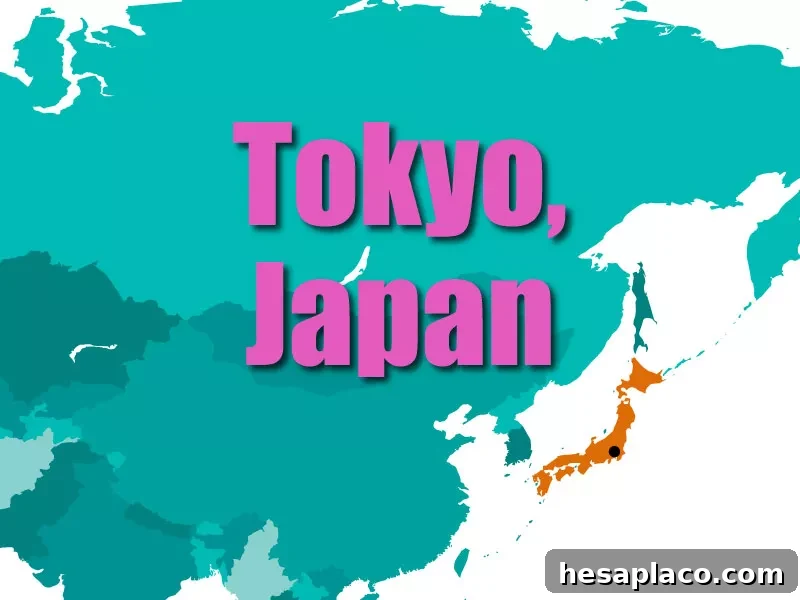
Current population: 37.8 million
Tokyo, the world’s largest megacity today, is projected to experience a population decline of about 5 percent by 2030 due to aging and low birth rates. Economic growth will be more modest in comparison with rapidly expanding developing megacities.
No 33
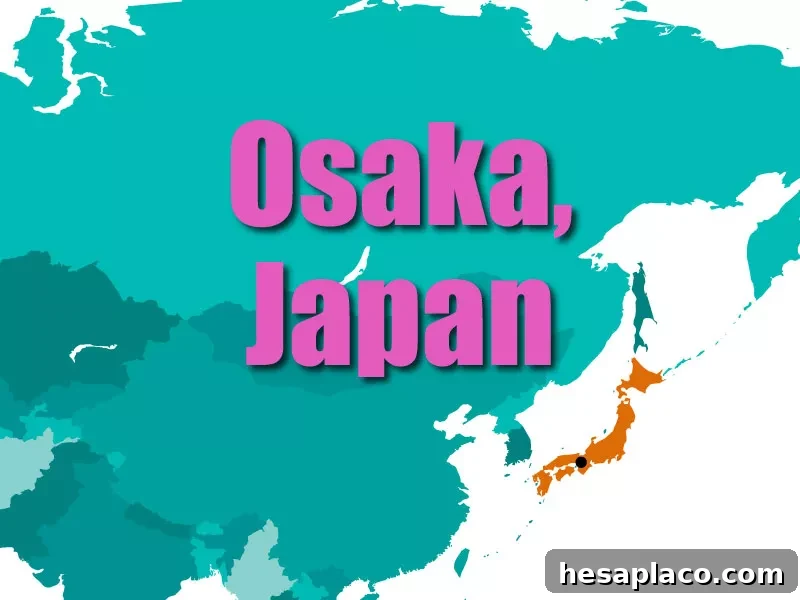
Current population: 19.3 million
Osaka is expected to become the oldest megacity by 2030, with an estimated 31 percent of residents aged 65 or older. This demographic shift will constrain population and economic growth relative to younger, faster-growing megacities.
Emerging Megacity No. 1
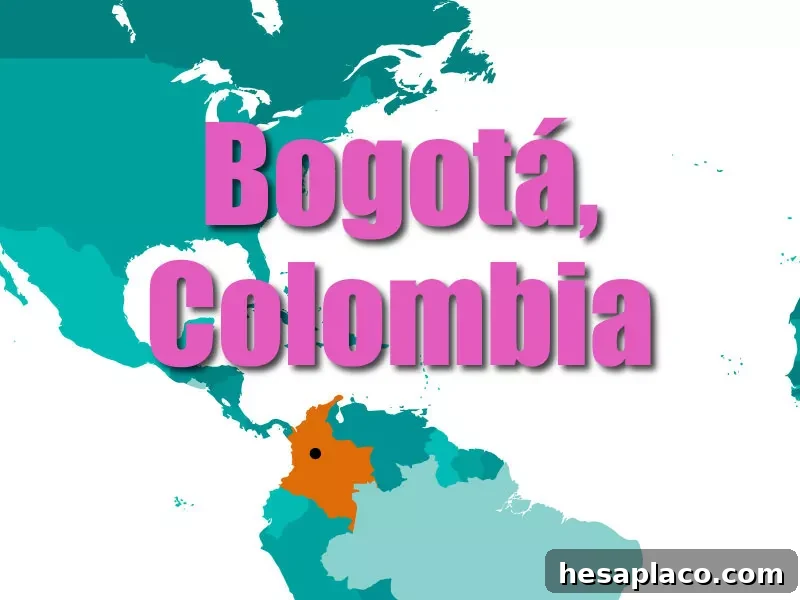
Current population: 8 million
Bogotá is poised to reach megacity status by 2030 as population density and household incomes increase. Its total GDP is projected to reach an estimated $109 billion by 2030.
Emerging Megacity No. 2
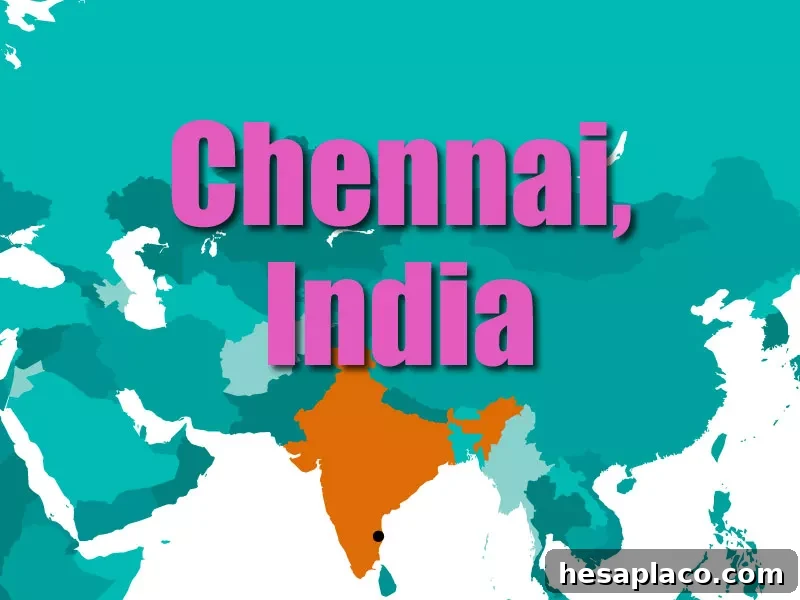
Current population: 9 million
Chennai, the capital of Tamil Nadu, India, is expected to join the megacity ranks by 2030. It is one of the emerging cities projected to see strong GDP percentage growth alongside rising population density.
Emerging Megacity No. 3
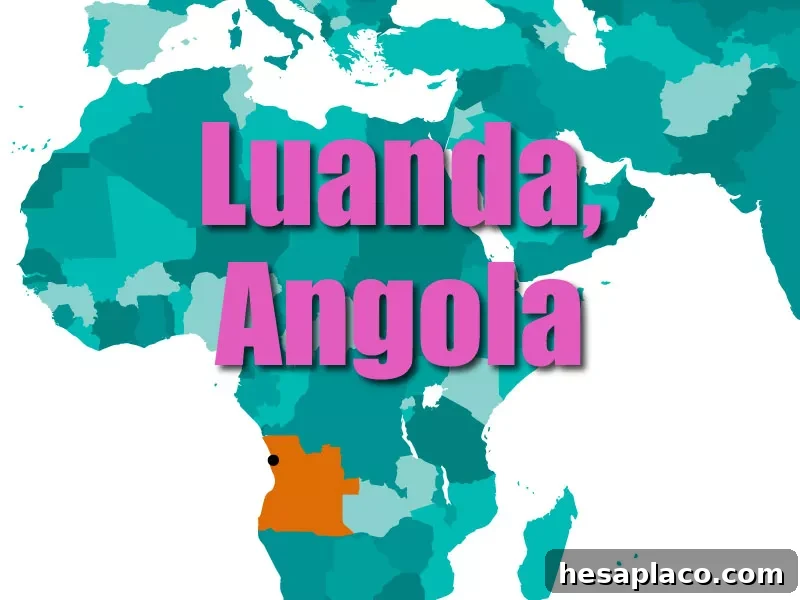
Current population: 7.8 million
Luanda will likely record one of the largest percentage increases in population among the emerging megacities, with rapid growth in incomes and GDP contributing to a projected $62 billion total GDP by 2030.
Emerging Megacity No. 4
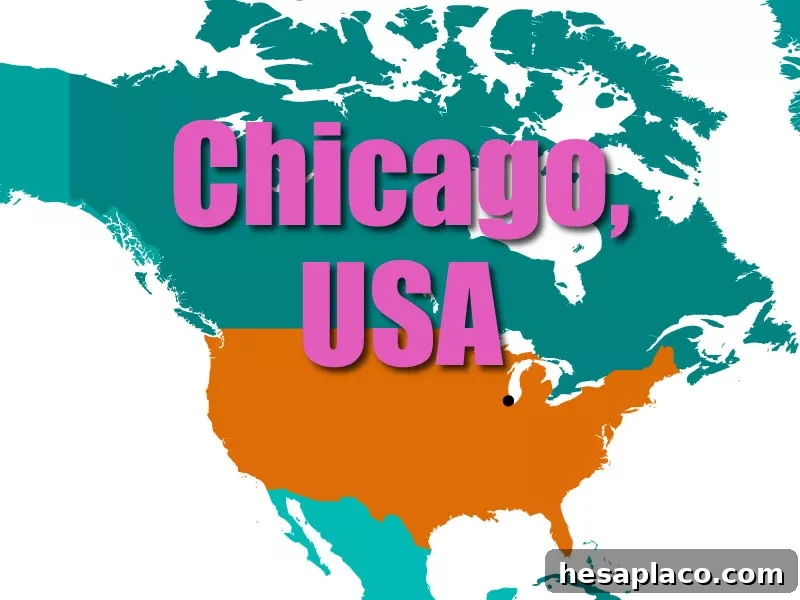
Current population: 9.5 million
Chicago is the only developed-city candidate among the six emerging megacities. With rising disposable incomes, Chicago’s total GDP is expected to reach around $596 billion by 2030, exceeding the combined GDP of the other five new megacities.
Emerging Megacity No. 5
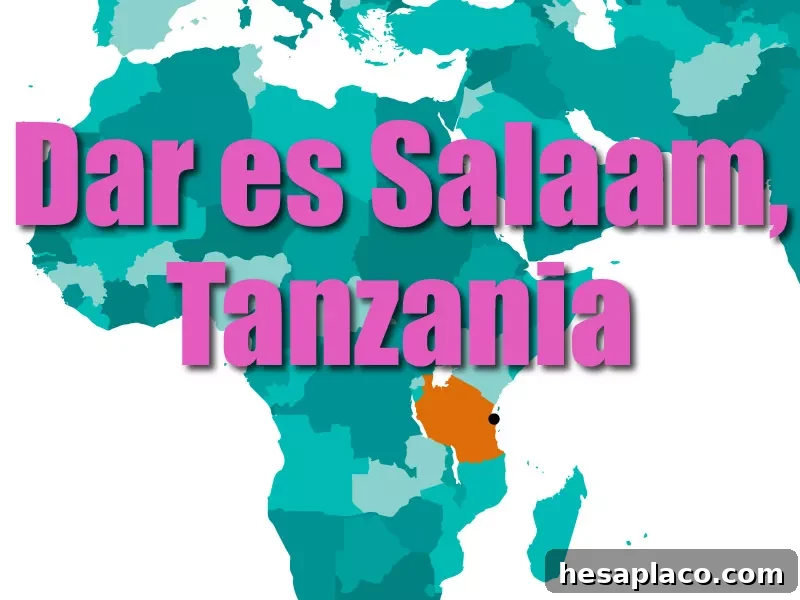
Current population: 4.4 million
Dar es Salaam is forecast to experience substantial growth by 2030, with population increasing by about 50 percent and real GDP roughly doubling as the city urbanizes and investment rises.
Emerging Megacity No. 6
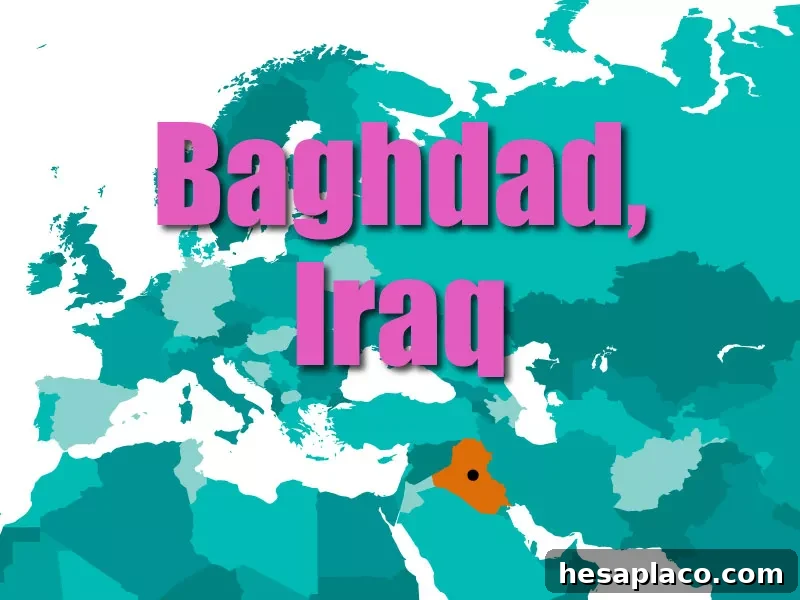
Current population: 8.8 million
Baghdad is projected to see nearly a 50 percent population increase through 2030, accompanied by growth in GDP and disposable incomes. Its total GDP is forecast to reach roughly $34 billion by 2030.
Overall, the coming decade will reshape the global urban landscape. Developing megacities are expected to drive much of the population and economic growth, while mature, developed megacities face the challenges of aging populations and slower demographic expansion. Policymakers and planners will need to balance infrastructure, housing, and social services to ensure sustainable, inclusive growth in these rapidly changing metropolitan regions.